- Asking the experts:
- Show and Tell:
- Chat with Gillian:
- Scottish Poetry:
- More Soul Searching:
- Show and Tell Feedback:
- Tagging along to the Archives :
- Jeremy Sutton-Hibbert:
- Reflection – 8th May 2026:
Asking the experts:
Bruce Peter
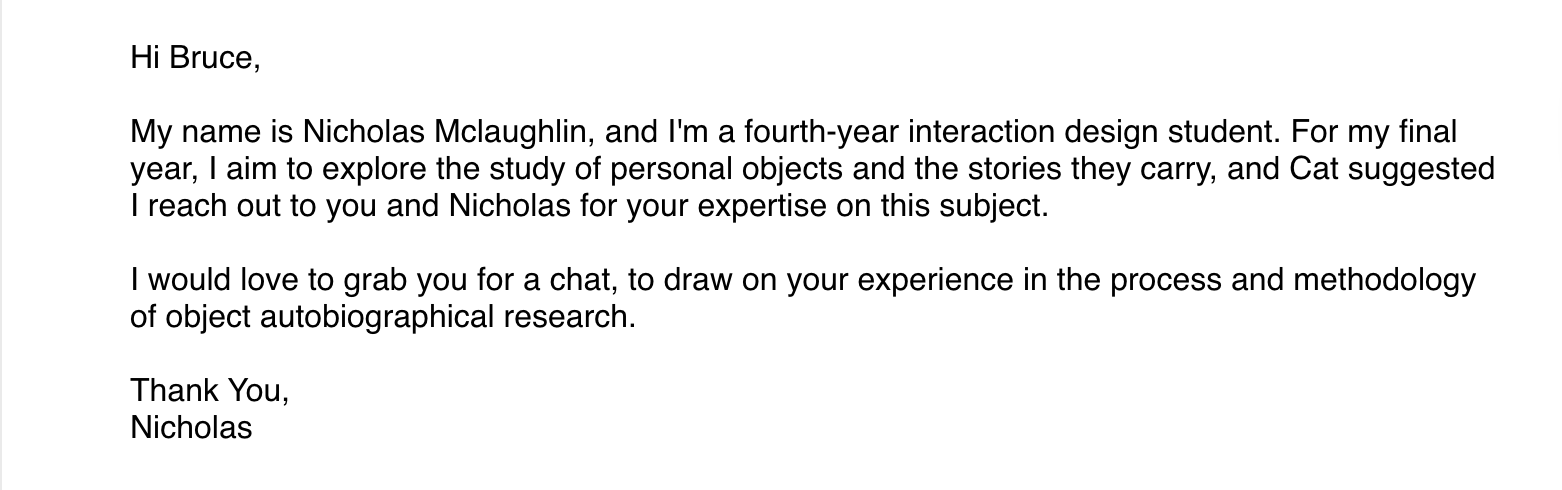

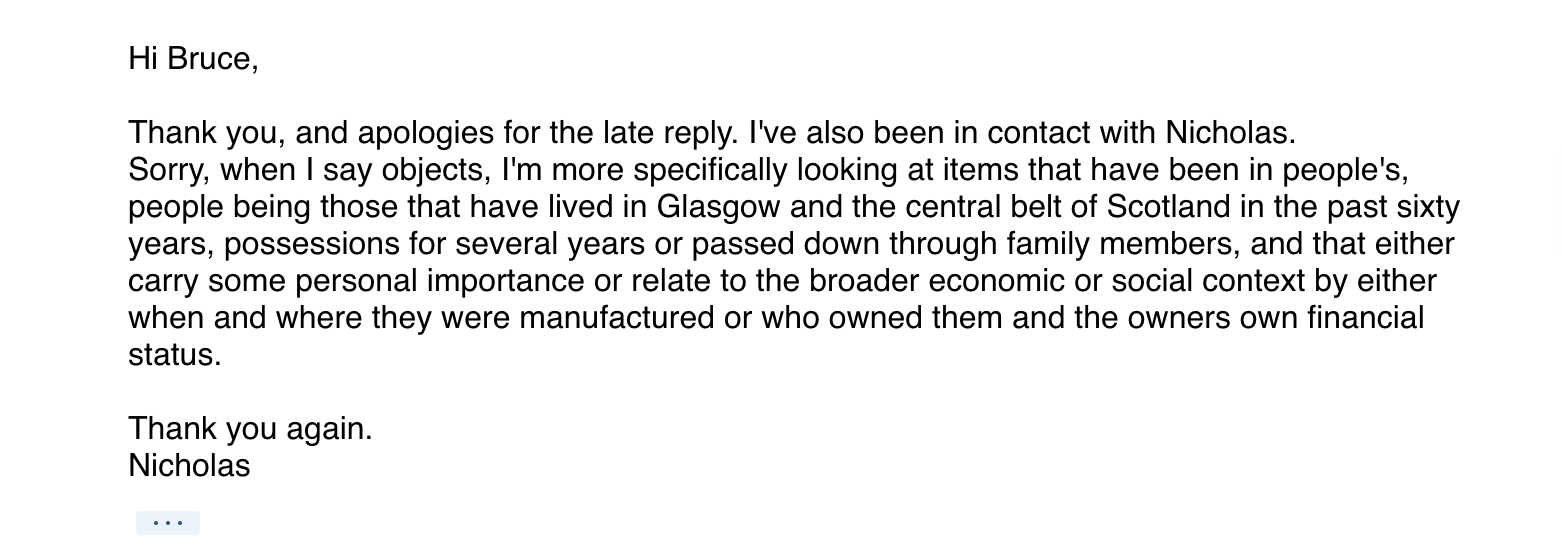
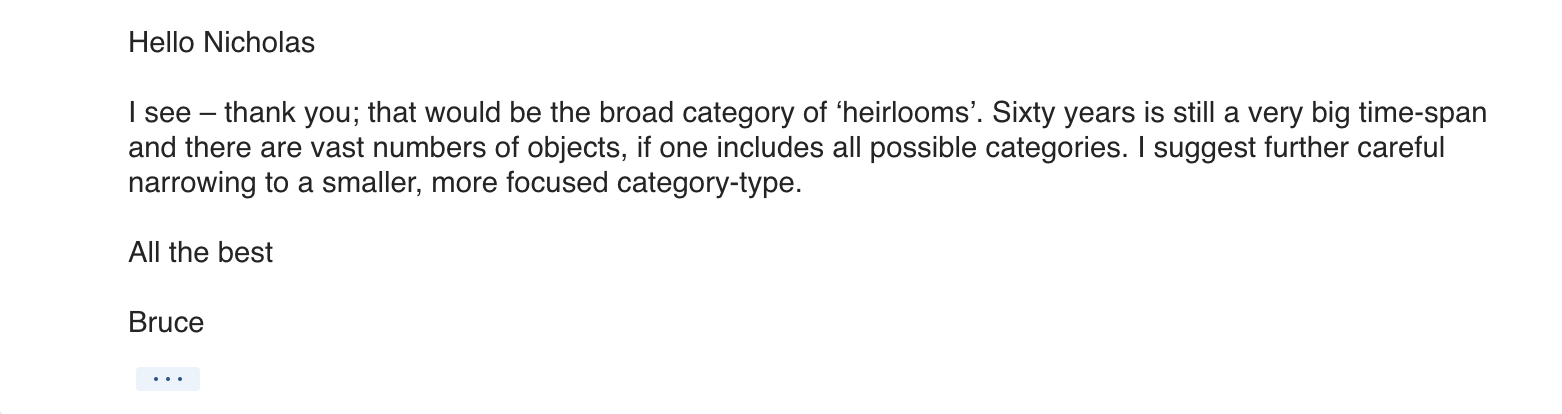
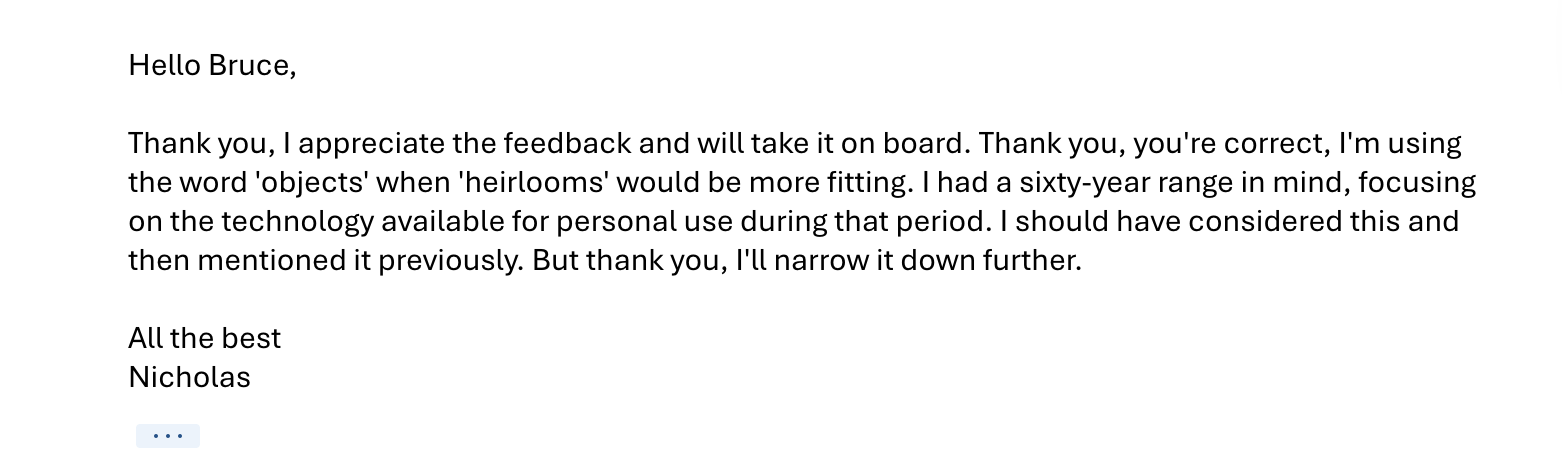
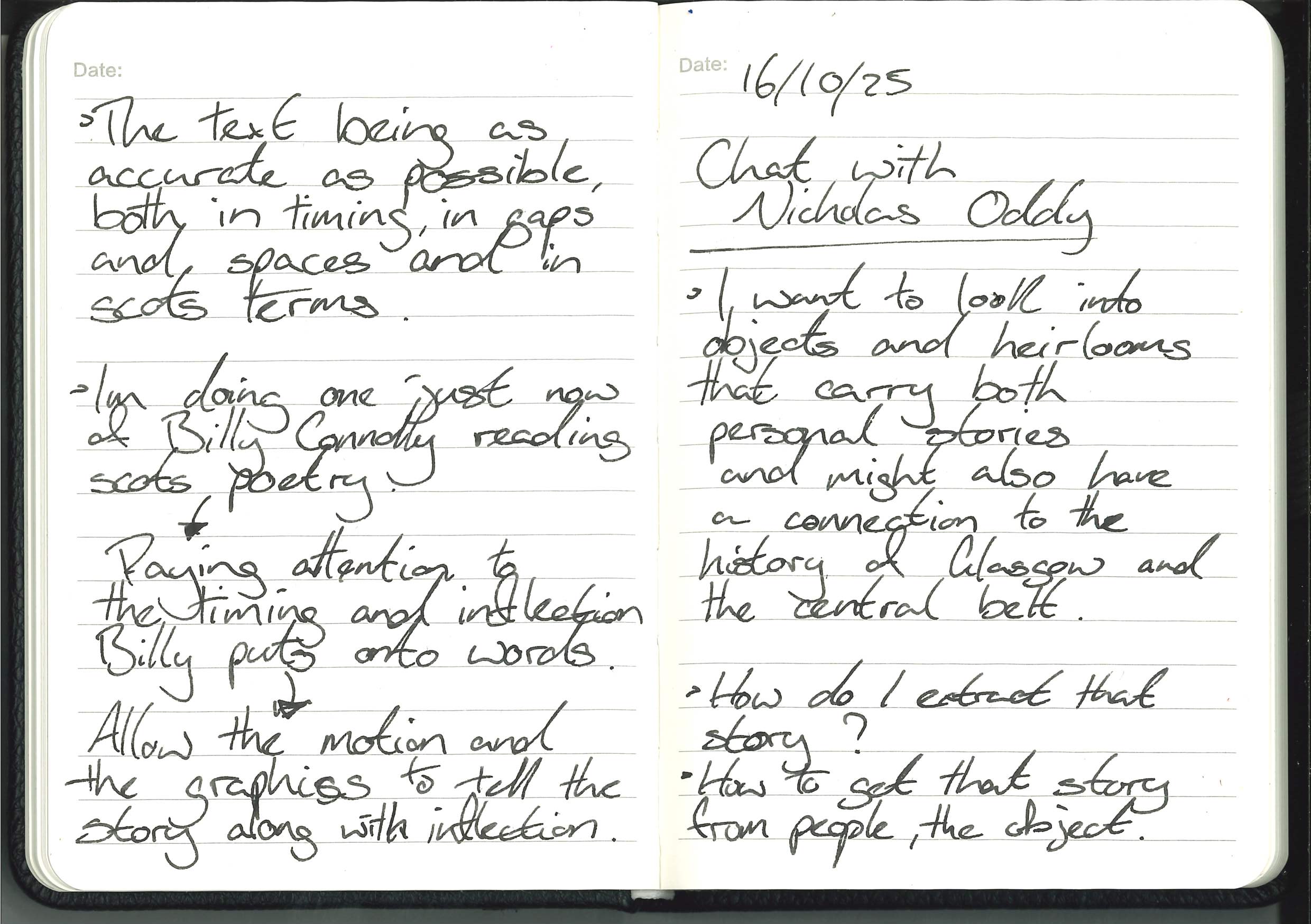
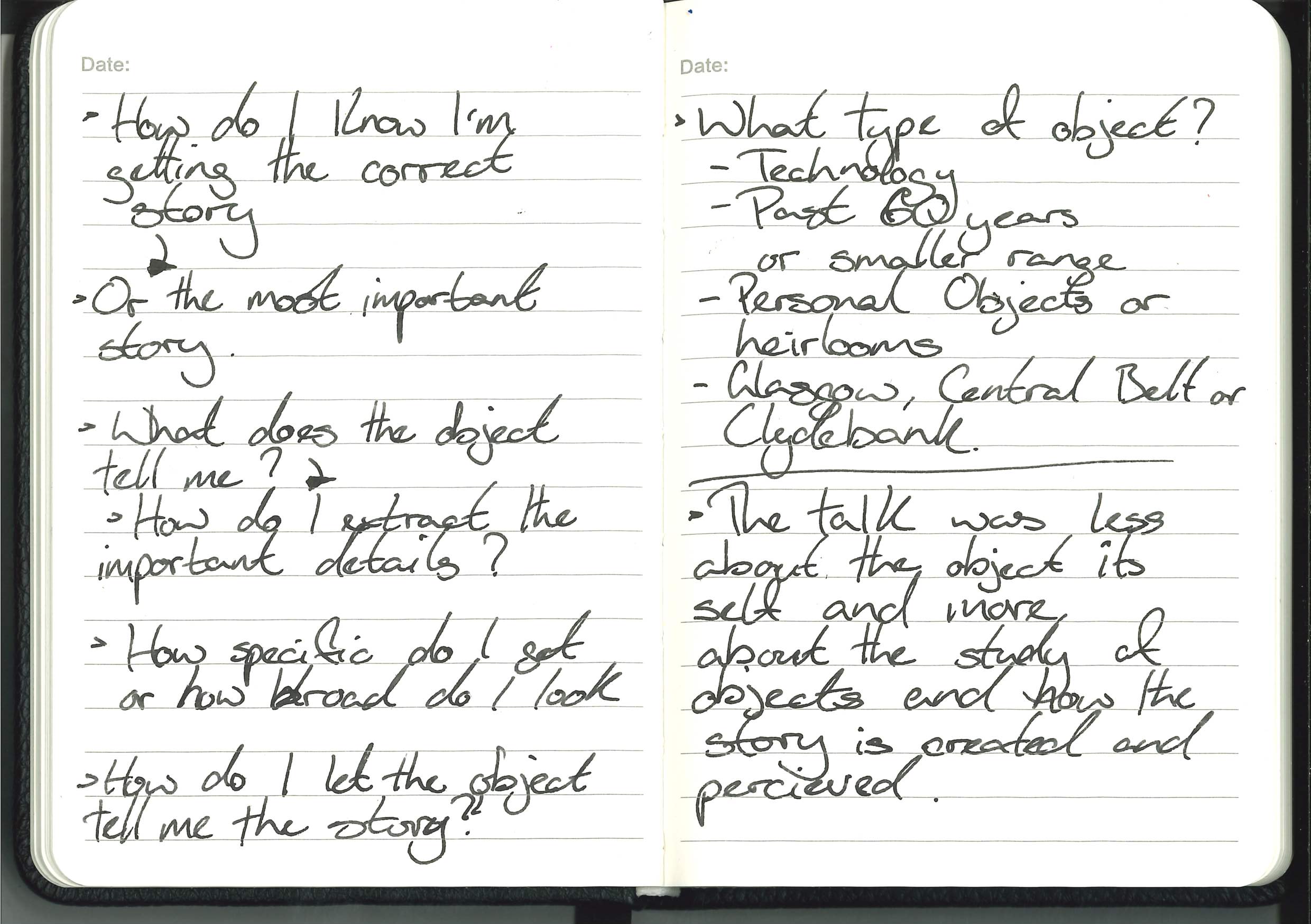
Nicholas Oddy:


Show and Tell:
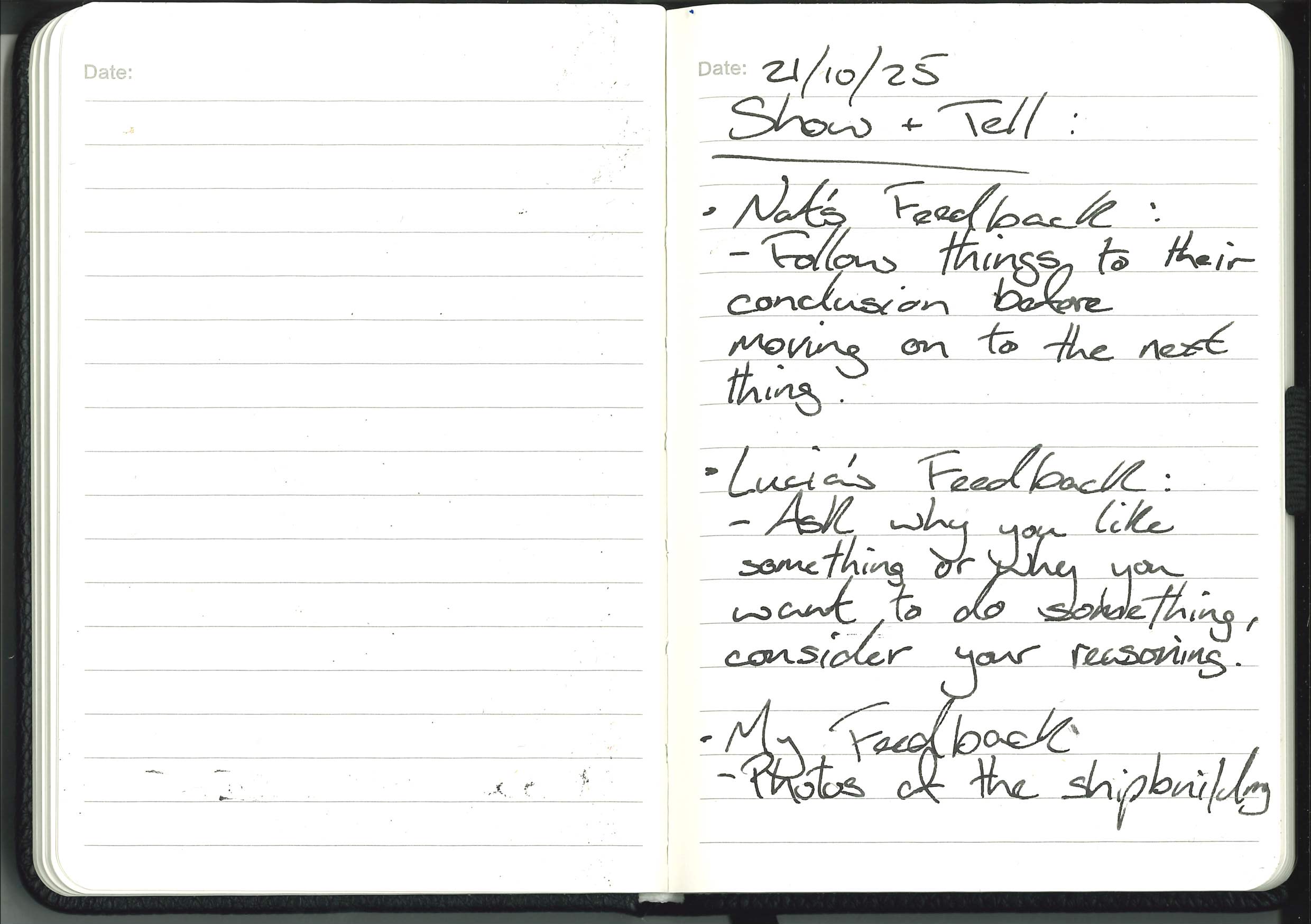


Thoughts after show and tell:
After ‘Show and Tell,’ I didn’t feel I had done my project justice in either my work or my presentation. I wasn’t very sure or very confident in my work in front of others because I felt like their work was better, or at least more artistic. I think I need to be less focused on design and more artistic in my practice.
You can’t help but be a designer, so be an artist. You’ll be a designer anyway.
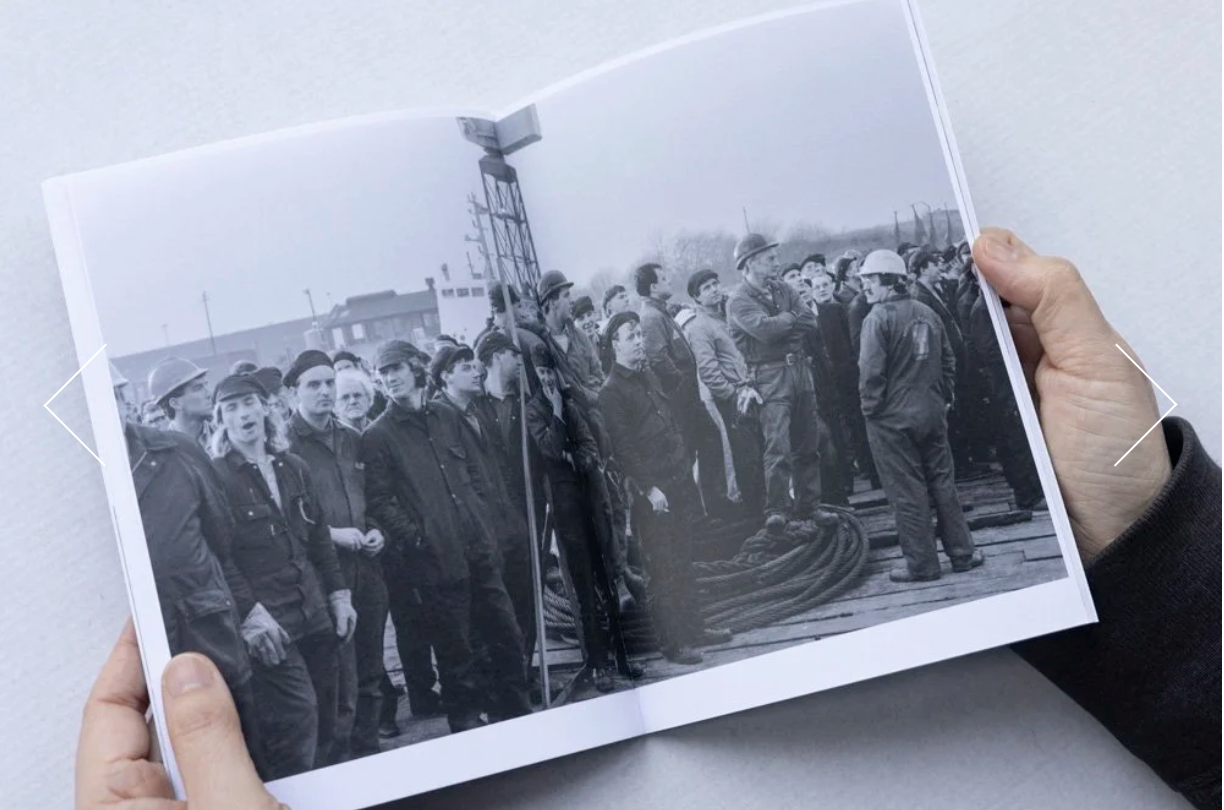
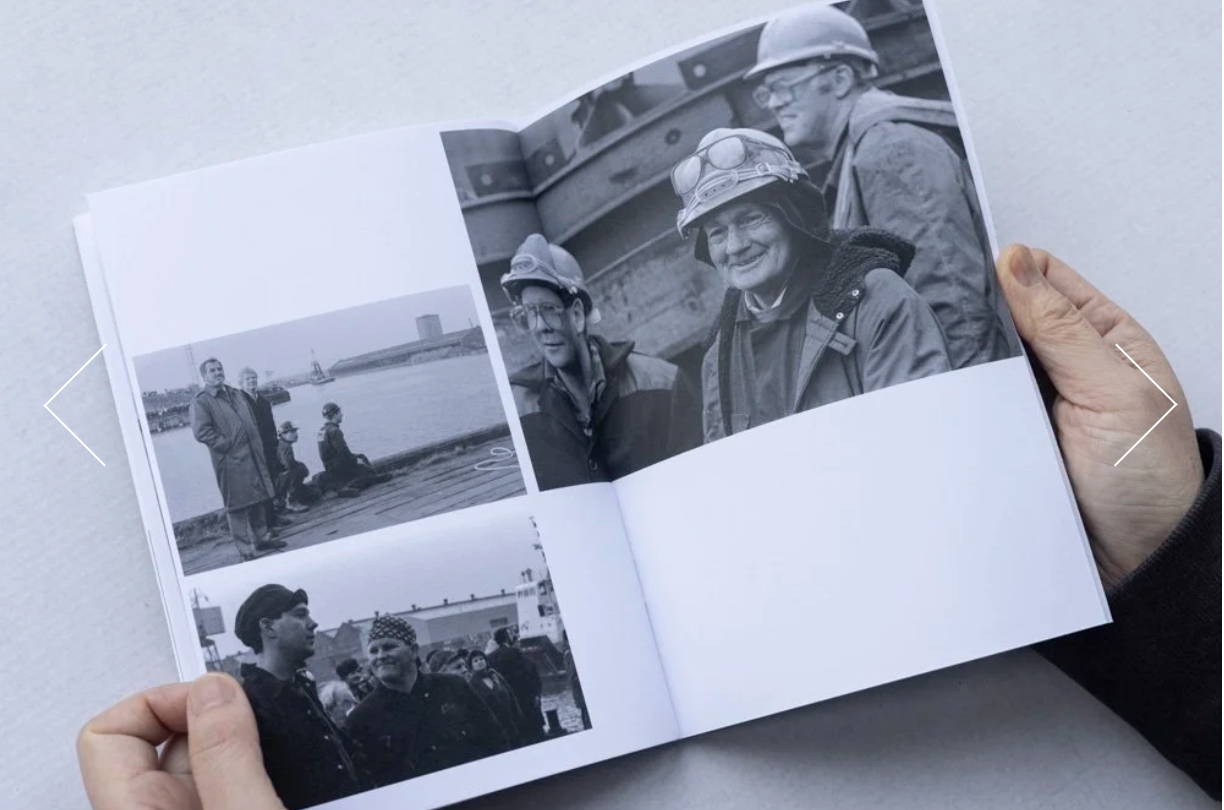
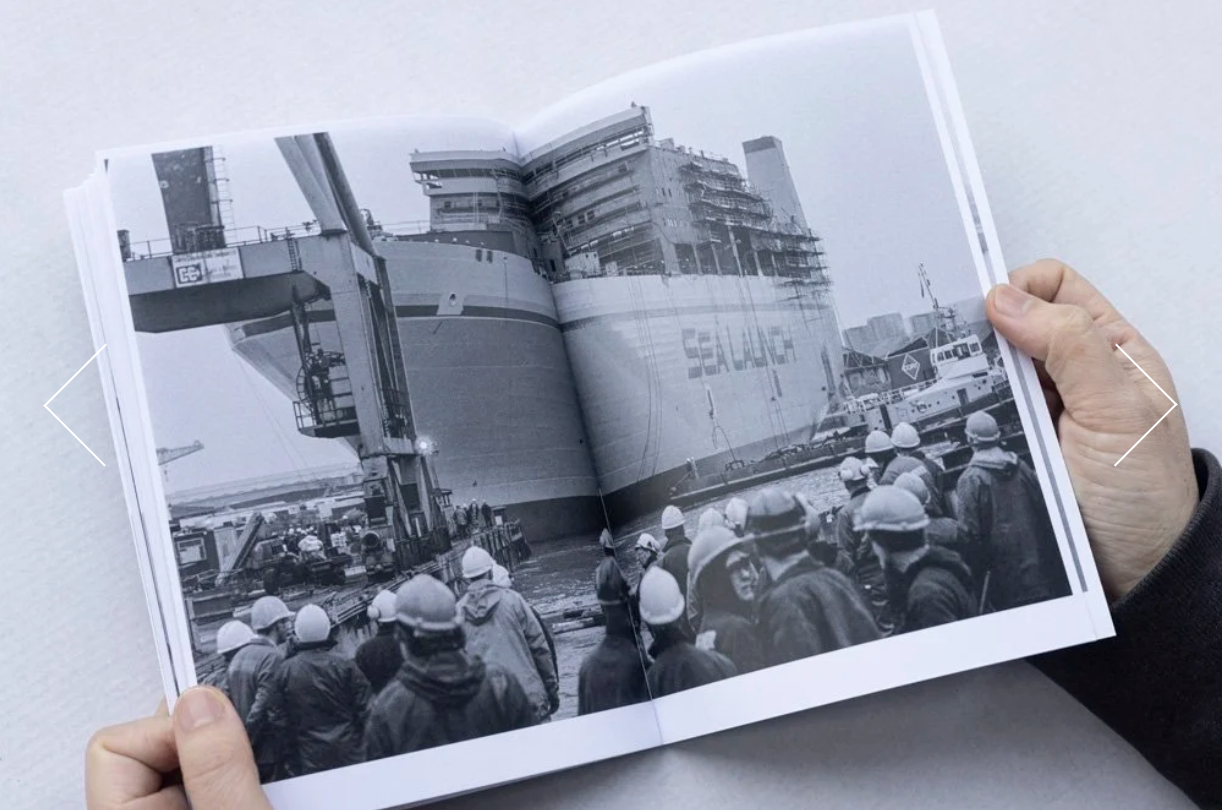
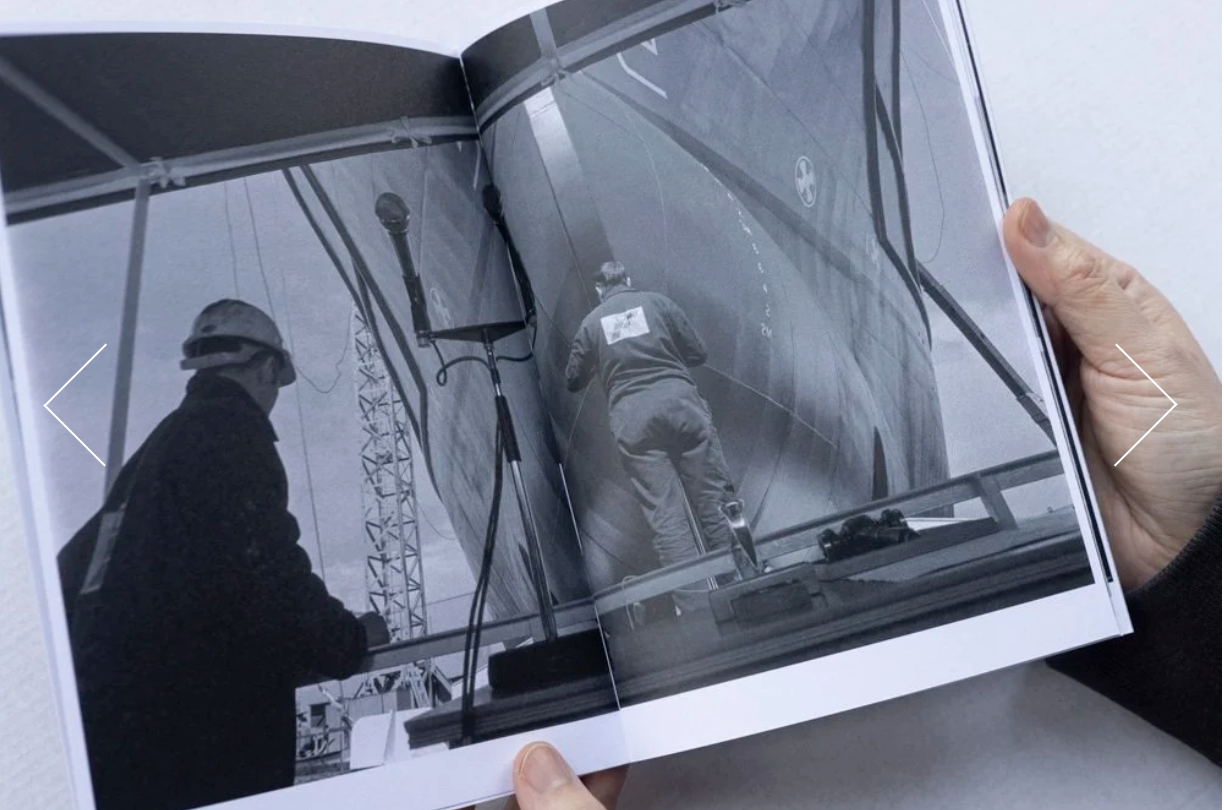
Mikhail did give me a good photographer to look into who has a trio of zines of ship building on the clyde and the working, his work shows the tones and scale of the shipyards.
https://www.jeremysuttonhibbert.com/photography-books-zines-prints-scotland
Looking for artistic inspiration:
Looking to Scottish artists for artistic inspiration, I imagine if their art has been influenced by their lives in Scotland, then so will I and maybe shake something loose.
Bruce Mclean – Pose Work for Plinths:
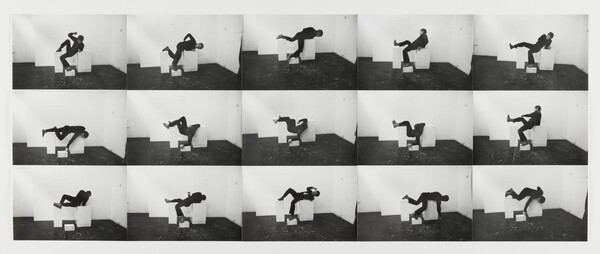
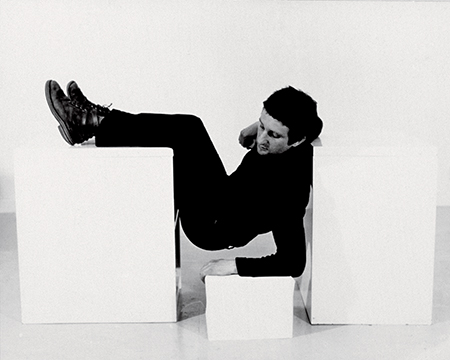
The striking visuals of McLean contorting himself on and around the three plinths didn’t initially seem like my type of performance work, but the more I enjoy these stills, the more I appreciate them.
Jim Lambie

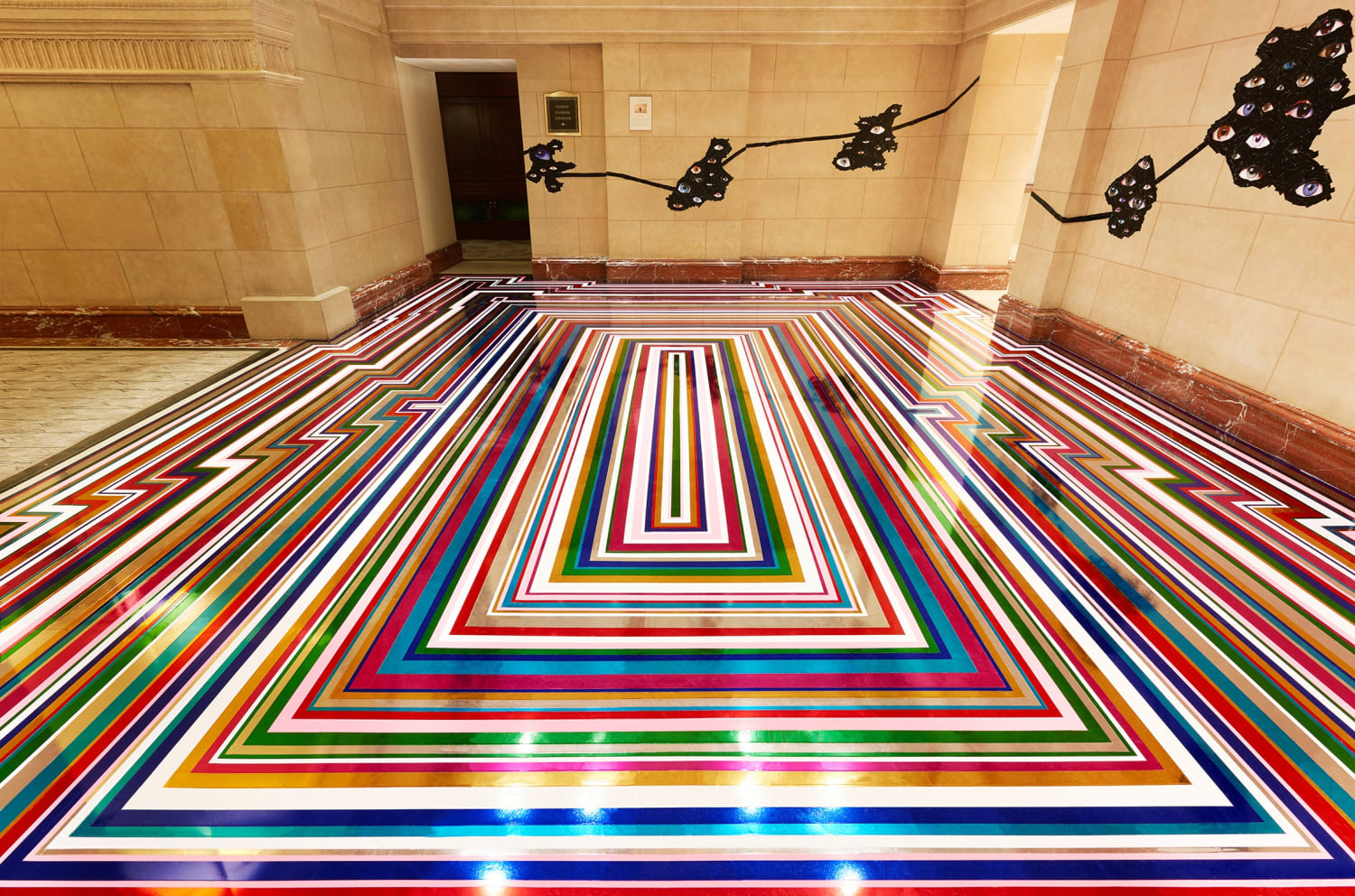

With Jim Lambie’s work, I just get sucked into the attention to detail, the vibrancy, and the fact that it’s informed by its surroundings. Each of his floor pieces is the way it is because of the room it’s in.
Oscar Marzaroli
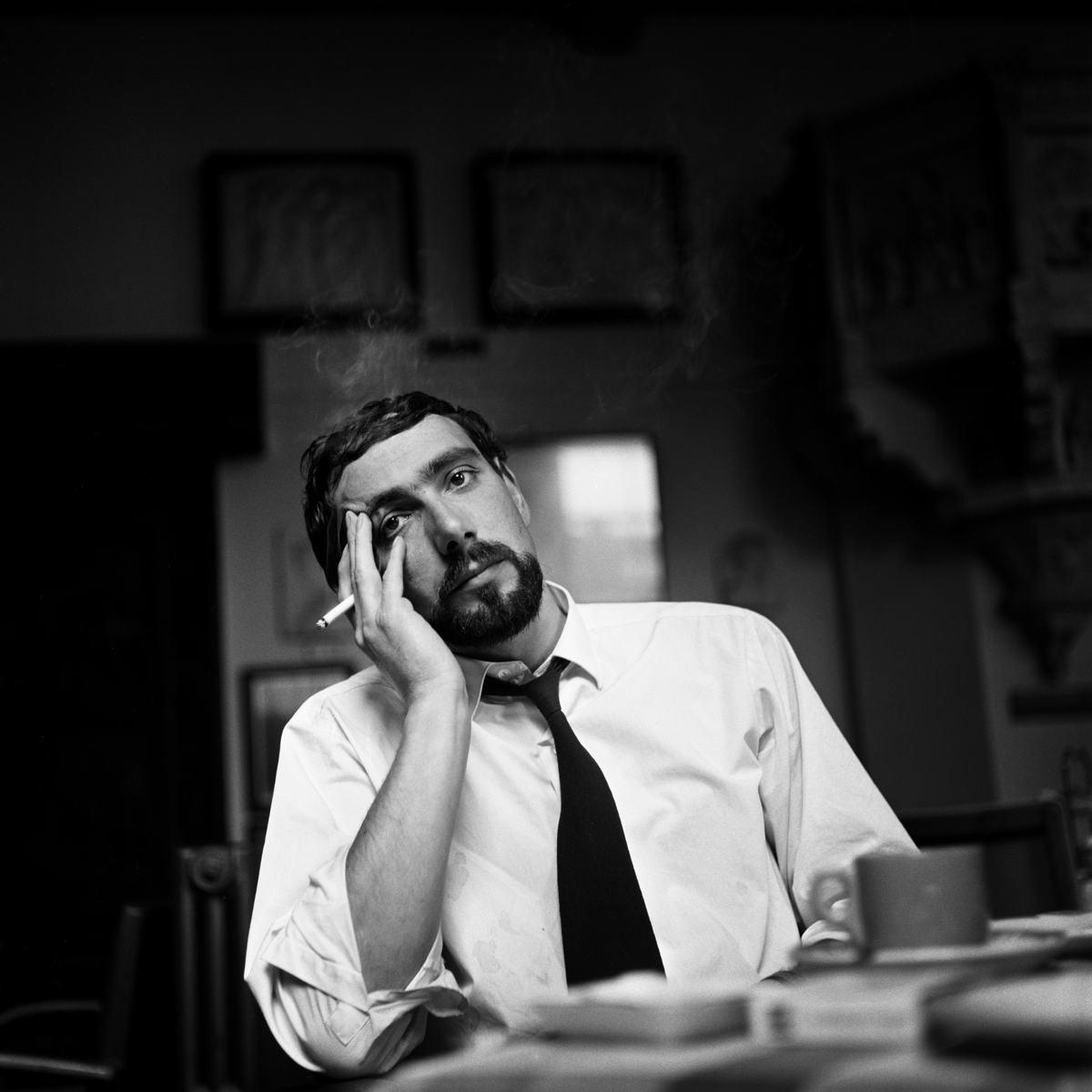
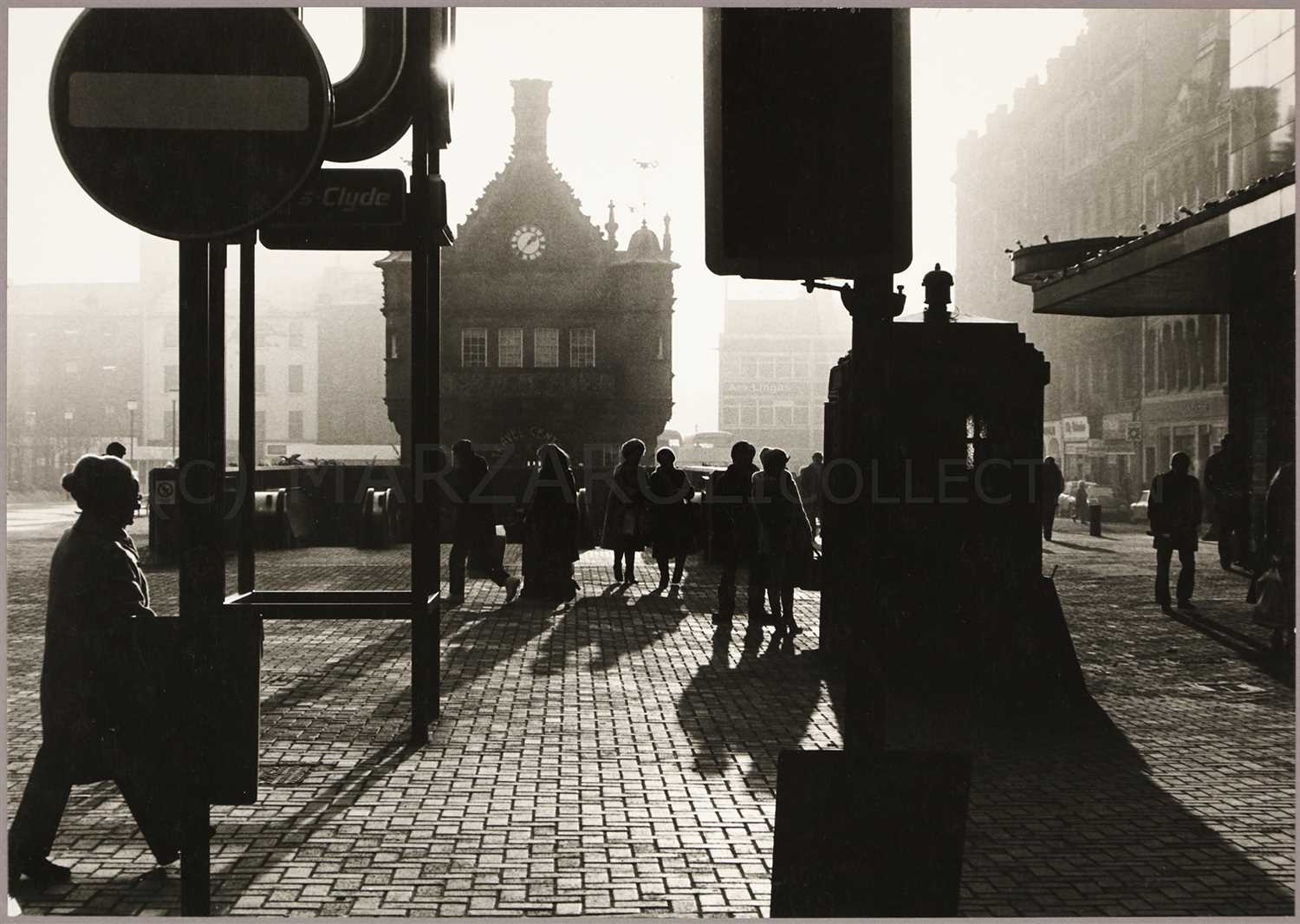

Oscar Marzaroli’s photography is the kind of work that makes me jealous because I wish I had done it, the hard light and hard shadows of Glasgow and how he captured Glasgow at that time.
Peter Degnan :
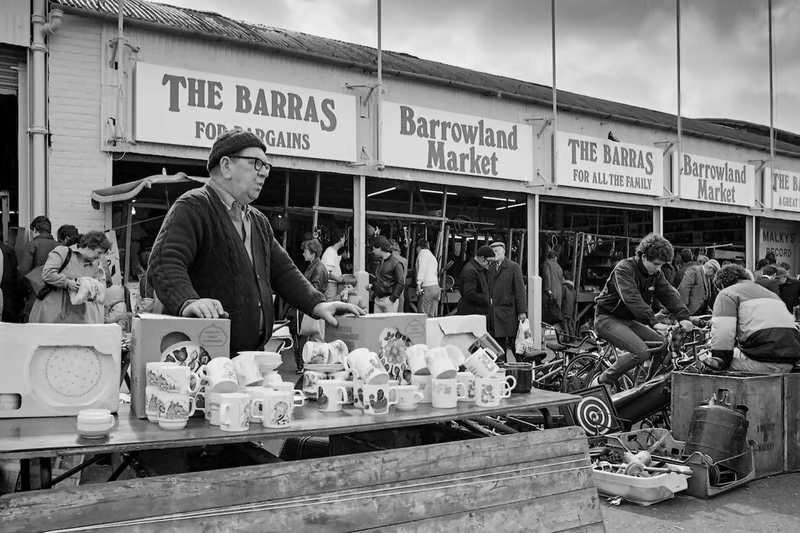

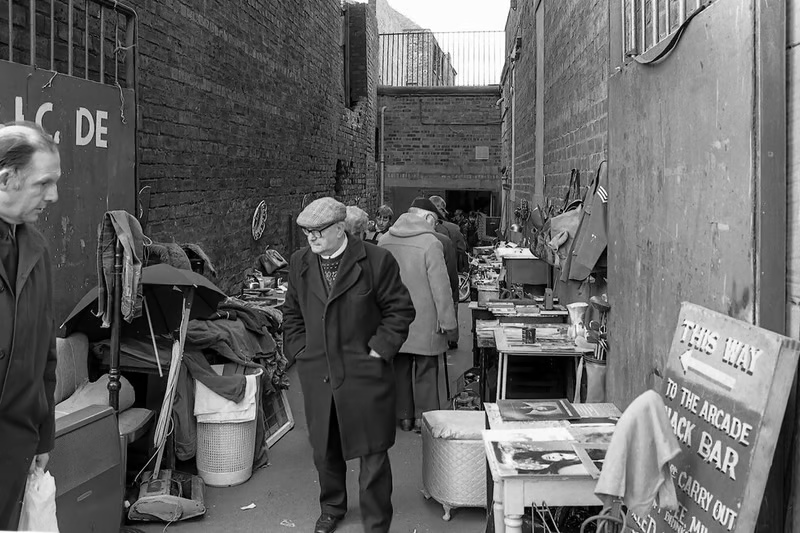
Peter Degnan’s photography of The Barras, in particular, caught my eye; it’s the amount of detail and storytelling clues in his shots that really draw me in.
Chat with Gillian:
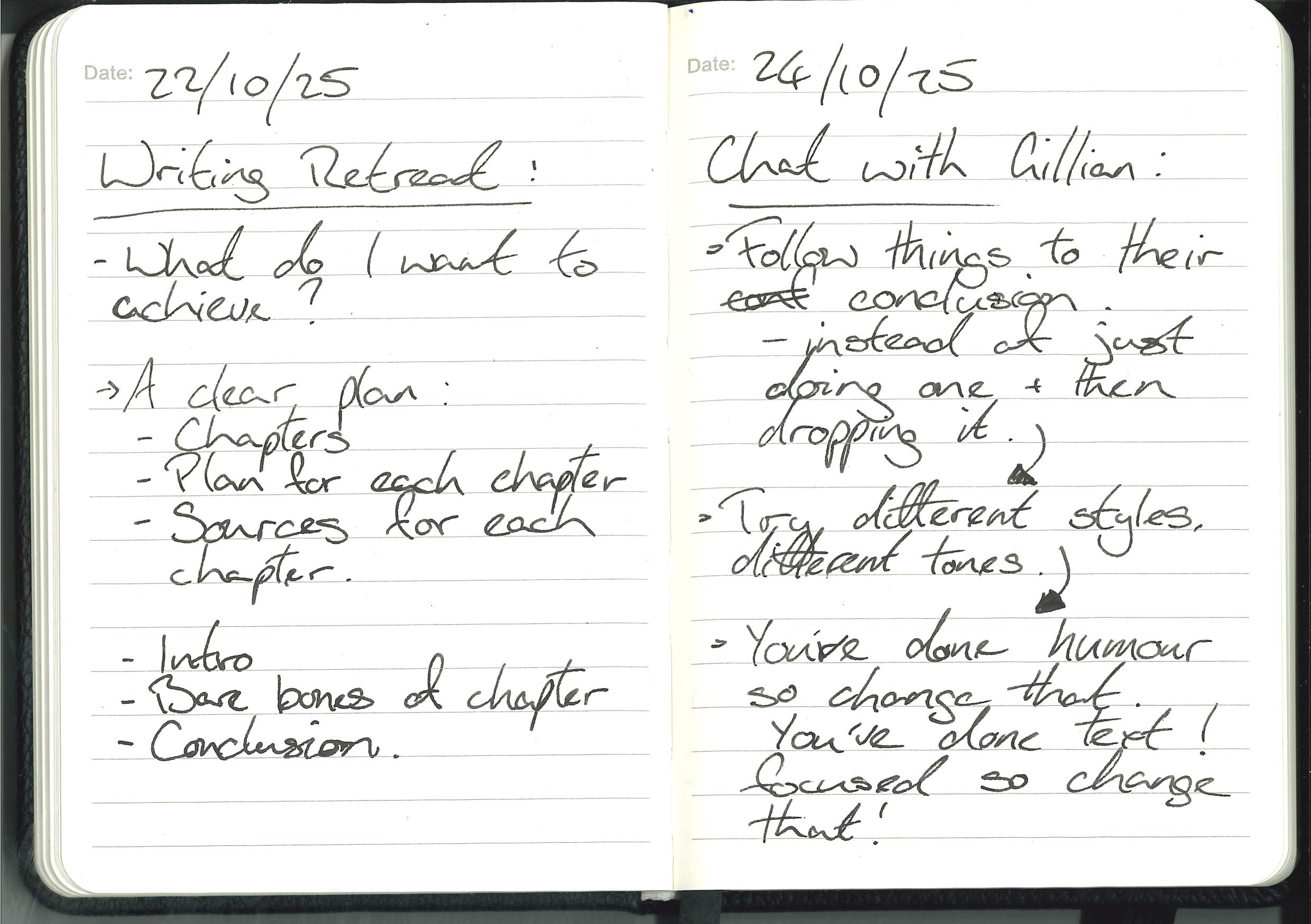
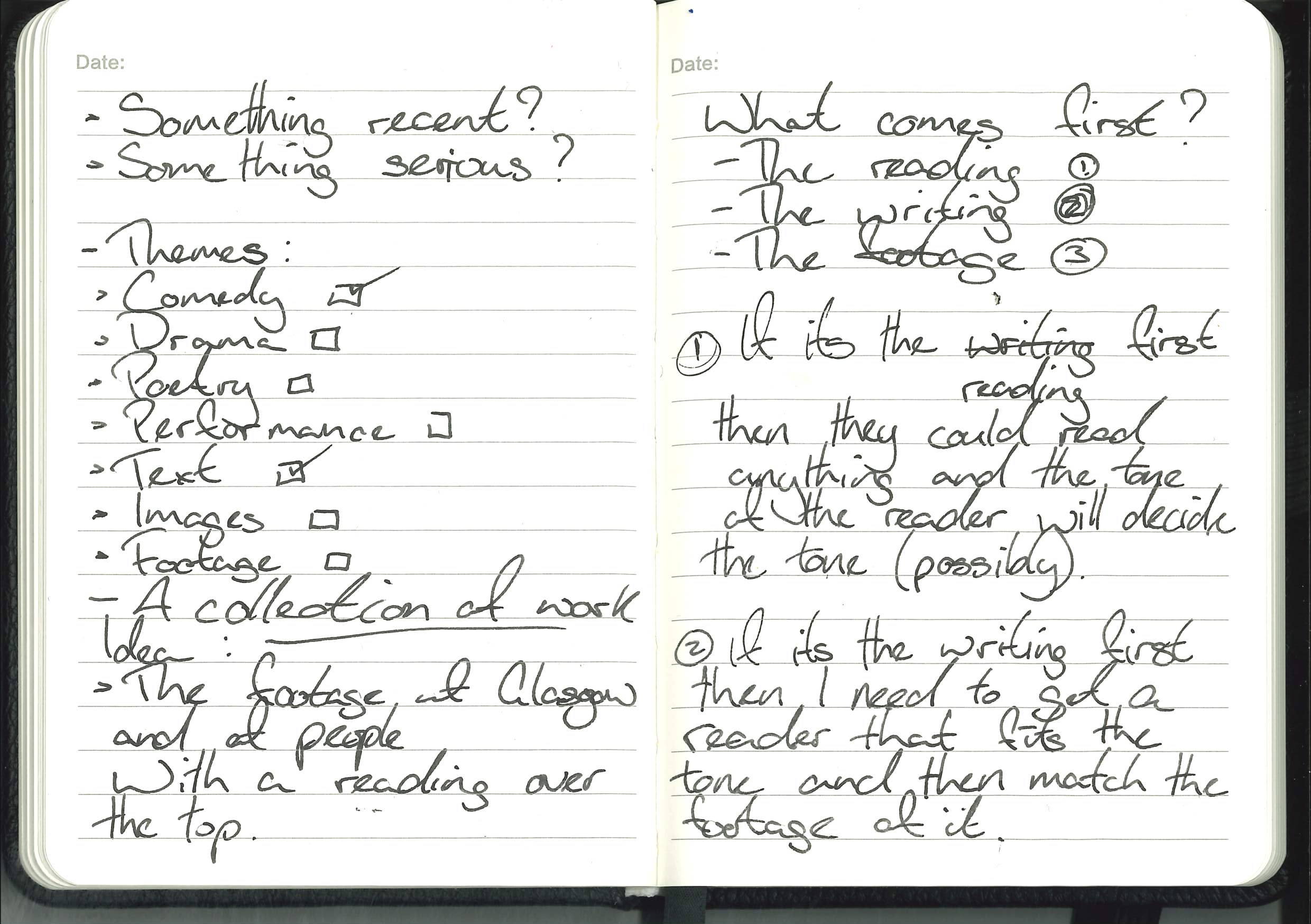


See things to their conclusion, don’t stop too early and move on to the next thing without exploring it fully.
With the typographic experimentation I had explored one tone, come reading from one poet and one style that fit those parameters, to analyse it thoroughly, I need to look into how different tones and different images add to the experience and the storytelling, how the harmonious relationship between audio, in whatever form, and the visuals tell the story.
Scottish Poetry:
Glasgow:
Sing, Poet, ’tis a merry world;
That cottage smoke is rolled and curled
In sport, that every moss
Is happy, every inch of soil;—
Before me runs a road of toil
With my grave cut across.
Sing, trailing showers and breezy downs —
I know the tragic hearts of towns.
City! I am true son of thine;
Ne’er dwelt I where great mornings shine
Around the bleating pens;
Ne’er by the rivulets I strayed,
And ne’er upon my childhood weighed
The silence of the glens.
Instead of shores where ocean beats,
I hear the ebb and flow of streets. …
Afar, one summer, I was borne;
Through golden vapours of the morn,
I heard the hills of sheep:
I trod with a wild ecstasy
The bright fringe of the living sea:
And on a ruined keep
I sat, and watched an endless plain
Blacken beneath the gloom of rain.
O fair the lightly sprinkled waste,
O’er which a laughing shower has raced!
O fair the April shoots!
O fair the woods on summer days,
While a blue hyacinthine haze
Is dreaming round the roots!
In thee, O city! I discern
Another beauty, sad and stern.
Draw thy fierce streams of blinding ore,
Smite on a thousand anvils, roar
Down to the harbour-bars;
Smoulder in smoky sunsets, flare
On rainy nights, while street and square
Lie empty to the stars.
From terrace proud to alley base,
I know thee as my mother’s face.
When sunset bathes thee in his gold,
In wreaths of bronze thy sides are rolled,
Thy smoke is dusty fire;
And from the glory round thee poured,
A sunbeam like an angel’s sword
Shivers upon a spire.
Thus have I watched thee, Terror! Dream!
While the blue Night crept up the stream…
But all these sights and sounds are strange;
Then wherefore from thee should I range?
Thou hast my kith and kin;
My childhood, youth, and manhood brave;
Thou hast that unforgotten grave
Within thy central din.
A sacredness of love and death
Dwells in thy noise and smoky breath.
It was so fine we lingered there for hours.
The long broad streets shone strongly after rain.
Sunset blinded the tremble of the crane
we watched from, dazed the heliport-towers.
The mile-high buildings flashed, flushed, greyed, went dark,
greyed, flushed, flashed, chameleons under flak
of cloud and sun. The last far thunder-sack
ripped and spilled its grumble. Ziggurat-stark,
a power-house reflected in the lead
of the old twilight river leapt alive
lit up at every window, and a boat
of students rowed past, slid from black to red
into the blaze. But where will they arrive
with all, boat, city, earth, like them, afloat?
As fast as Glasgow burned its theatres to the ground
it built them back again – we couldn’t do
without our plays and tunes, we need a dance
and song to keep us going. This gaff’s given us
the lot: couthie comics, rude rhymes, romance,
camp and catchphrase, flicks (with music), Ali Baba’s
thieves, diverse monsters (Mary Shelley’s, Columba’s),
wafting Rhine Maidens, our very own Marie Loftus,
a masked ball, a harlequinade, a circus,
Dan Leno’s Orlando Dando, Henry Irving,
and Sarah Bernhardt for one matinée only –
not to mention the sensational telly
(One O’Clock Gang still daft in the memory).
Whatever walls come down, go up, go round,
this magic box holds all, swirling, birling
in the waiting darkness the works shine through.
Out of this ugliness may come
some day, so beautiful a flower
that men will wonder at that hour,
remembering smoke and flowerless slum,
and ask ,
glimpsing the agony
of the slaves who wrestle to be free
‘But why were all the poets dumb?’
More Soul Searching:
What is at the heart of this? What is the soul of it?
During the weekend, I again had another breakthrough and a meaningful conversation. With Lexie, I discussed what I loved, but I didn’t really have an answer beyond design. I have always loved it, and I practice design thinking, streamlining interactions and processes even when I was working a retail job in Dunelm in Clydebank:
In the bulb section for years, it was a mess, no one could find out where the correct bulb was and staff couldn’t accurately count or stock these bulbs because of that mess, there was no system in place and anything that anyone tried over the years make technical sense because of the barcode on them or the stock levels and how often the had to be restocked but they didn’t consider how people actually thought, so inspired by all those design books I read, Don Norman obviously, I designed a system that within groups of fittings, from left to right, as we read in the west, went from smallest wattage to largest and then again from left to right prioritised the most common light temperature to the least (warm to cool). The customer could come up and, by process of elimination, identify the type of fitting, the wattage they needed, and the colour of light they wanted.
Why am I waxing on about how proud I am of the design of this bulb selection in a retail store that I don’t even work at anymore? Because I loved doing it, and I loved how much easier and simpler it made a small section of people’s lives — and yes, the store’s employees were very thankful —but no customer considered what system was in place or who had done it.
Design is the heart of it.
And with the soul, when I was younger, I didn’t really have much nostalgia for anything, as all young children of that age do. Still, when I was a teenager, I think at 16, just before my exams, I had a house fire and a lot of the things from my childhood, memories, heirlooms from people that had passed went up in flames due to a poorly designed old extractor fan in the toilet, it had went through the walls and up into the the loft and anything the fire didn’t get the water damage from the firefighters seen to it. I didn’t think it had affected me, but to this day, that smell puts me on edge. But not until recently did I realise that, after that, I long for the things I took for granted; I collect things; I don’t throw out things I should; I put so much importance on the objects in our lives and on the objects that people give us or leave to us. And the added fuel to the fire, horrible pun, my memory is horrible until I have something that triggers those memories, a sight, a smell, the texture of an object in my hand. To remember the things I’ve done and the people in my life, I have objects that transport me back to those moments in perfect detail.
The soul of it is the objects and heirlooms that remind me of my life and the people, places, and experiences in it.
I was distancing myself beforehand, but I should embrace it.
Show and Tell Feedback:
Show & Tell 21.10.25
This is a good start. You reflected on previous work to find a direction for YR4. Although a bit unfocused to start, you have found your topic: museum exhibitions, storytelling engagement, and communication. ‘Museology’ is a cross-disciplinary field within cultural heritage and museums that has become more visitor-focused in its communication of cultural and scientific heritage. Visitors now expect interactive media, immersive installations and themed galleries to bring heritage/history to life.
You have already carried out some research in this field, but perhaps you could be more forensic about what each company you’ve researched does well. This may help you identify how to bring this to your own work, e.g., film, motion sensing, interaction, 2D animation, etc.
You have decided to use the town of Clydebank (its stories, history, and people) to build your project. The town has rich historical resources, objects and a wider thematic context.
Write yourself a ‘Digital Exhibit Brief’ for this project — specify a venue (e.g. a gallery in the V&A Dundee or Burrell) and/or format. You should include details on the work’s proposed materials, scale, and technical requirements. This would provide you with a framework for your creative response. You intend to make a collection of objects that tell the story of your chosen theme (Clydebank, Shipbuilding in Clydebank, Singer, etc.). You then decide what shape this takes.
Links:
Inese Verebe — https://ineseverebeixd.wordpress.com/year-4/
Matthew Trainer — https://readymag.website/u2746679248/mattrose/
Seep Exhibition, Reid Gallery — https://www.instagram.com/p/DP3gbJaiIBM/
Action for next Show & Tell:
- Continue to add to your Learning Journal. Consider categorisation, perhaps use Weeks – Week1-2, Week 3-4, etc. or months. Perhaps add subheadings to identify changes in direction/additional topics, artist influences, technical developments, etc.
- Write yourself a brief.
- Create 2 or 3 studies using your preferred medium, 2D animation, photography, AR, or interaction. Push each of the studies as far as you can and see where that takes you before moving on to the next
Tagging along to the Archives :
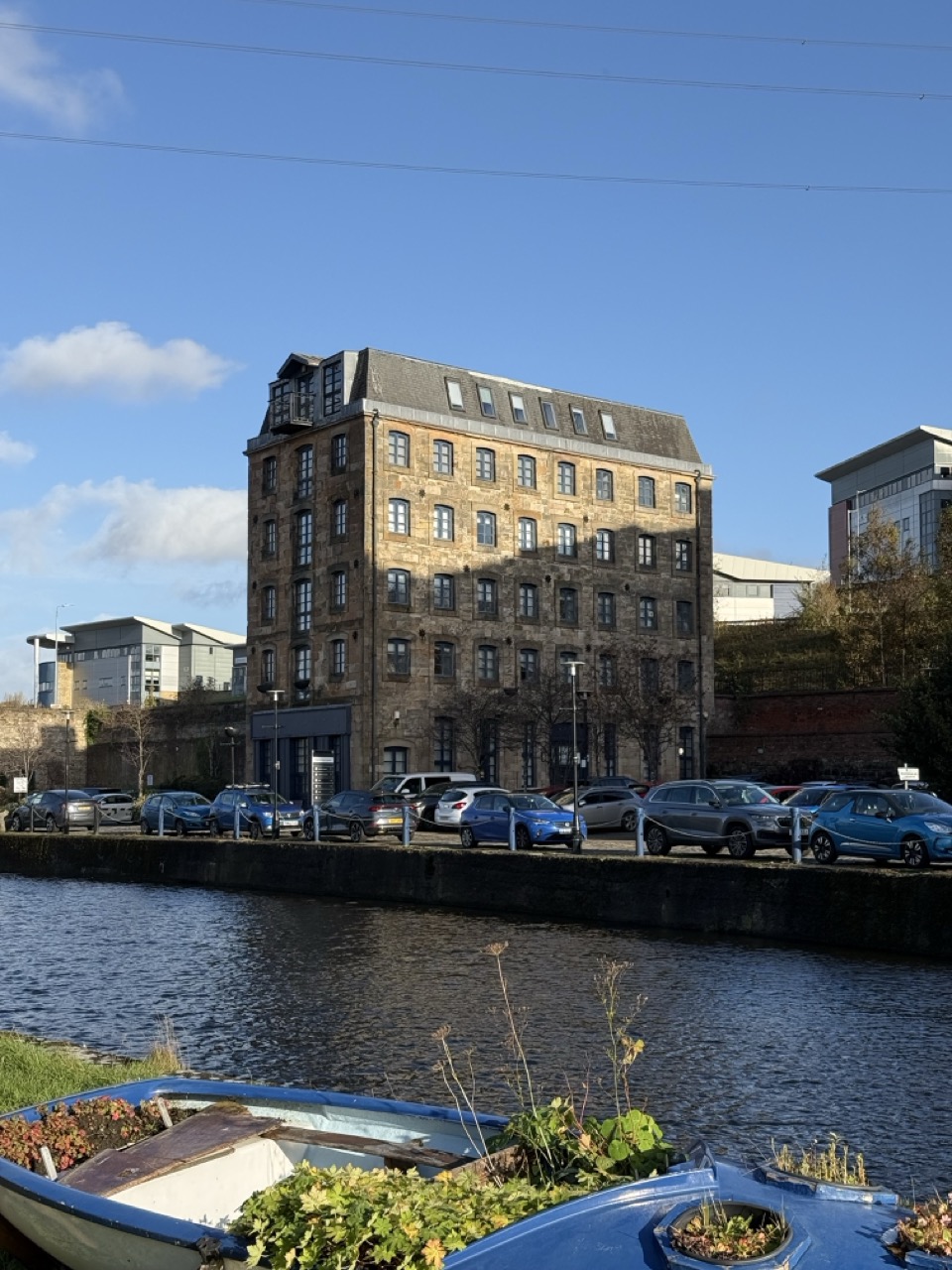
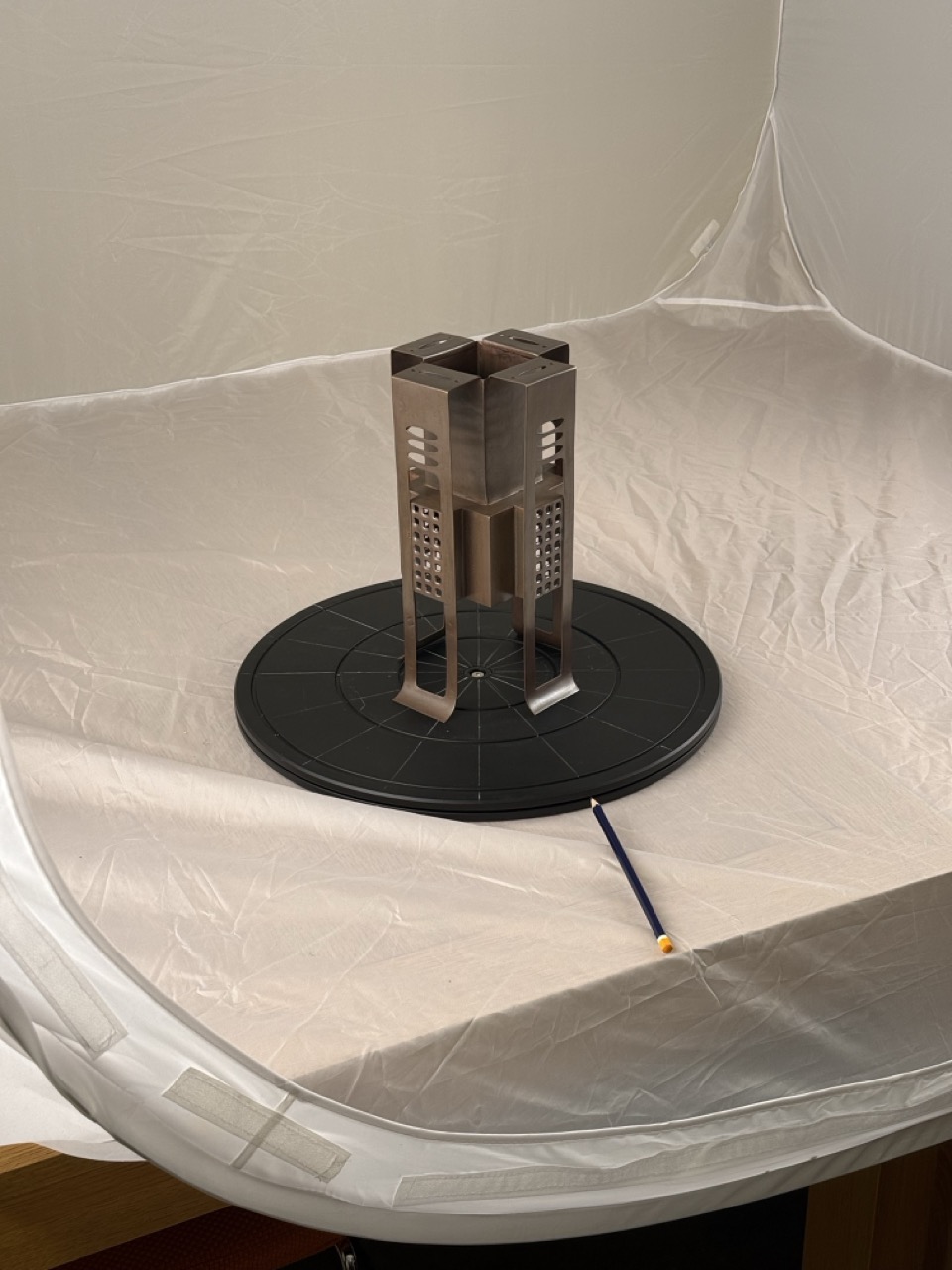

I emailed the archives and heard nothing back, so when I heard that Sean and Lexie were going to meet Neil to do some scanning of their object for their project, I tagged along on the off chance that I would gain some knowledge and as well as learning more about how to scan in objects and stitching together the photographed images, I also got into contact with Katie In the archives that was so helpful and that if I needed anything or had any question to contact her.
So not a waste of time at all.
Jeremy Sutton-Hibbert:
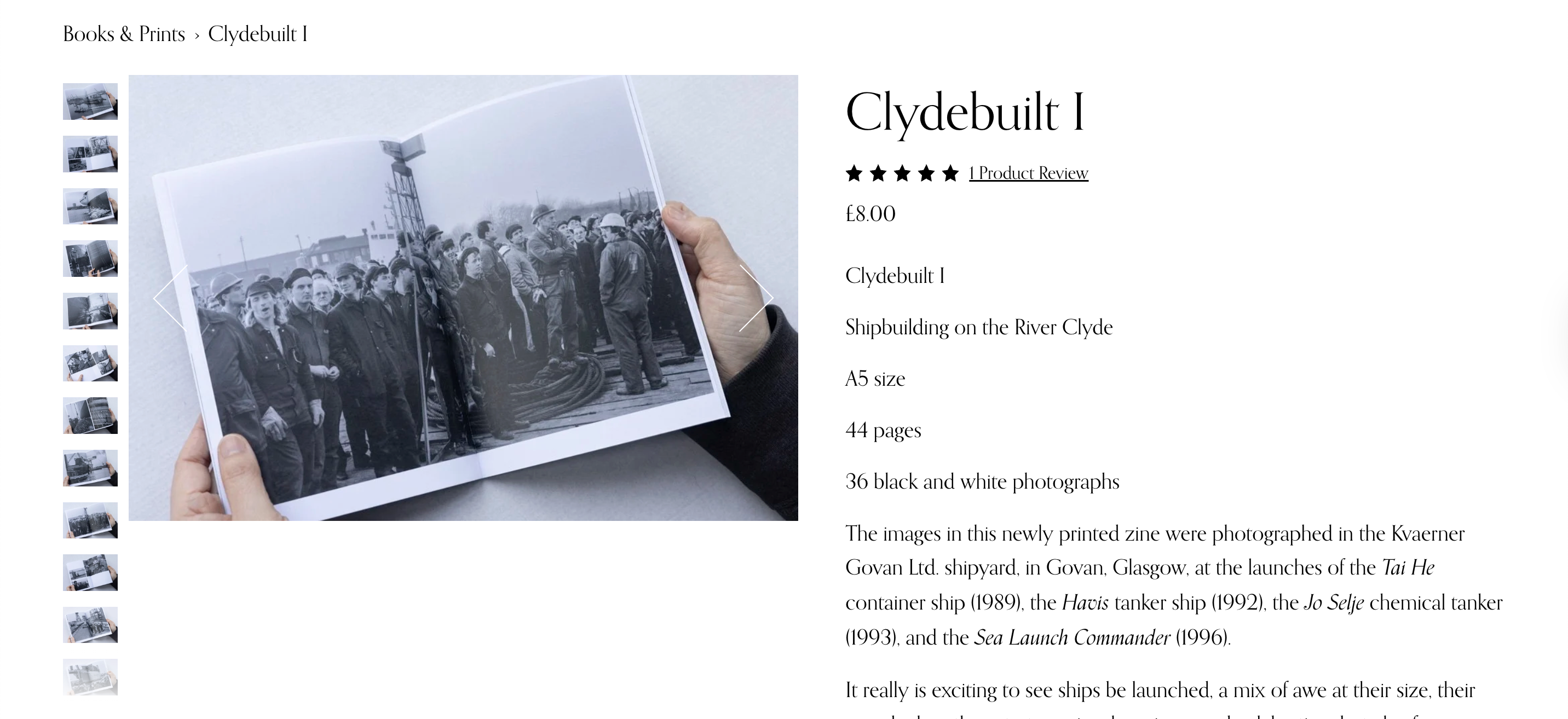
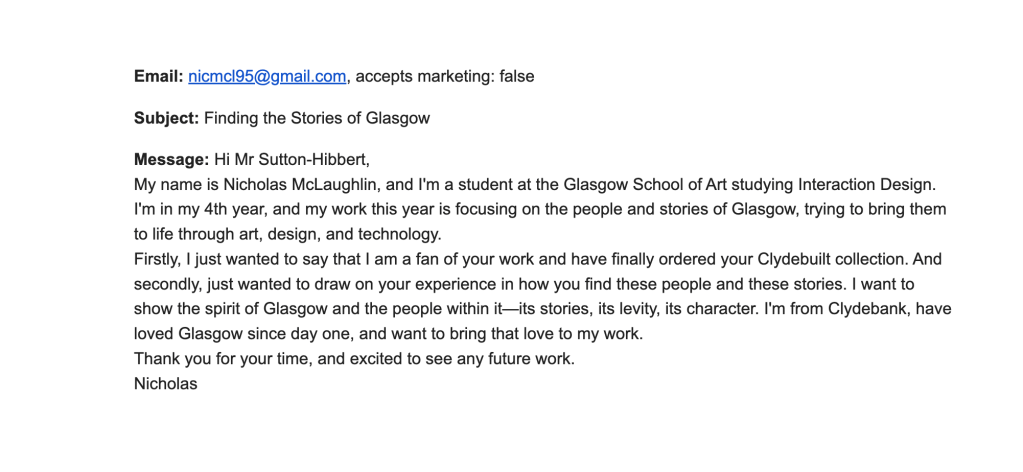
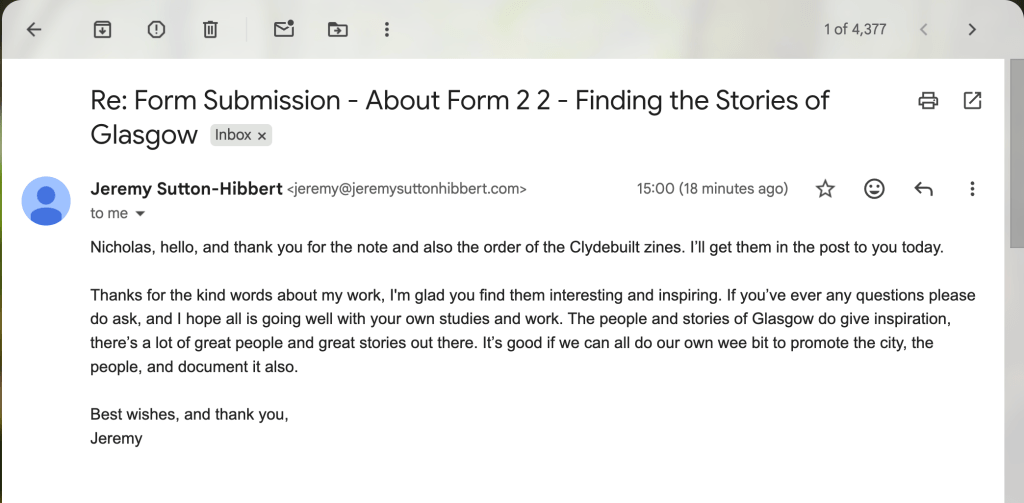
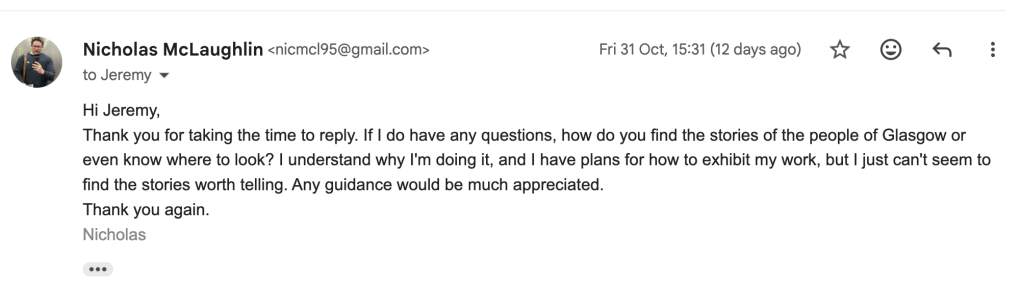
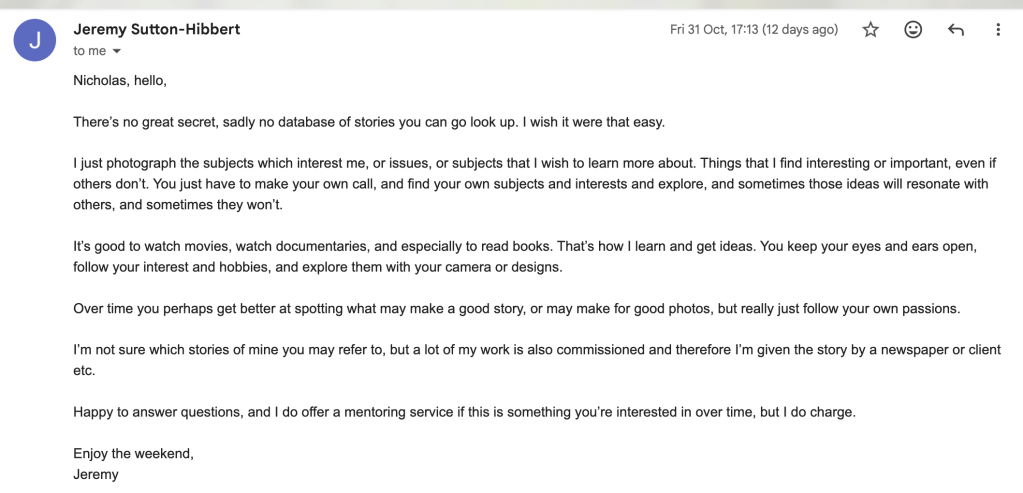
Initially, one of my photographic inspirations, Sutton Hibbert’s, was so appealing that I ordered a 3-set of his photography zines and also contacted him on the off chance to seek guidance, and he very promptly responded.


Reflection – 8th May 2026:
Before handing in, I want to look back at the whole project and reflect on each step of the process now with the hindsight that I have at the hand in date:
Looking through weeks 5 & 6, I can see the passion for others’ work and the throughline of Scotland and Scottishness within my work and inspiration, as well as my love and appreciation for photography and how that has then gone on to influence me and my creative decisions, as seen in my selection of Robert Trotter and his photography work in Glasgow.


Leave a Reply