Process
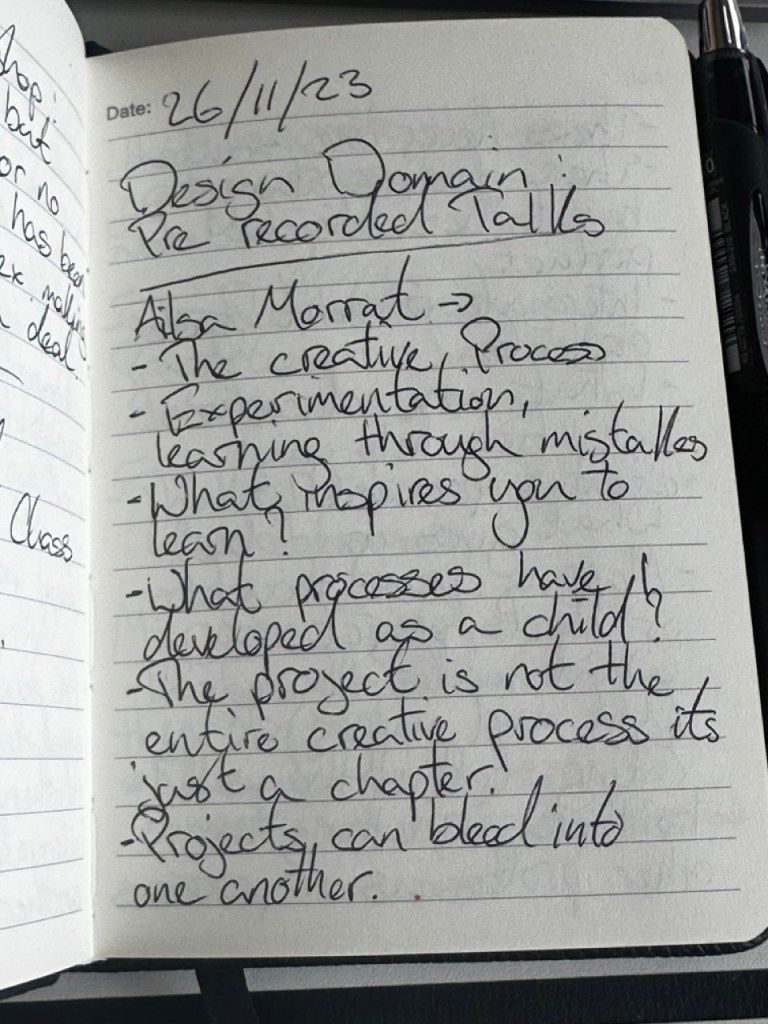
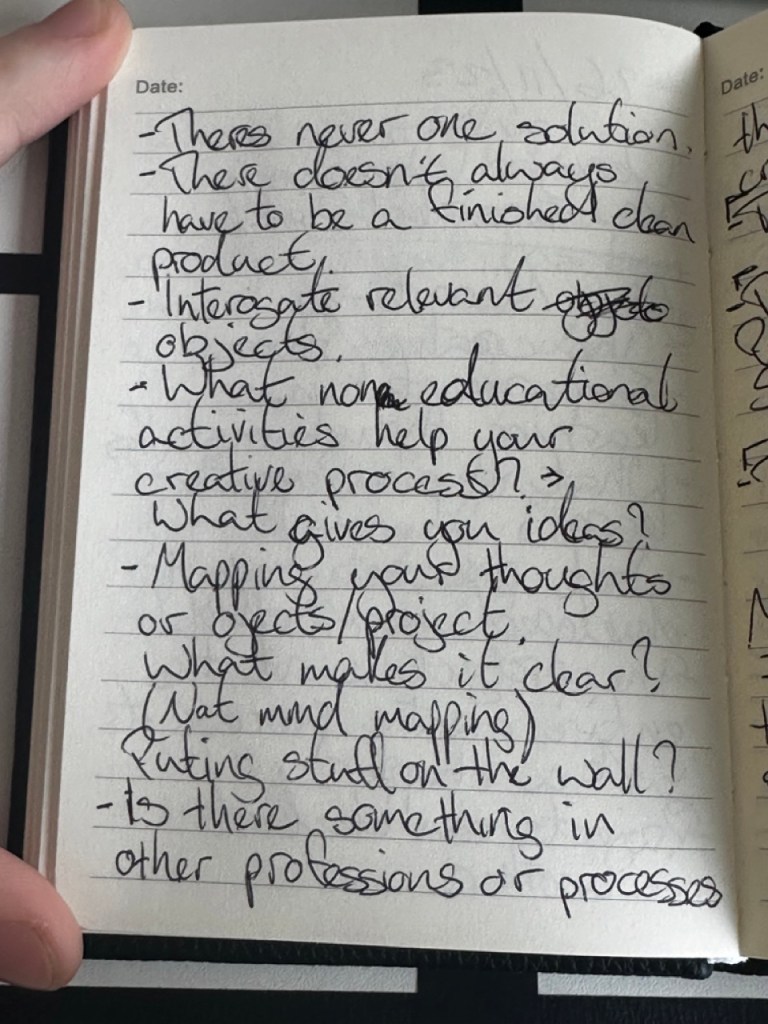
PRE RECORDED TALKS:


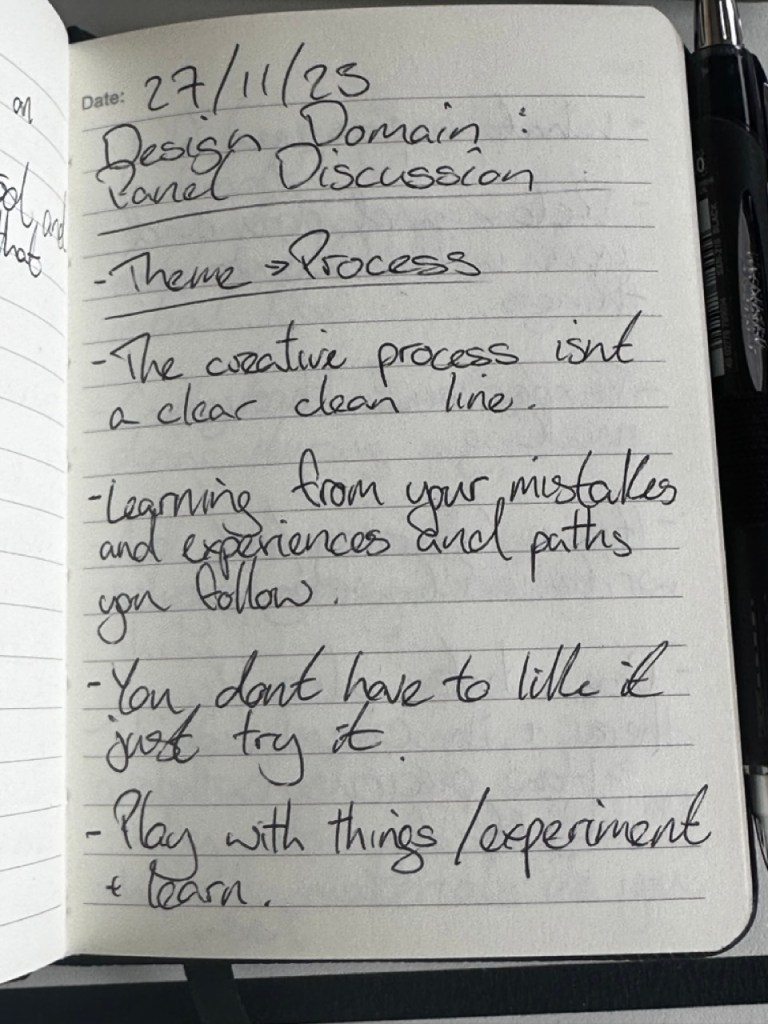
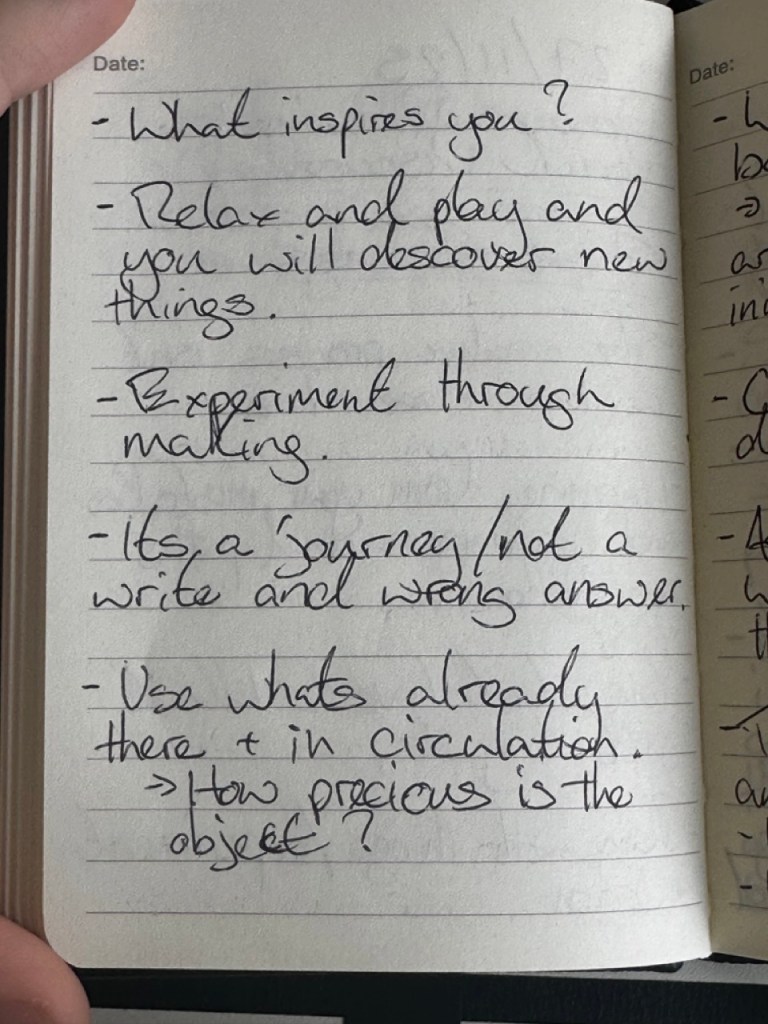
PANEL DISCUSSION:
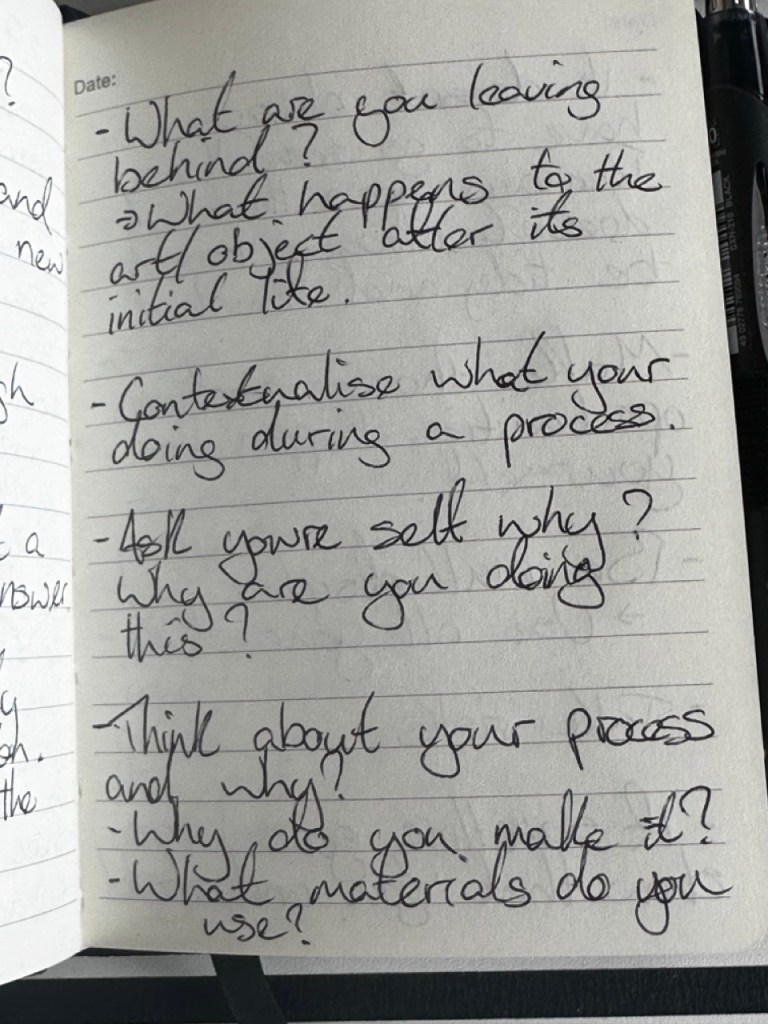
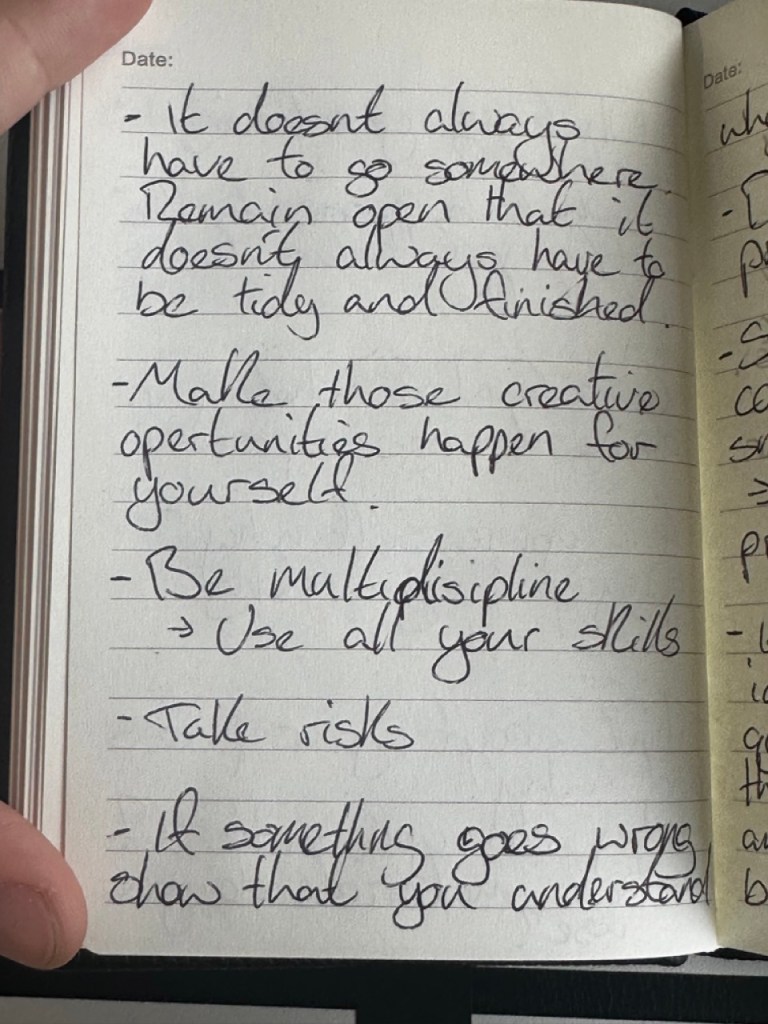

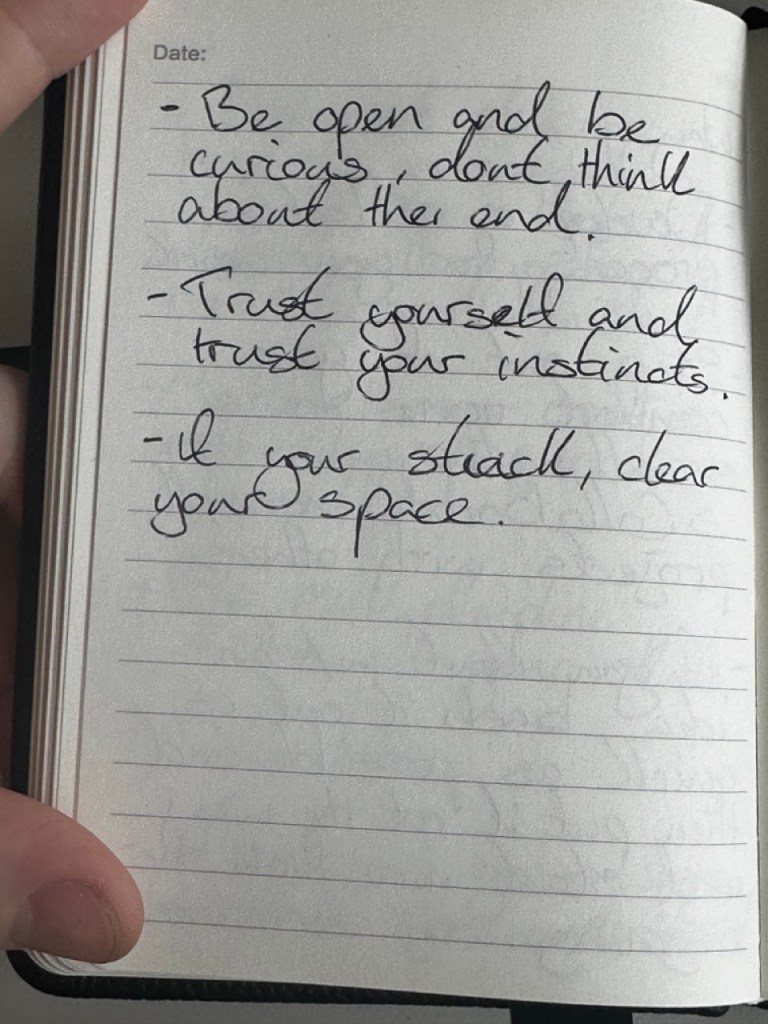
INITIAL IDEAS:

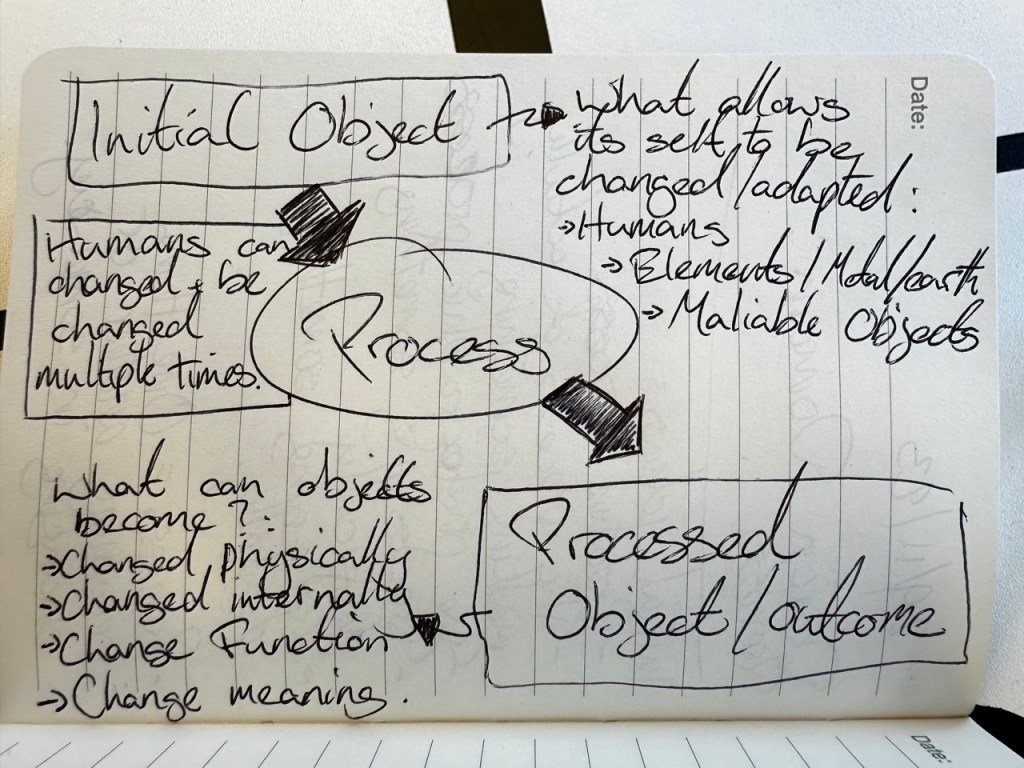
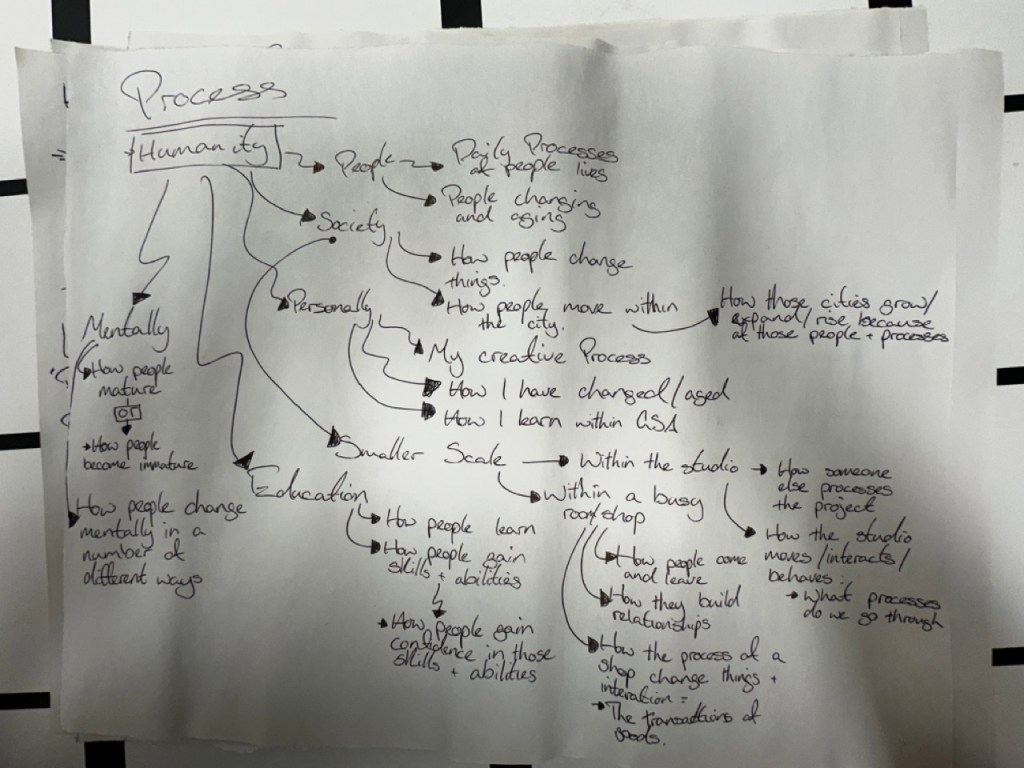
When starting my initial ideas and creative process, I kept the theme of process in mind. Honestly, I read and wrote it so much that it was beginning to lose meaning.
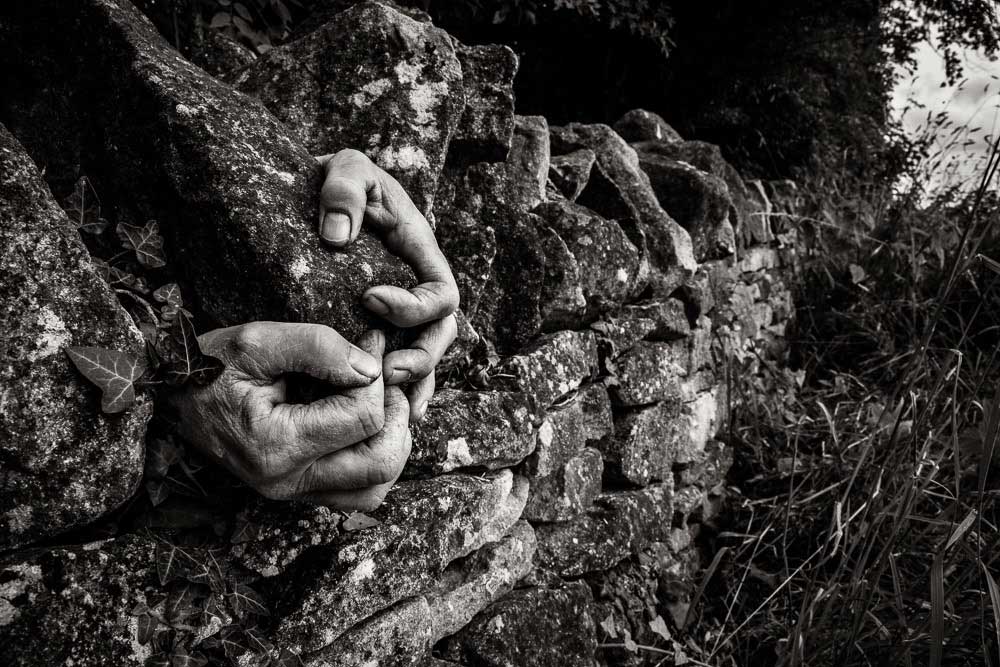
When I considered the theme process, two things kept coming back to me: the process of ageing and the number of processes used in photography.
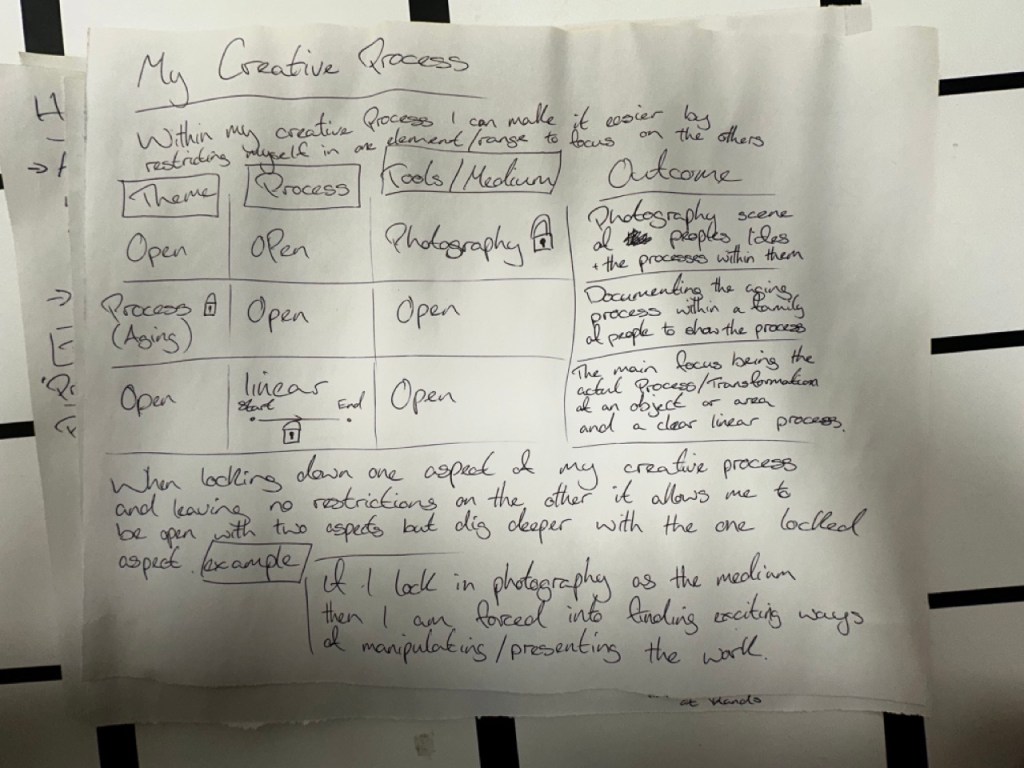
But as I was trying to not do what I always do, I didn’t want to lock in the first idea I had.
MY CREATIVE PROCESS:
ACCIDENTAL BEGINNING:
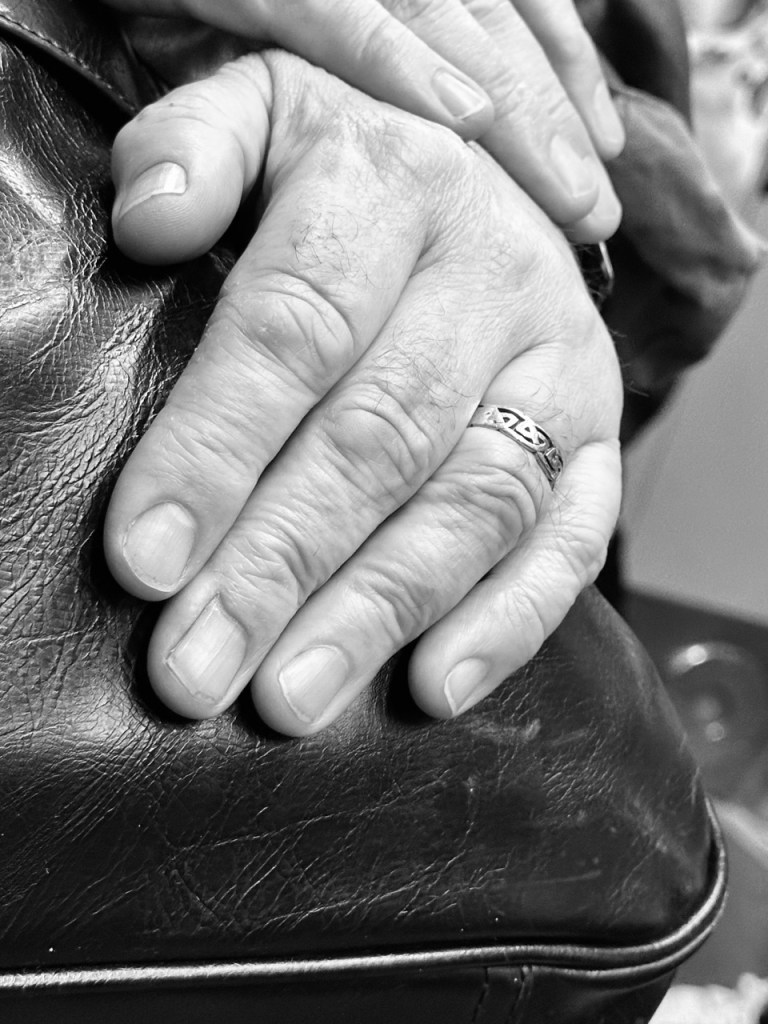
When discussing the idea of documenting progress in peoples hands I remembered that during a drunk train ride home I took the picture of the stranger sitting opposite me.
I could tell so much from one picture of his hand and the situation it was in.
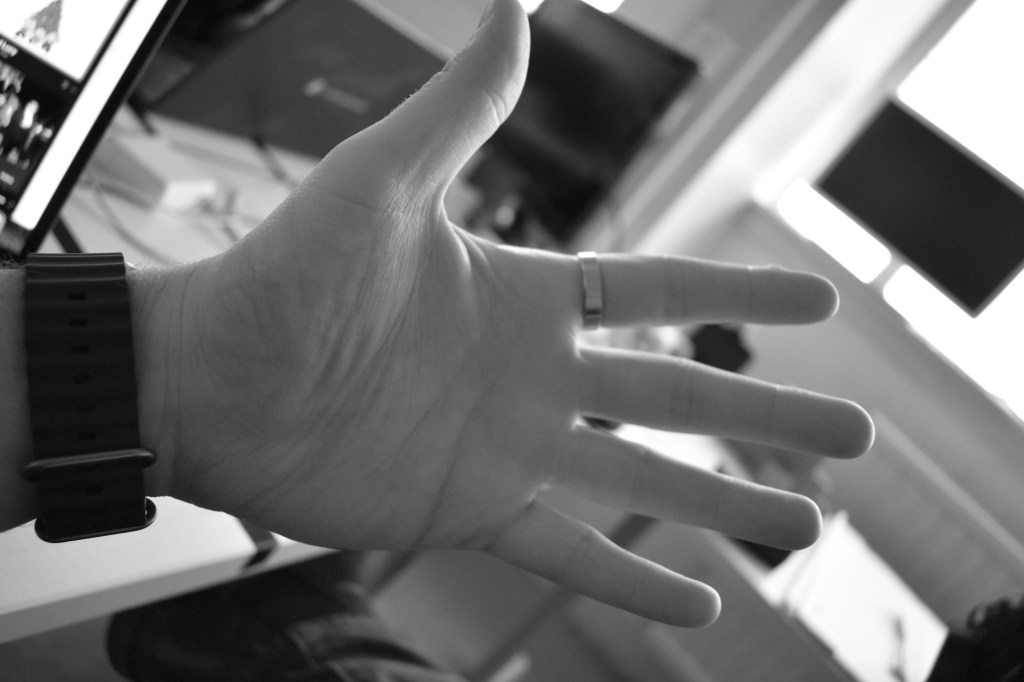
HAND TEST ONE:
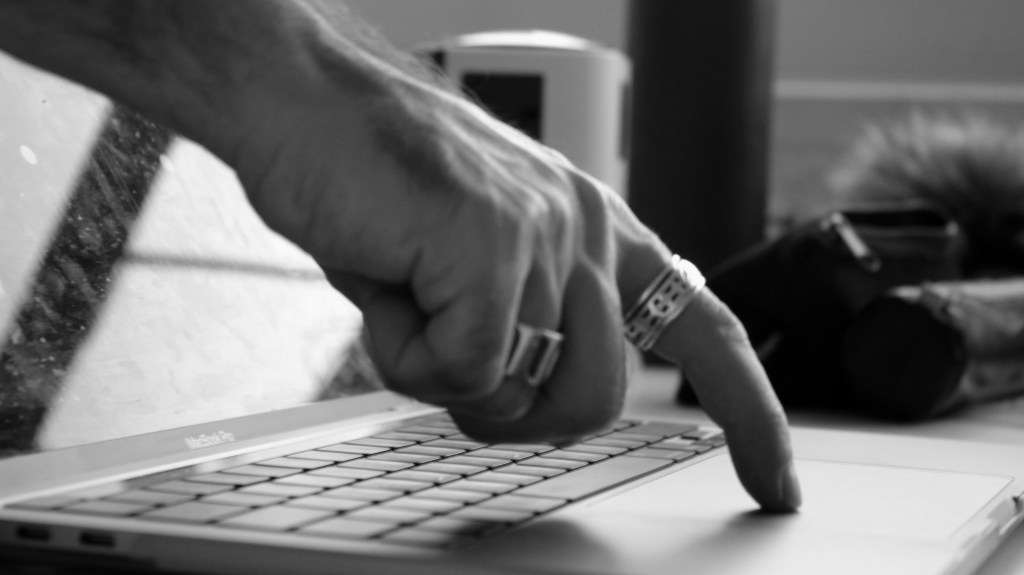
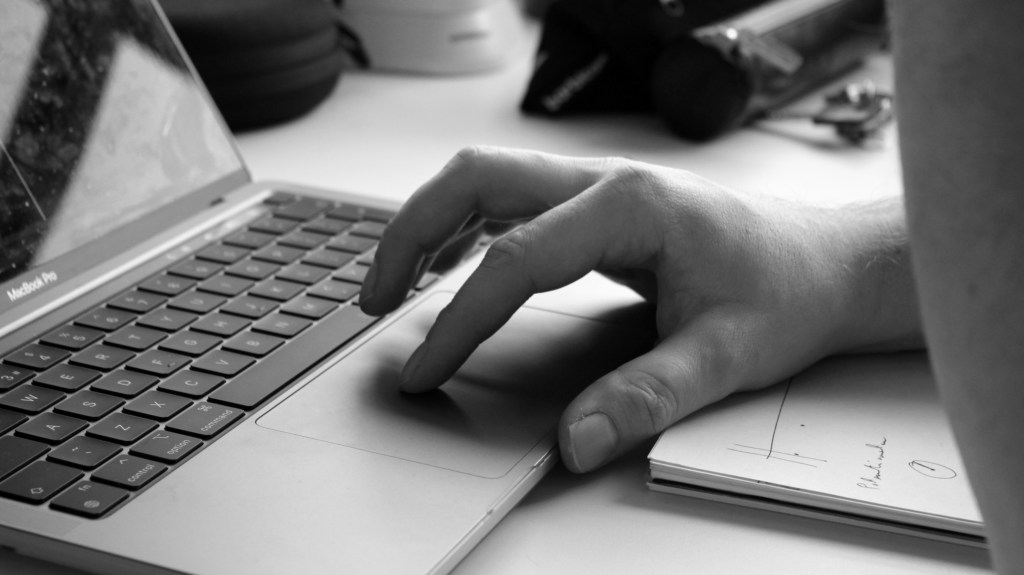
RESEARCH:
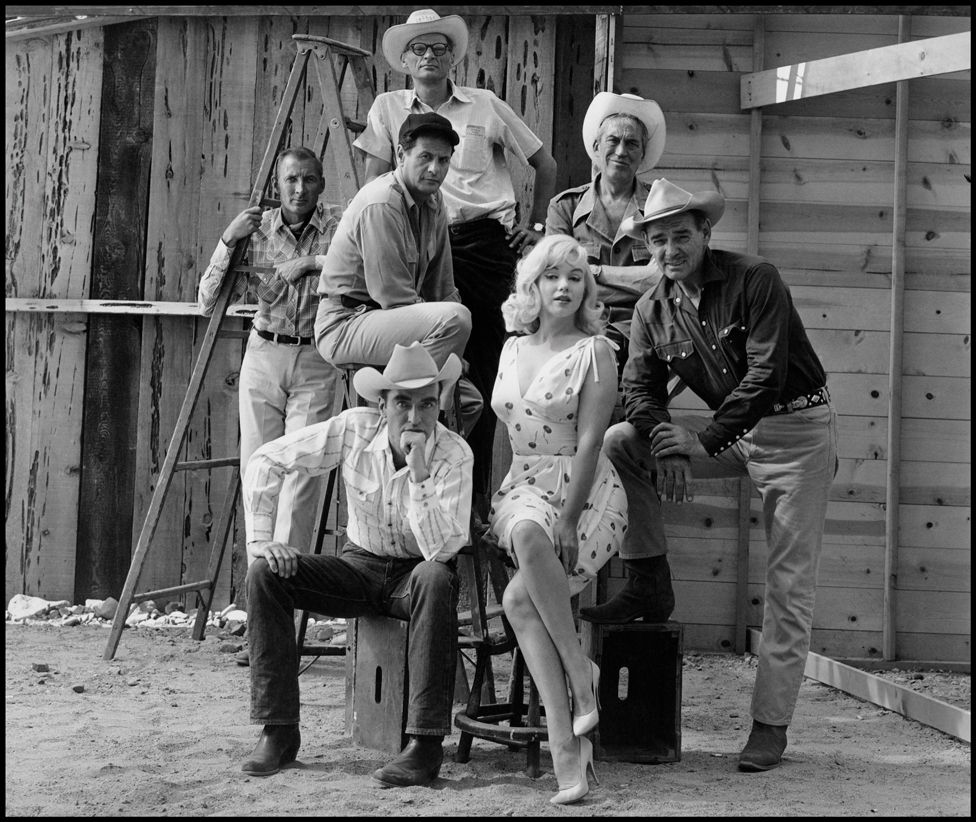
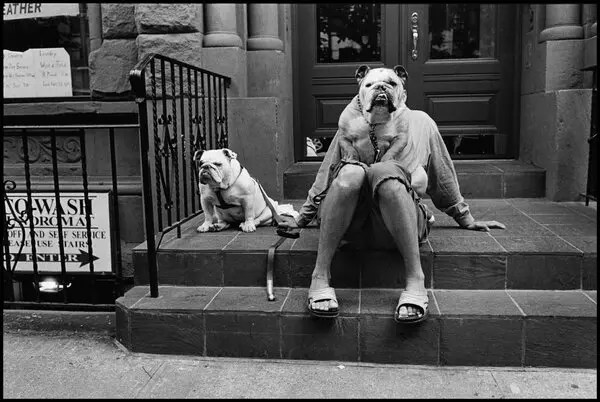
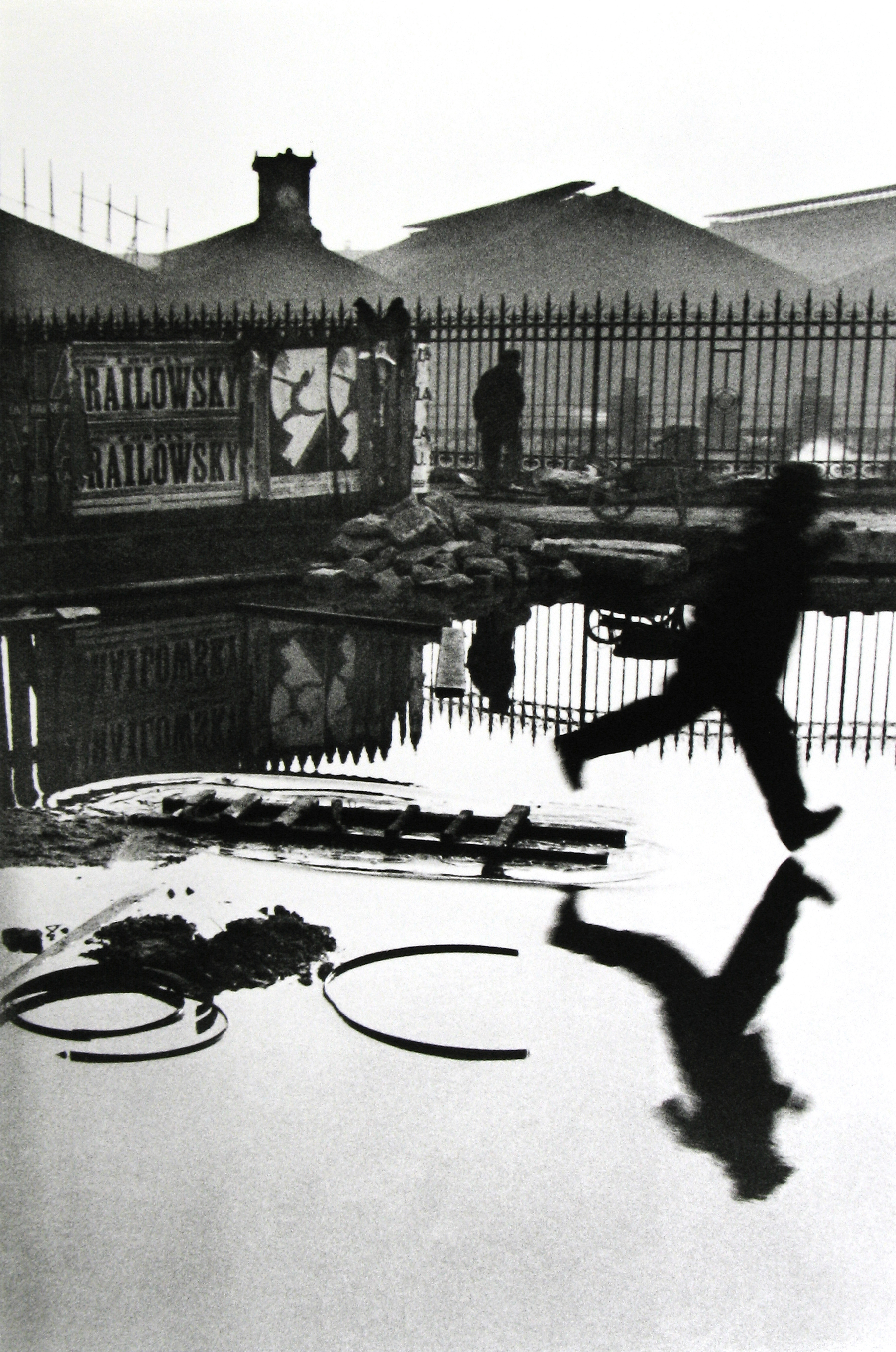
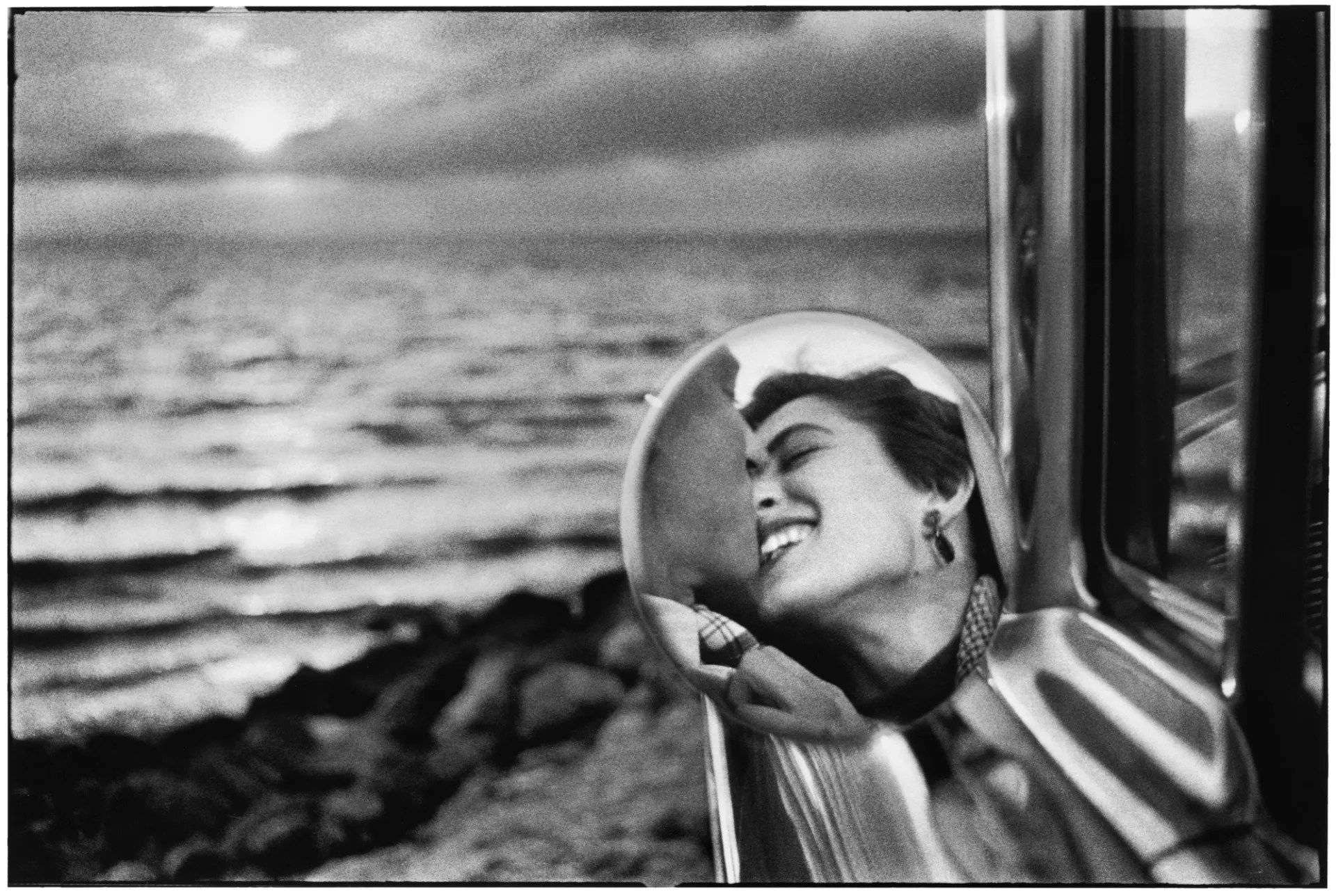
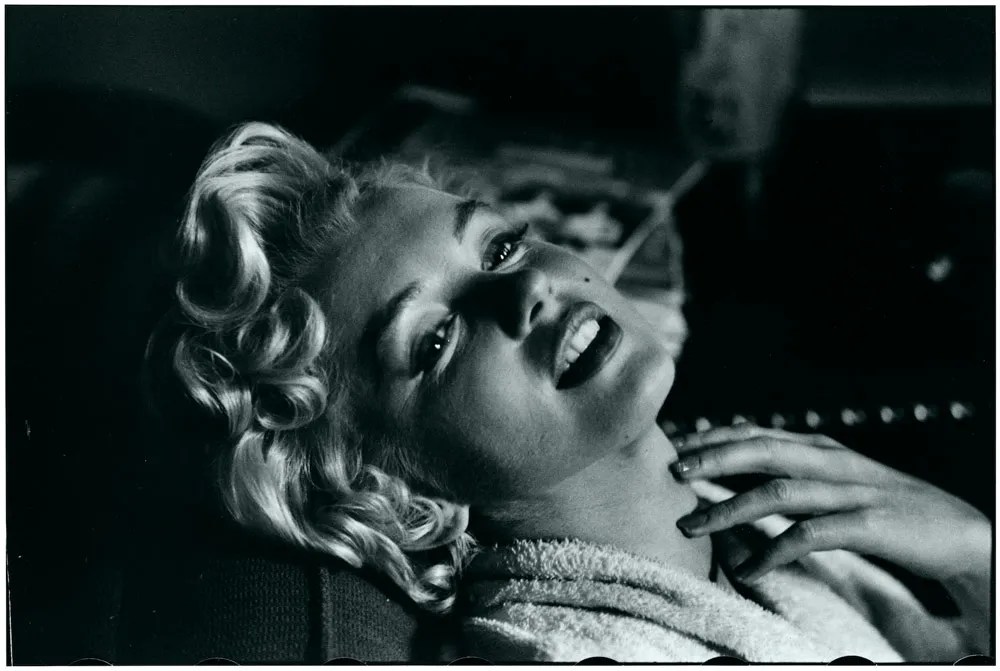
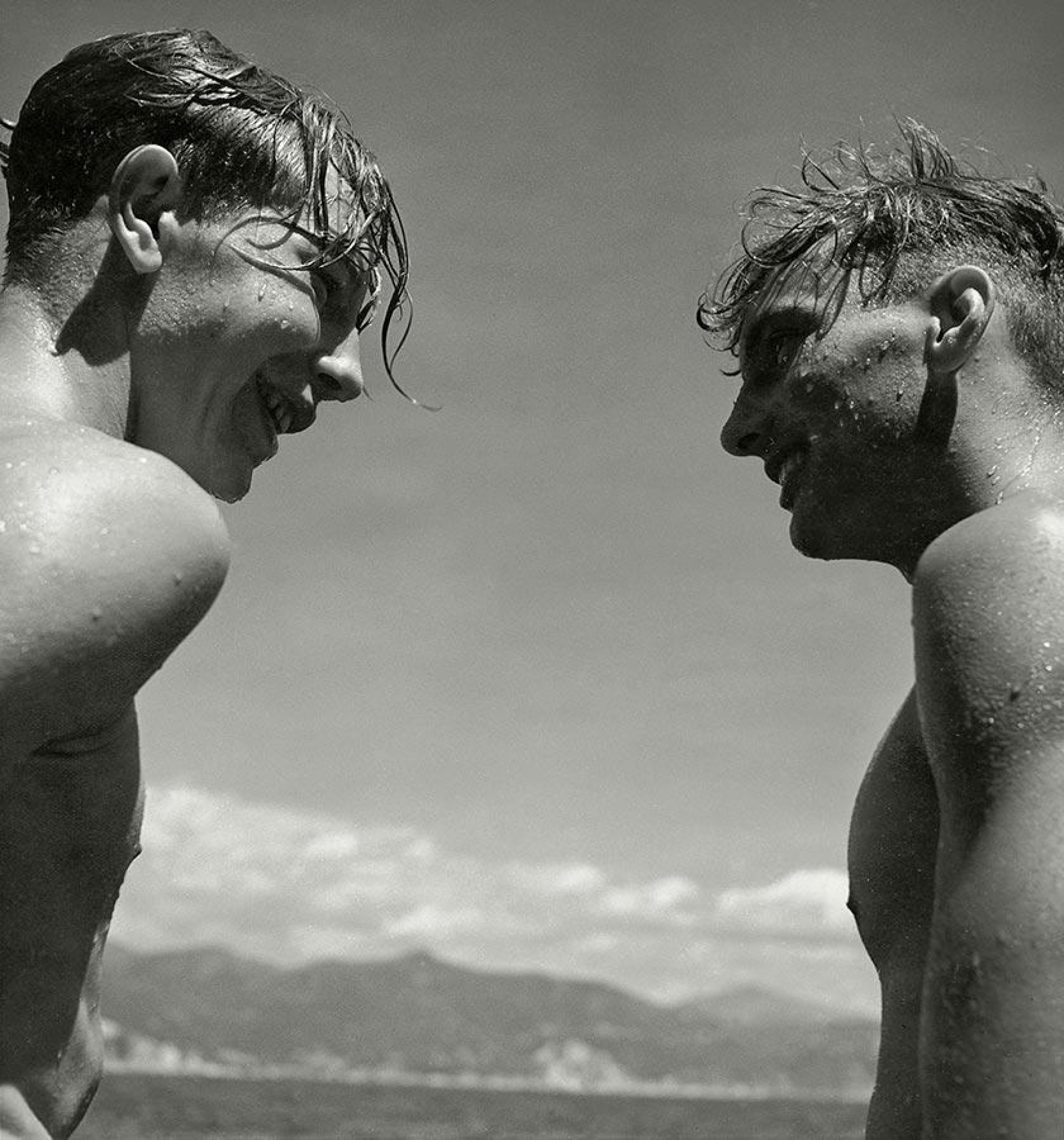
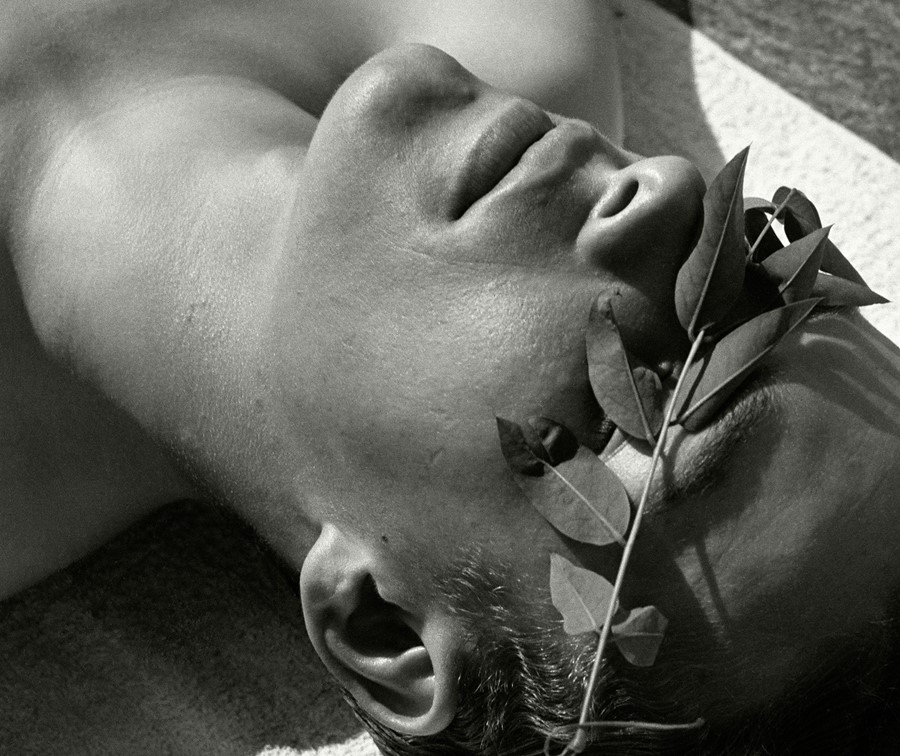
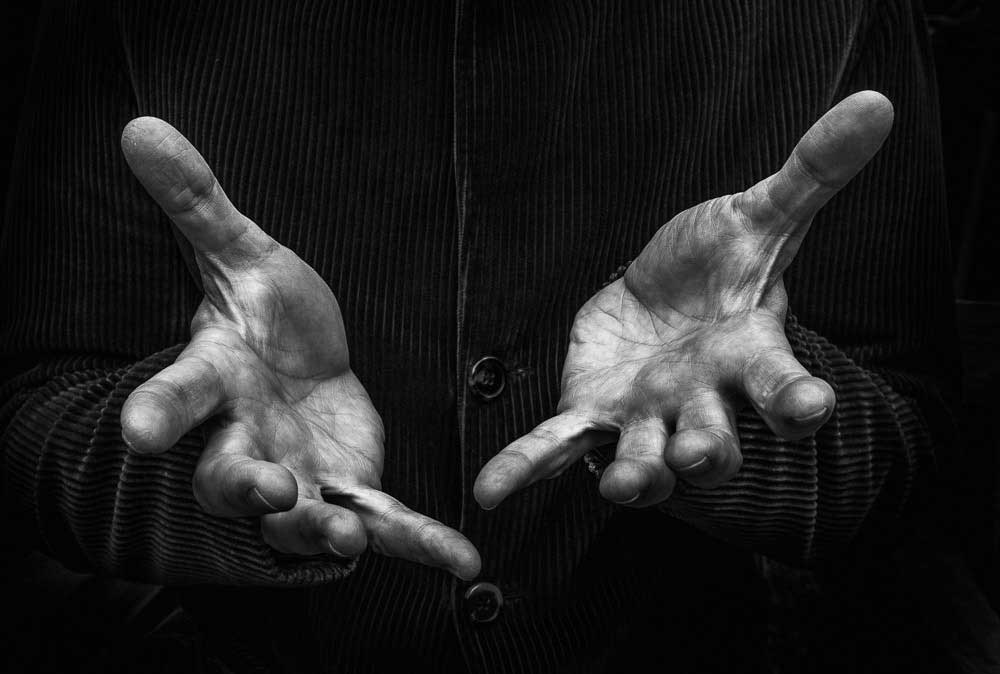
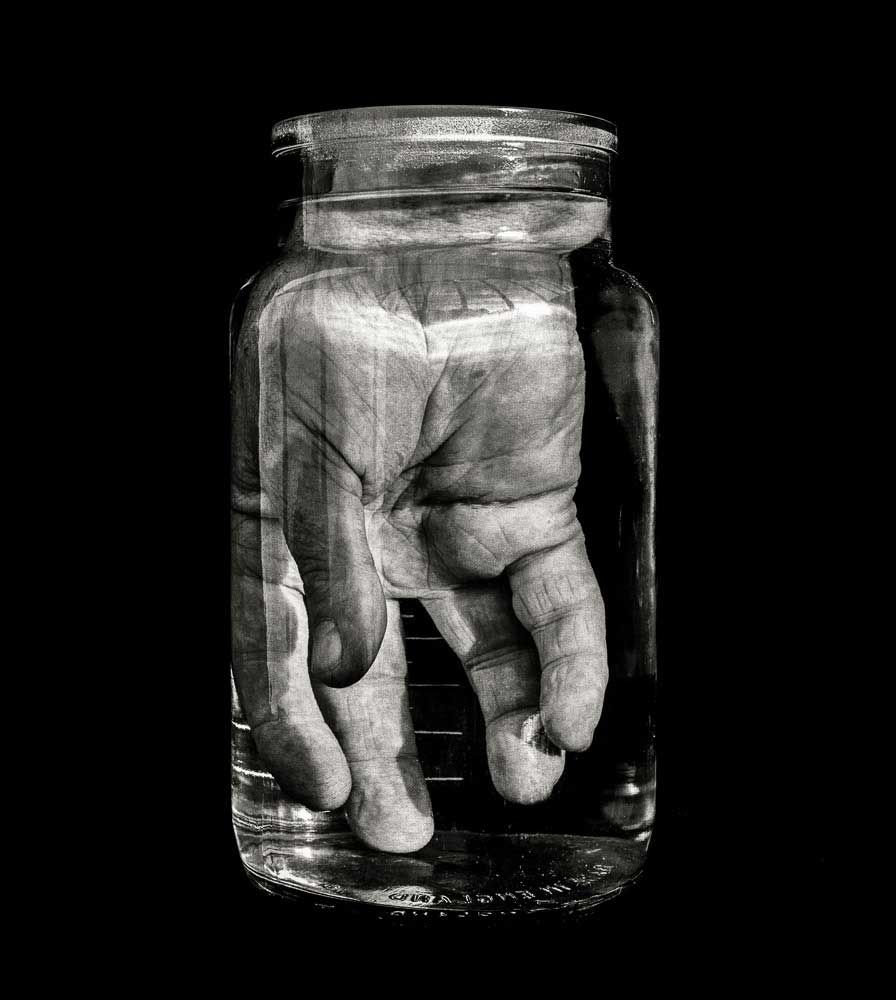
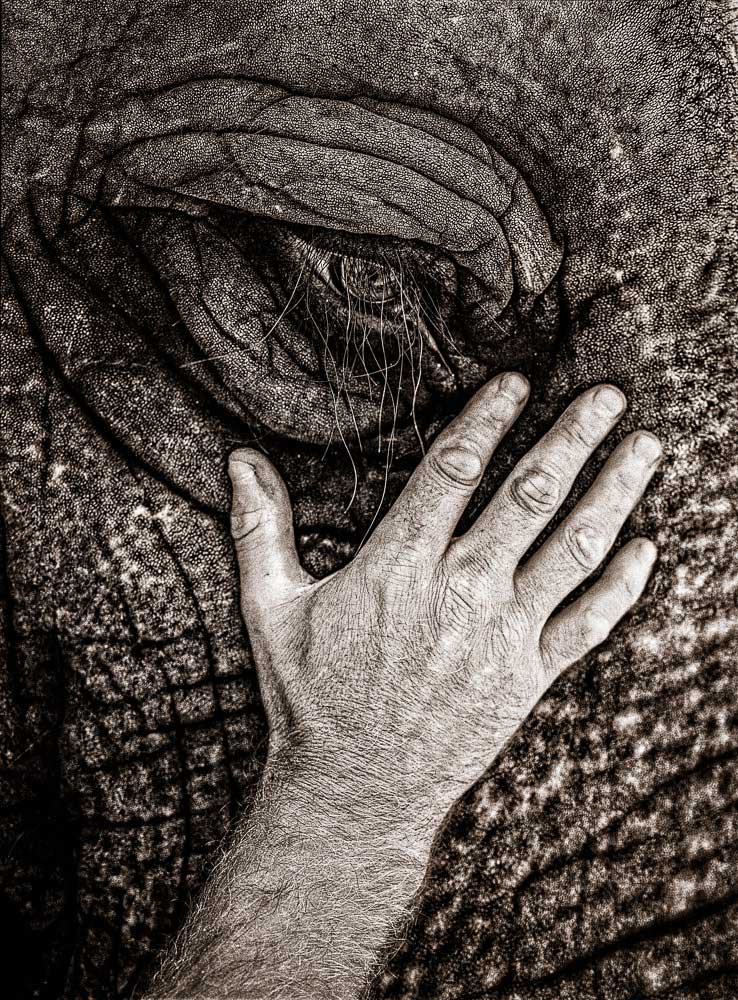
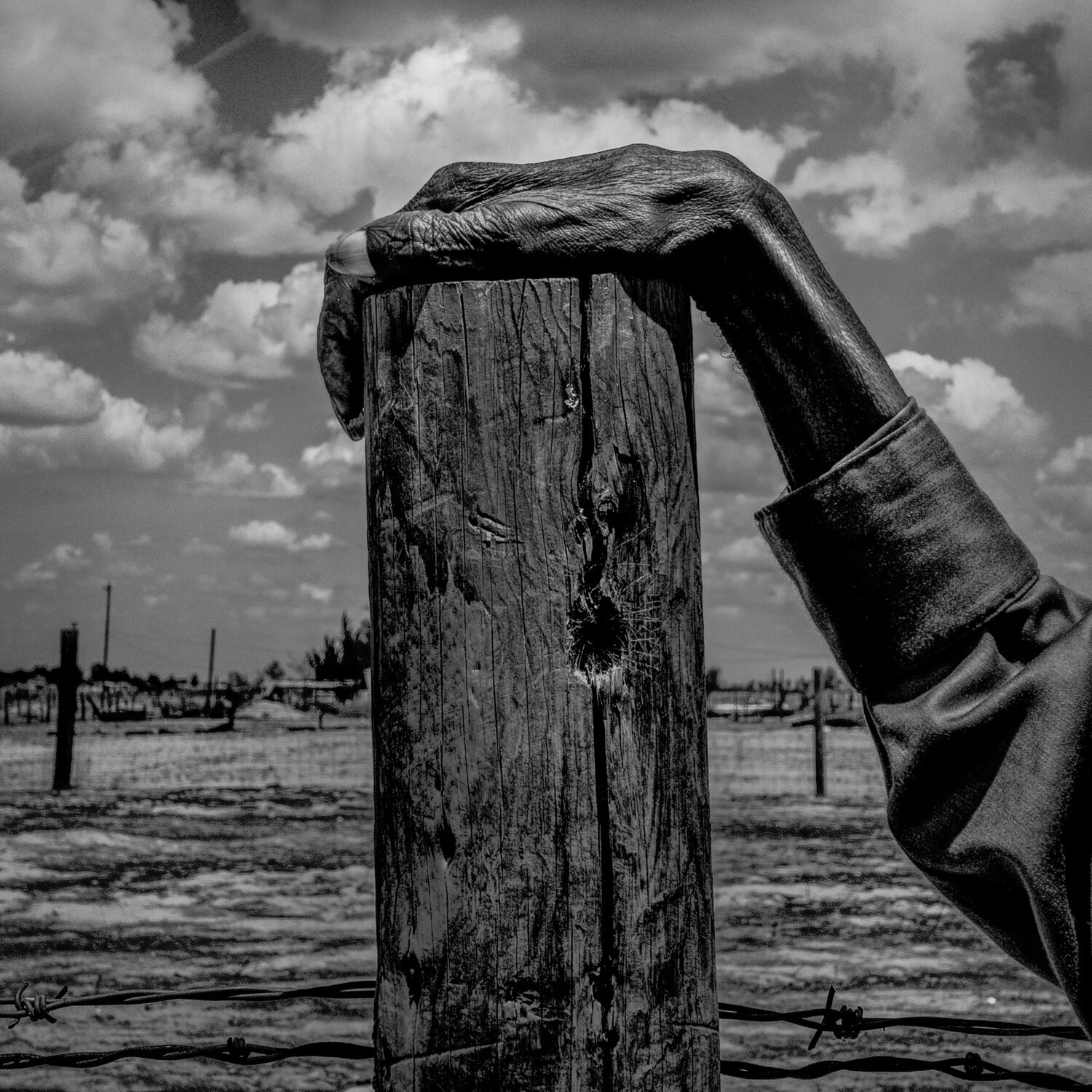
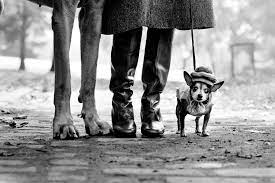
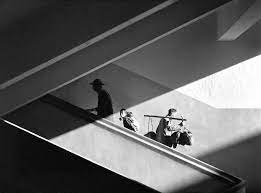
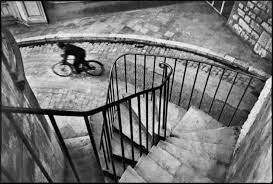
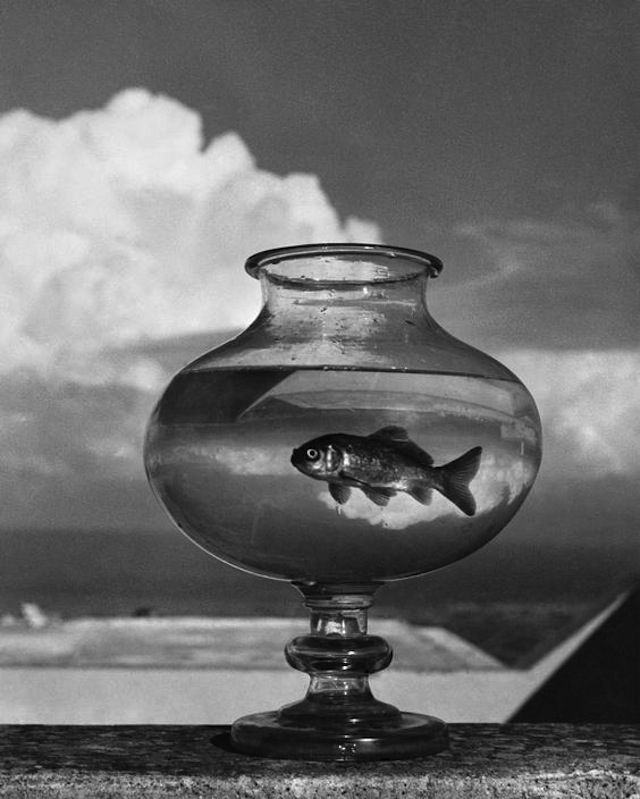
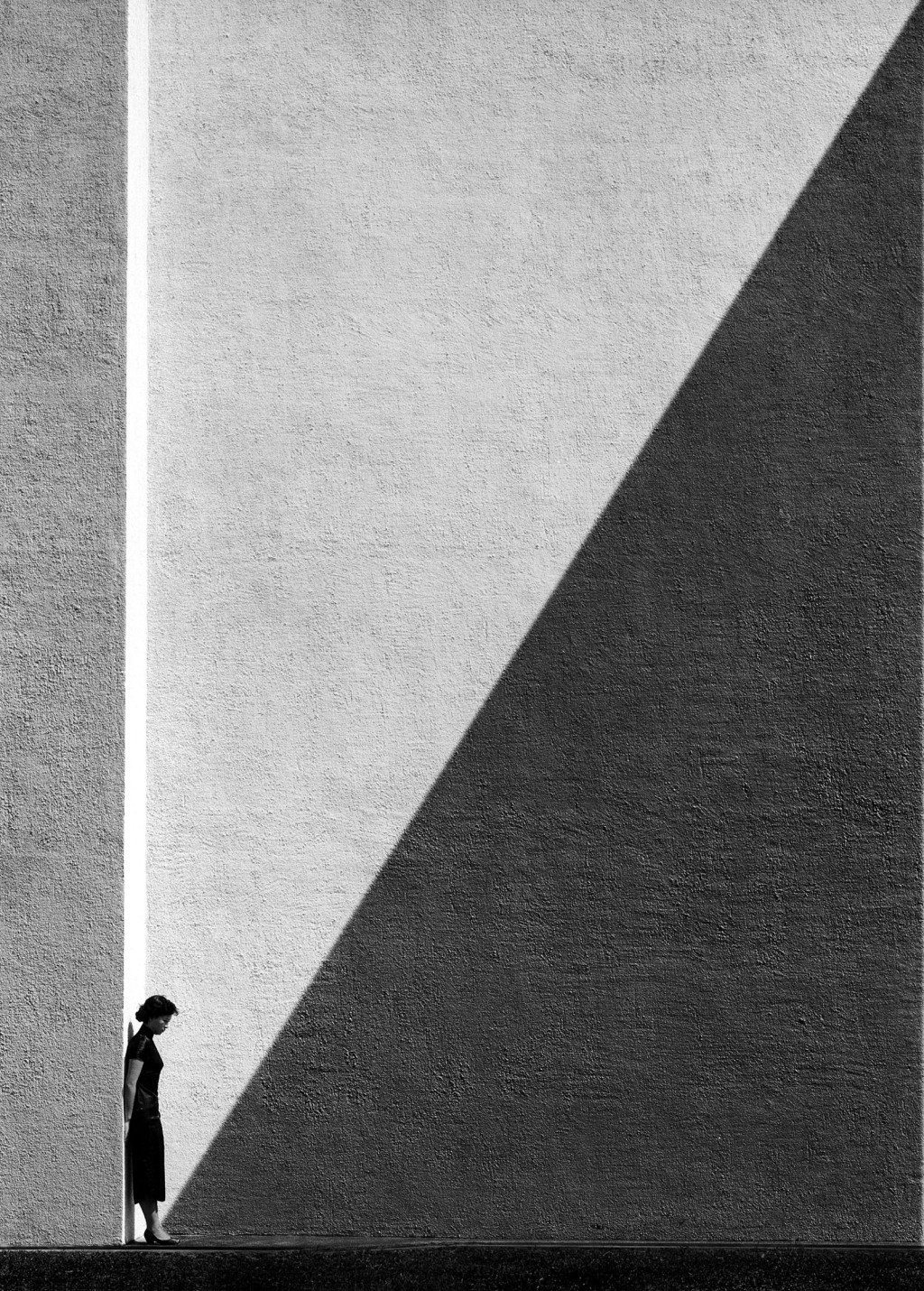
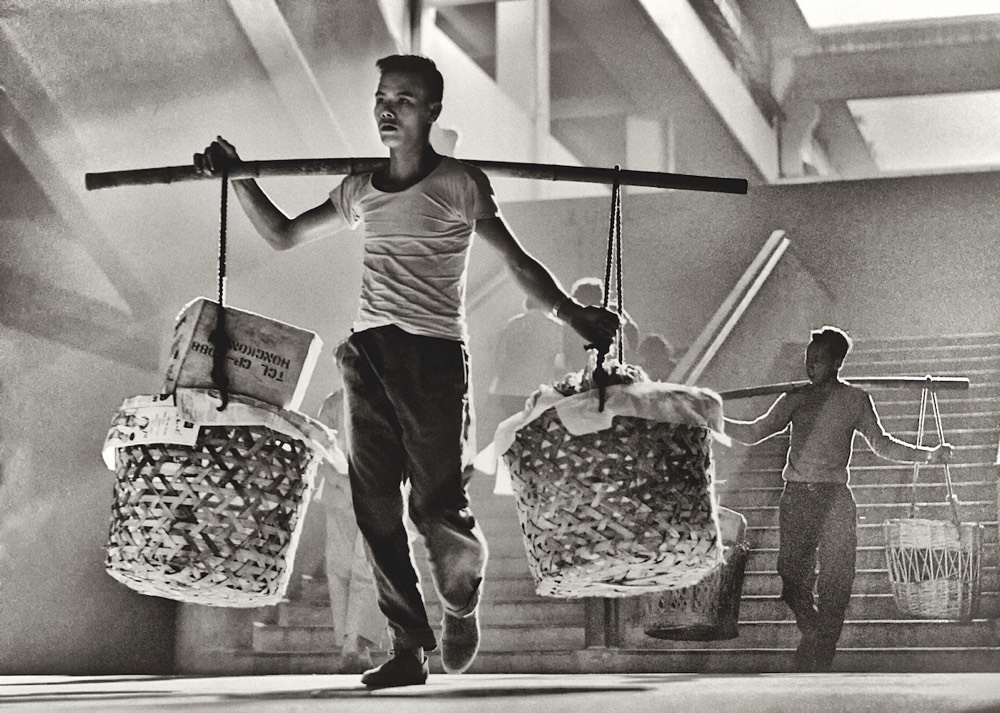
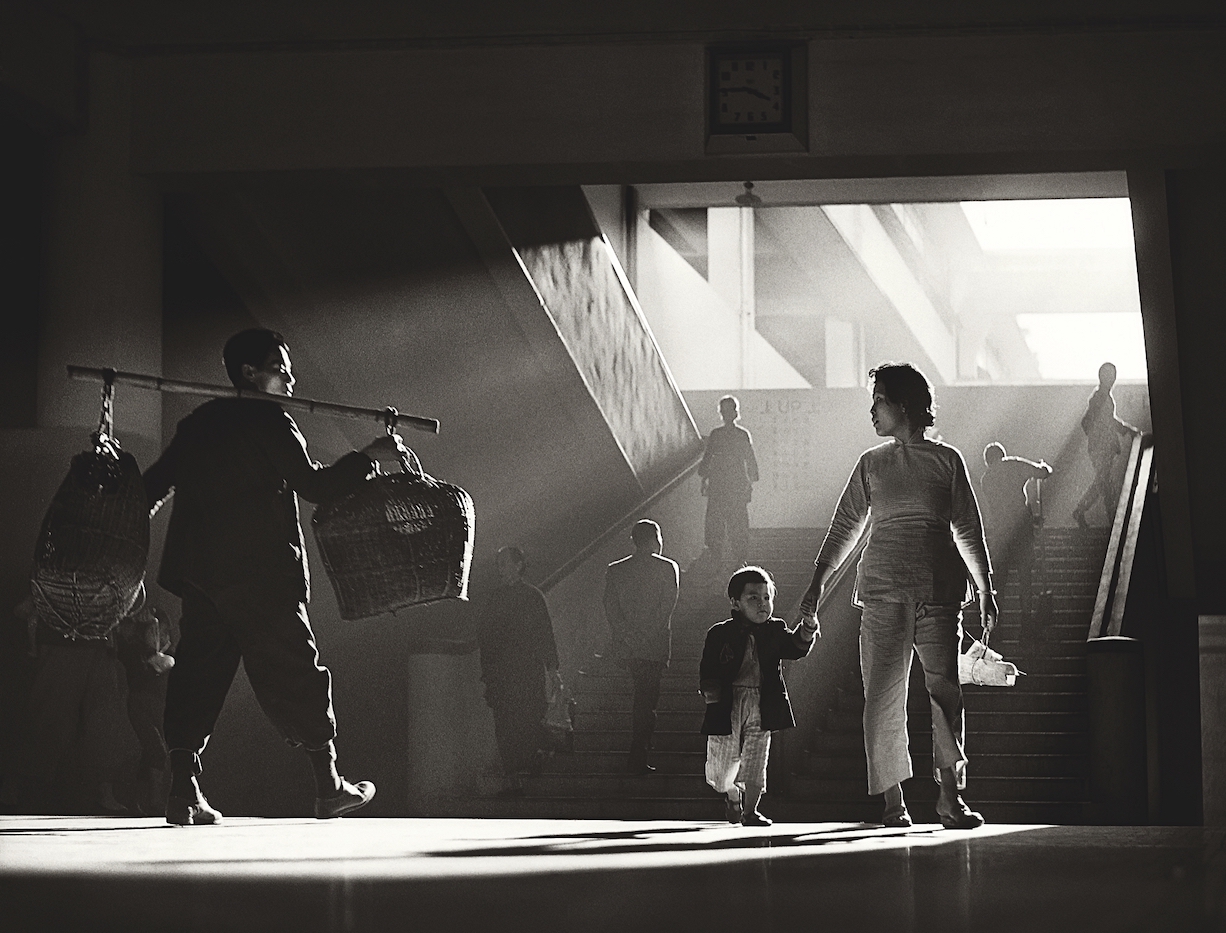
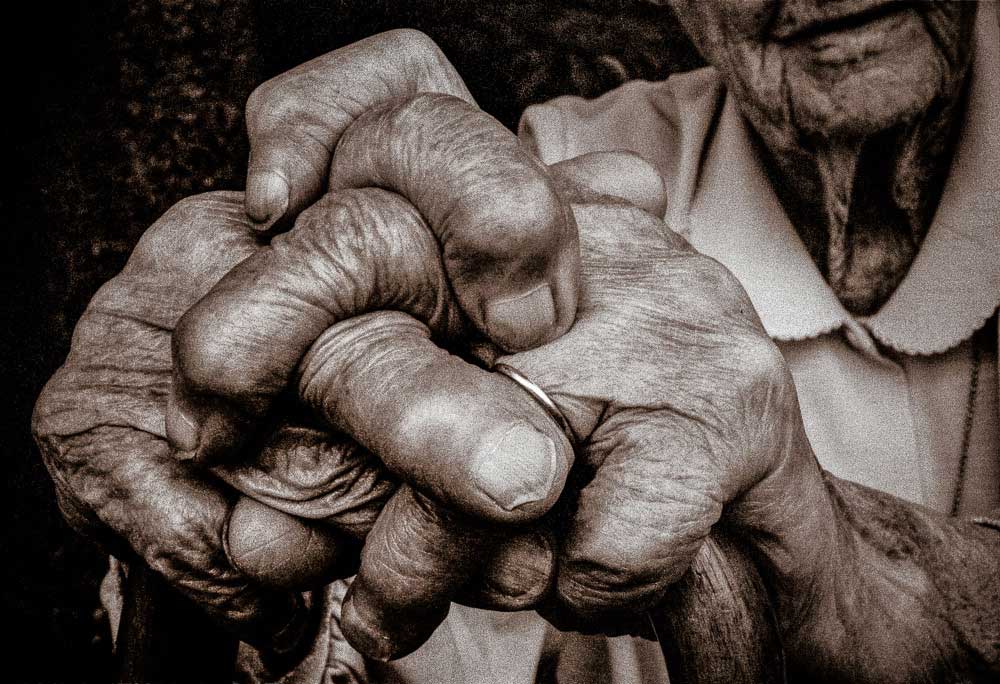
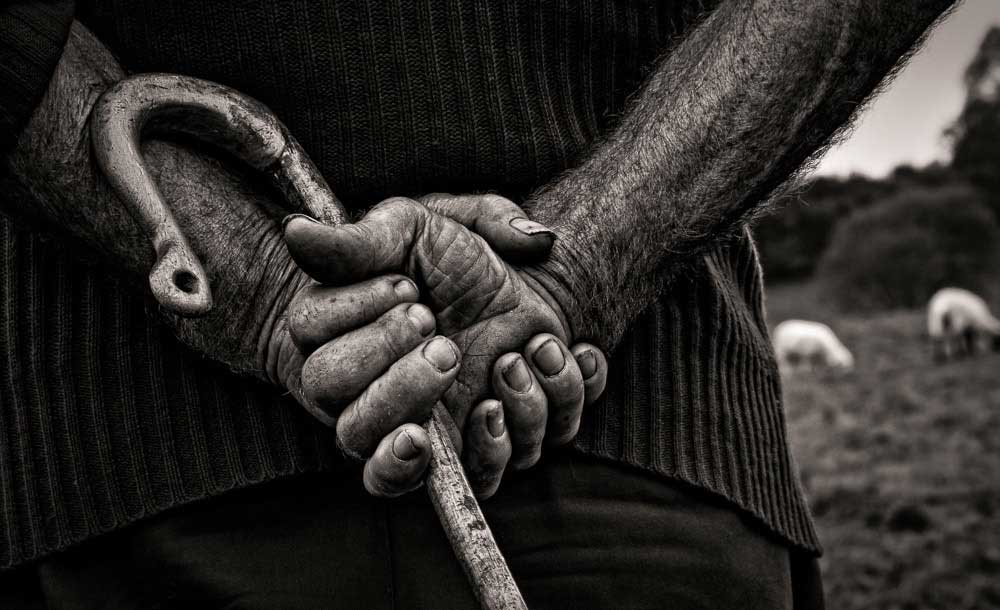
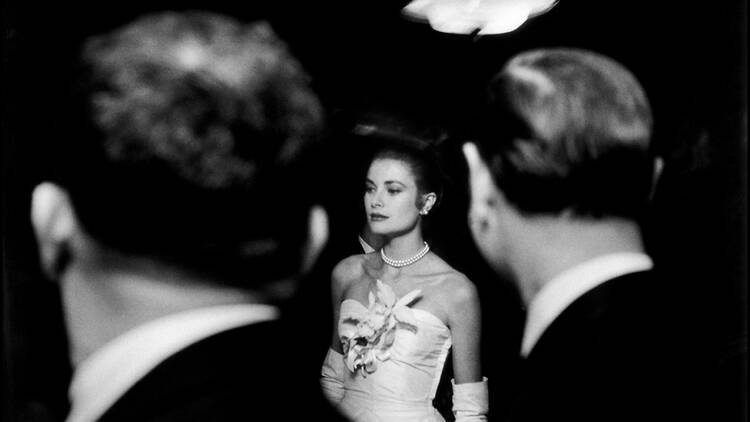
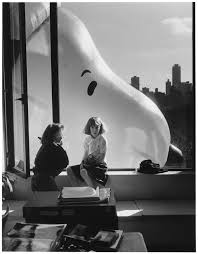
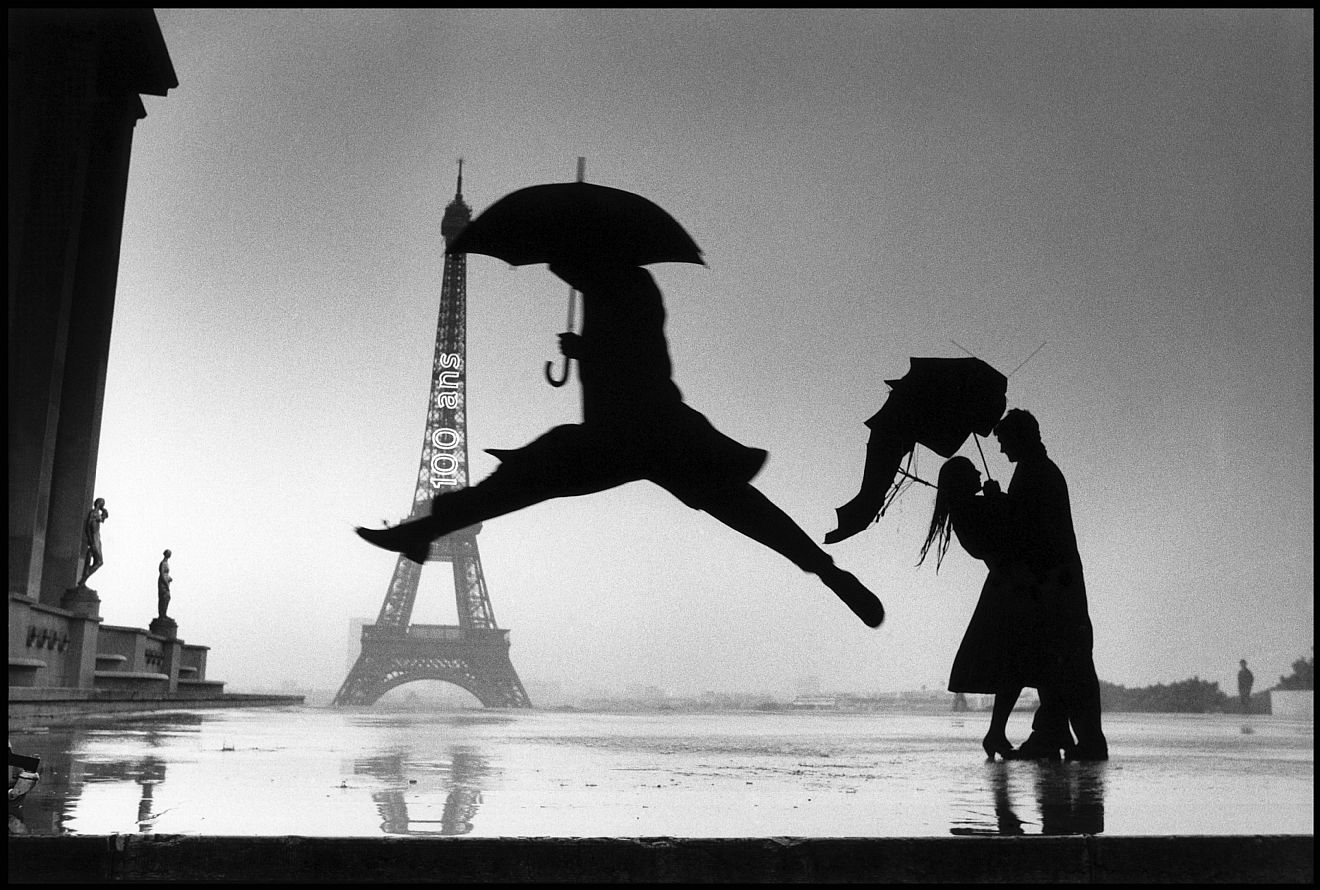
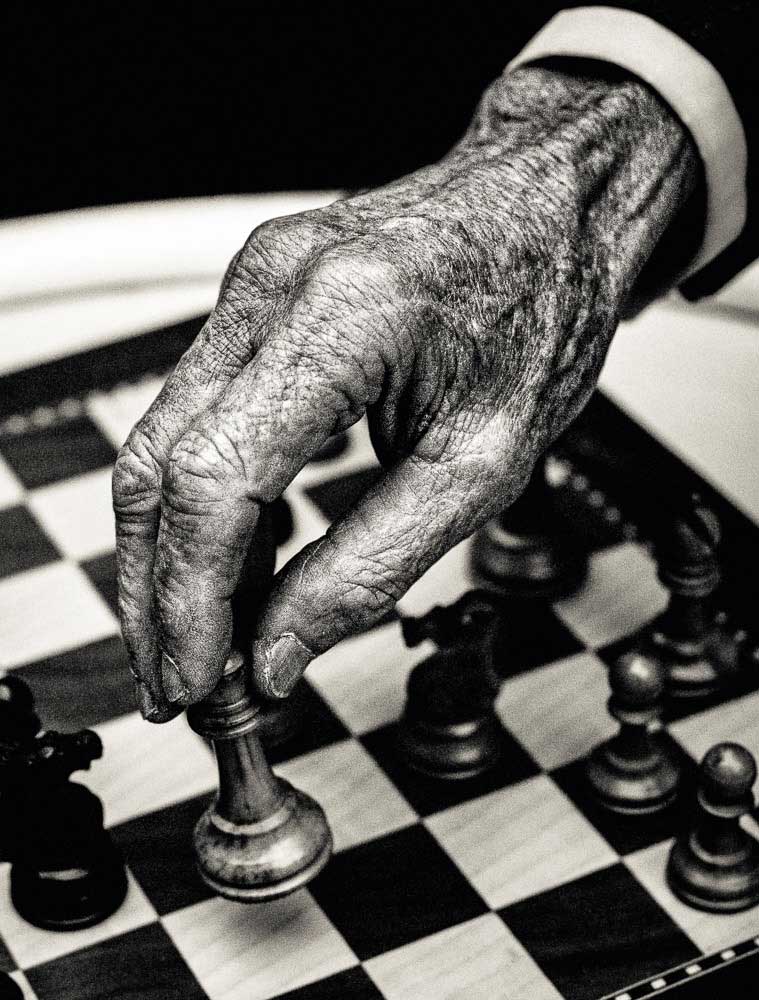
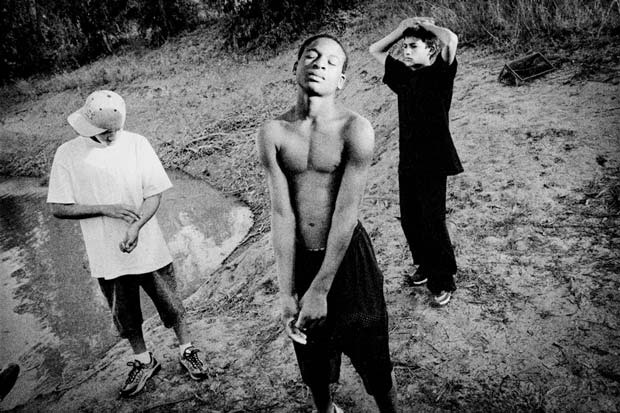
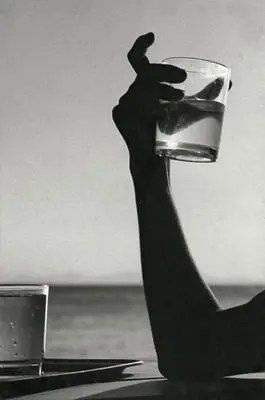
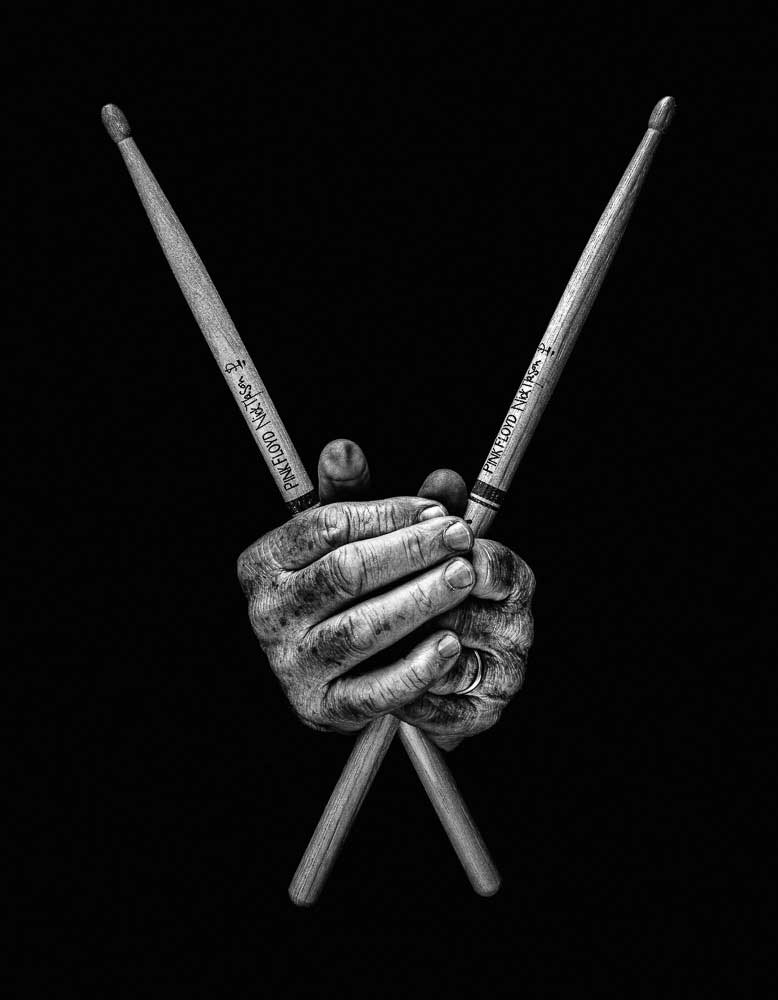
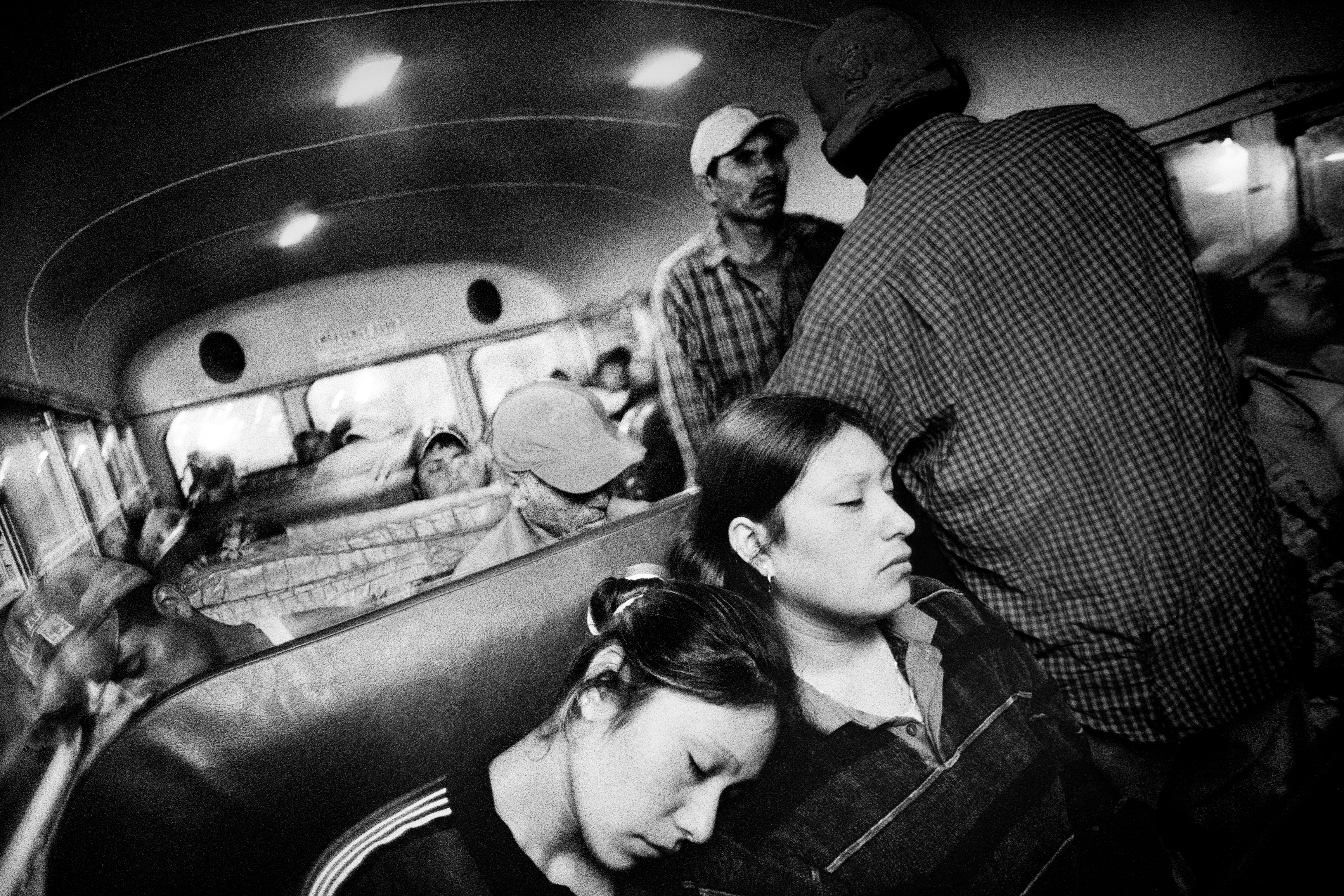
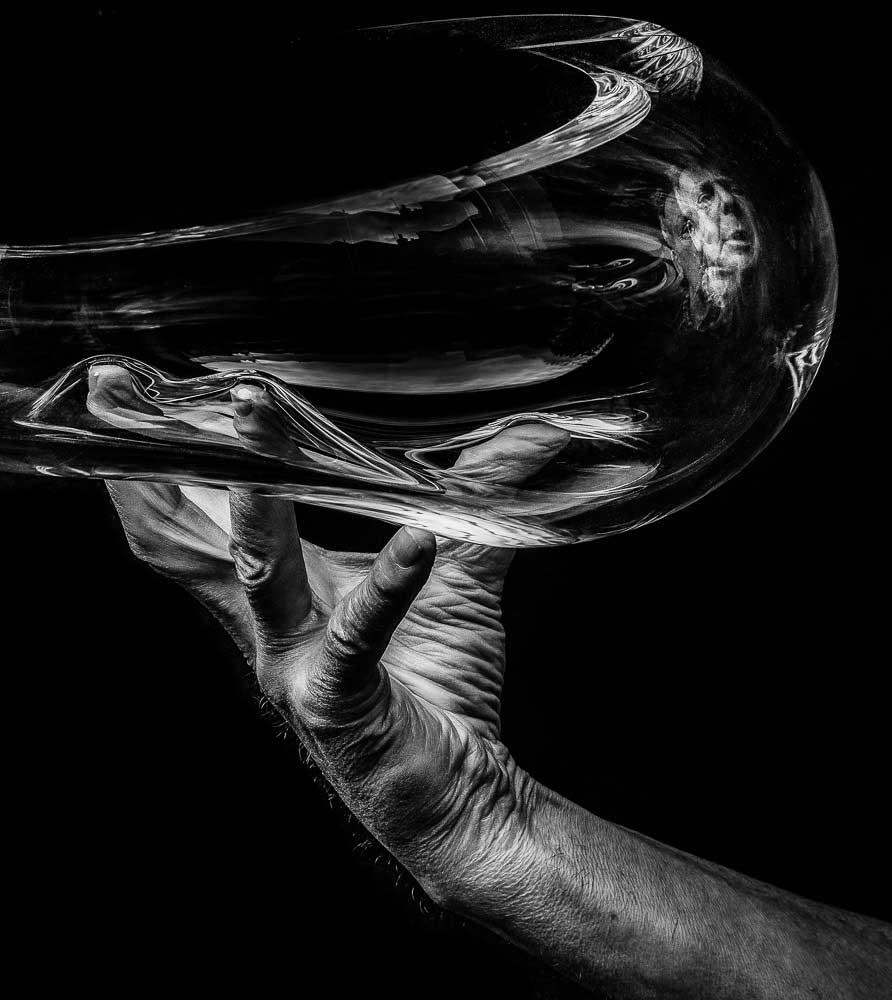
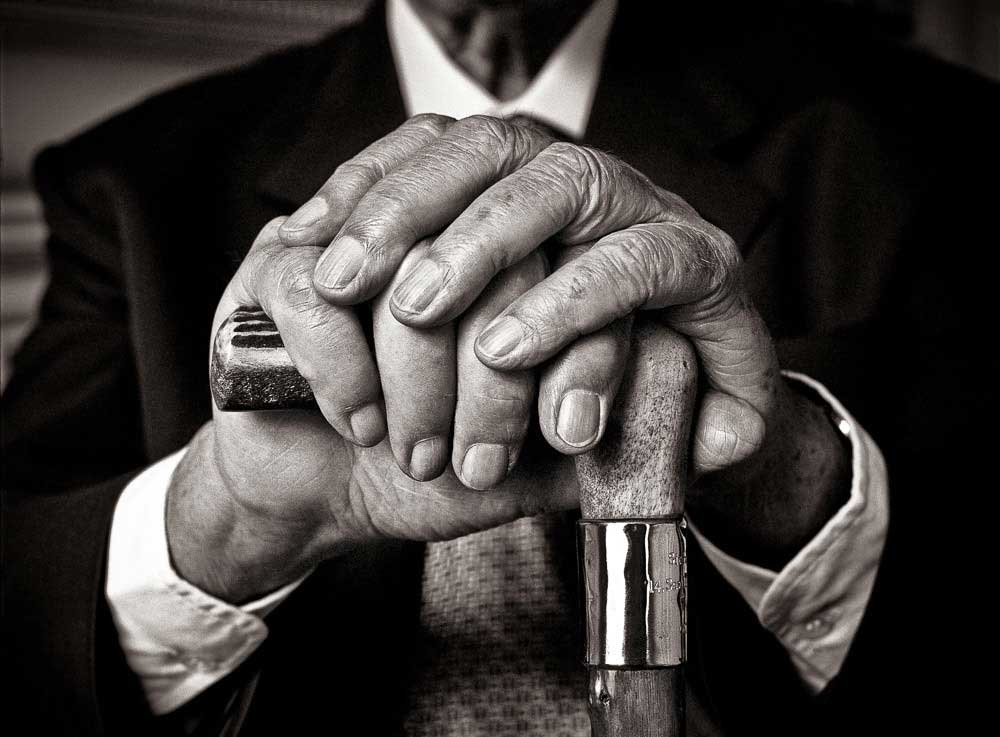
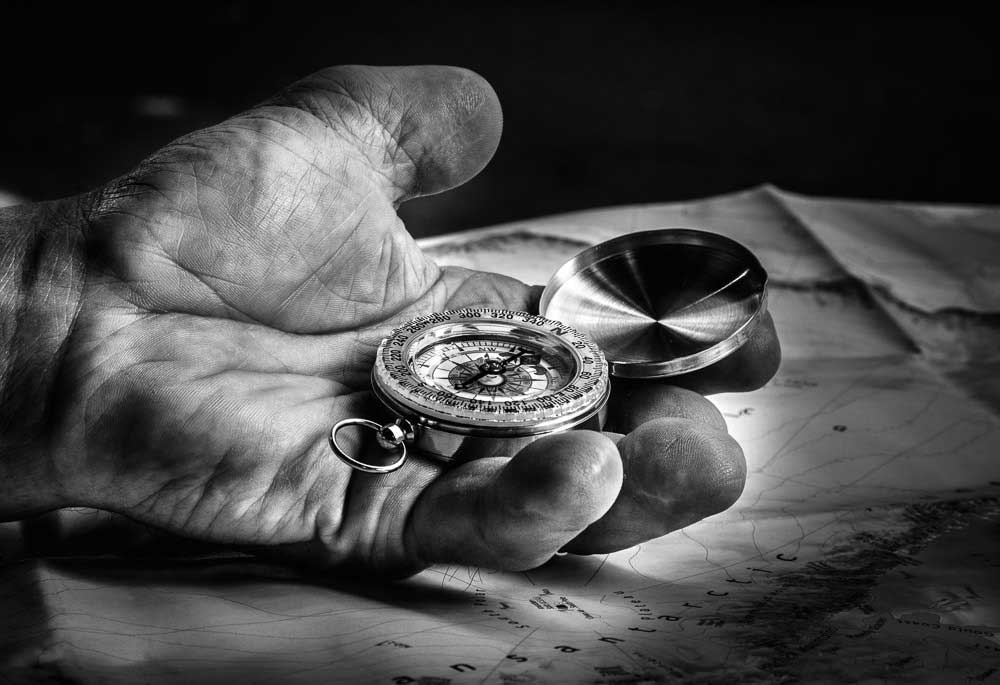
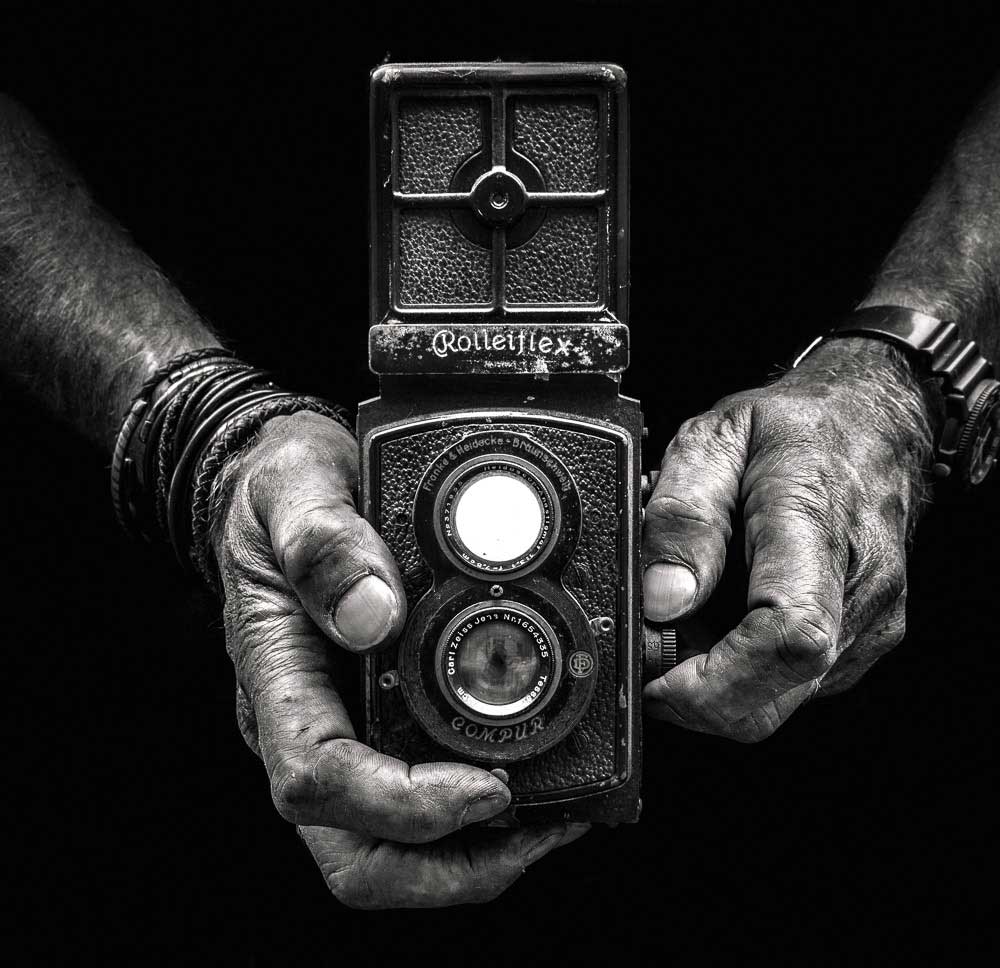
Below are works from Sally Mann, Henri Cartier Bresson, Herbert List, Elliott Erwitt, matt black, Fan Ho, Dorothea Lange, Mary Ellen Mark, and Ansel Adams.
I’ve grouped the works of all of these photographers together to try and inspire myself to do something as half as good as any of them. Like an inspiration board of good photography.





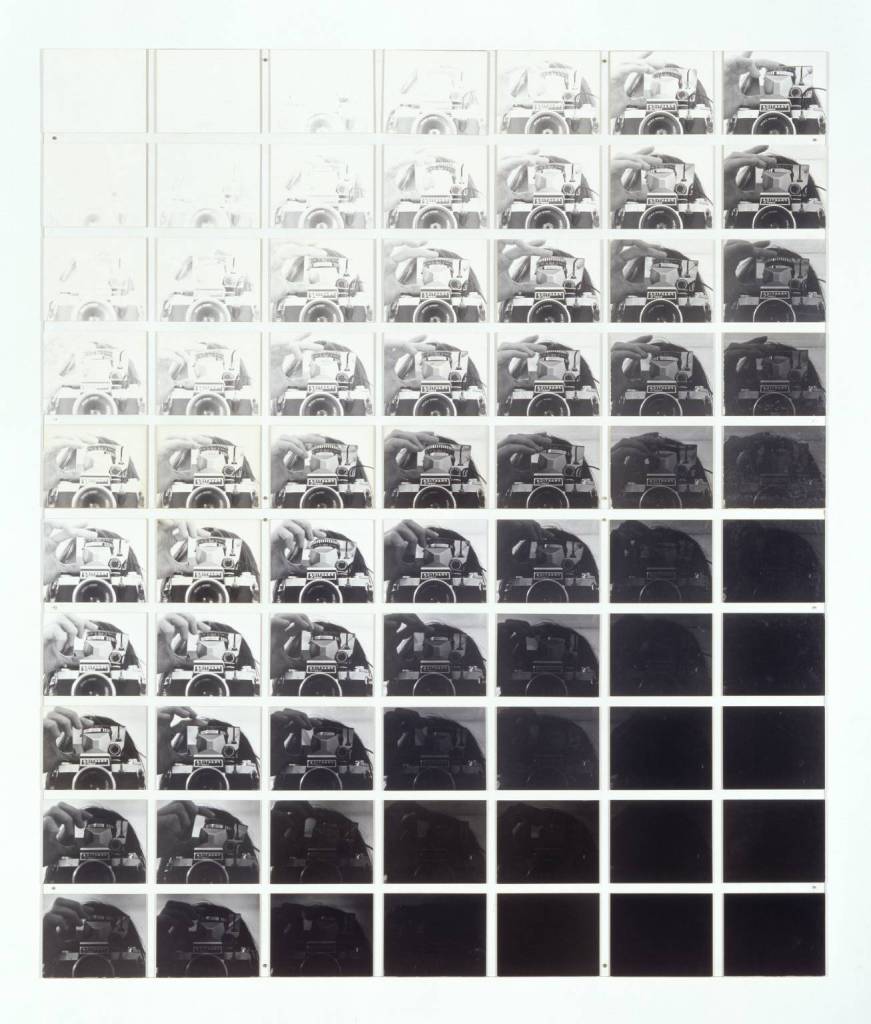
John Hilliard
Camera Recording its Own Condition (7 Apertures, 10 Speeds, 2 Mirrors) 1971
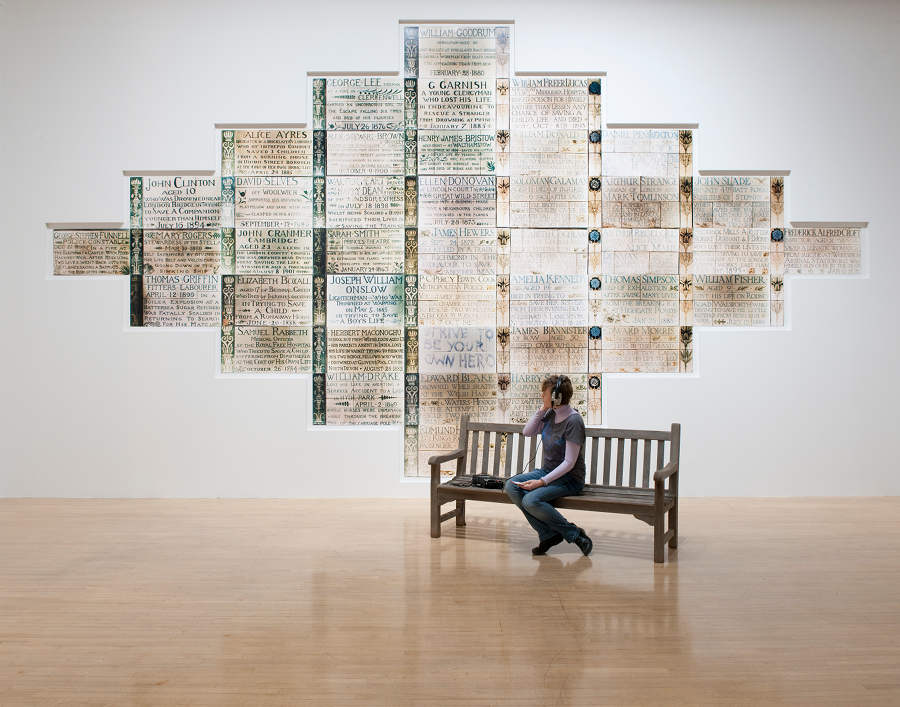
Susan Hiller, Monument, 1980-1 (Tate Britain installation shot)
Tate; Copyright Susan Hiller; Image: Tate Photography/Sam Drake
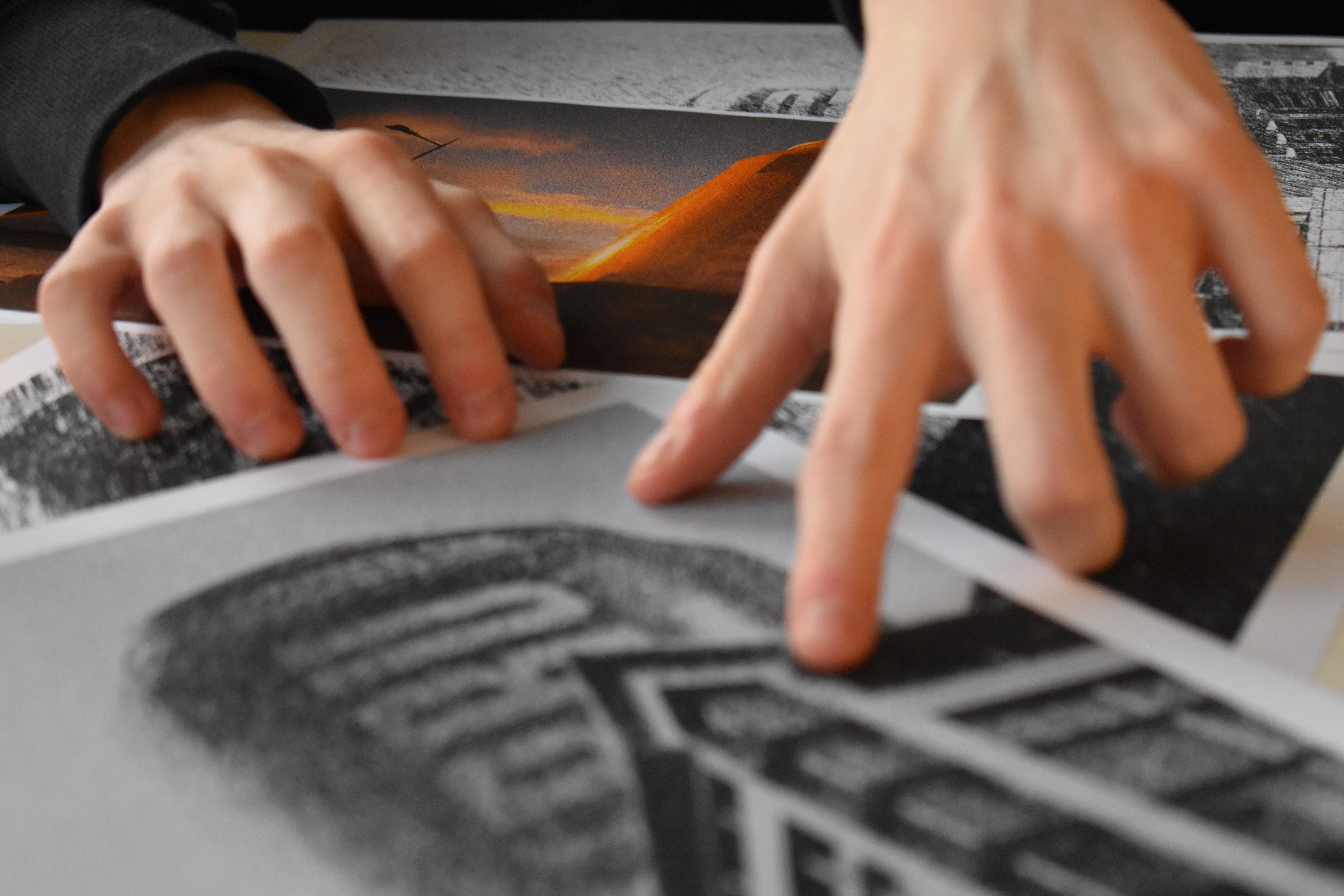
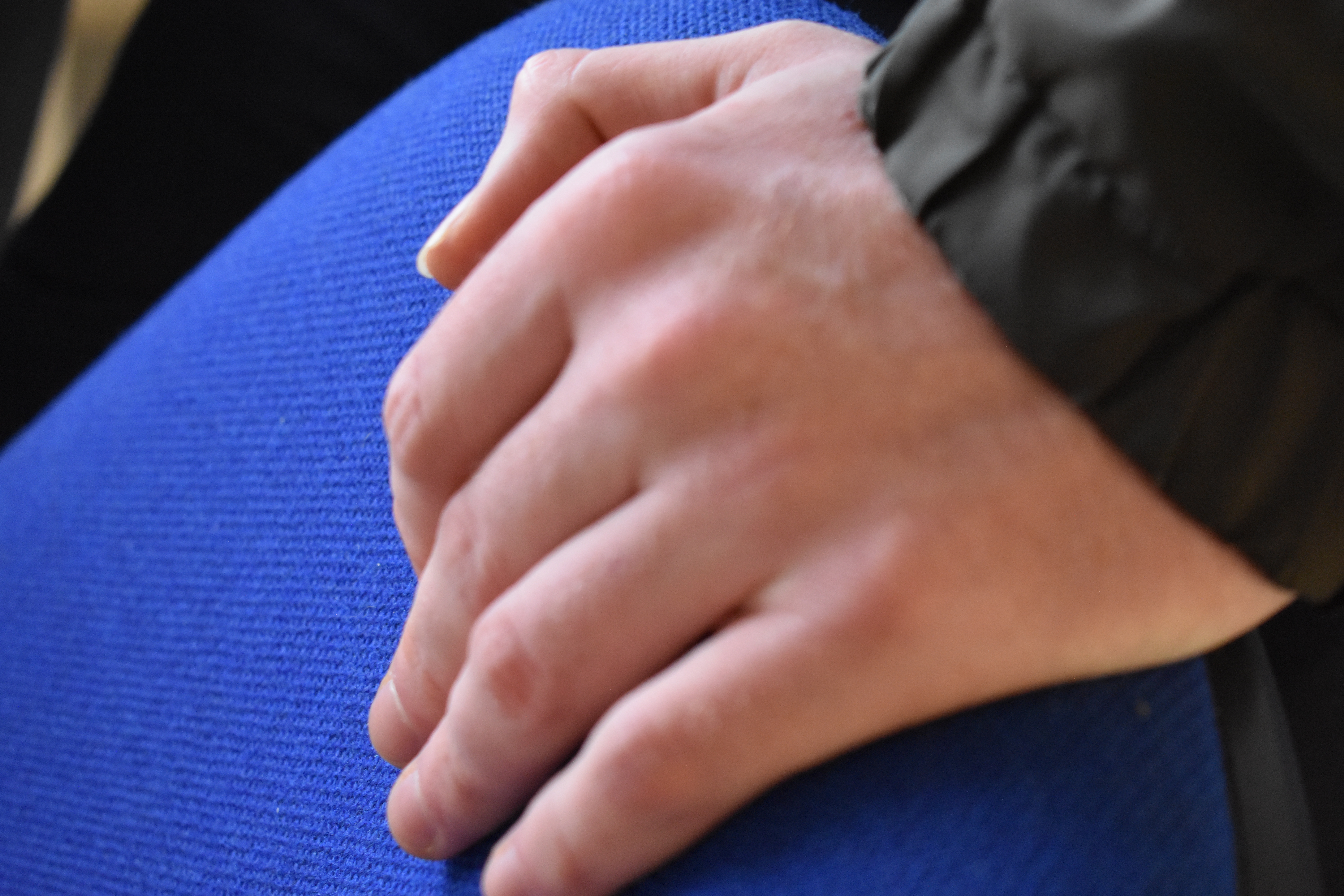
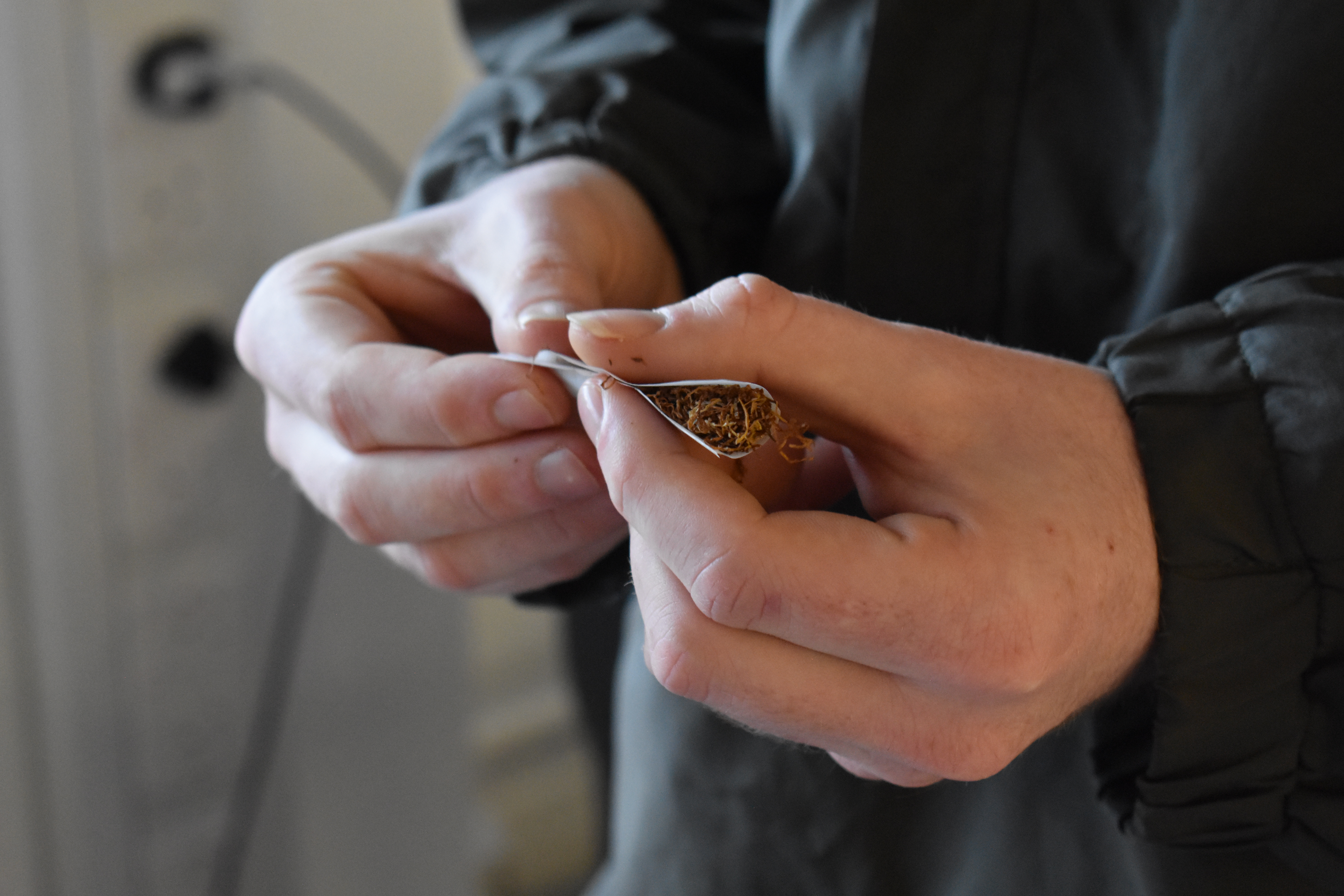
HAND TEST TWO:
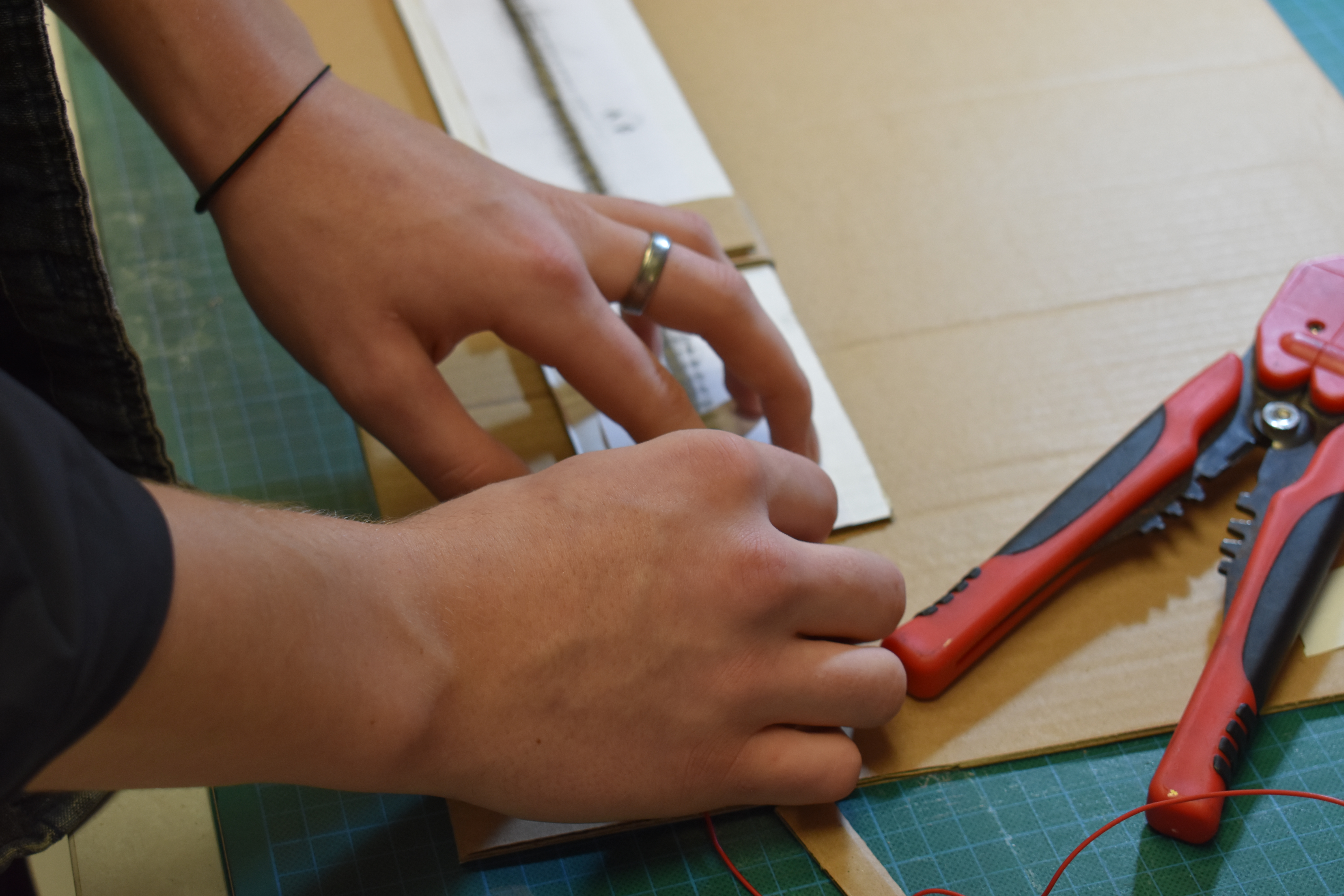
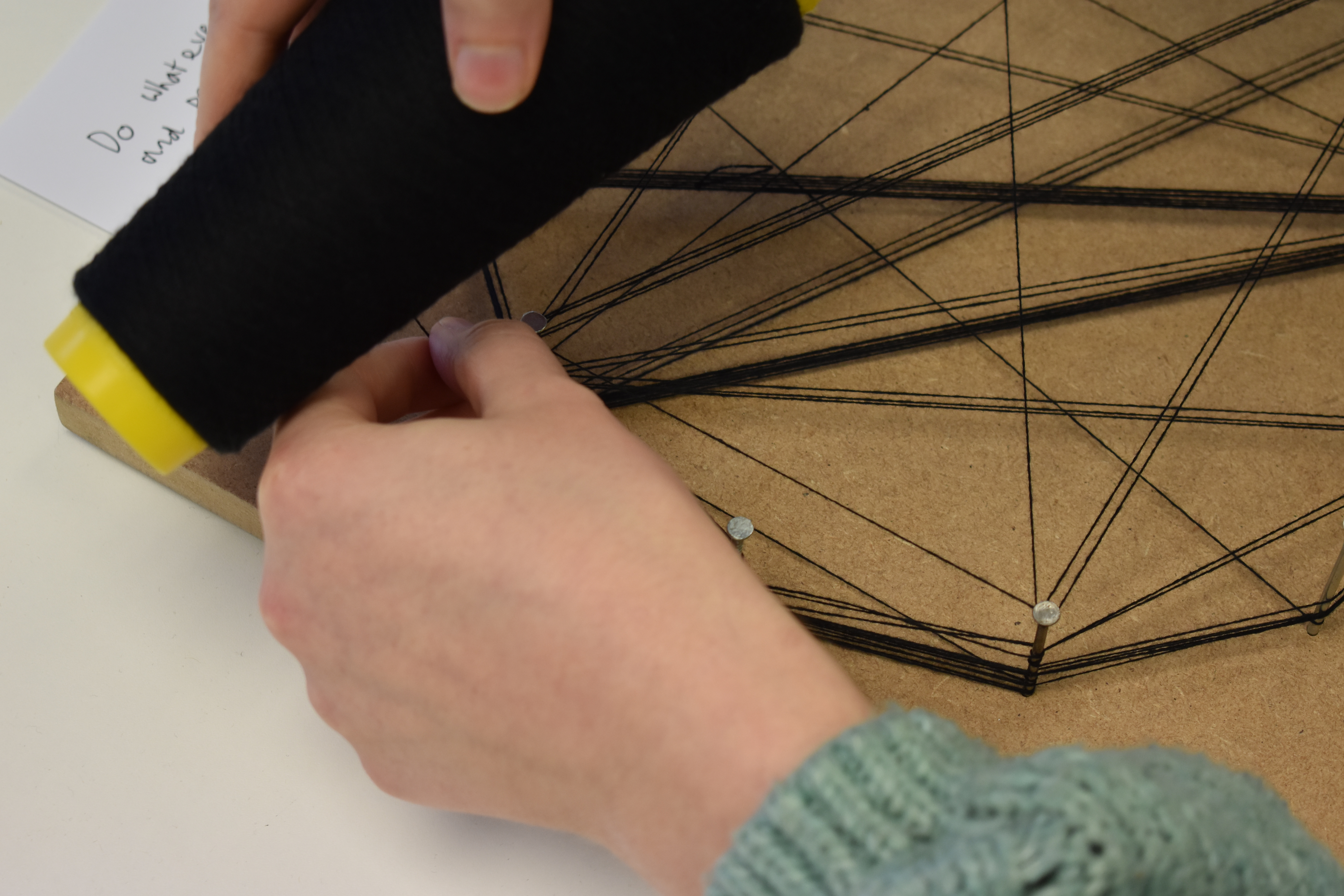
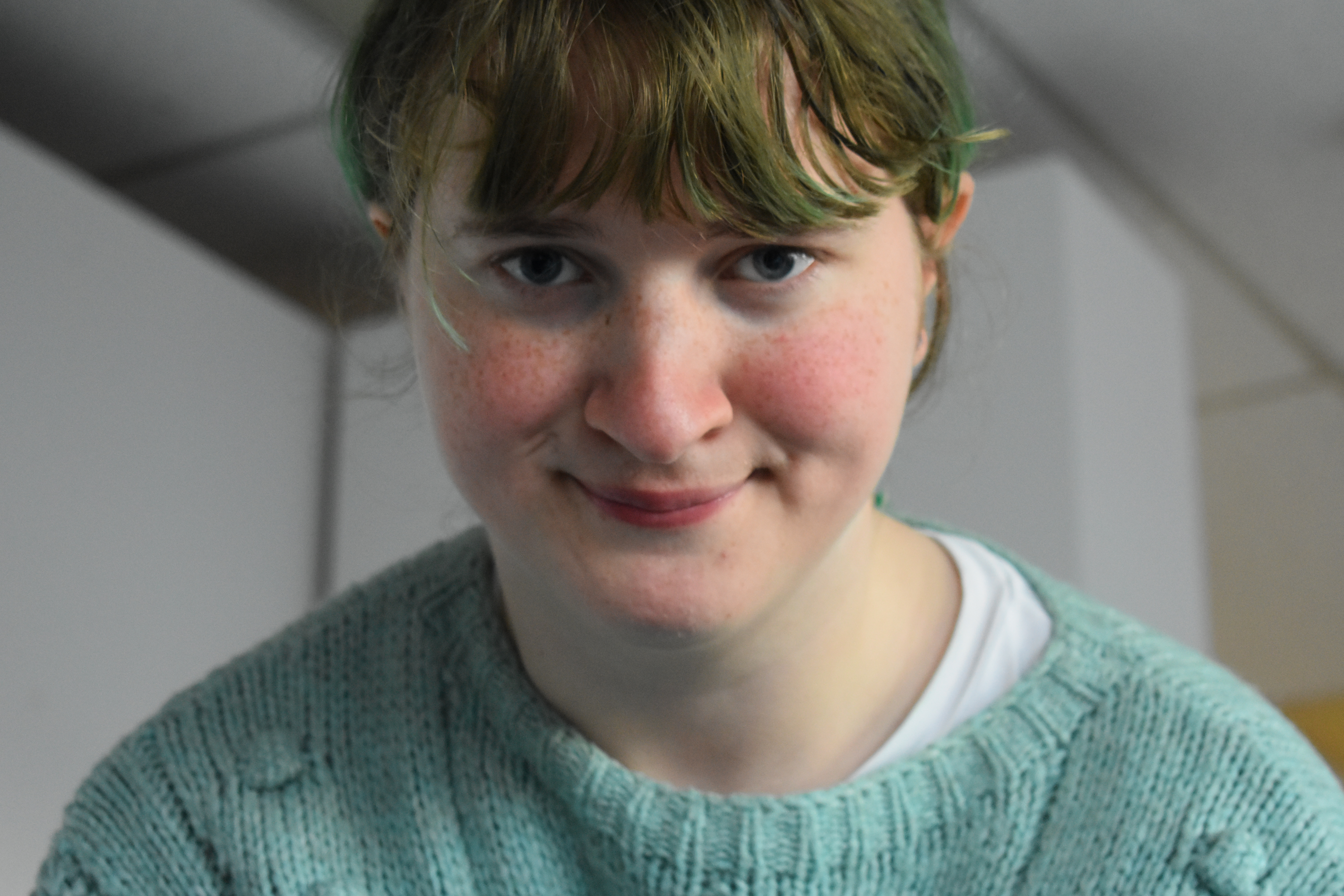
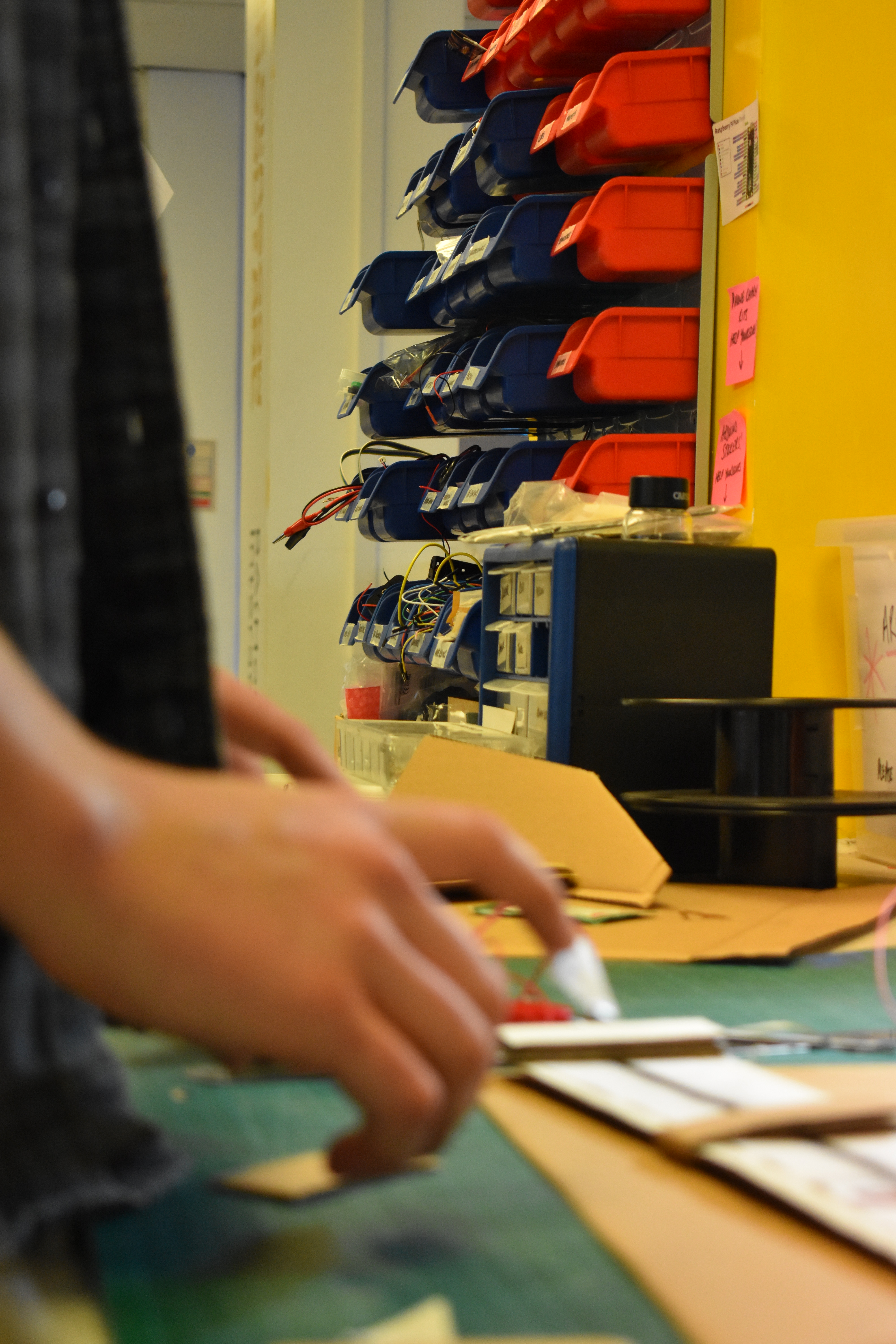
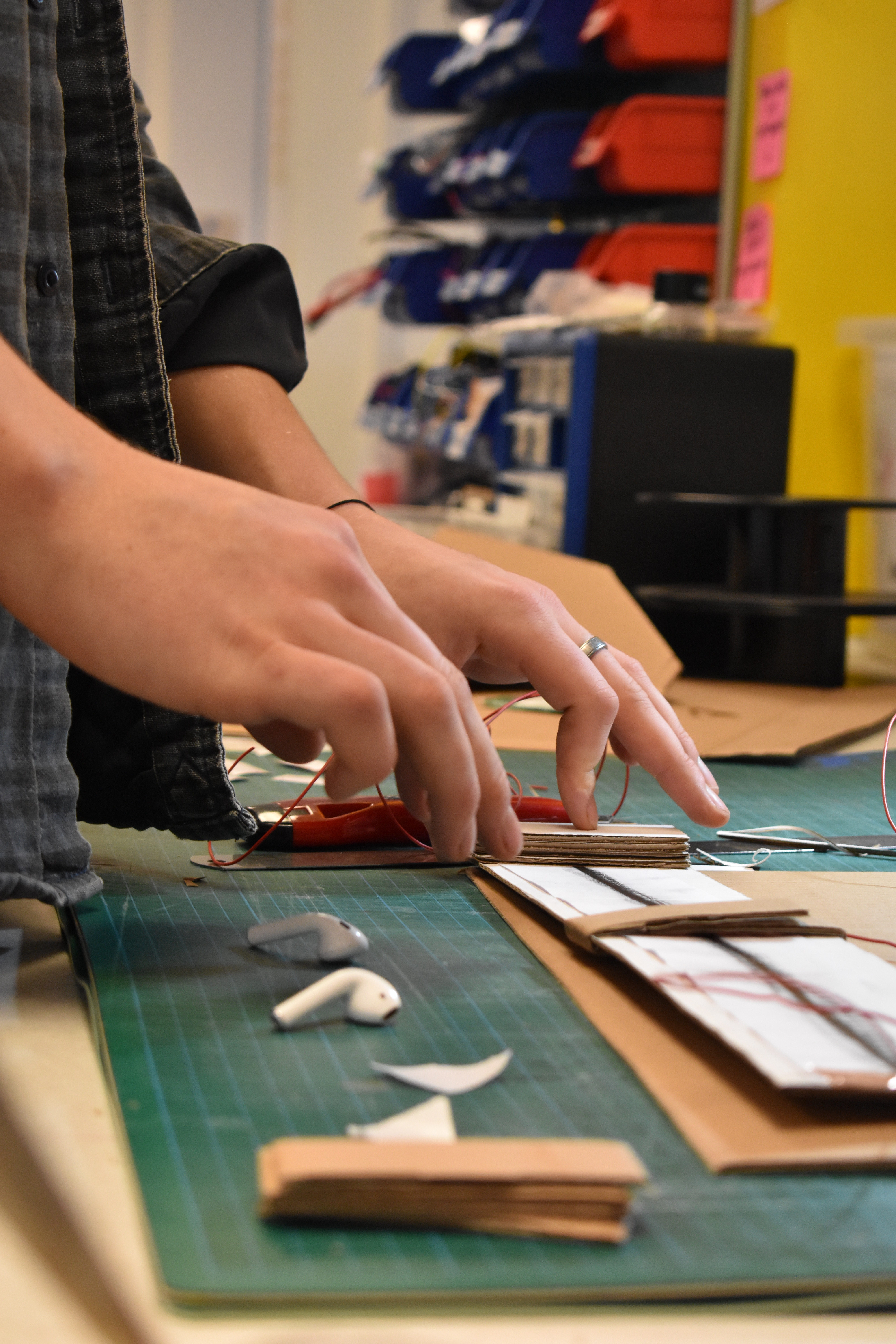
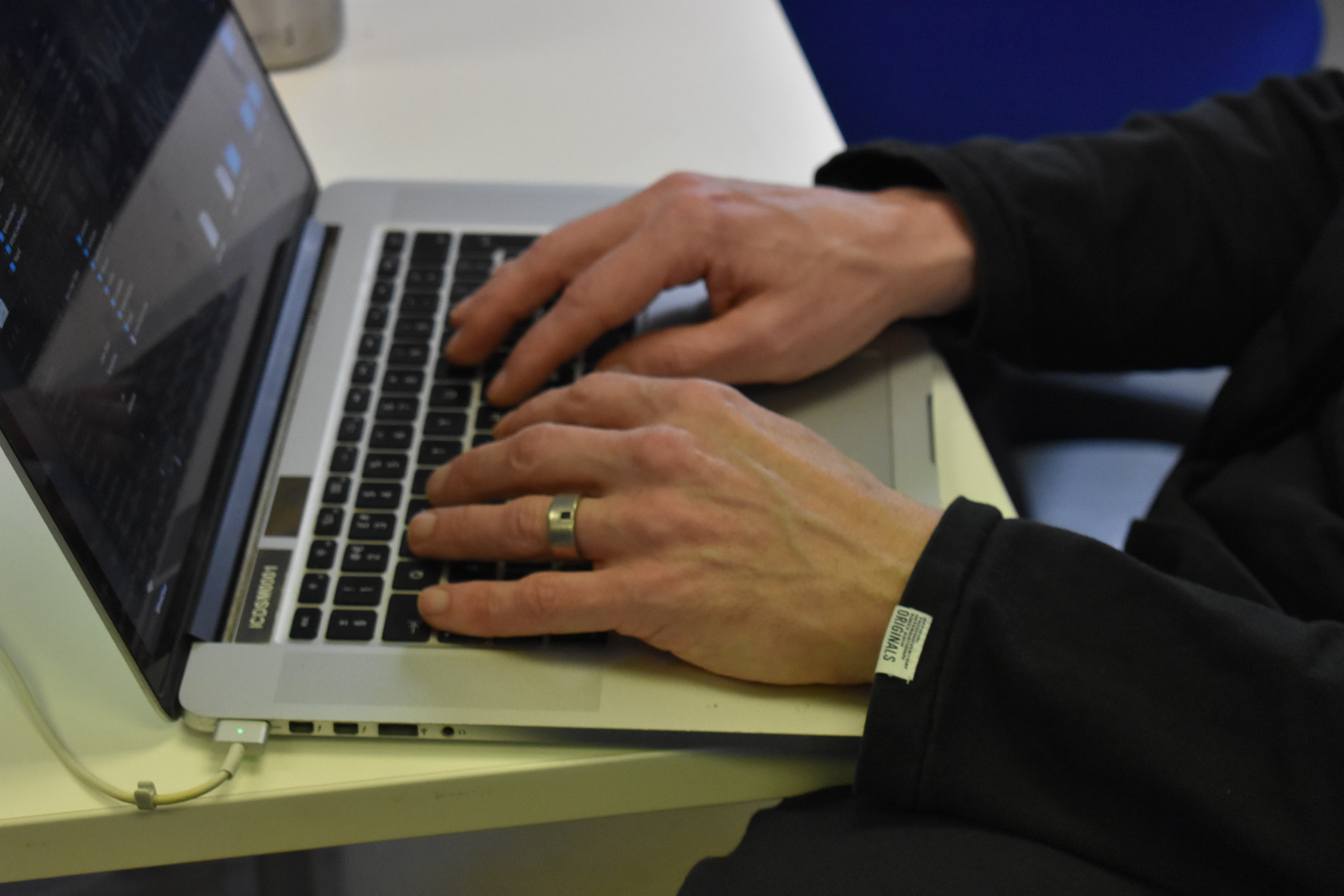
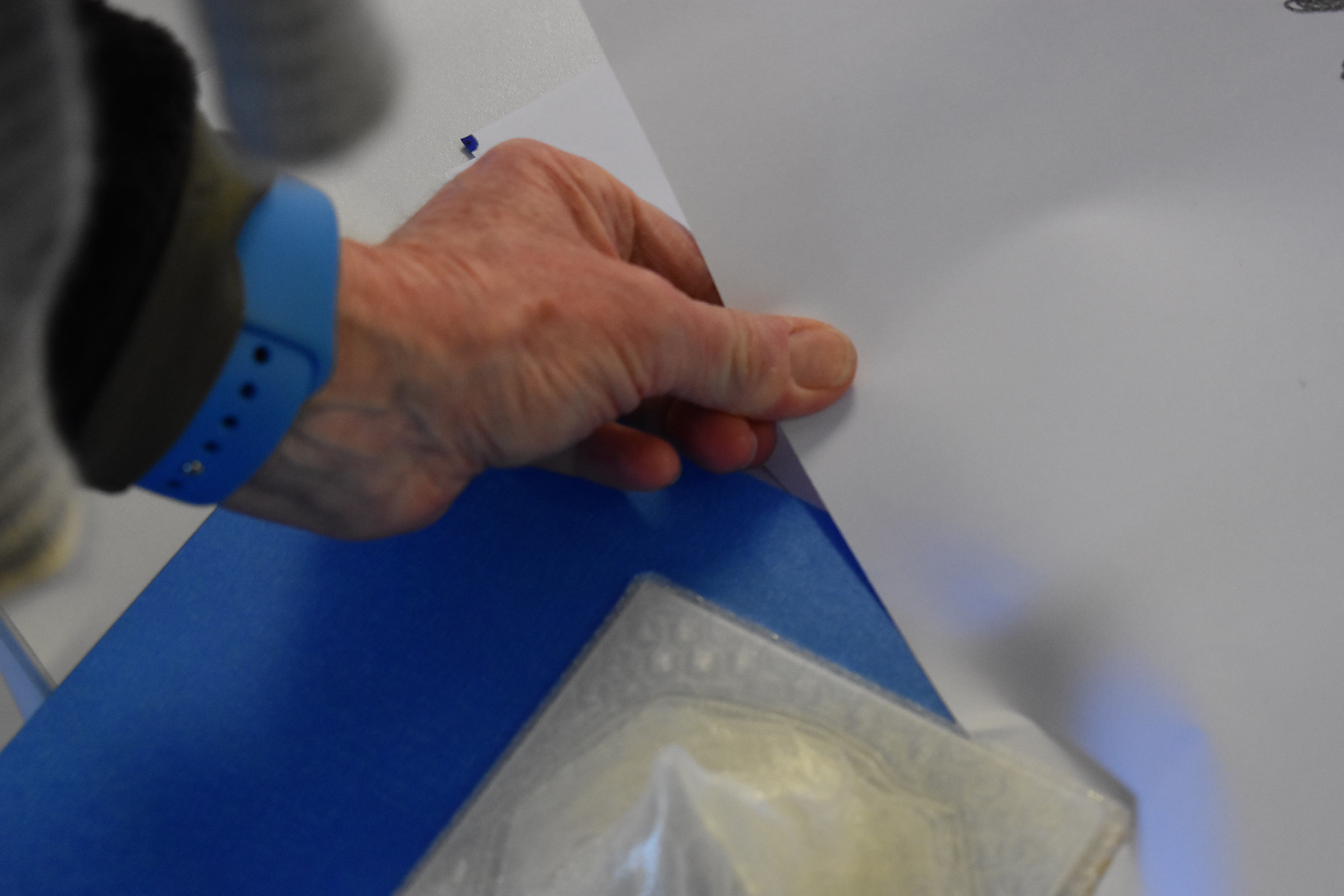
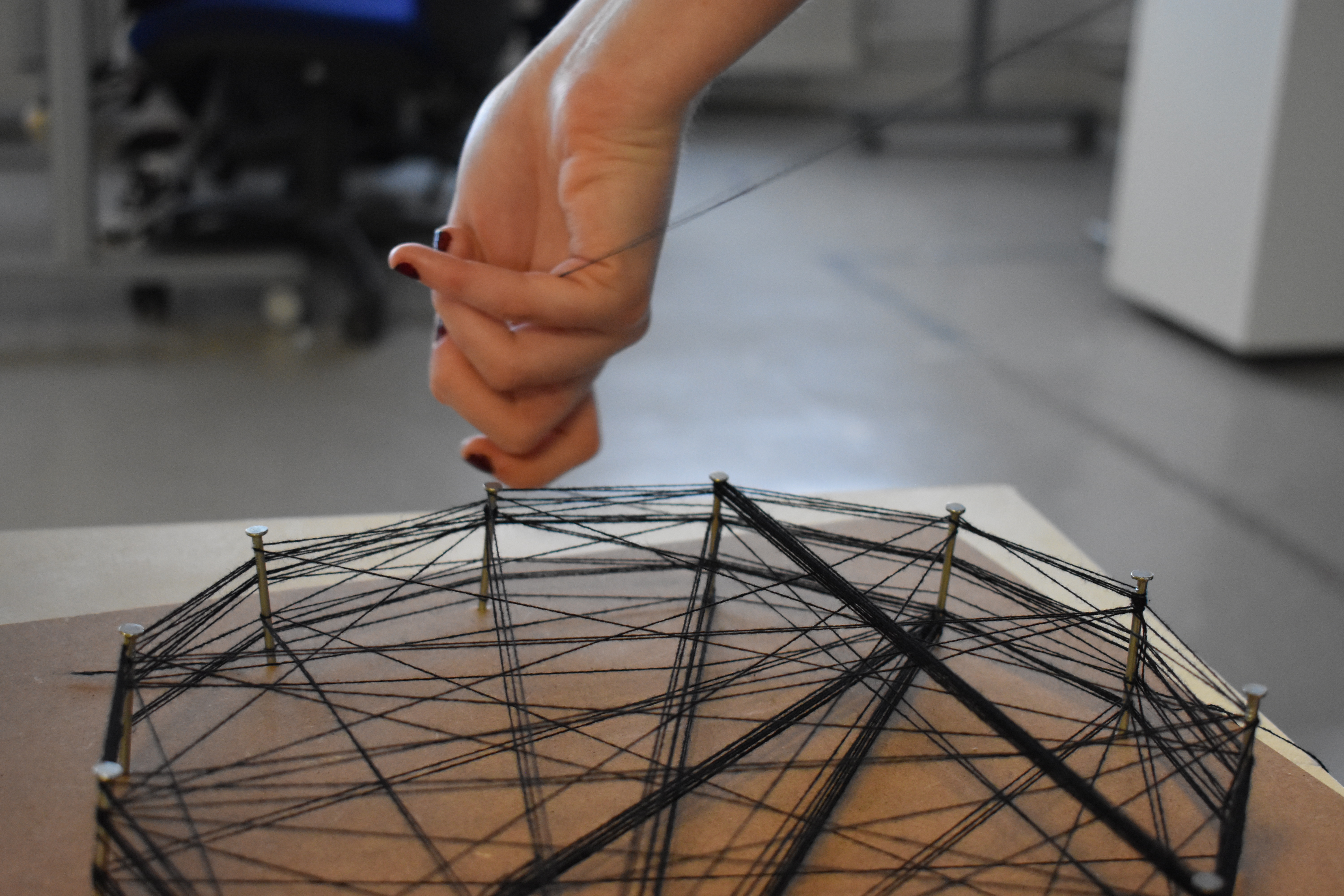
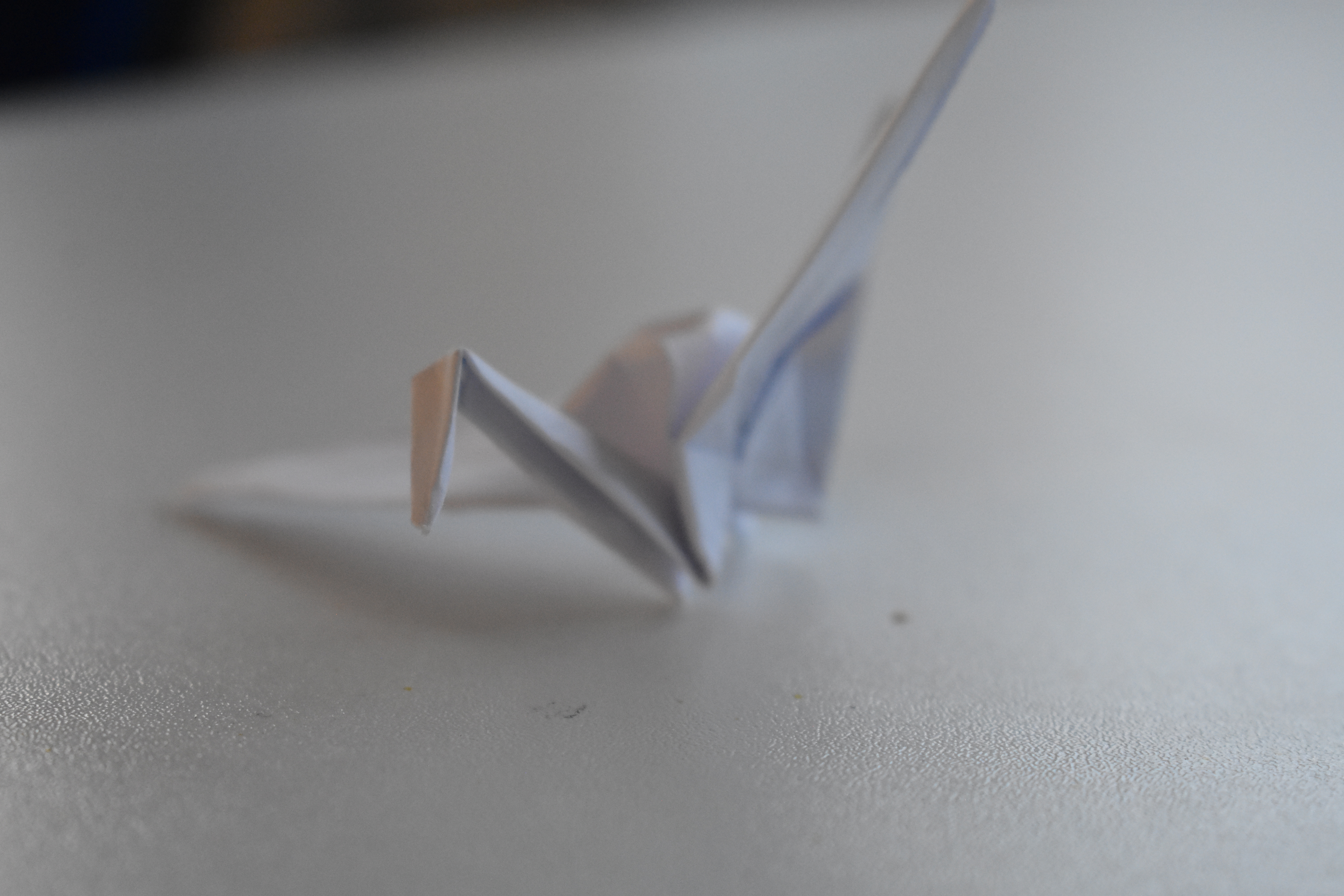
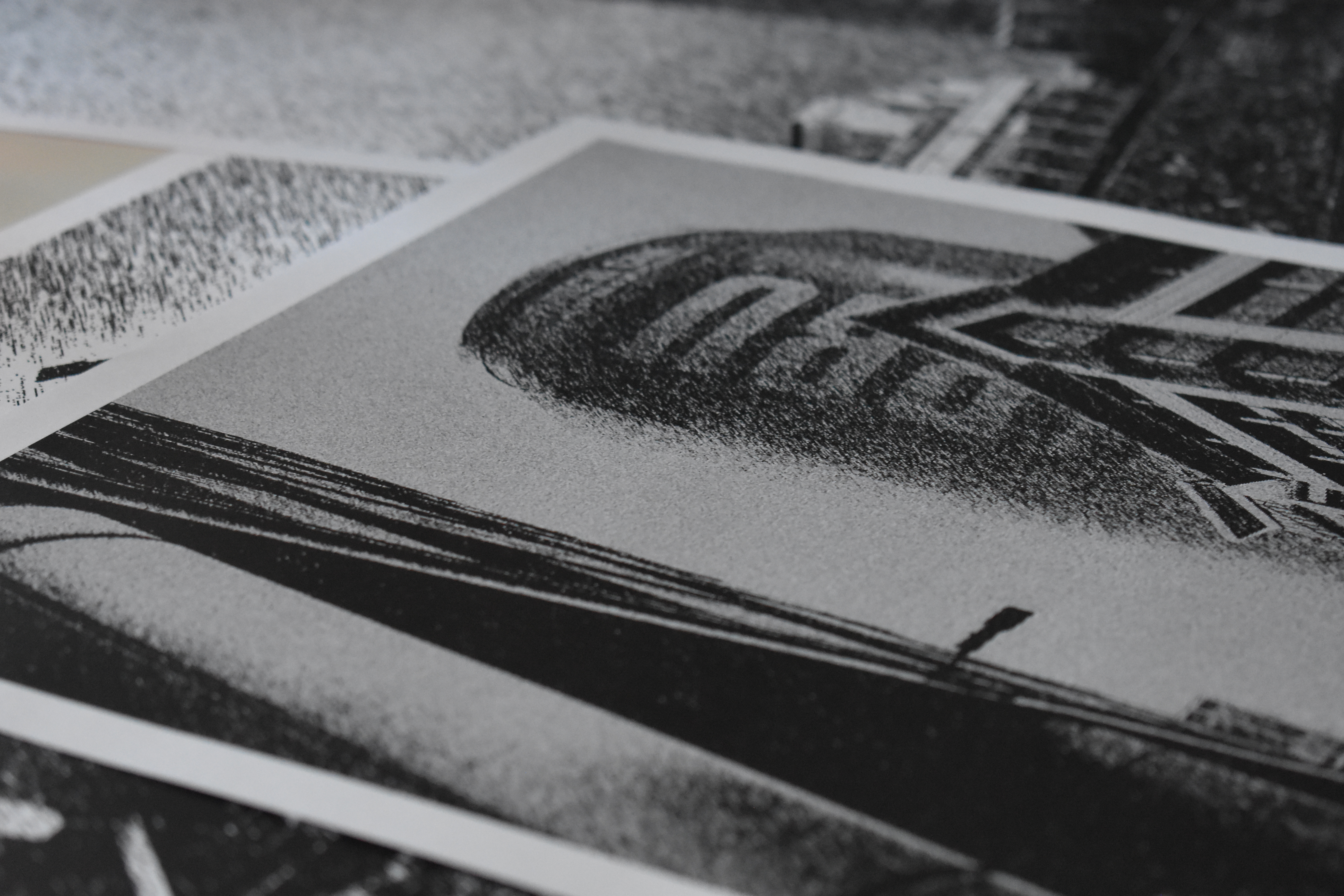
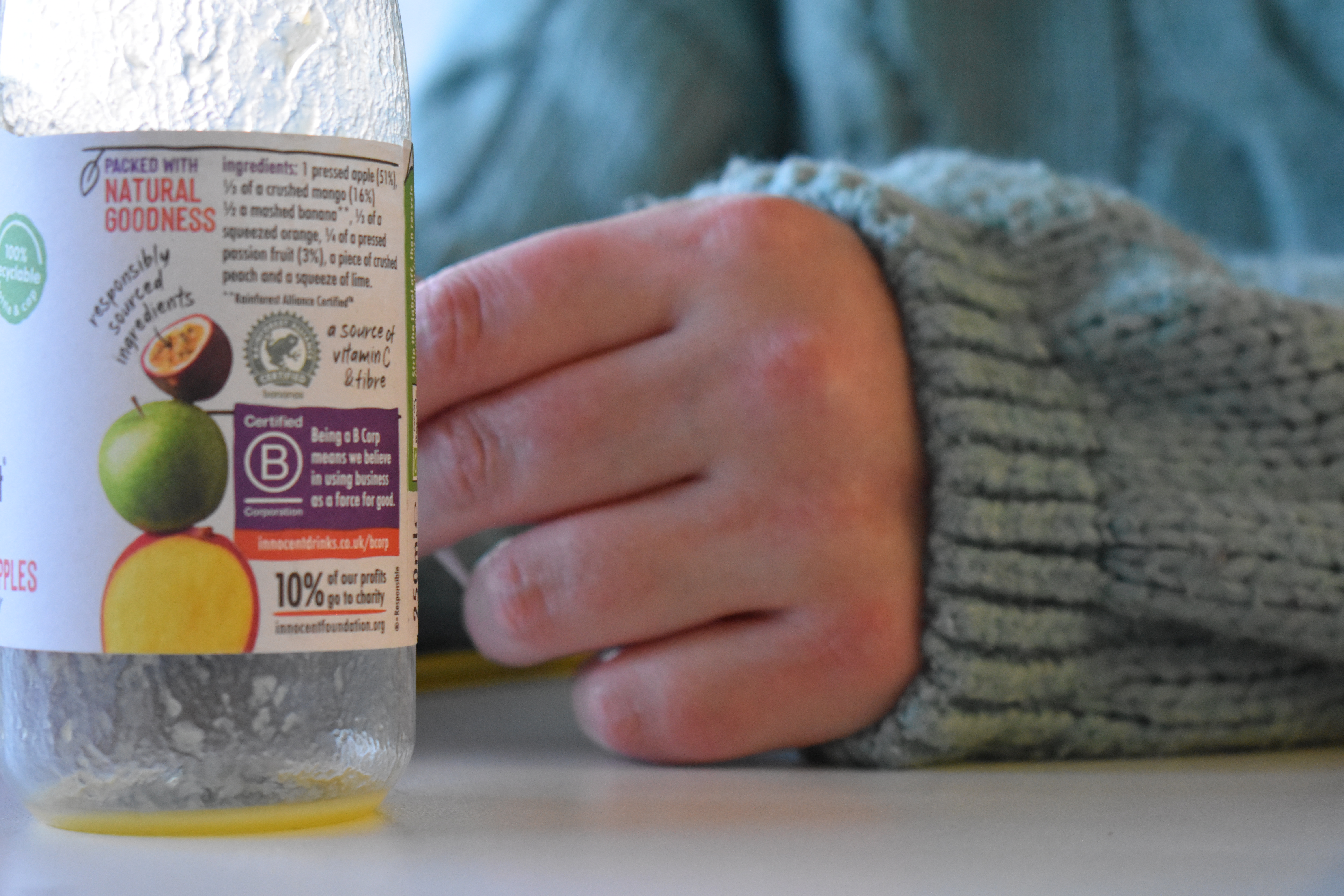
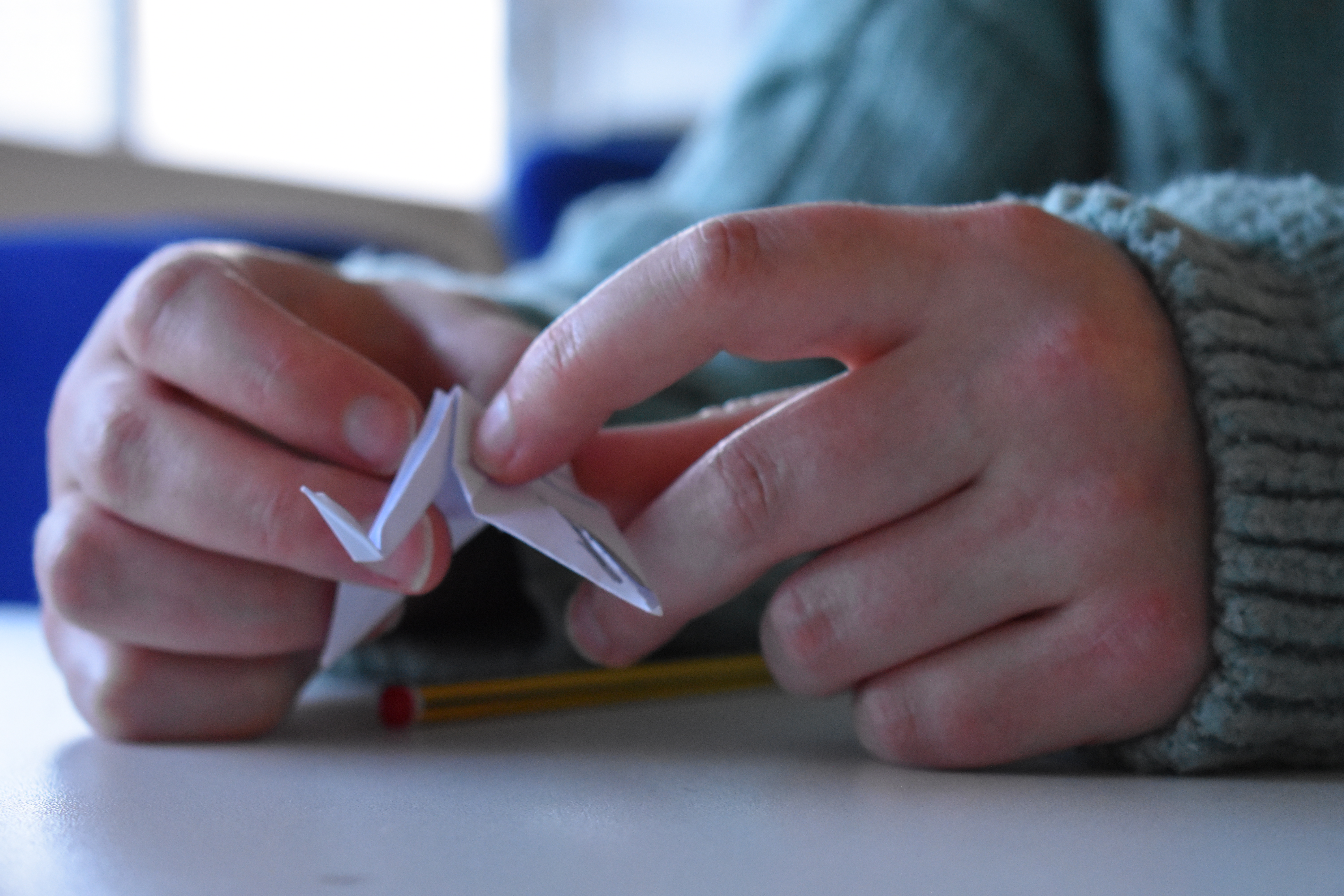
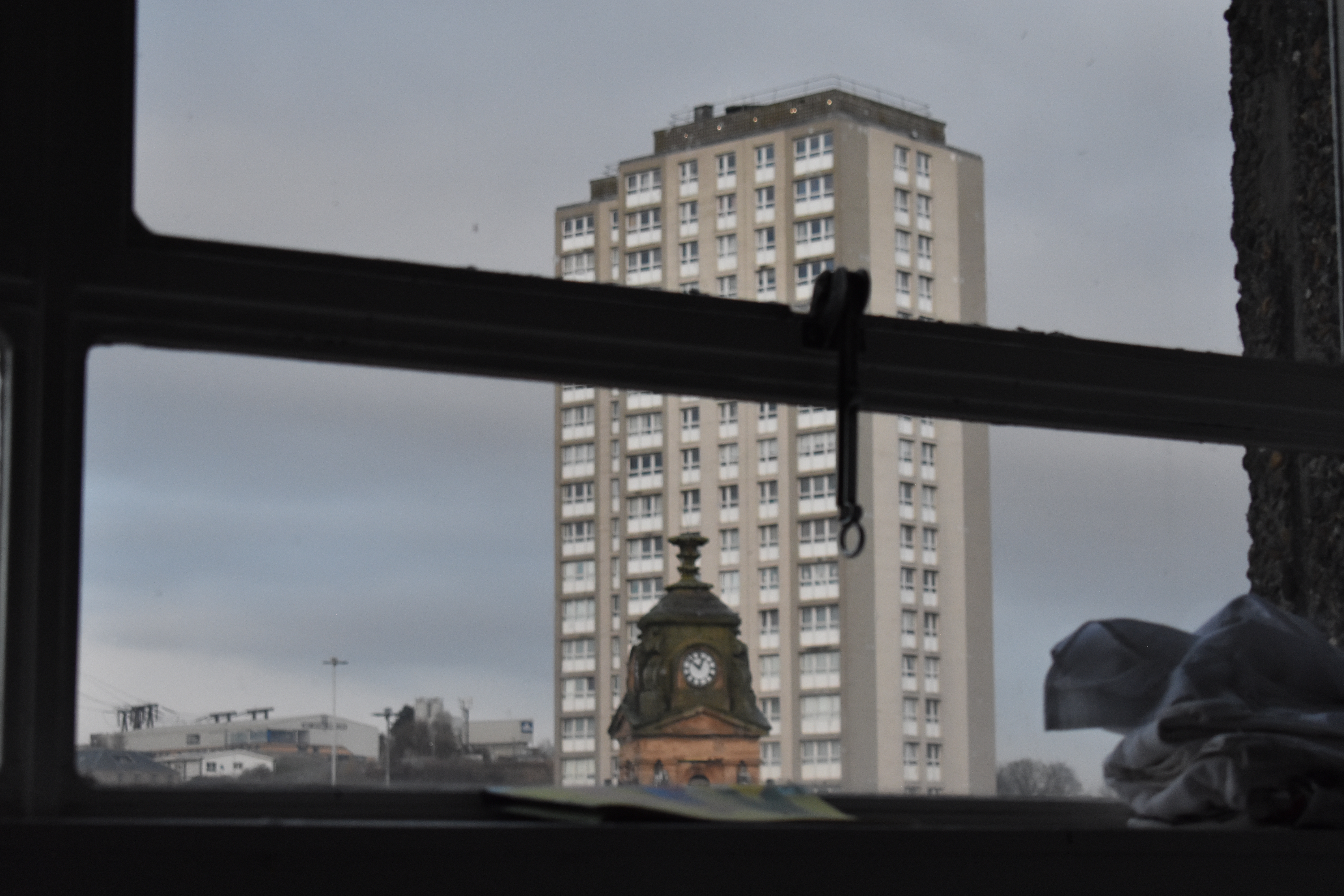
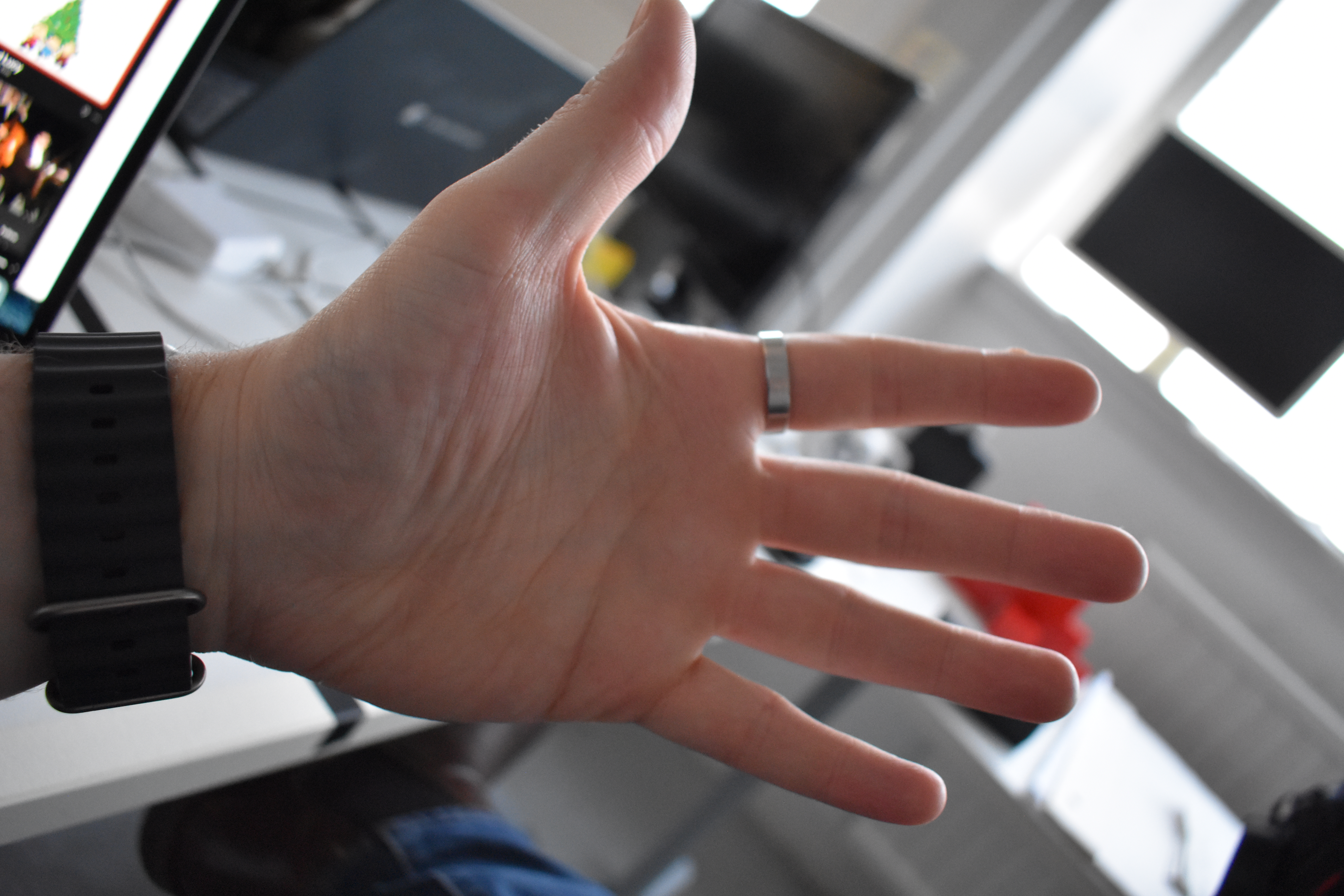
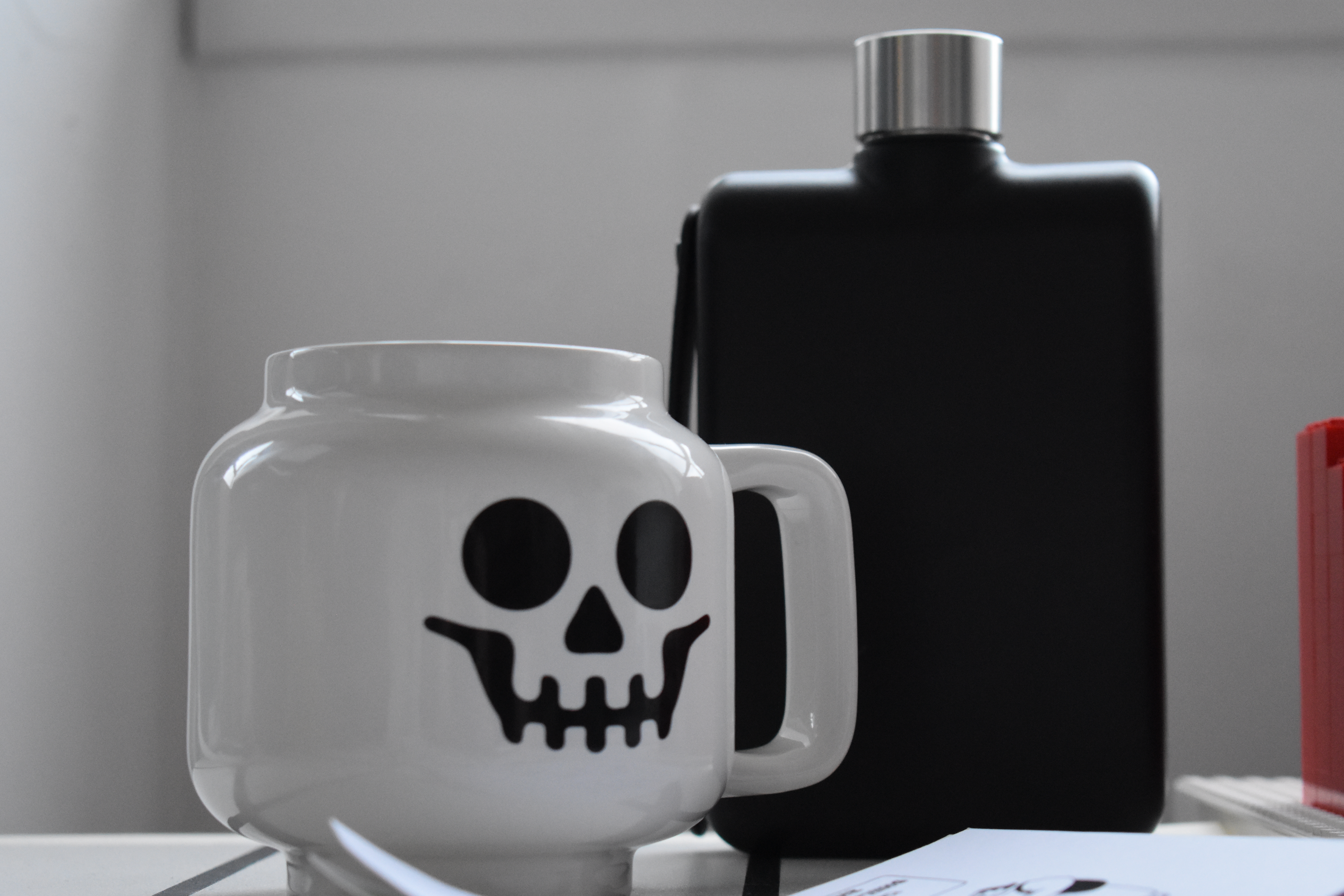
Familiarising myself again with my camera in the studio.
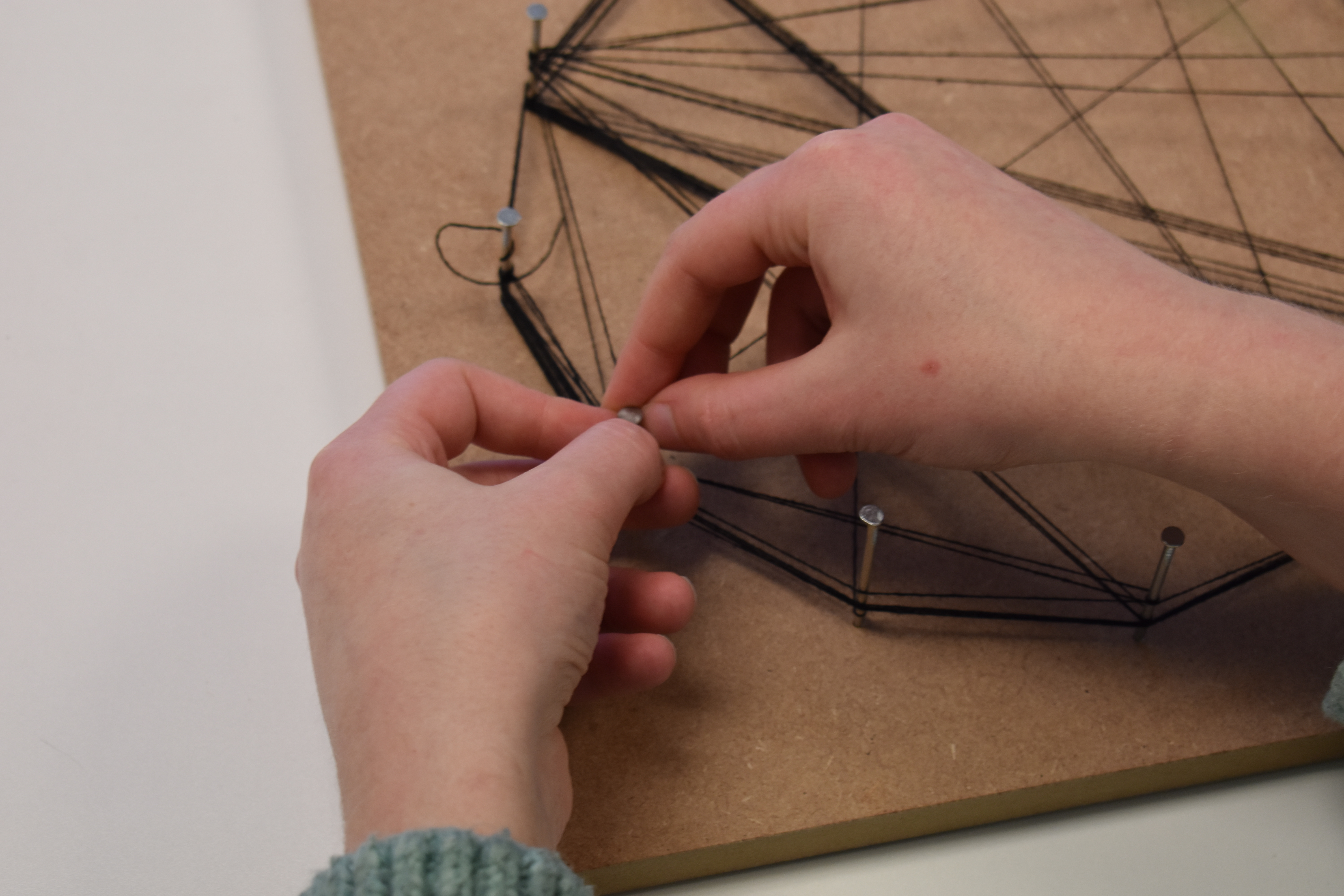
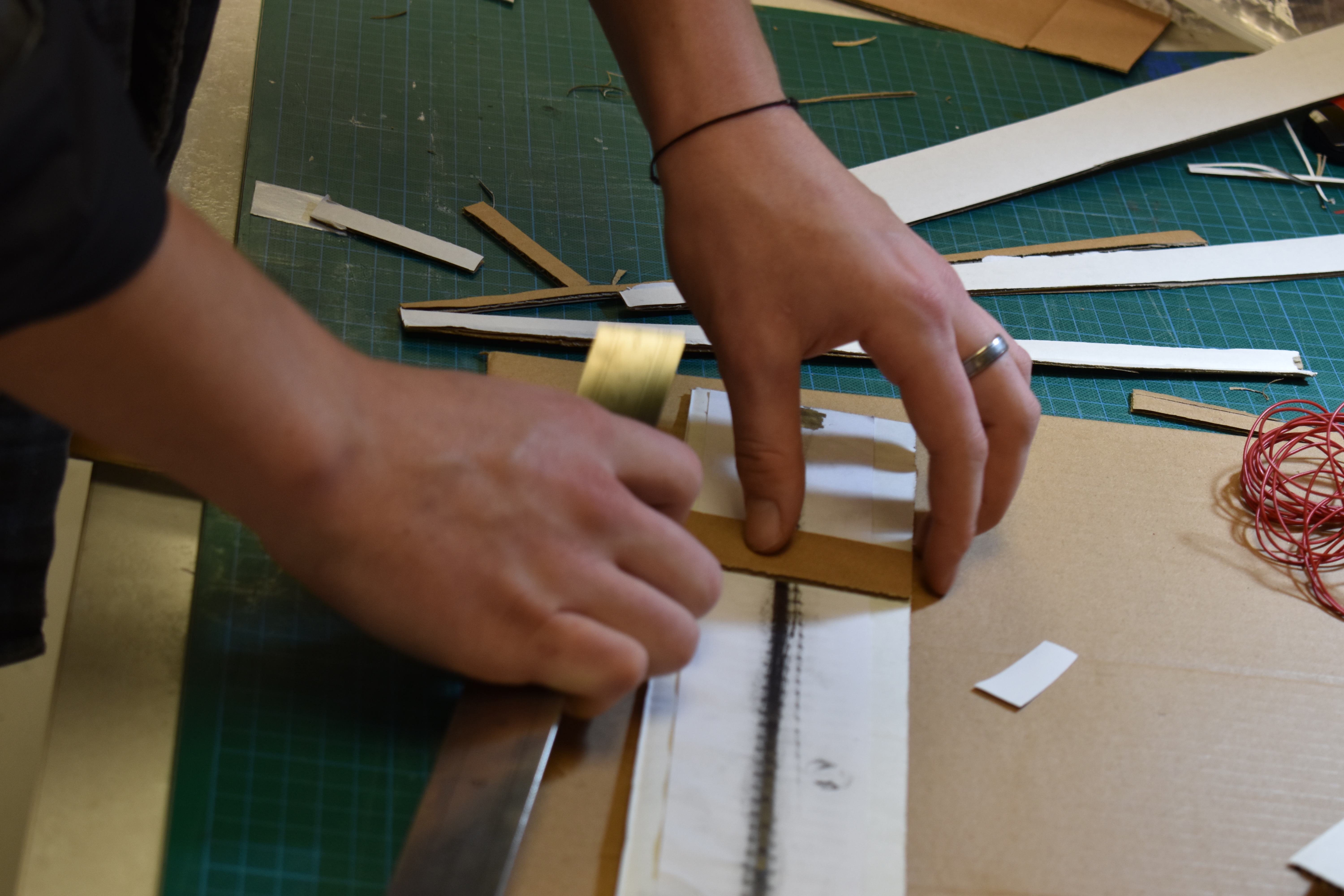


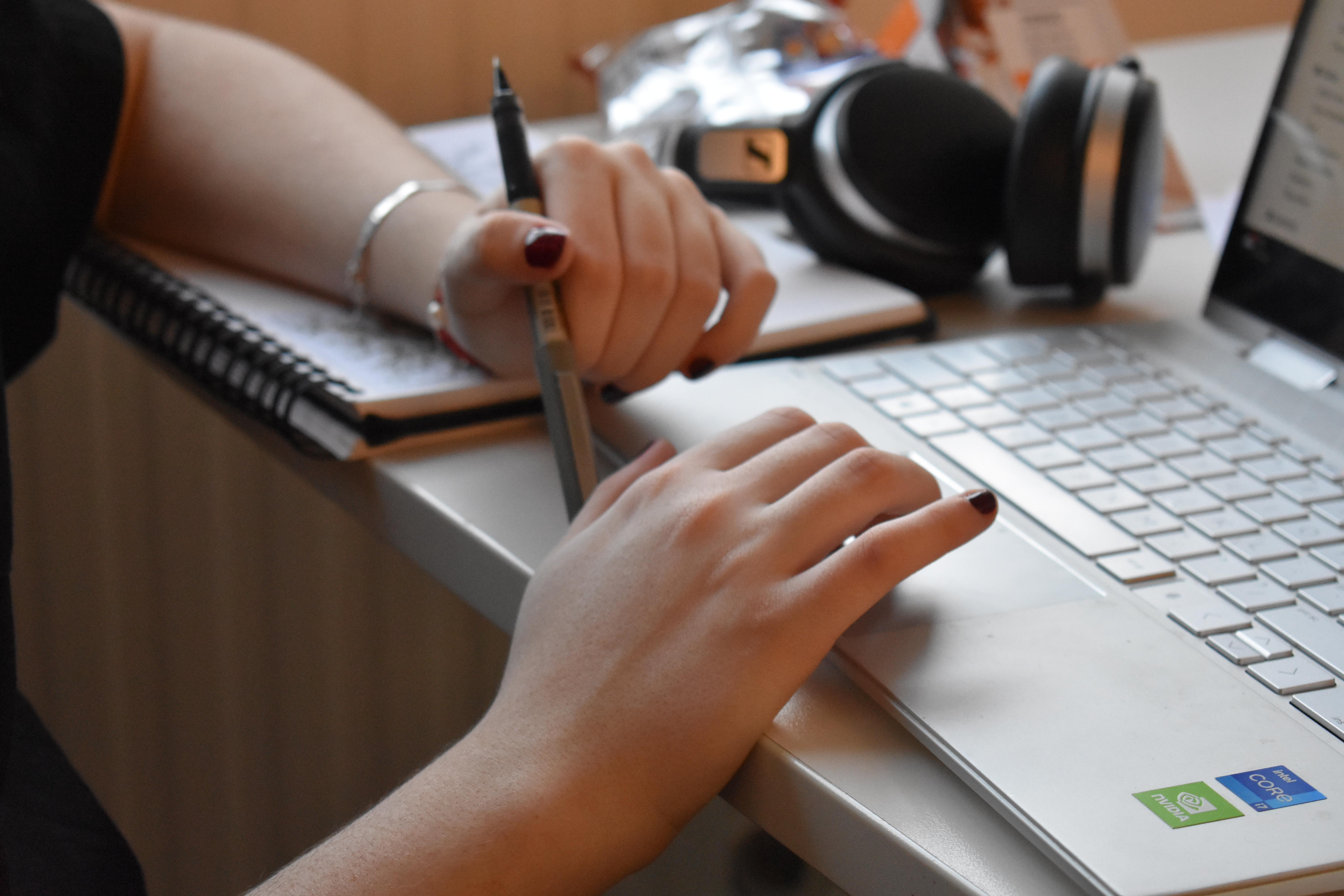
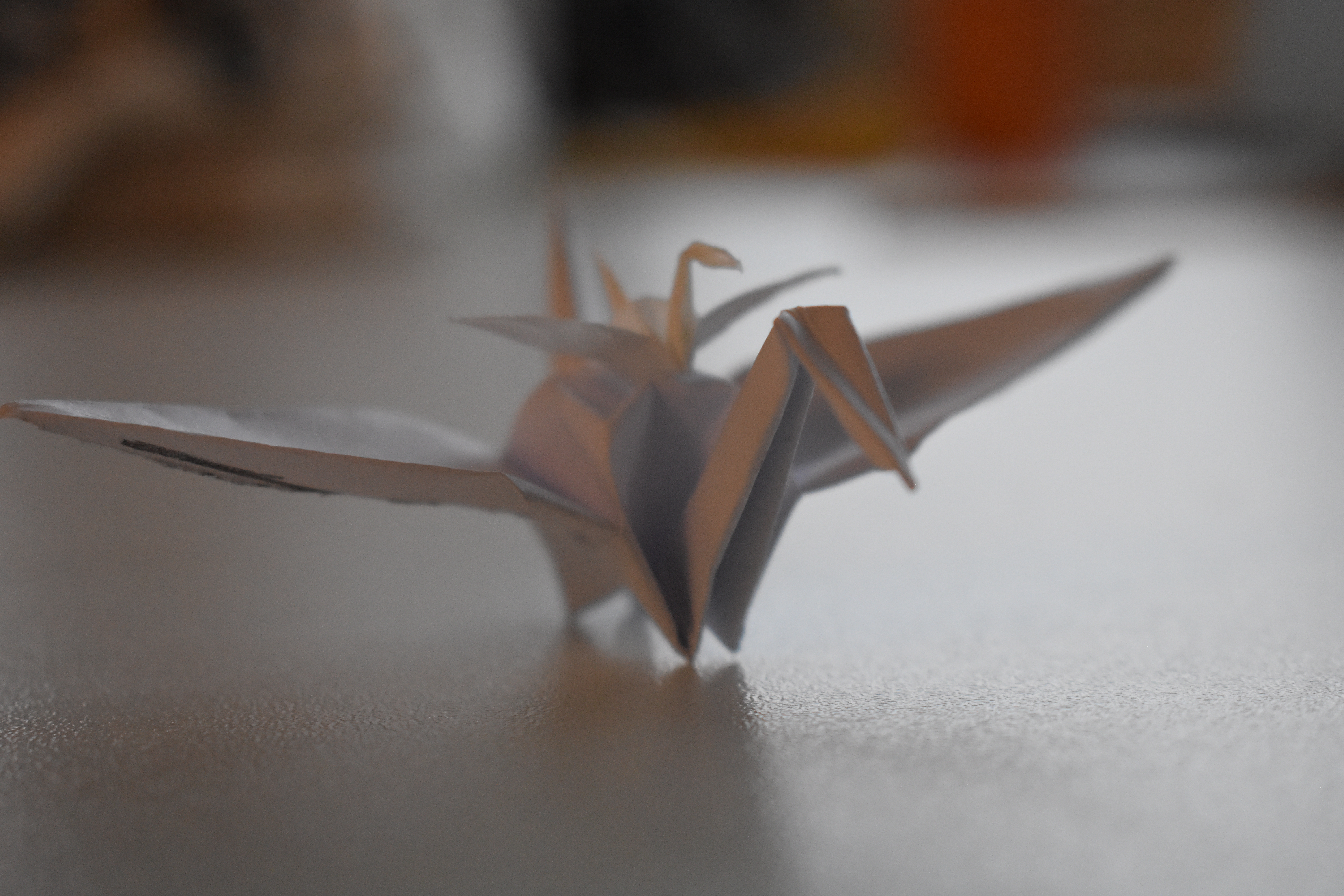
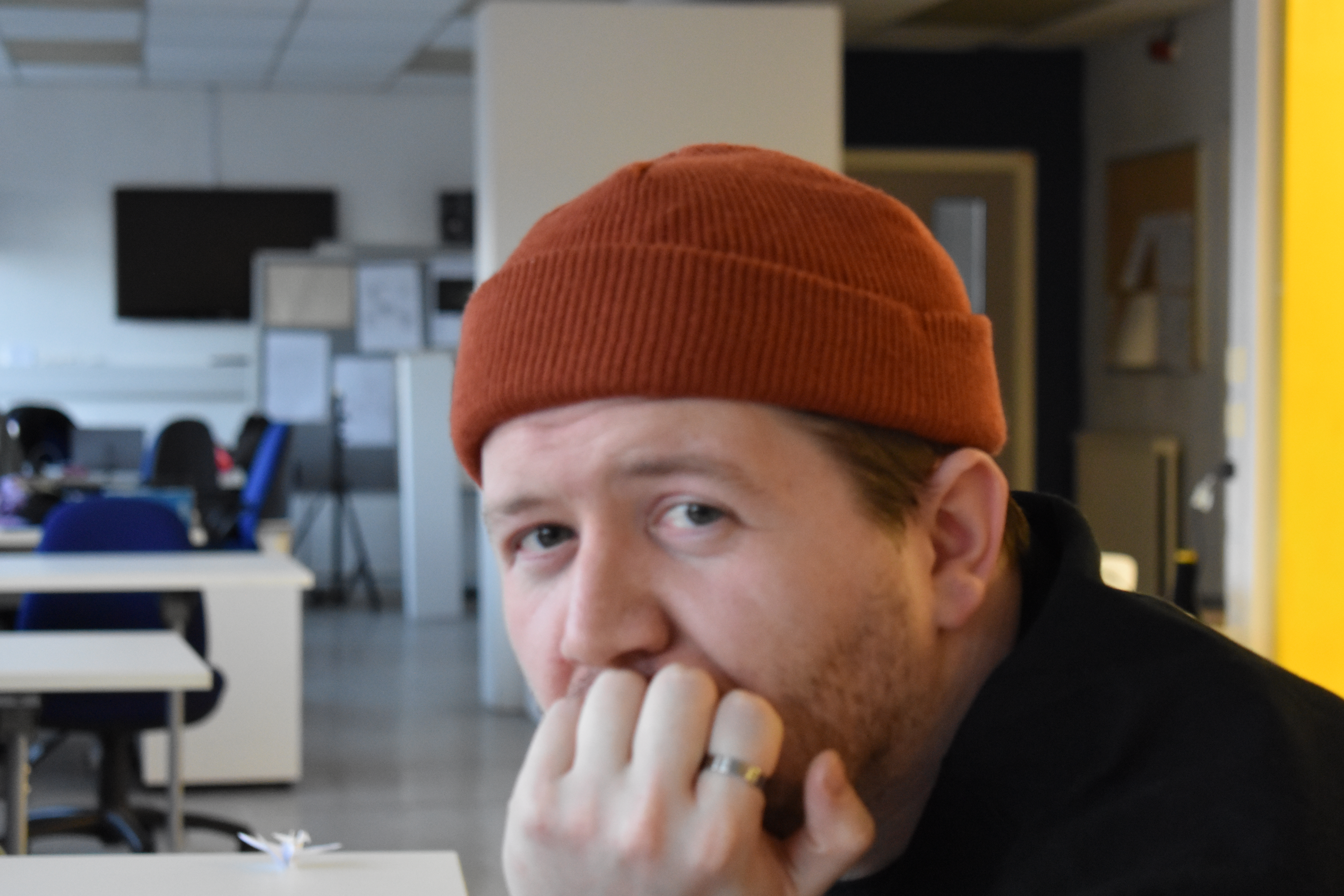

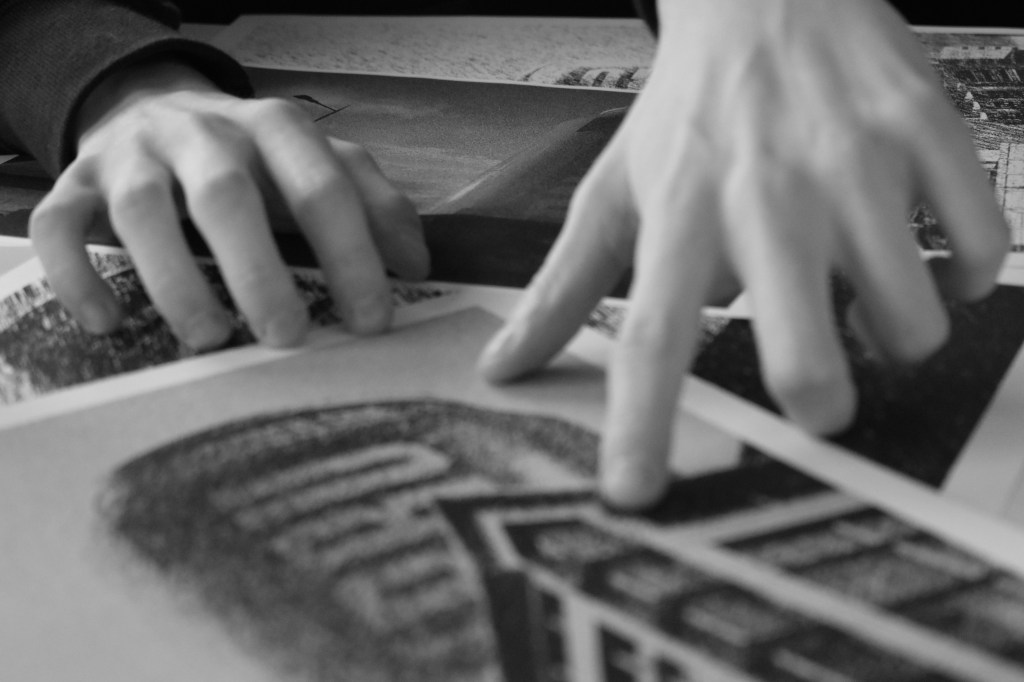
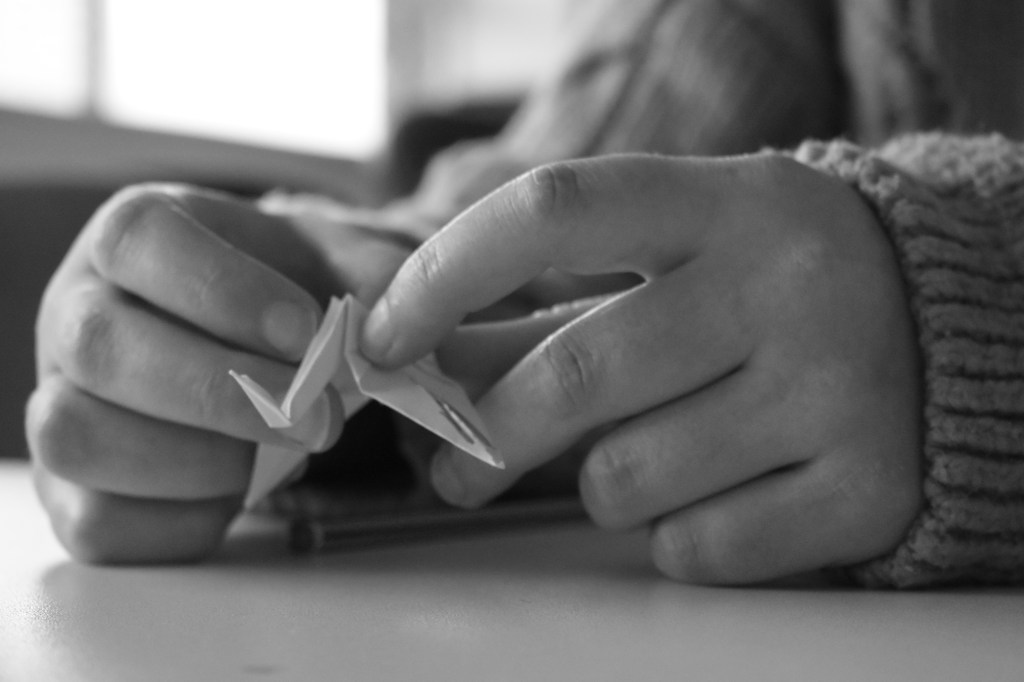
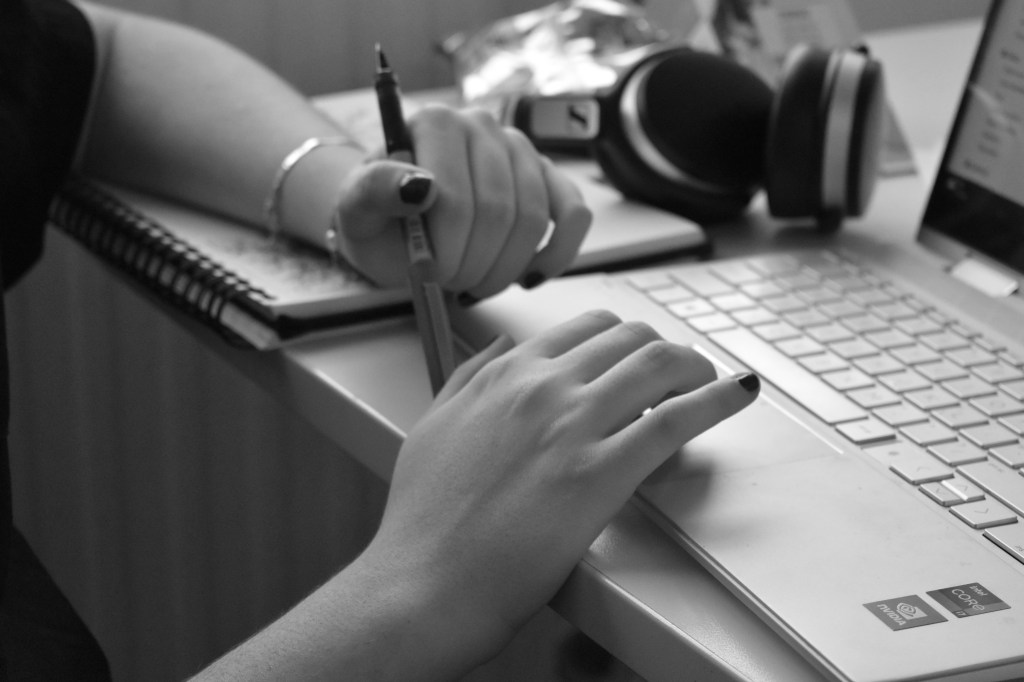
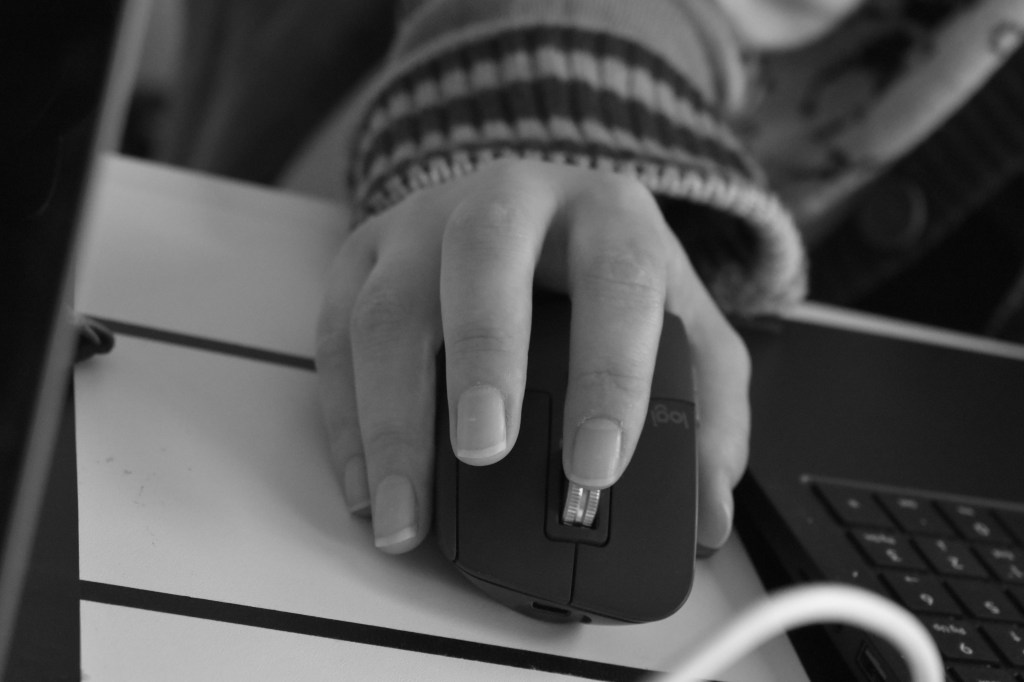
HAND TEST THREE:

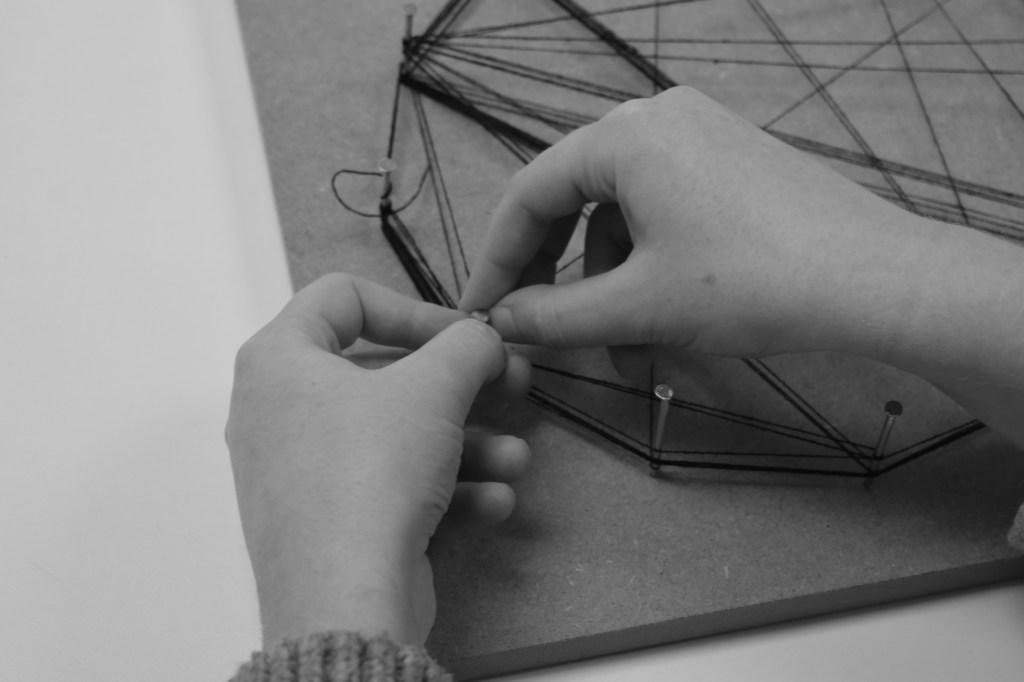

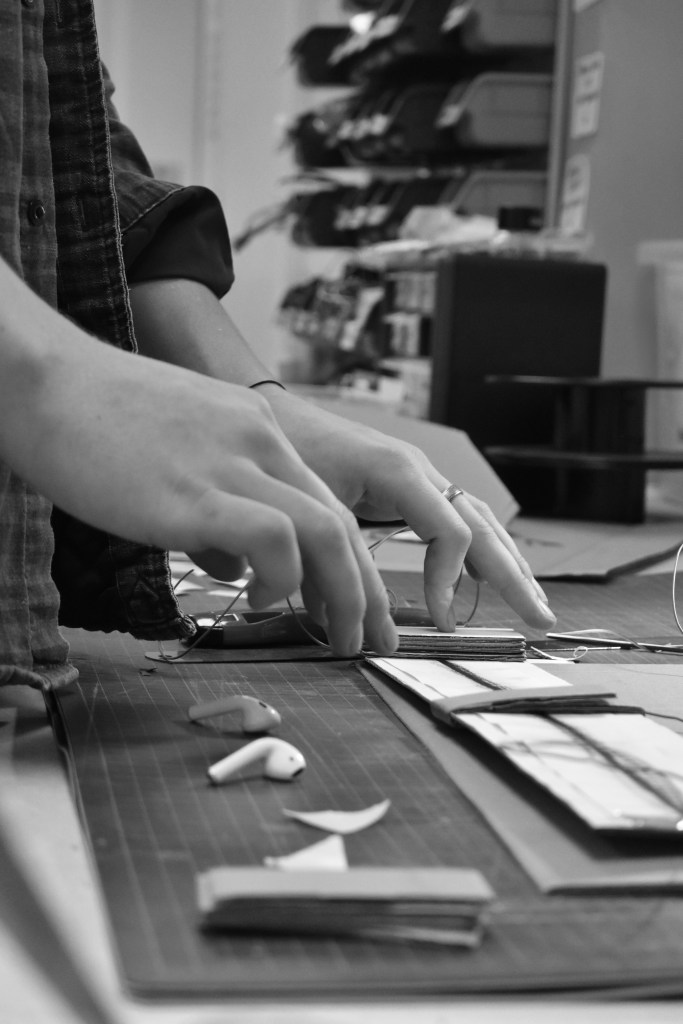


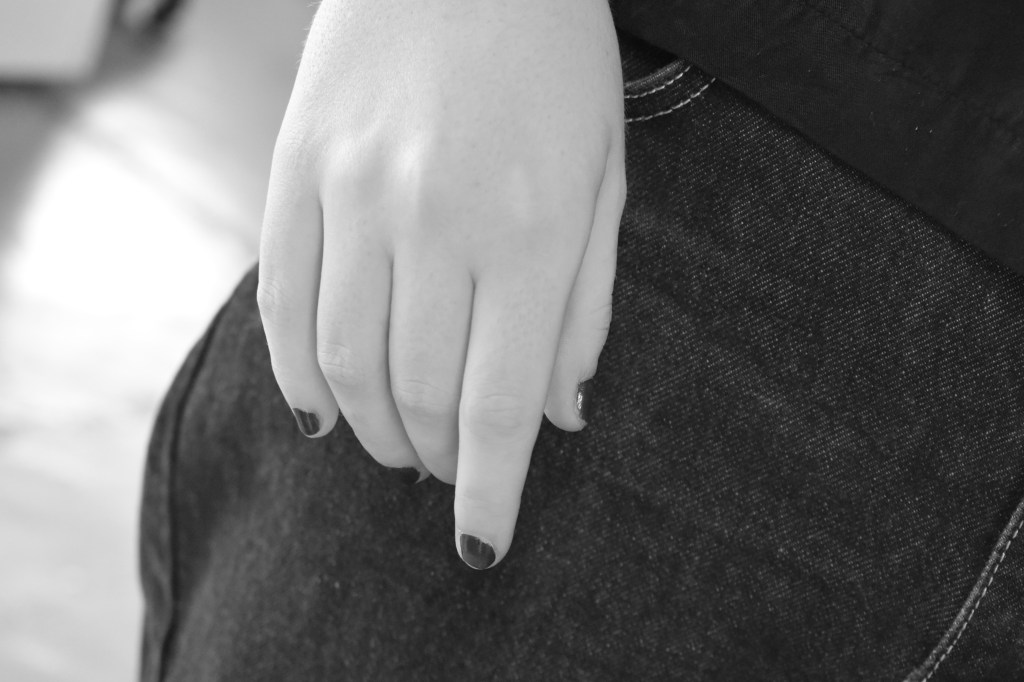
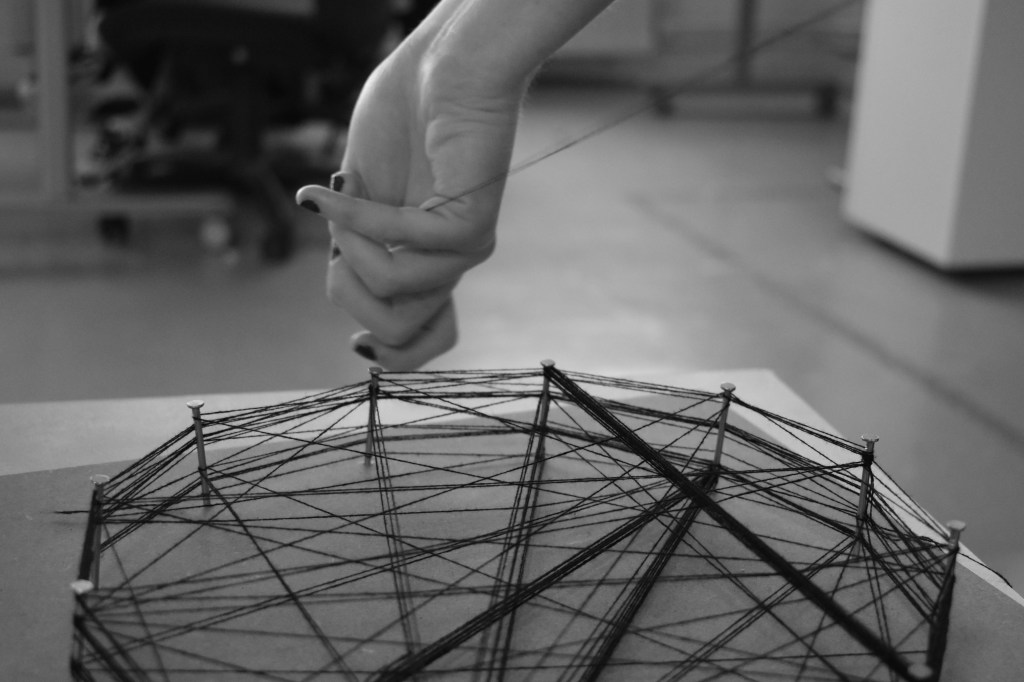

DESIGN DOMAIN WRITING:
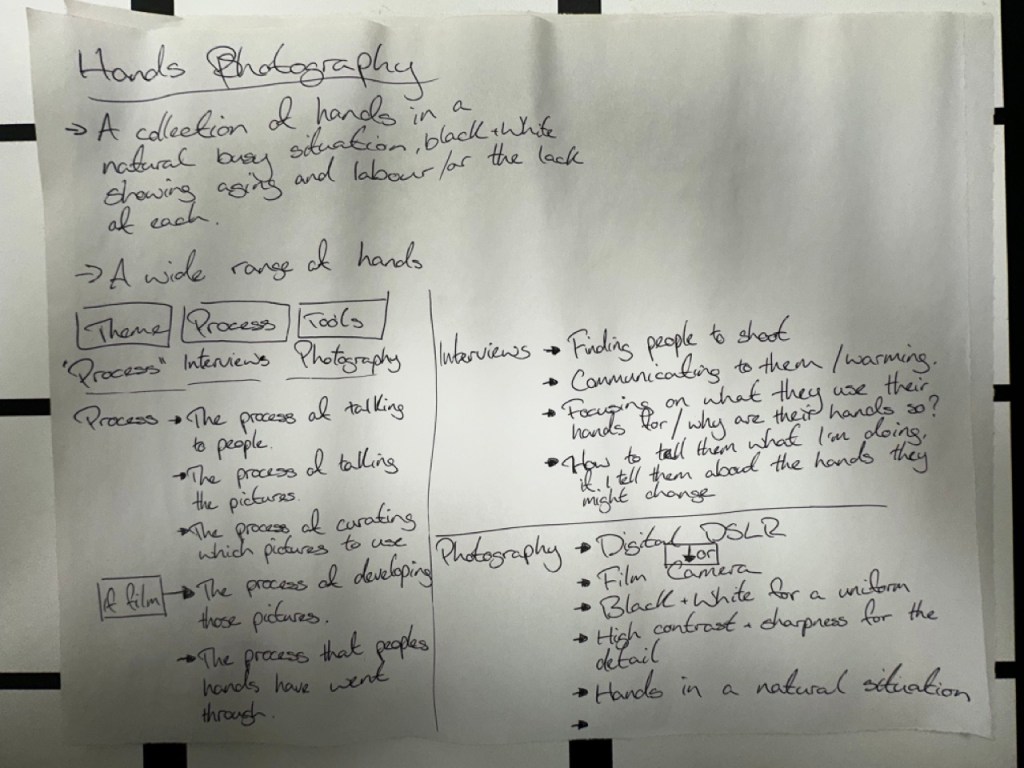
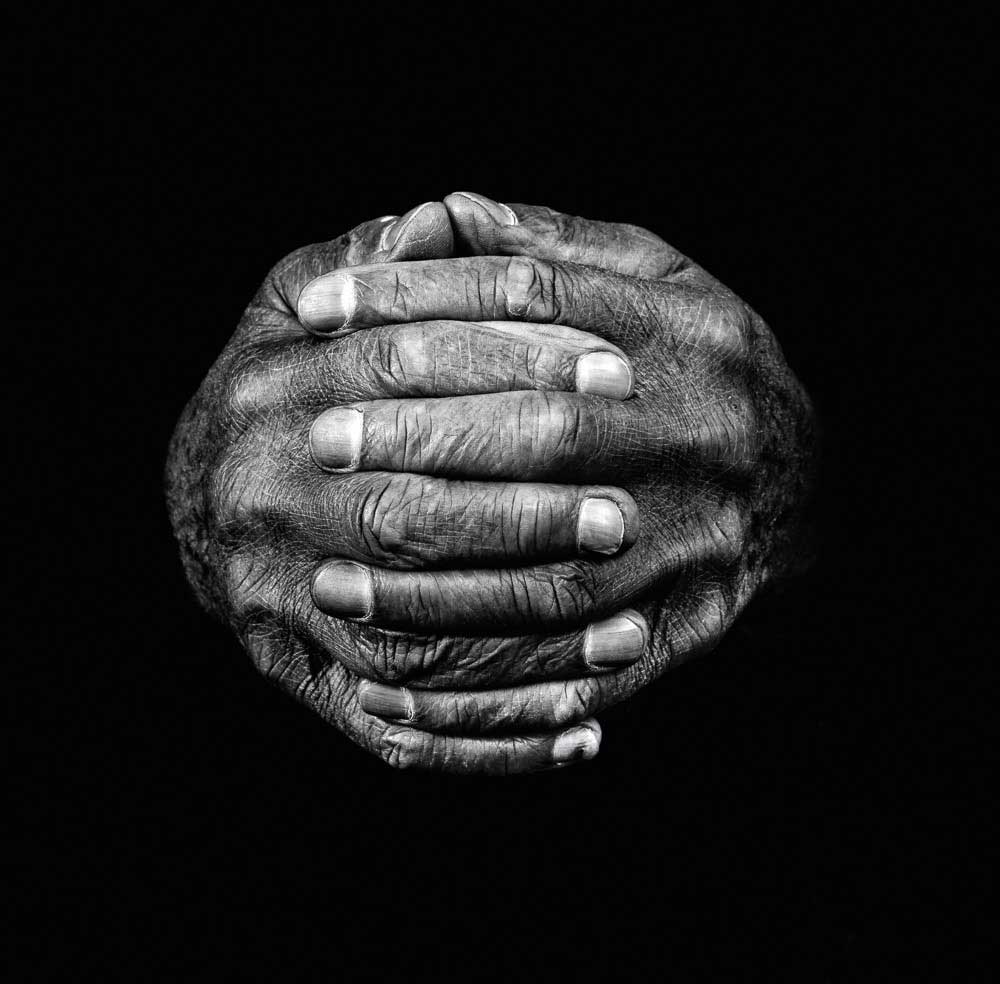
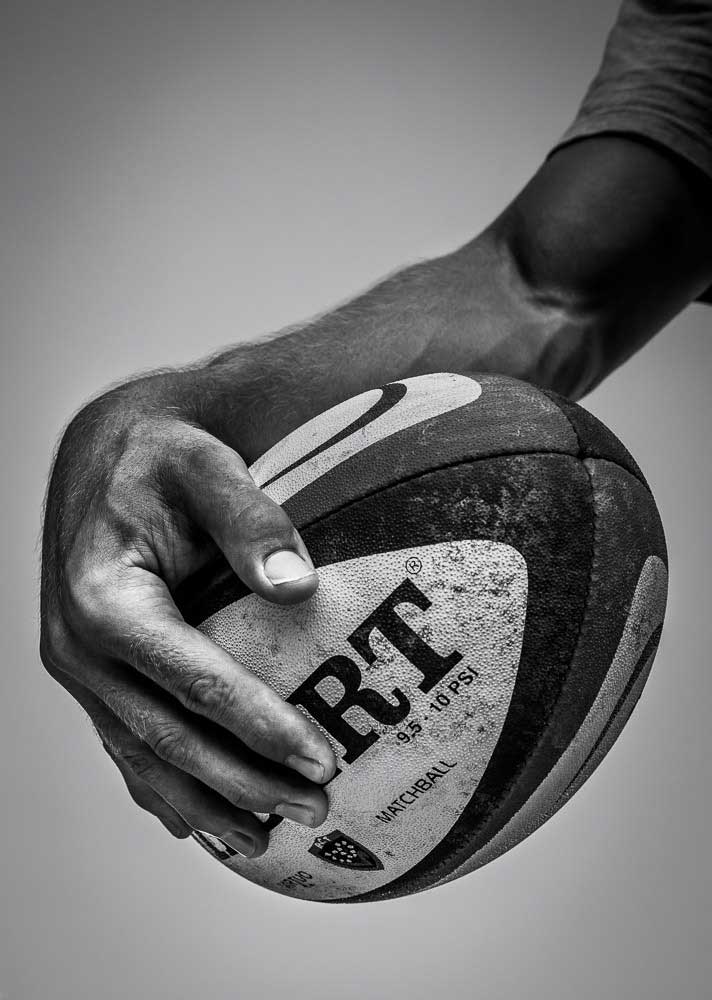
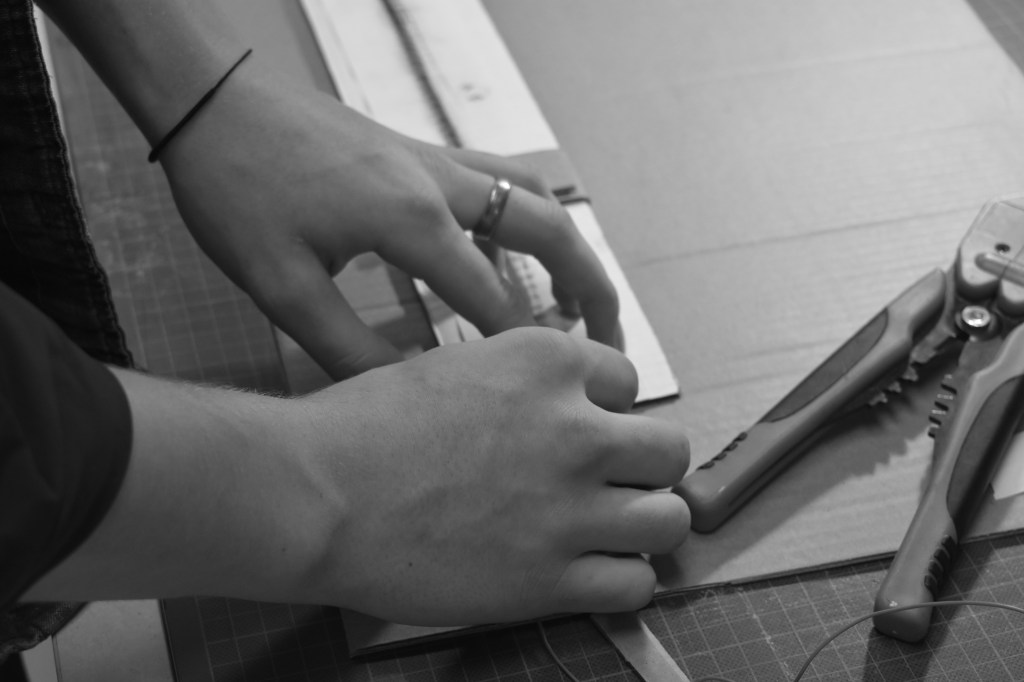
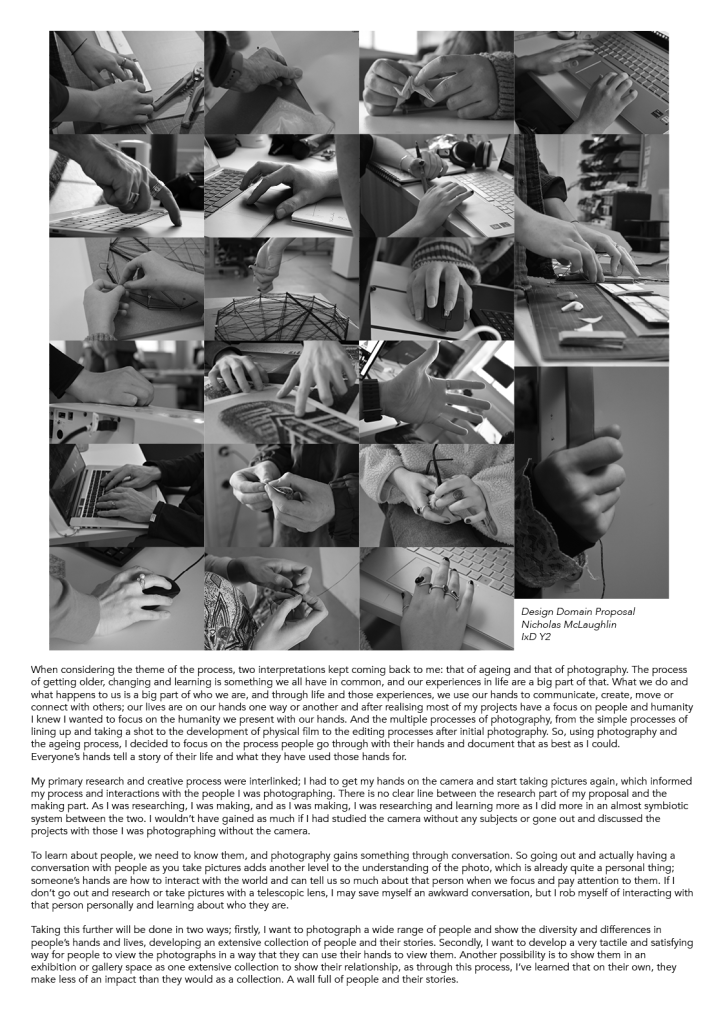
When considering the theme of the process, two interpretations kept coming back to me: that of ageing and that of photography. The process of getting older, changing and learning is something we all have in common, and our experiences in life are a big part of that. What we do and what happens to us is a big part of who we are, and through life and those experiences, we use our hands to communicate, create, move or connect with others; our lives are on our hands one way or another and after realising most of my projects have a focus on people and humanity I knew I wanted to focus on the humanity we present with our hands. And the multiple processes of photography, from the simple processes of lining up and taking a shot to the development of physical film to the editing processes after initial photography. So, using photography and the ageing process, I decided to focus on the process people go through with their hands and document that as best as I could.
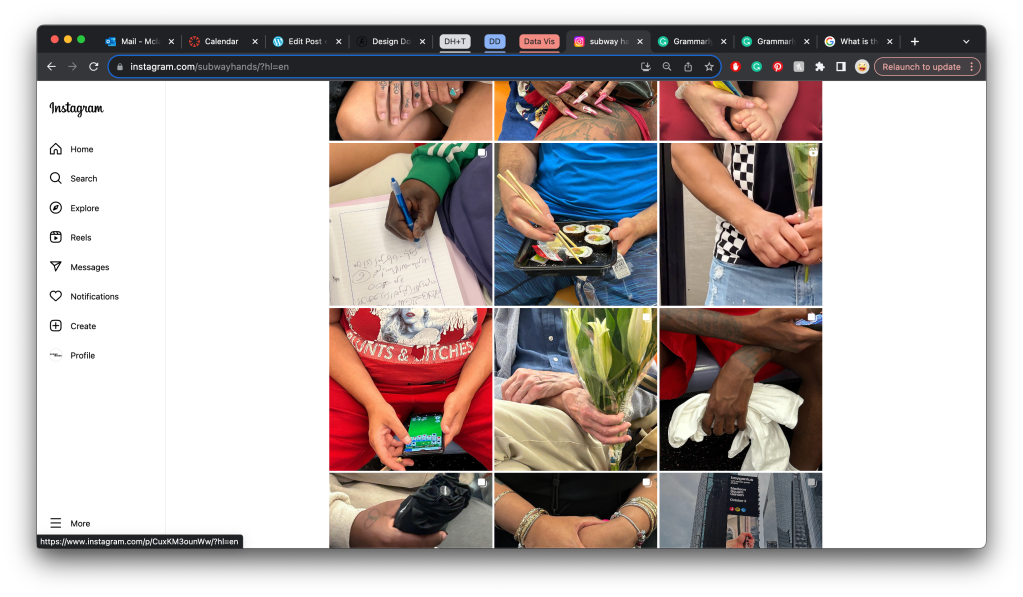
Everyone’s hands tell a story of their life and what they have used those hands for.
My primary research and creative process were interlinked; I had to get my hands on the camera and start taking pictures again, which informed my process and interactions with the people I was photographing. There is no clear line between the research part of my proposal and the making part. As I was researching, I was making, and as I was making, I was researching and learning more as I did more in an almost symbiotic system between the two. I wouldn’t have gained as much if I had studied the camera without any subjects or gone out and discussed the projects with those I was photographing without the camera.
To learn about people, we need to know them, and photography gains something through conversation. So going out and actually having a conversation with people as you take pictures adds another level to the understanding of the photo, which is already quite a personal thing; someone’s hands are how to interact with the world and can tell us so much about that person when we focus and pay attention to them. If I don’t go out and research or take pictures with a telescopic lens, I may save myself an awkward conversation, but I rob myself of interacting with that person personally and learning about who they are.
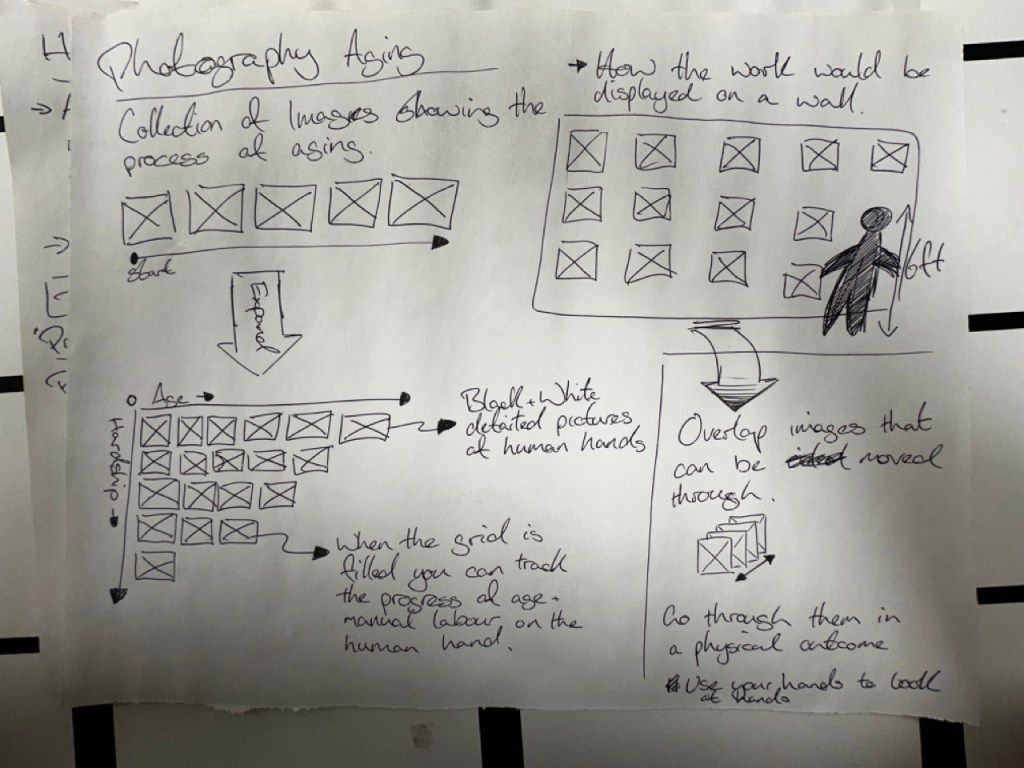
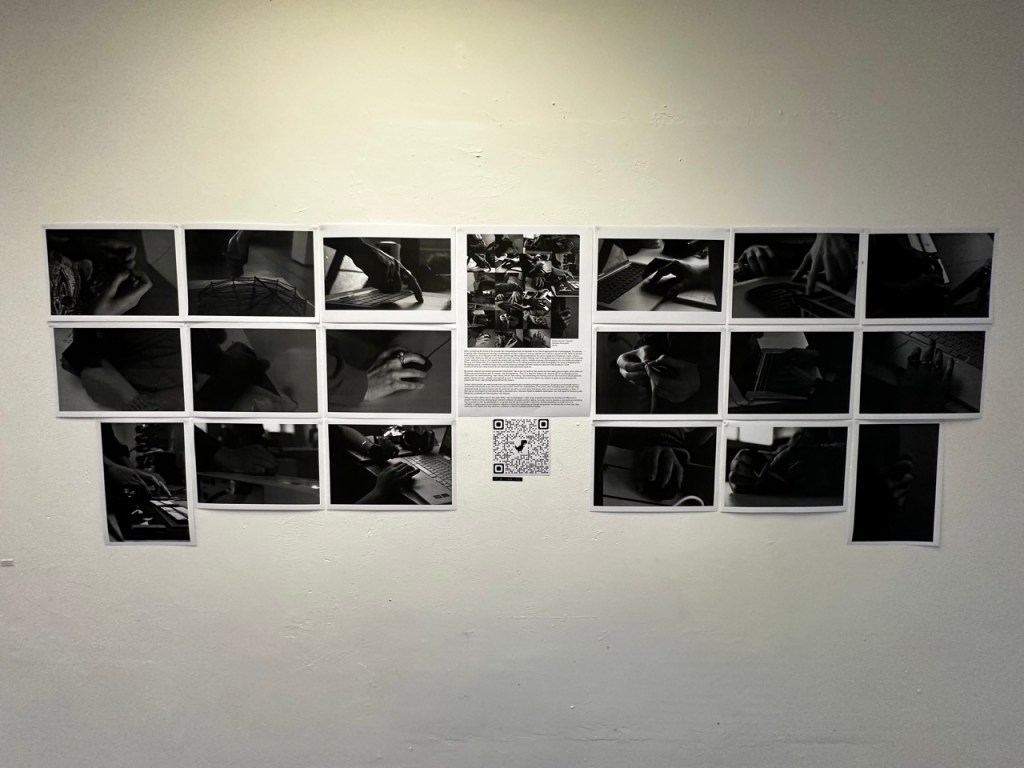
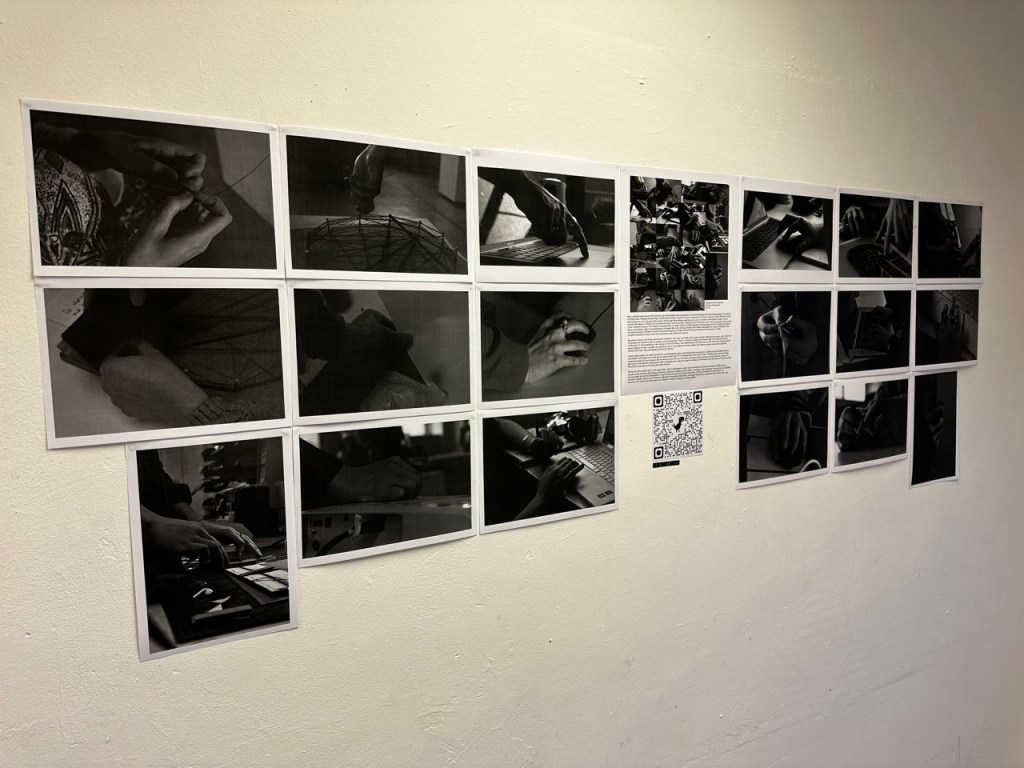
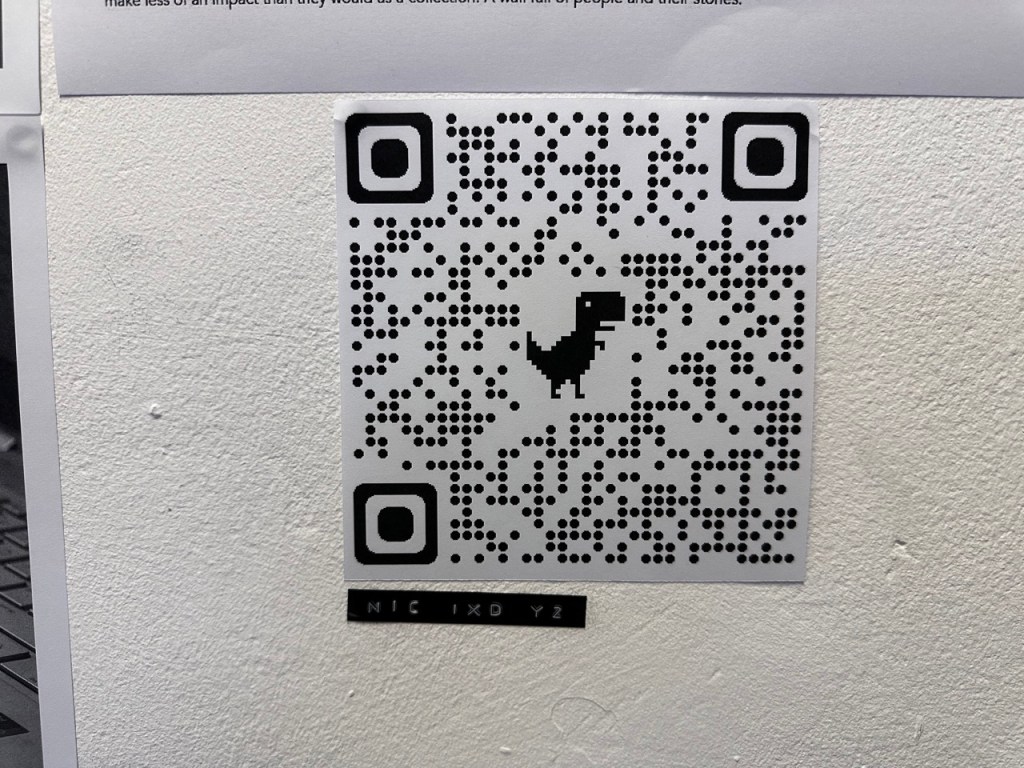
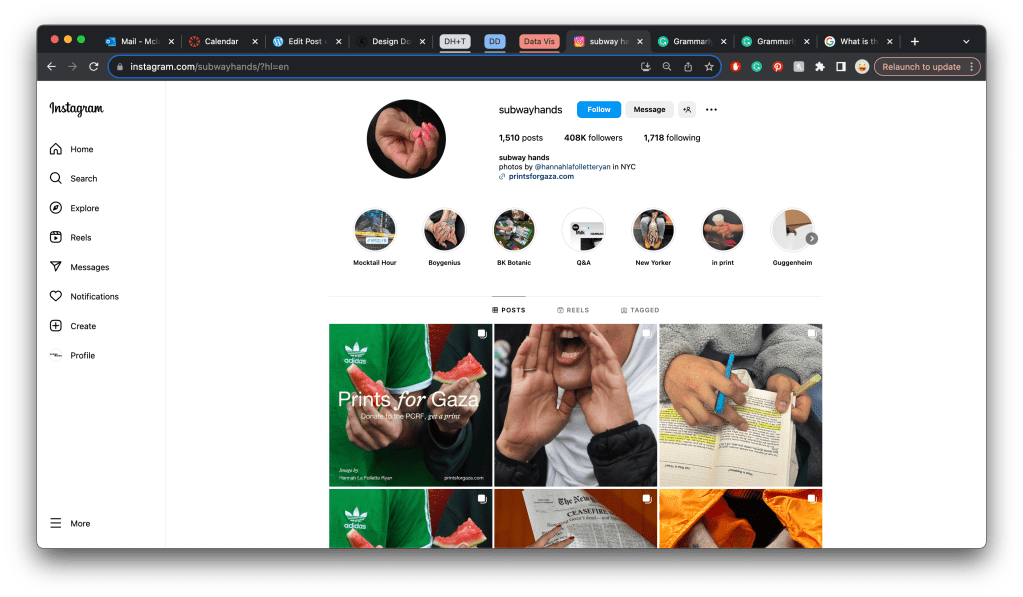
Taking this further will be done in two ways; firstly, I want to photograph a wide range of people and show the diversity and differences in people’s hands and lives, developing an extensive collection of people and their stories. Secondly, I want to develop a very tactile and satisfying way for people to view the photographs in a way that they can use their hands to view them. Another possibility is to show them in an exhibition or gallery space as one extensive collection to show their relationship, as through this process, I’ve learned that on their own, they make less of an impact than they would as a collection. A wall full of people and their stories.
DESIGN DOMAIN PROPOSAL:
DESIGN DOMAIN: OPEN STUDIO DISPLAY
GOING FORWARD:
 Nicholas McLaughlin Blog
Leave a comment