Workshop 01/ Launch
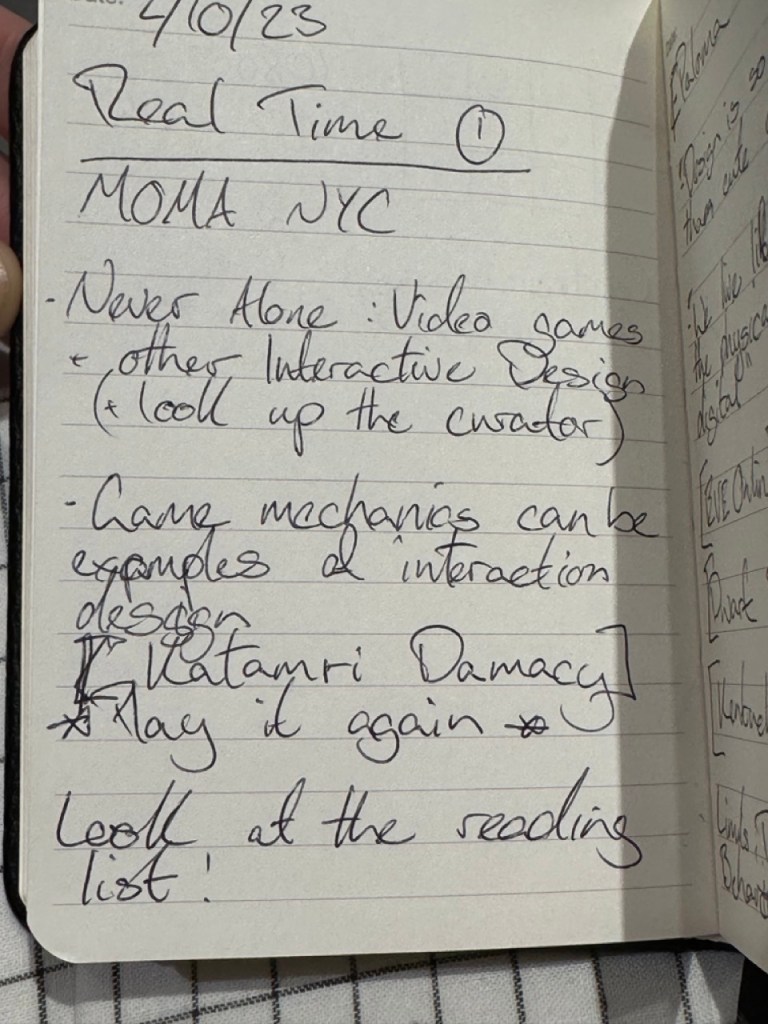
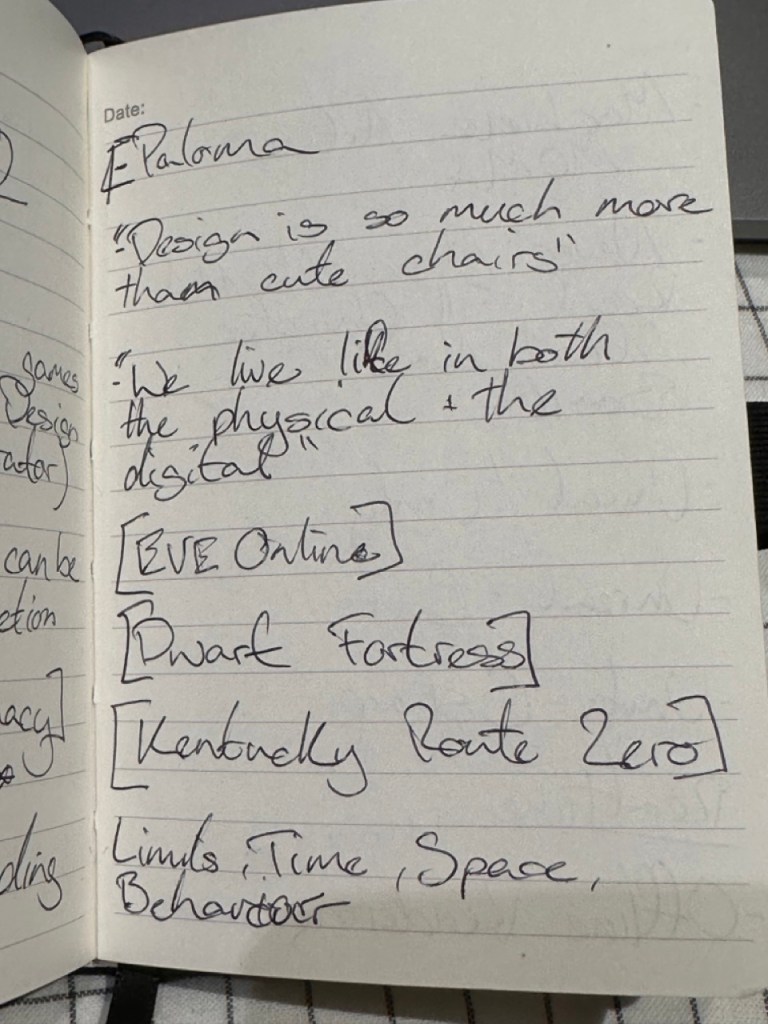

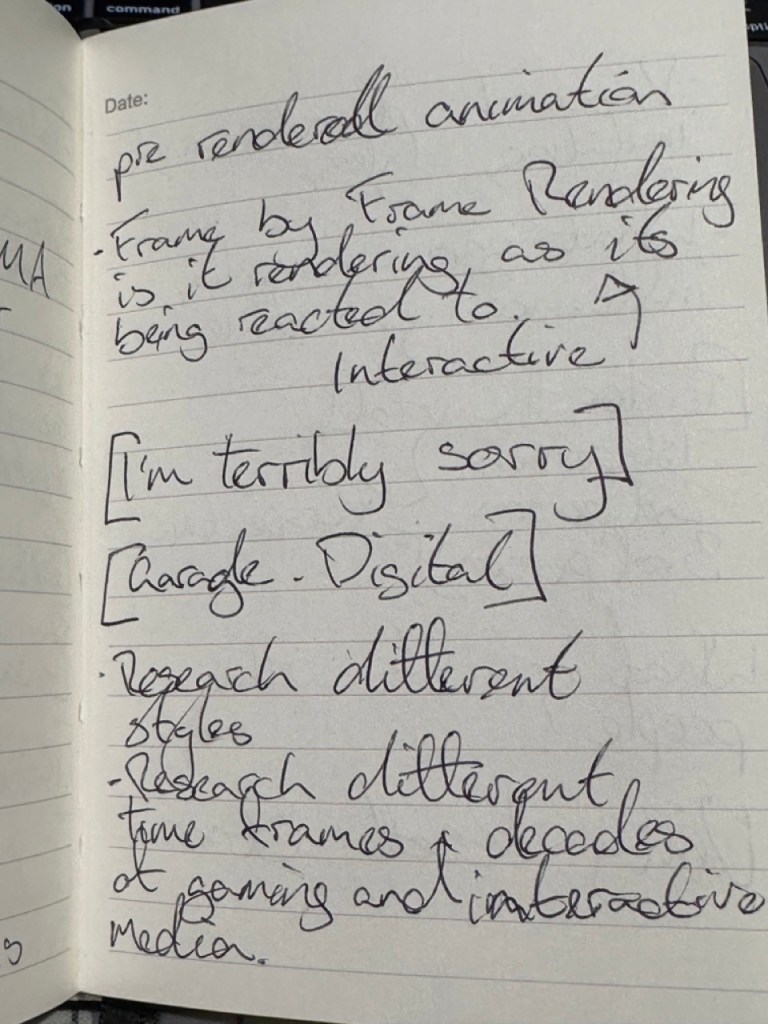
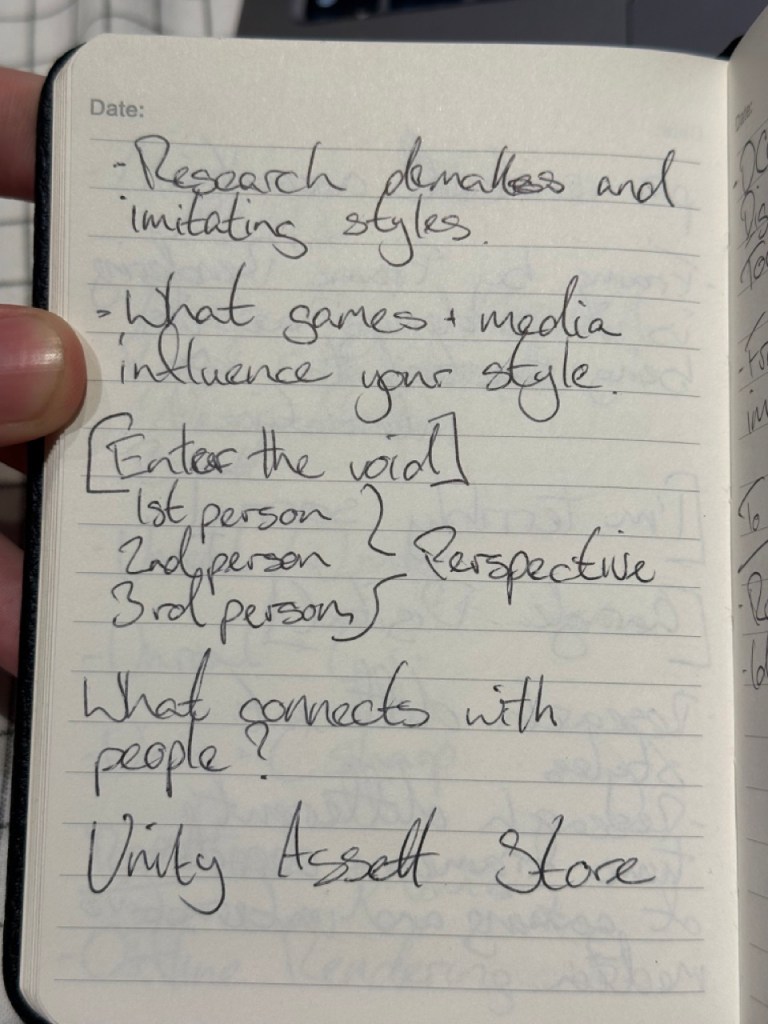
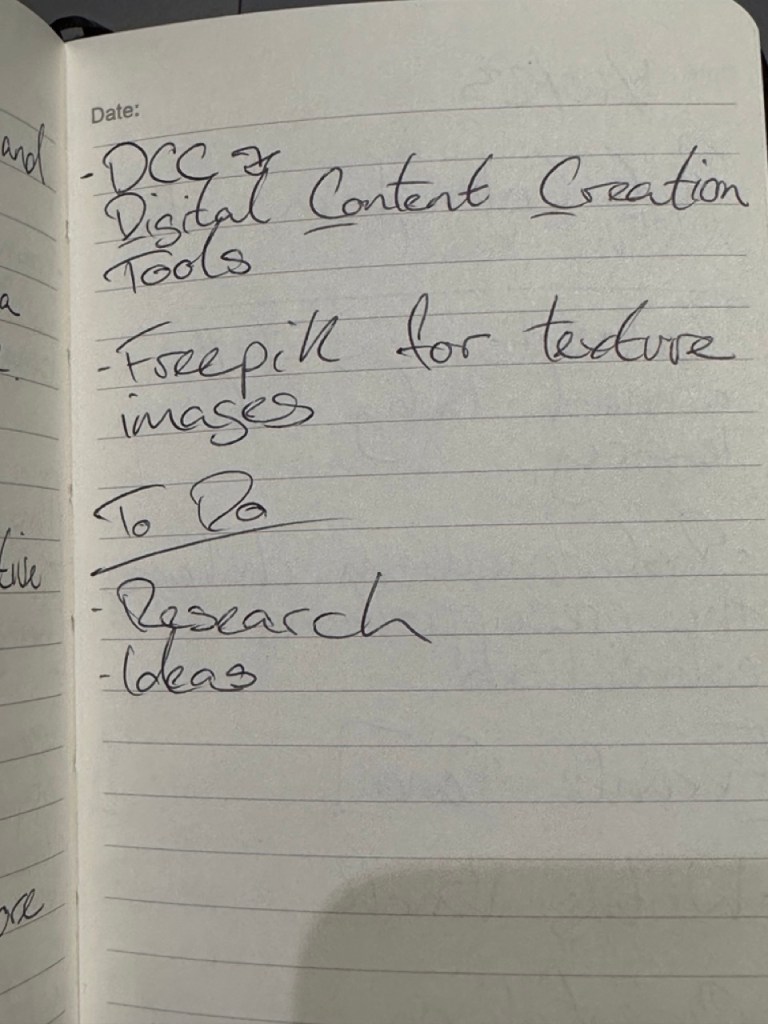
Video Game Art Styles
Initially, looking at art styles will help with where I want to take my Unity project. Now, I think it to say that I don’t know if I can research, learn the basics of Unity and create a gripping hyper-realistic scene in 3 weeks, so the Unity scene might need to be heavily stylised as I want to do this project justice and not just focus on the aesthetics of the game but the user experience as well as the sound design of the scene.
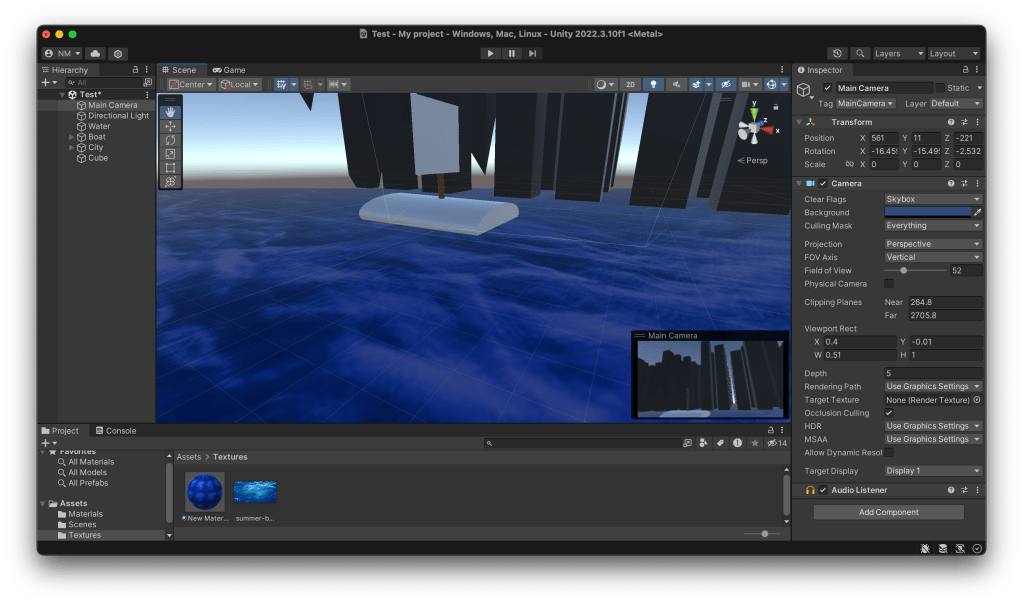
The skills I’ve gained in year one on programs like maya helped a lot with the workflow and interface of Unity and I’m sure that when I start moving deeper into Unity the differences will become more obvious but it seemed to help with the basics.
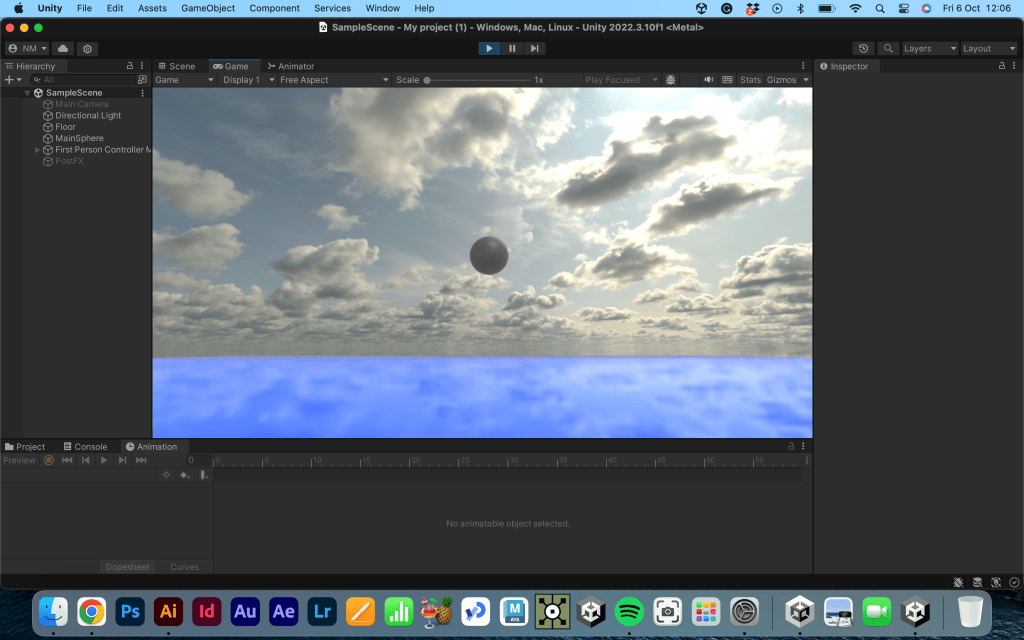
Below is a screen grab of a test scene done in workshop 01. I might change but initially I do like the visuals of a city lost at sea and the mystery that can surround that.

When thinking about user experience, I aim to draw them in. A possible way of simplifying each aspect of the scene but not reflecting on quality. An inviting art style, intuitive controls, compelling audio and a clear vision for the story/theme/mystery.
Low Polygonal (Low – Poly)
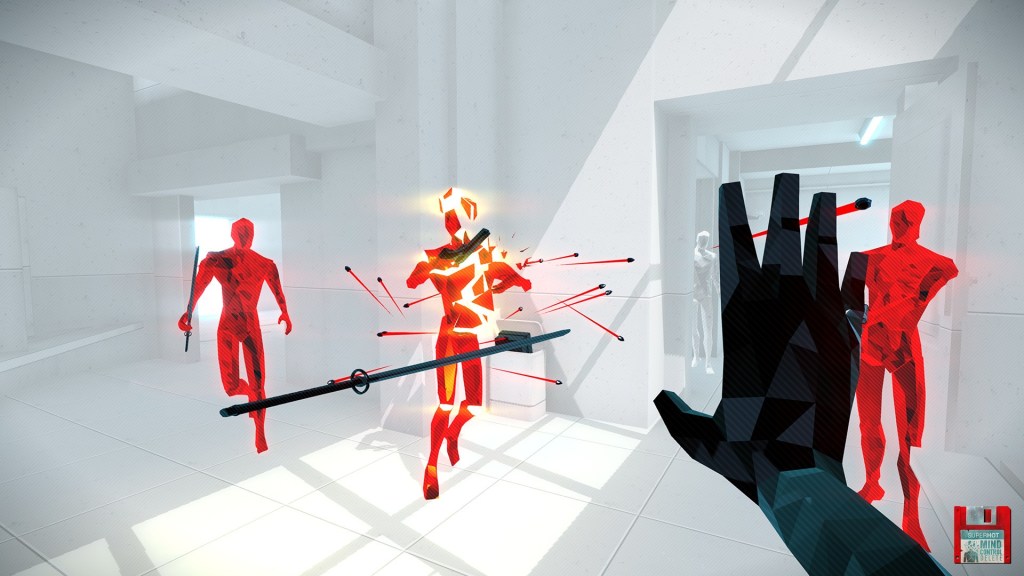
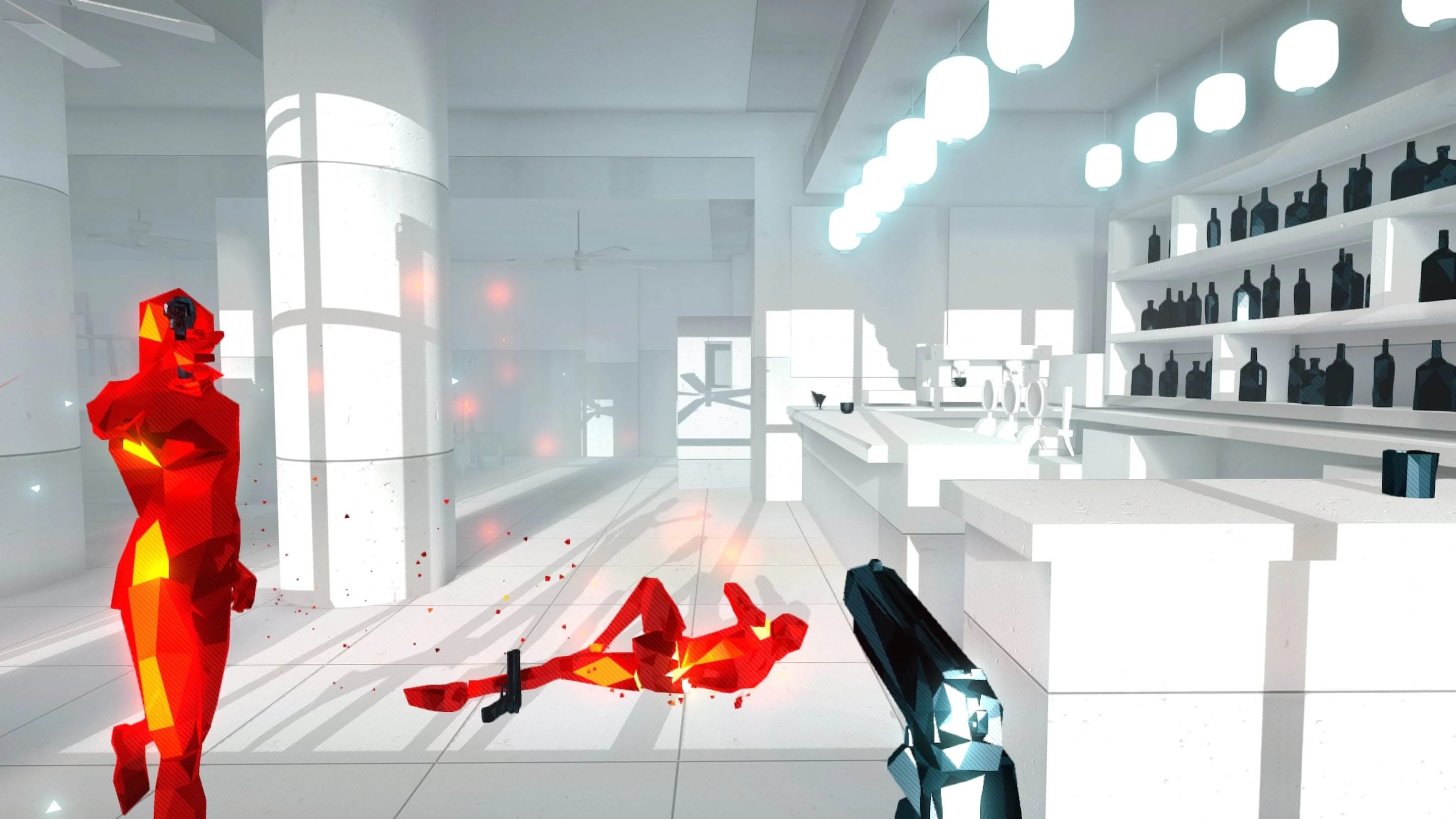
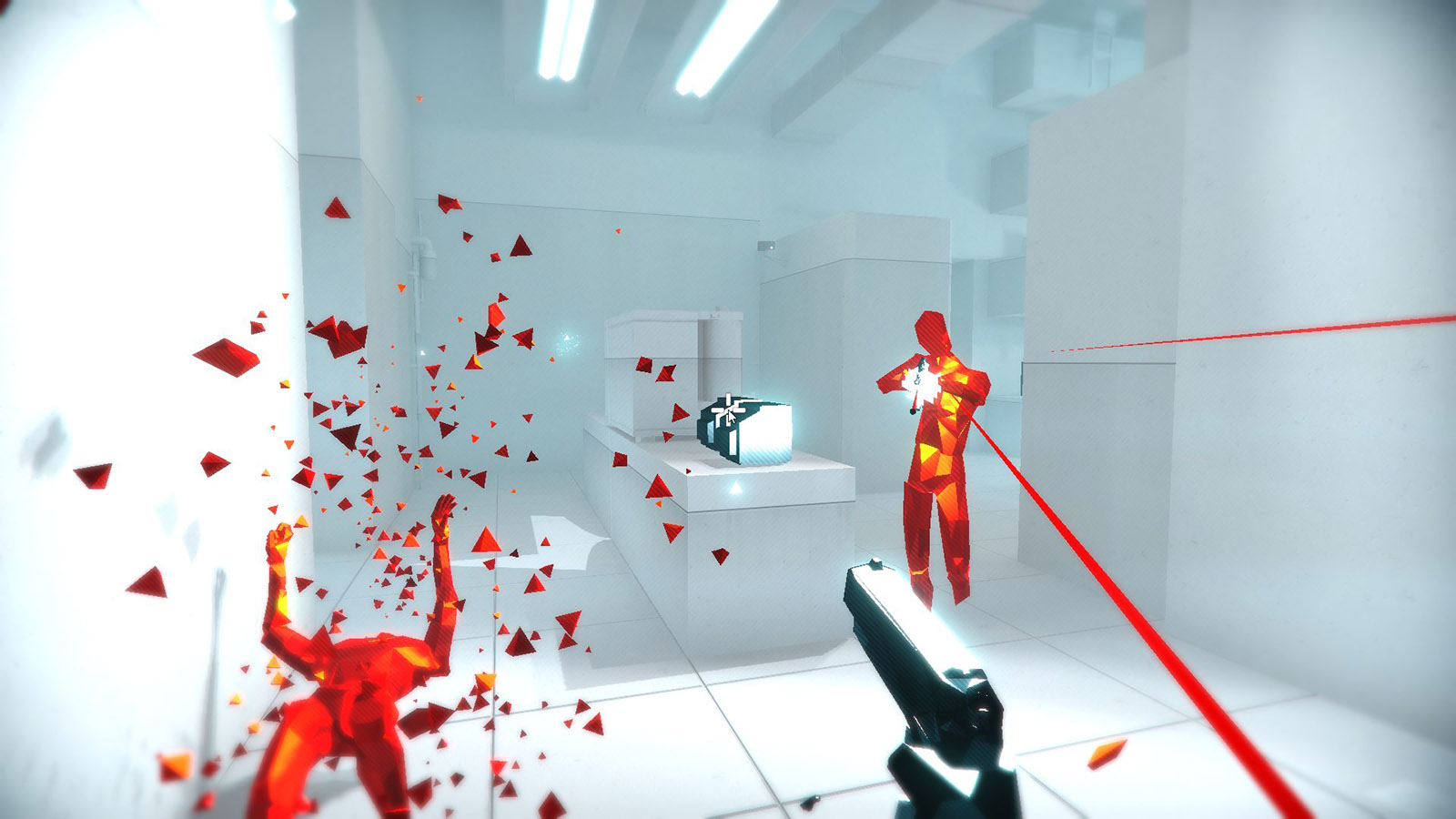
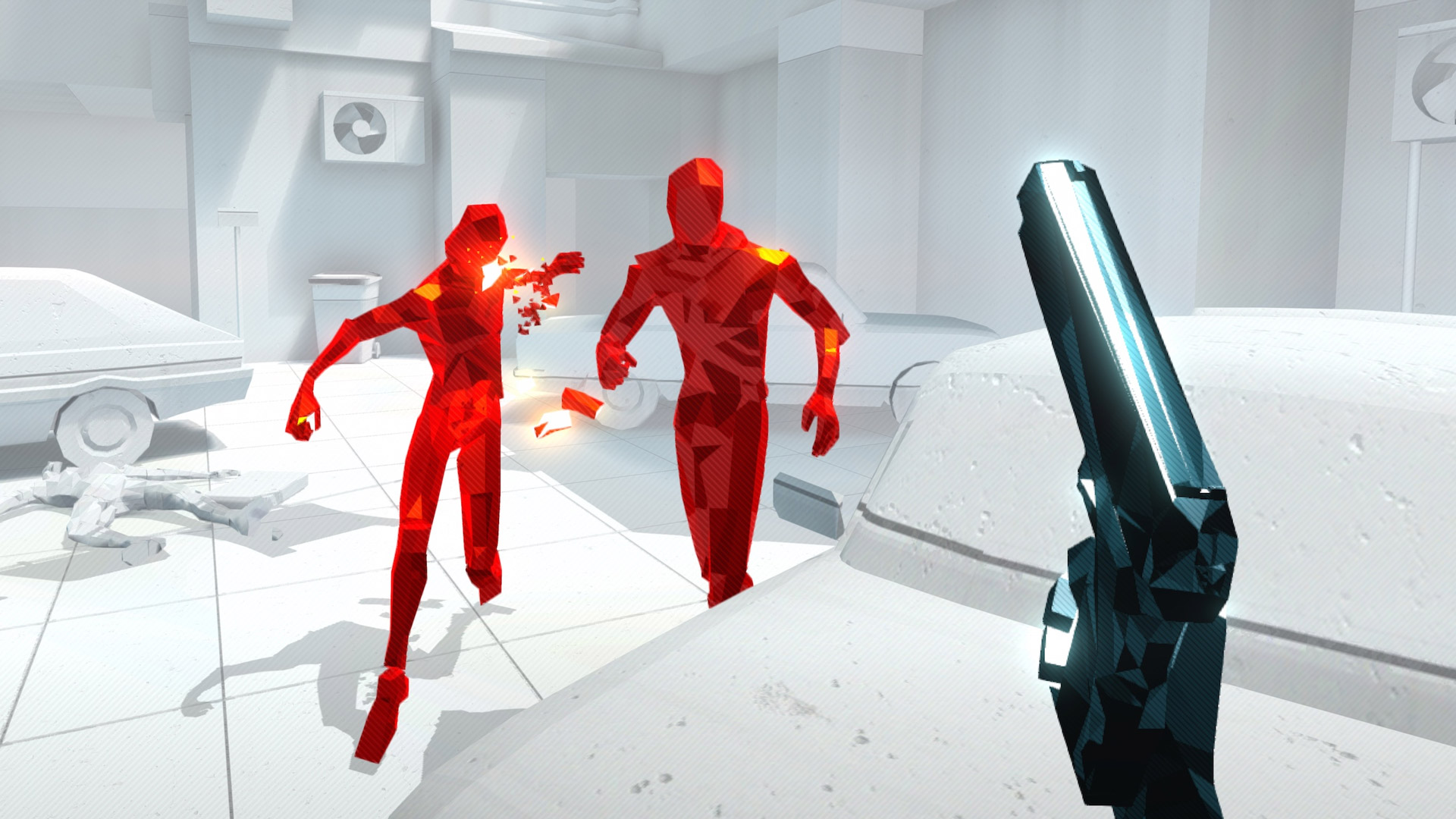
Shown here is the hyper styled Low-Poly action shot of SuperHot. A unforgettable game with visuals to match, from its interesting yet intuitive mechanics, striking visuals and effective sound landscape. I don’t intent to imitate SuperHot but take inspiration from how it does so much with so little.
Realism
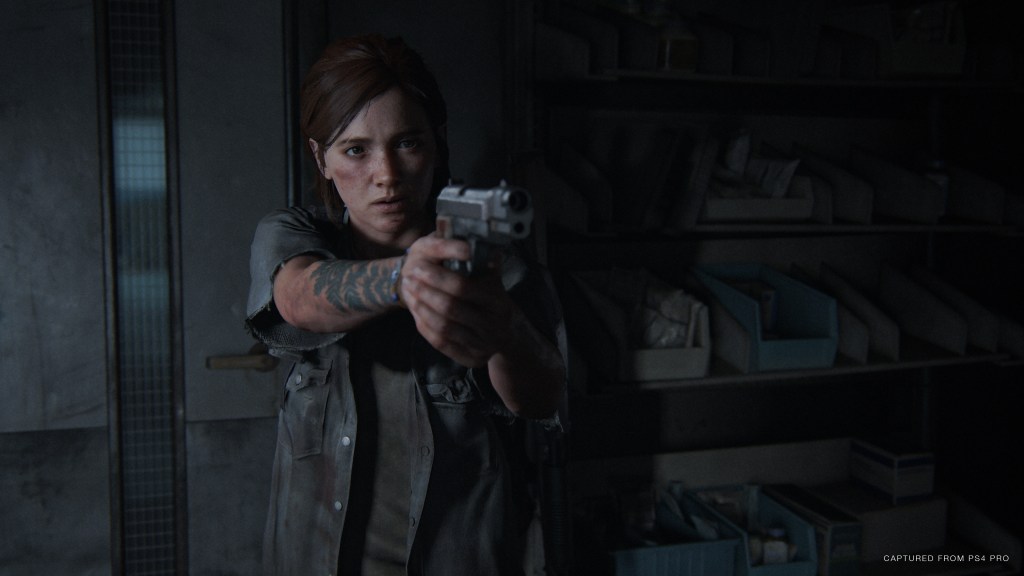
Realism, is shown here in The Last of Us 2, to the right level between artistic style and realism. Sometimes with a realistic style it can go too far in to the ucanny valley and distract from the intended purpose. Realism when done well can really immerse the player in the experience of the game.
Fantasy Realism
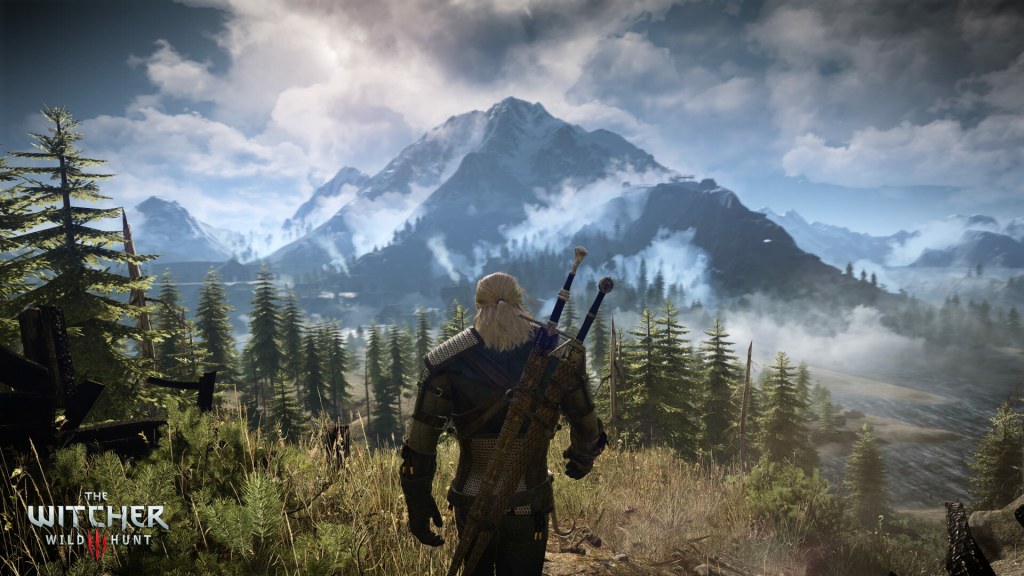
It is closely tied with the goals of the realism aesthetic; the fantasy aesthetic aims to make the fantasy world the game is set in as believable as possible to help immerse the player.
Cartoon
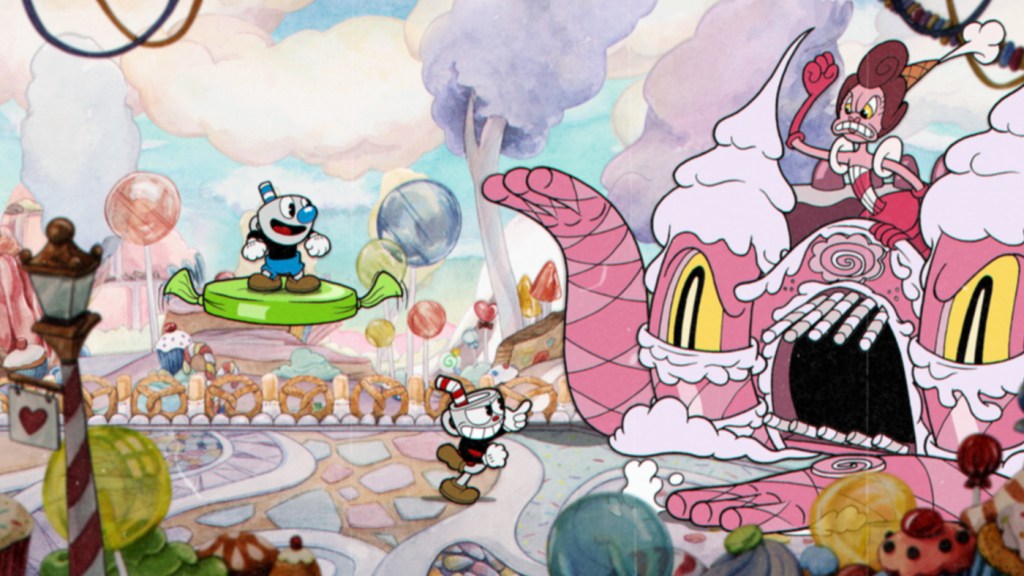
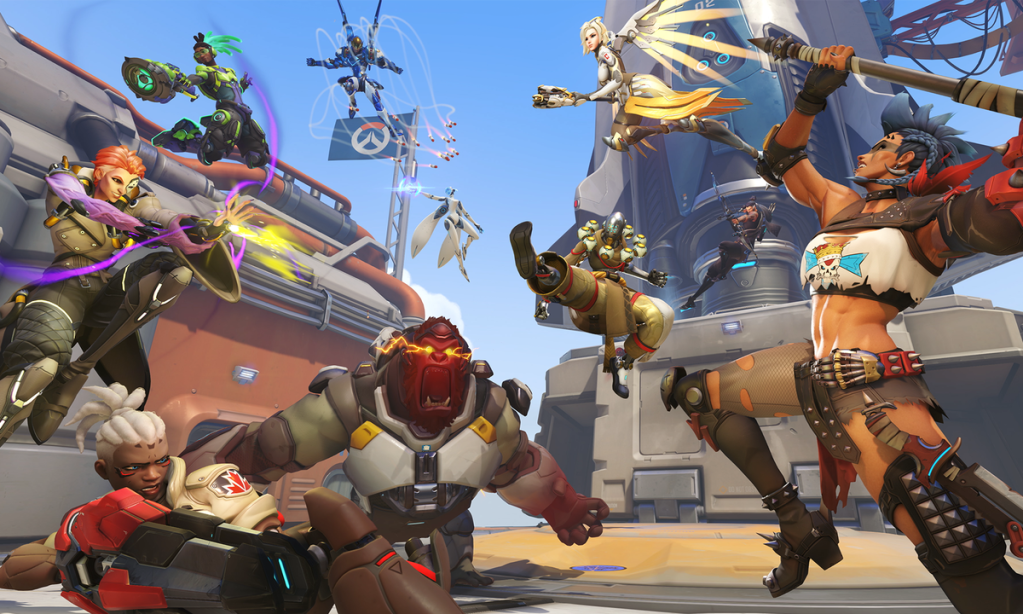
Cartoon can incompass a number of styles from 3D to 2D and as cartoon styles change these game aestheics can change as well. Shown above are two examples of both cartoon that are widley different firstly is the 1930’s rubber hose style of Cuphead and then the almost Pixar inspired style of Overwatch.
Flat
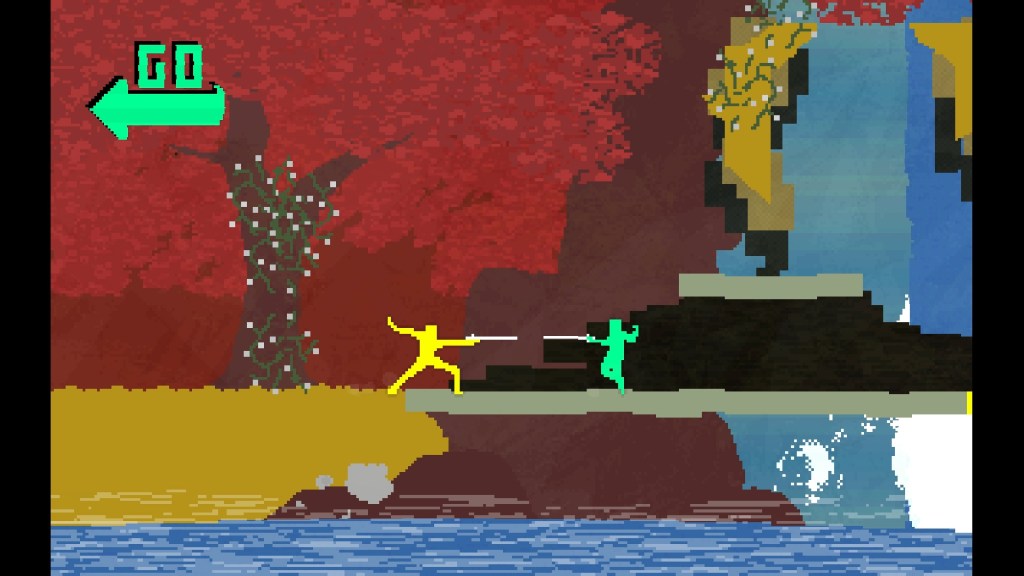
An example of flat pixel art I’ve used is Nidhogg. Now, it is imitating the flat pixel art of the 1980s but with a vibrant colour pallet that wouldn’t have been available in that era.
Pixel

An example of pixel art I’ve chosen to look at is Fez because it was published in 2012, and this specific style was selected without the limitations of the decade and era the style comes from. Fez then subverts these traditional 2D aesthetics by allowing the player to switch between the four planes of this 2D/3D pixel world while style maintaining its aesthetic.
Cell Shaded
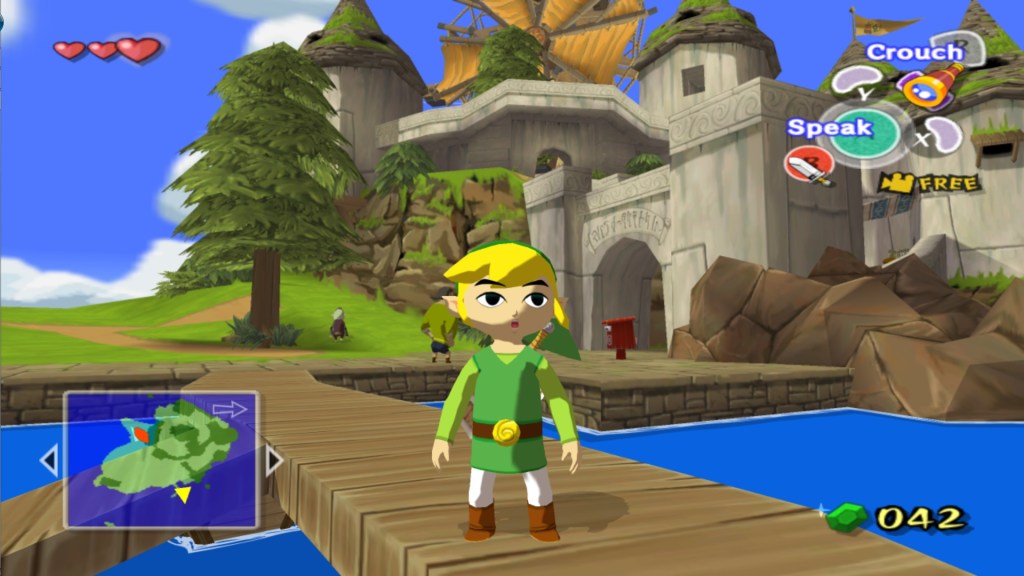
I was first introduced to cell shaded animation with the 2003 classic the Legend of Zelda: The Wind Waker, that has contuined to show that a cell shaded can still look good years later.
Monochromatic
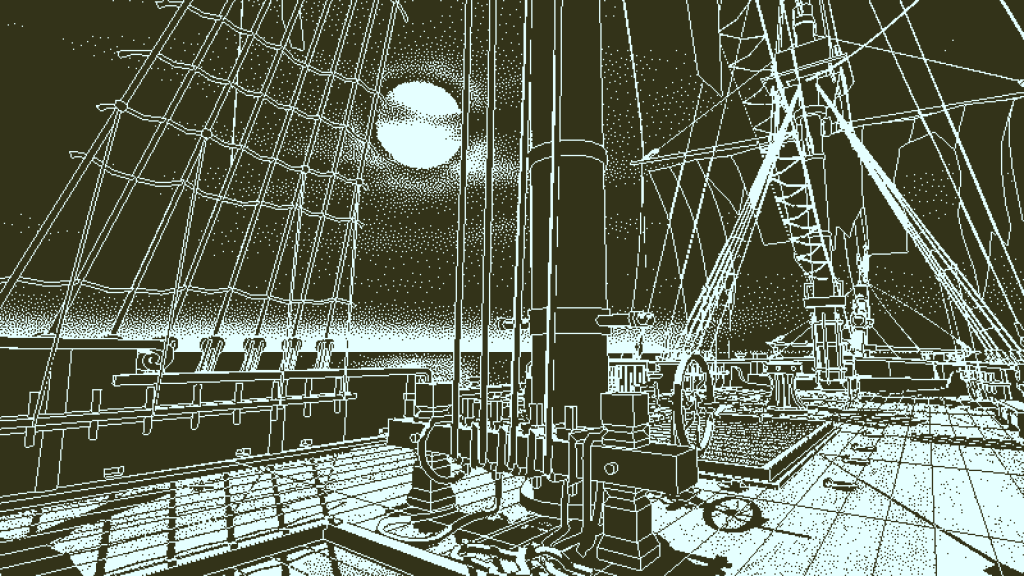
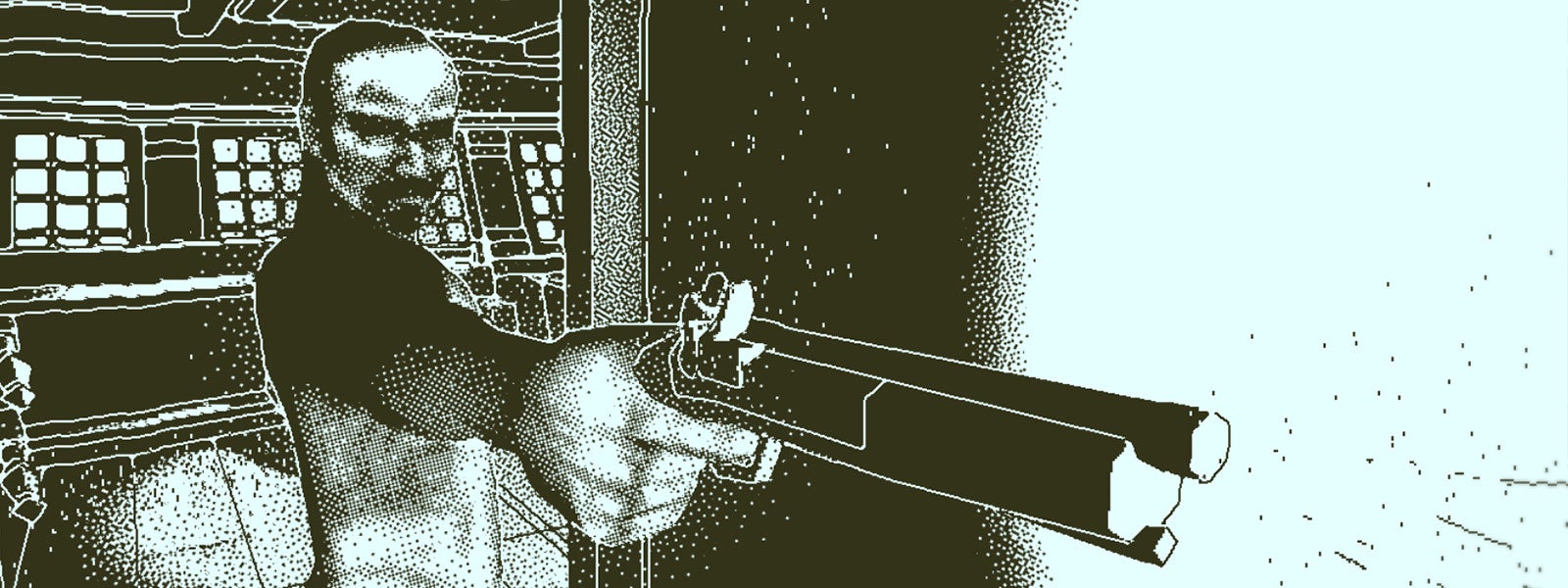
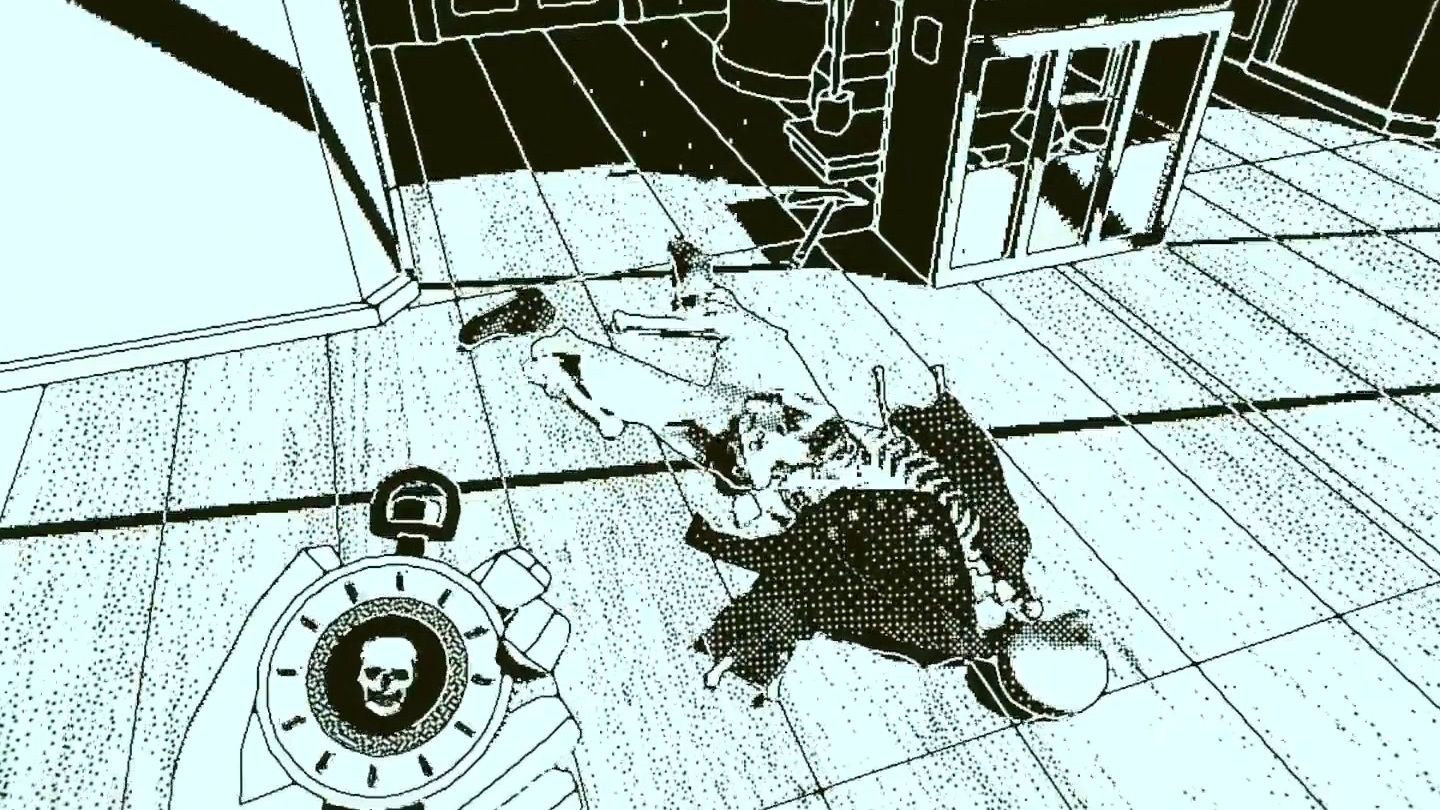
An example of monochromatic style that first came to mind in video games is the Return of the Obra Dinn, that even though it is a 3D game it uses this monochromatic rendering to imitate an almost printed look.
Scene Idea
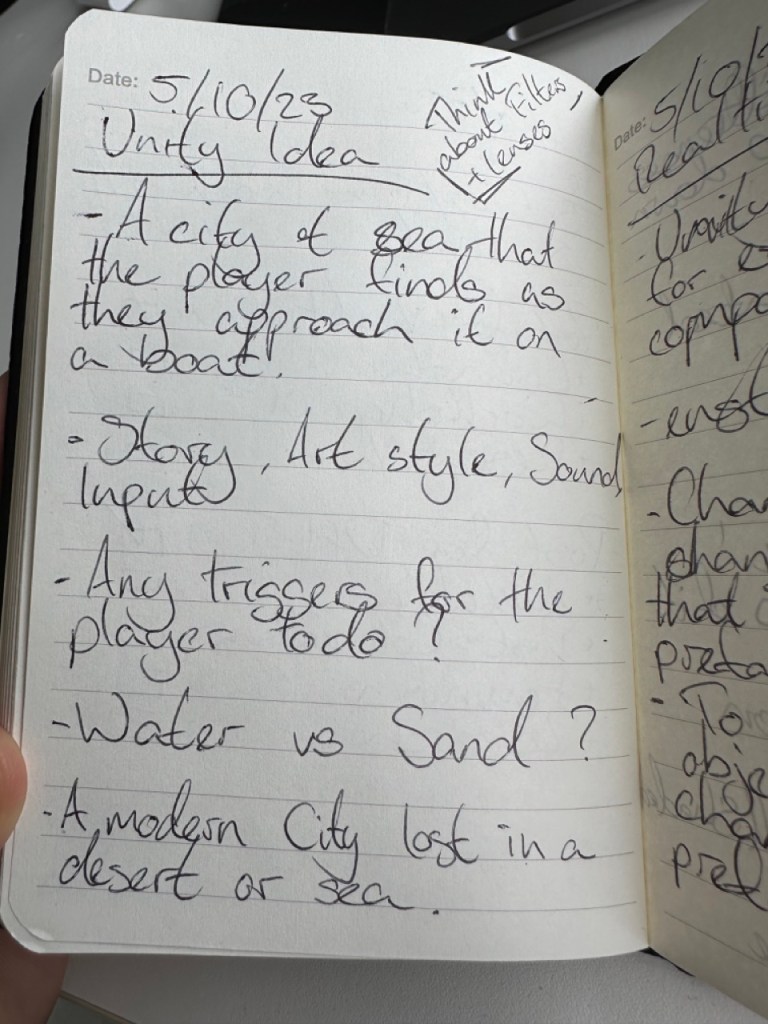
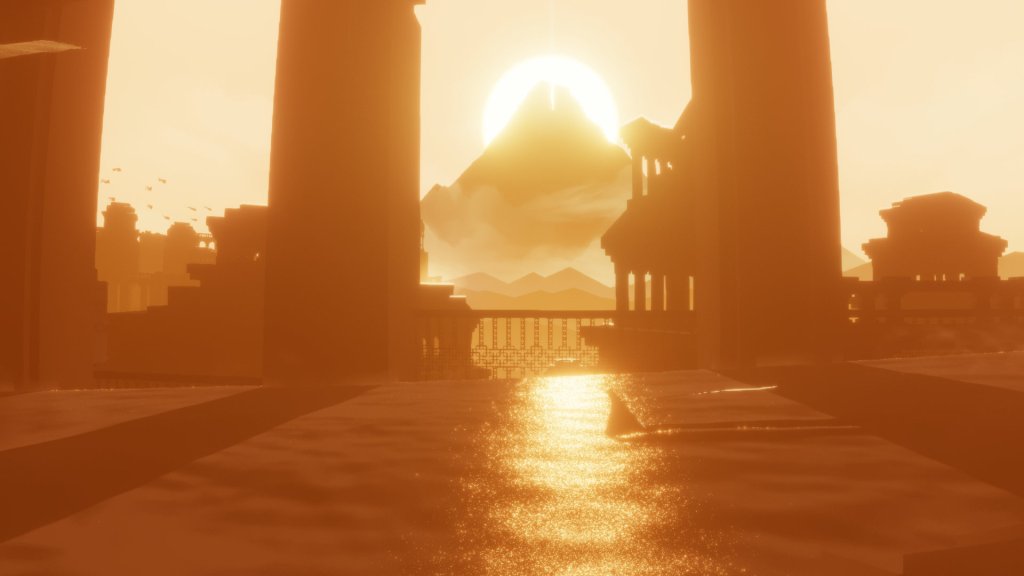
My initial idea for the scene was to follow the same idea I had in Workshop 01, the city lost at sea. The scene would take inspiration from games like Journey or Flower, a semi-peaceful world that beckons the player forward through curiosity and discovery.
Workshop 02
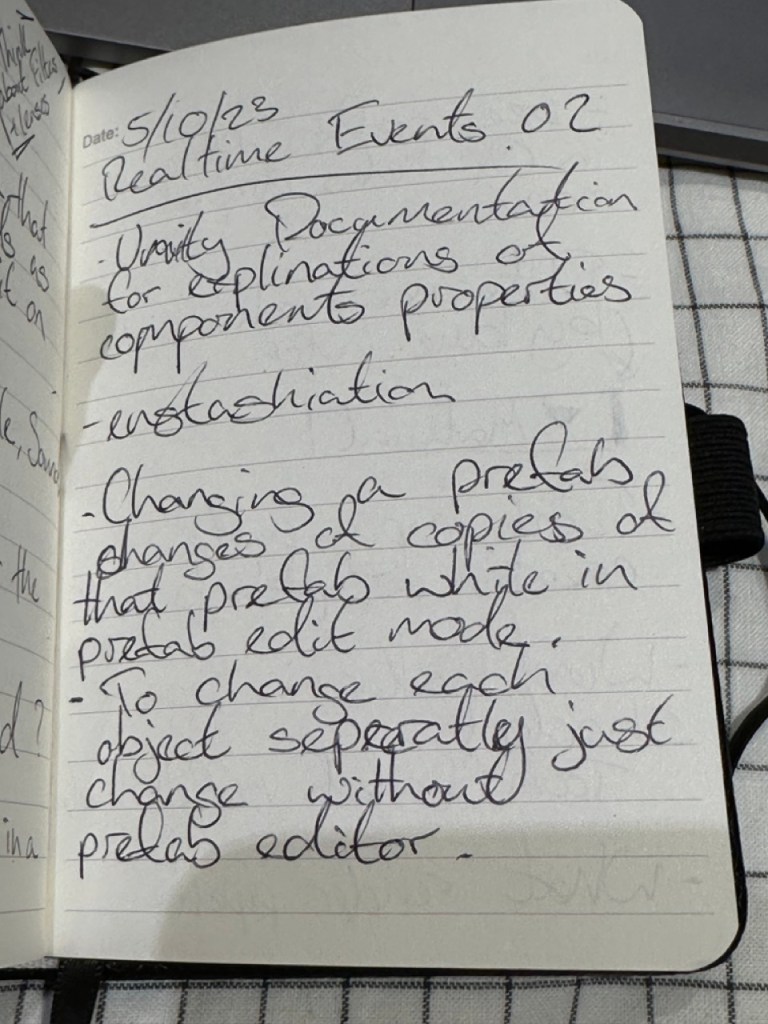
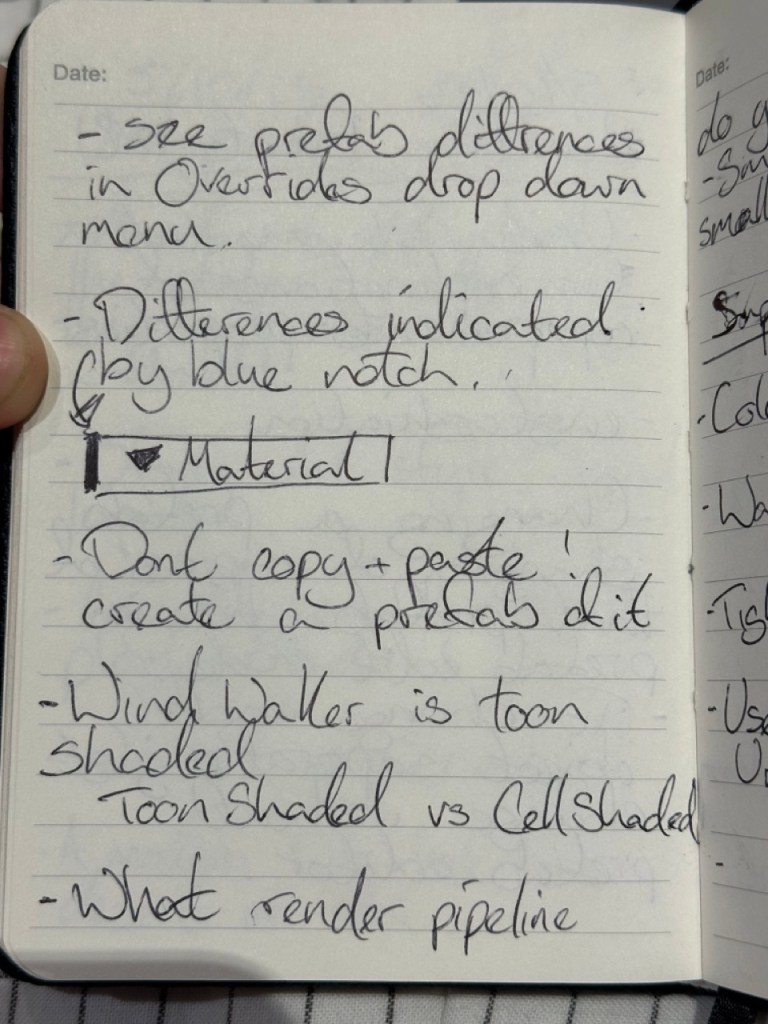
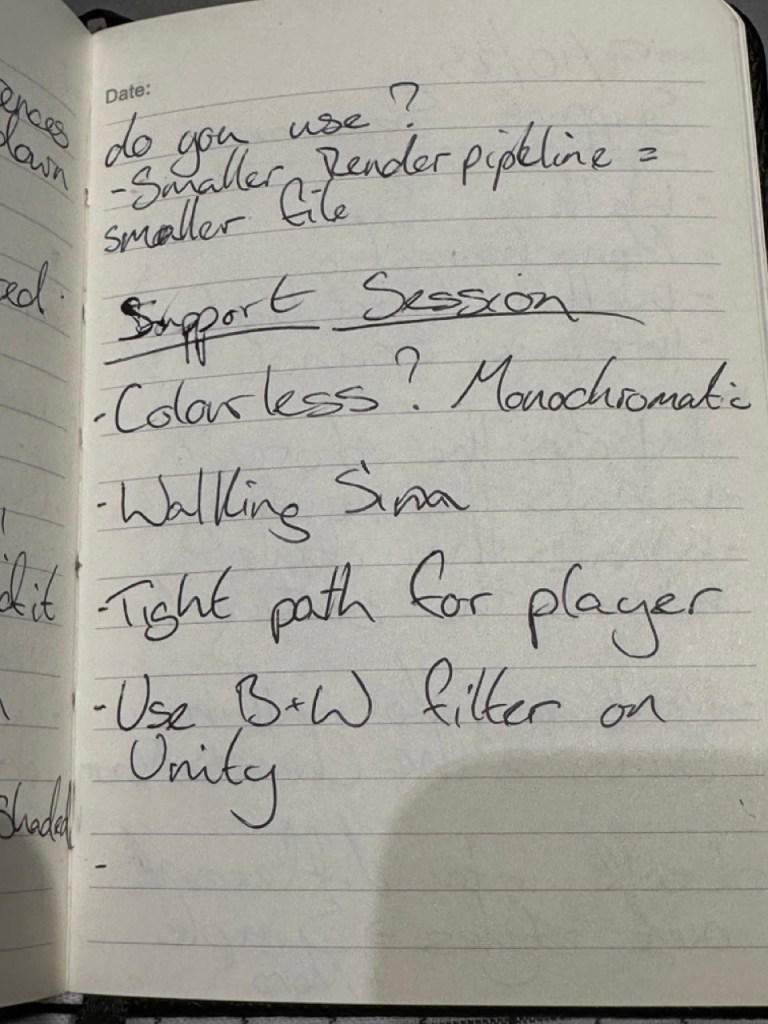
Workshop 02 focused on several things, one being building prefabs and streamlining populating a level or scene and animating those prefabs within the scene. Also covered was the animation within Unity, which had a lot of similarities to how animation was done in Maya, and again, I’m sure on a deeper dive, the differences will become more apparent. Still, the basics are the same, and the same animation foundations and techniques can be used.
Styles by Decade
1970s
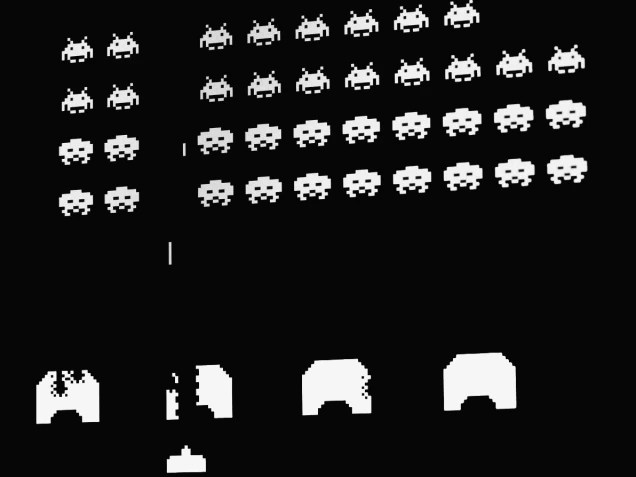
https://elgoog.im/space-invaders/
The video game style of the 70’s was rudimental shapes and simple interactions that paved the way for the rest of gaming to follow. For my project, I think the simple interactions and style can inform the simplicity of my scene.
1980s
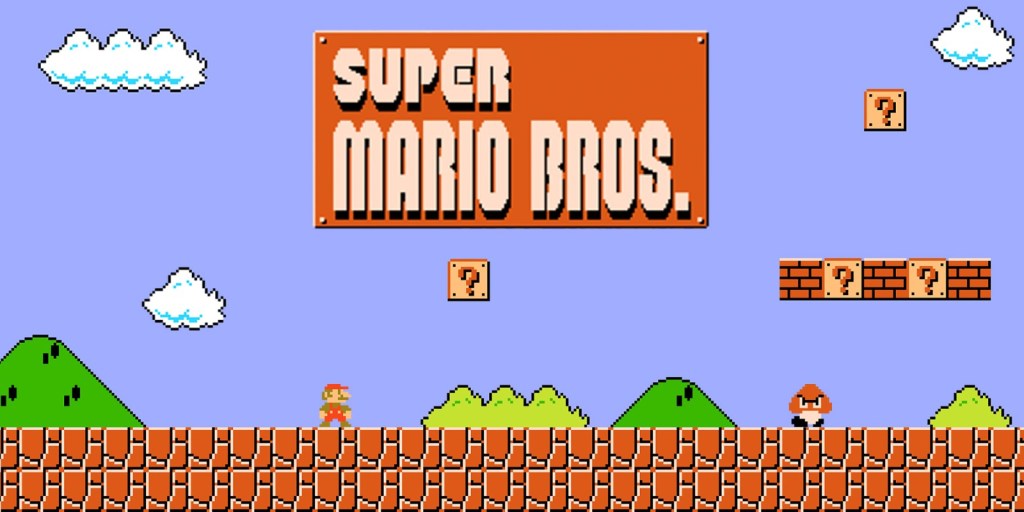
The classic that is Super Mario Bros brought level design that guided and taught the player almost instantly to the masses and again should be a primary consideration when a player is interacting with my scene. How do they learn how to interact with the world and what objects are in the world, along with functionality to teach them?
1990s
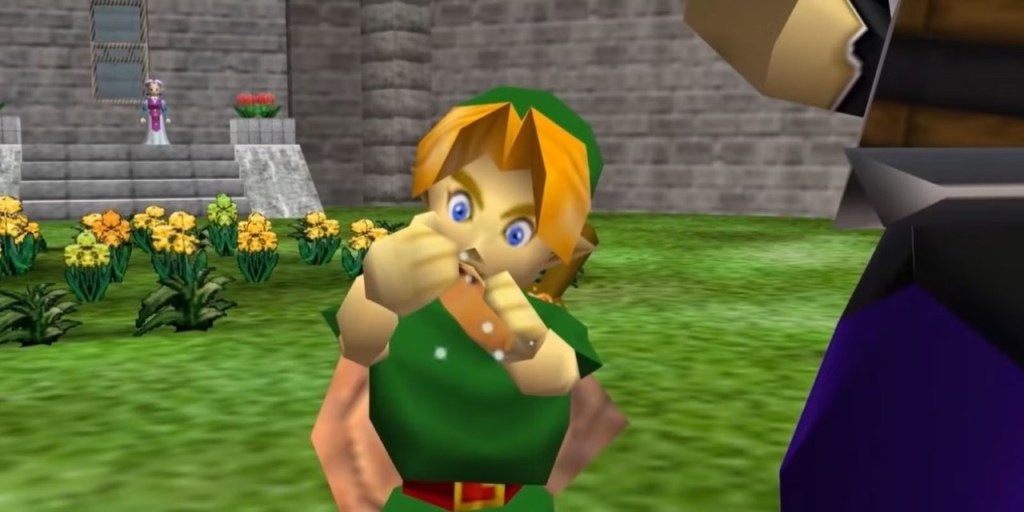
With the 1990s and the introduction of fully realised 3D environments, games developed again to allow players to interact and move characters around those environments. There was no universal or commonly understood button layout at this time as it was still being carved out. Ocarina of Time and its odd controller from the N64 did a lot to find ways of moving within that space. My main takeaway from this game is its sense of adventure and story.
2000s
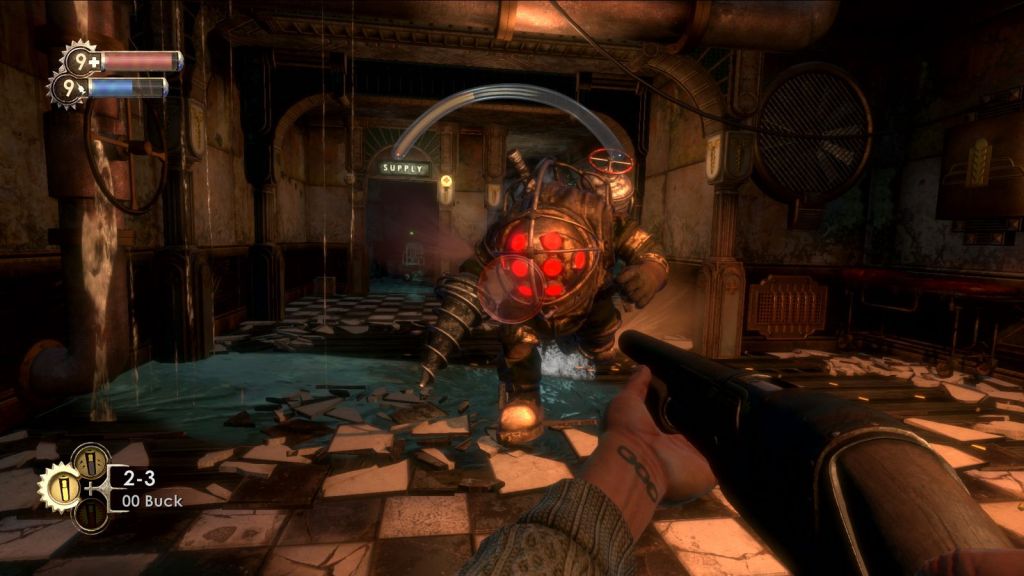
With the 2000s (and 2010s), there came a sense of storytelling maturity in gaming, with some leaning more toward movies and QTEs and others taking this maturity into the realms of more complex and compelling stories to rival that of film and TV whilst still being fun and exciting games as shown in Bioshock above. Now, some, in hindsight, missed the mark, but the takeaway from this is that a real story can be told. It doesn’t have to be simplified or catered to a younger audience.
2010s

In the 2010s, maturity and storytelling started in the 2000s were refined. The stylistic choices of some games became more deliberate, and realistic games, such as Uncharted 3 (shown above), became more beautiful and polished with each game throughout the decade. In the way of visuals, though, the differences between the 00s and the 2010s became slight and then slight again when comparing the 2010s to our current decades’ visual quality.
Tieing back to my scene, there is no way of producing a AAA title, but the scene could be compelling by taking thematic inspiration from games of the 2010s.2020s
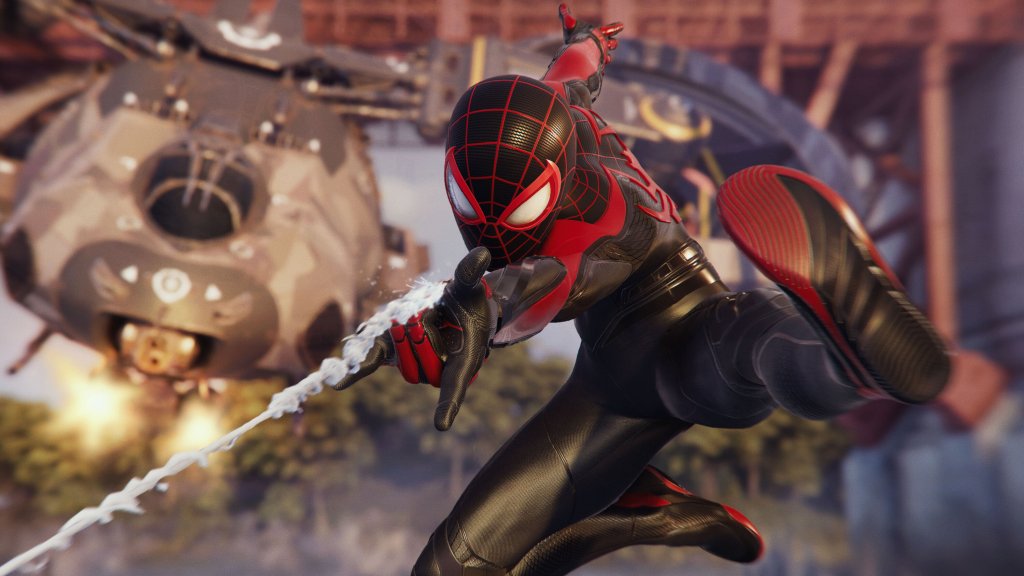
Most recently, with Spider-Man 2 on PS5 and looking back at the past ten or even twenty years of gaming, there has been a steady rise in graphical style and high-quality graphics of video games. Still, in the ways of innovation and change, it has been stagnant; a similar button mapping is being adopted by most game devs and the spaces for radical ideas, or strange new game mechanics have been left to the indie devs and smaller studios for the most part. So Far…
With a small scene to create, there is an opportunity to try something odd and different.
Gao Hang
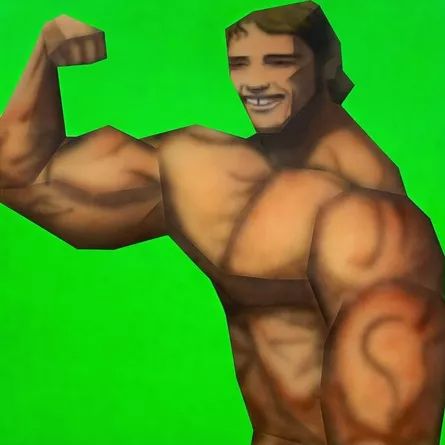
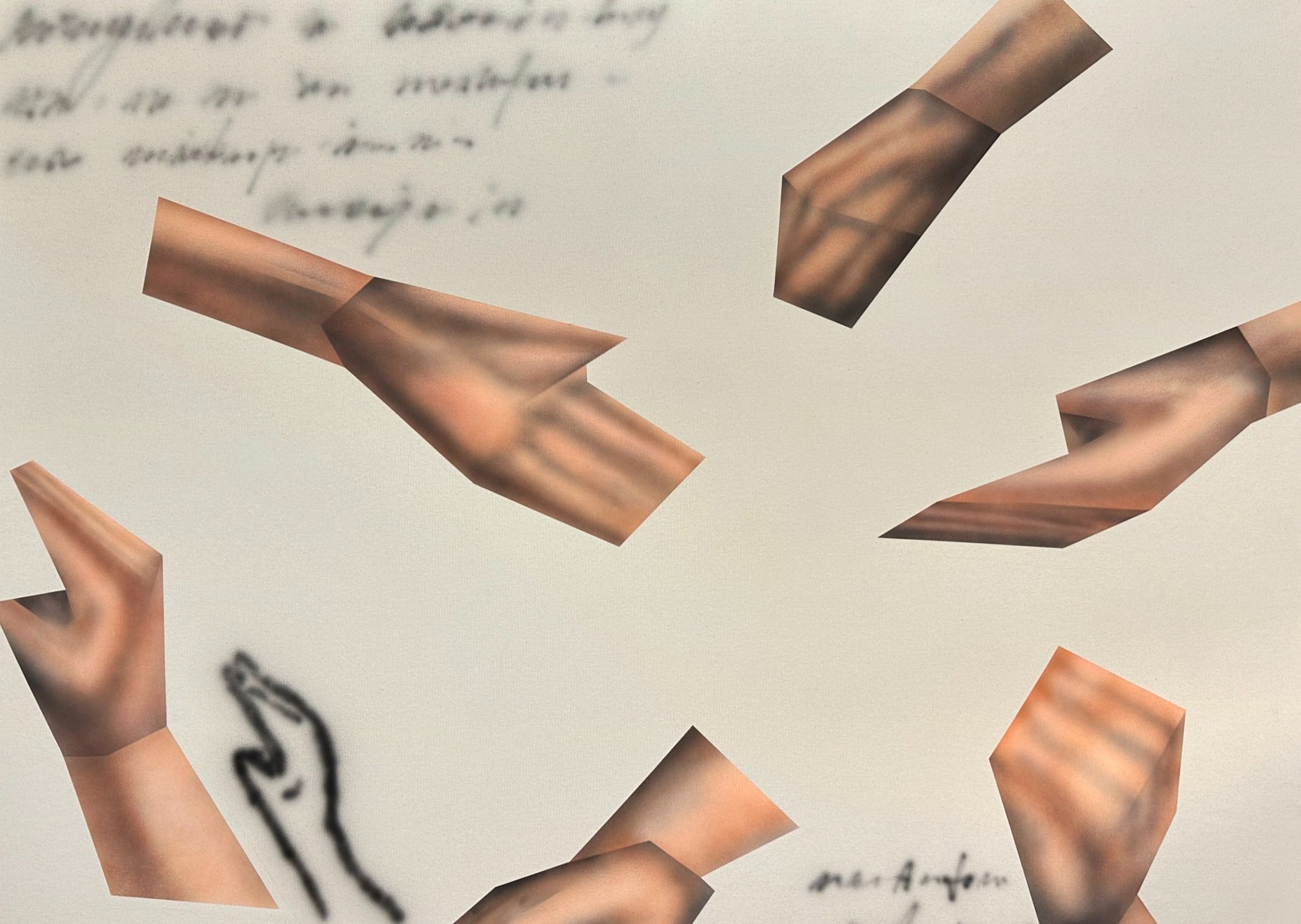
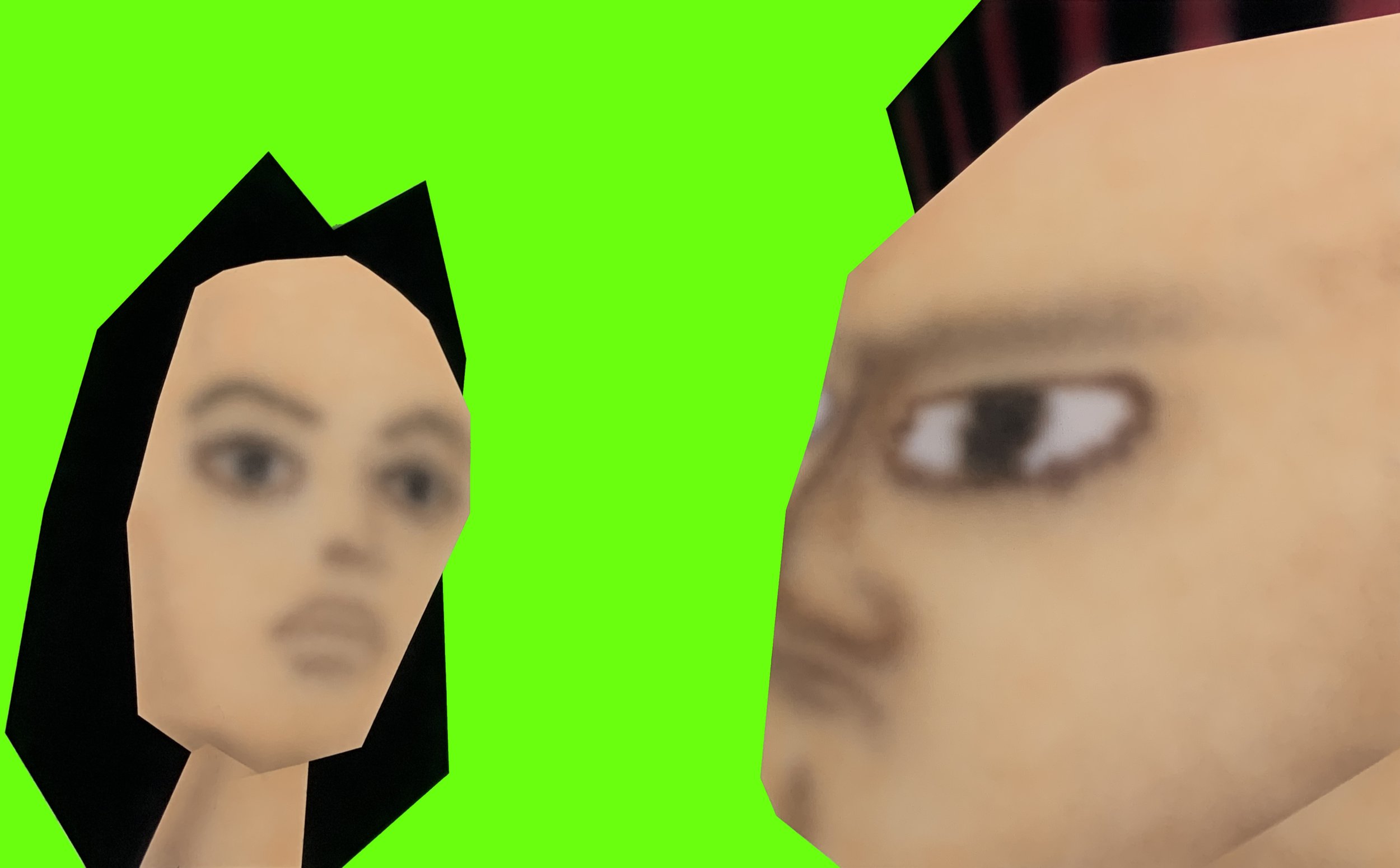
Gao Hang uses oil painting to imitate the low-poly style of early ps2 graphics and characters models. An intereresting thing to takew from Hangs art is that he was born in 1991 and that this style of vidoe games are from his formative years.
Sequelitis with Arin Hanson
Now, there are a lot of jokes and swearing in this, but the main thought about game design stands and how video games are a unique medium that can be communicated without a manual or hand-holding and by simply interacting with the game or scene, the player can discover what they want to know for themselves and that the feeling of accomplishment after figuring it out is a reward.
Scene Idea
Unlike the other idea, this one is more focused, and even though I don’t have a style or theme for it, it’s driven by simplifying aspects of the scene so that more effort and focus can be put into other aspects of the experience. Like making it smaller scale so I can put more time into the sound or user experience.
I know what I want to do with this logically, but I am still trying to figure out what to do in aesthetic stories or triggers of the scene.
Support Session : The Fork in the road
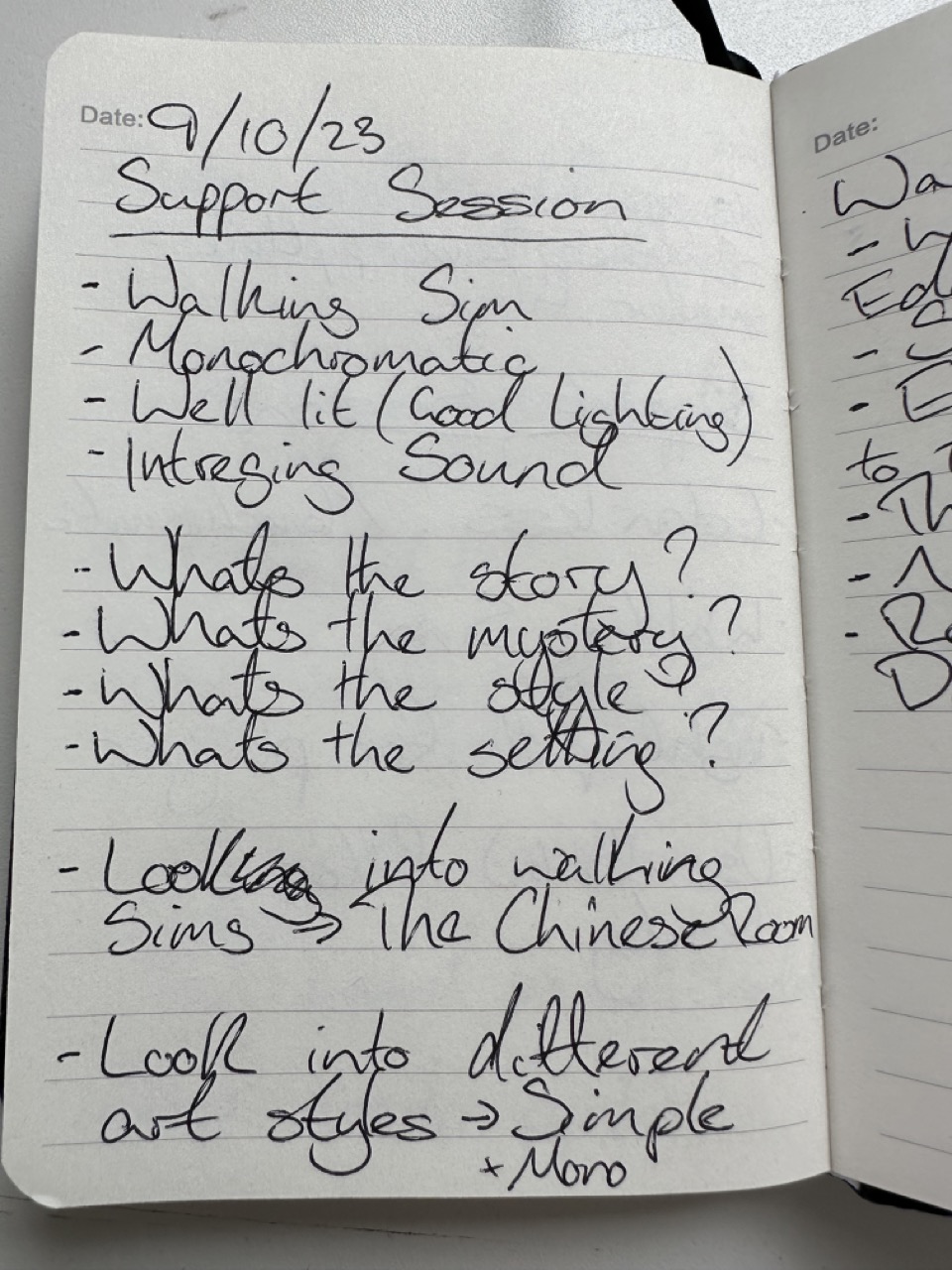
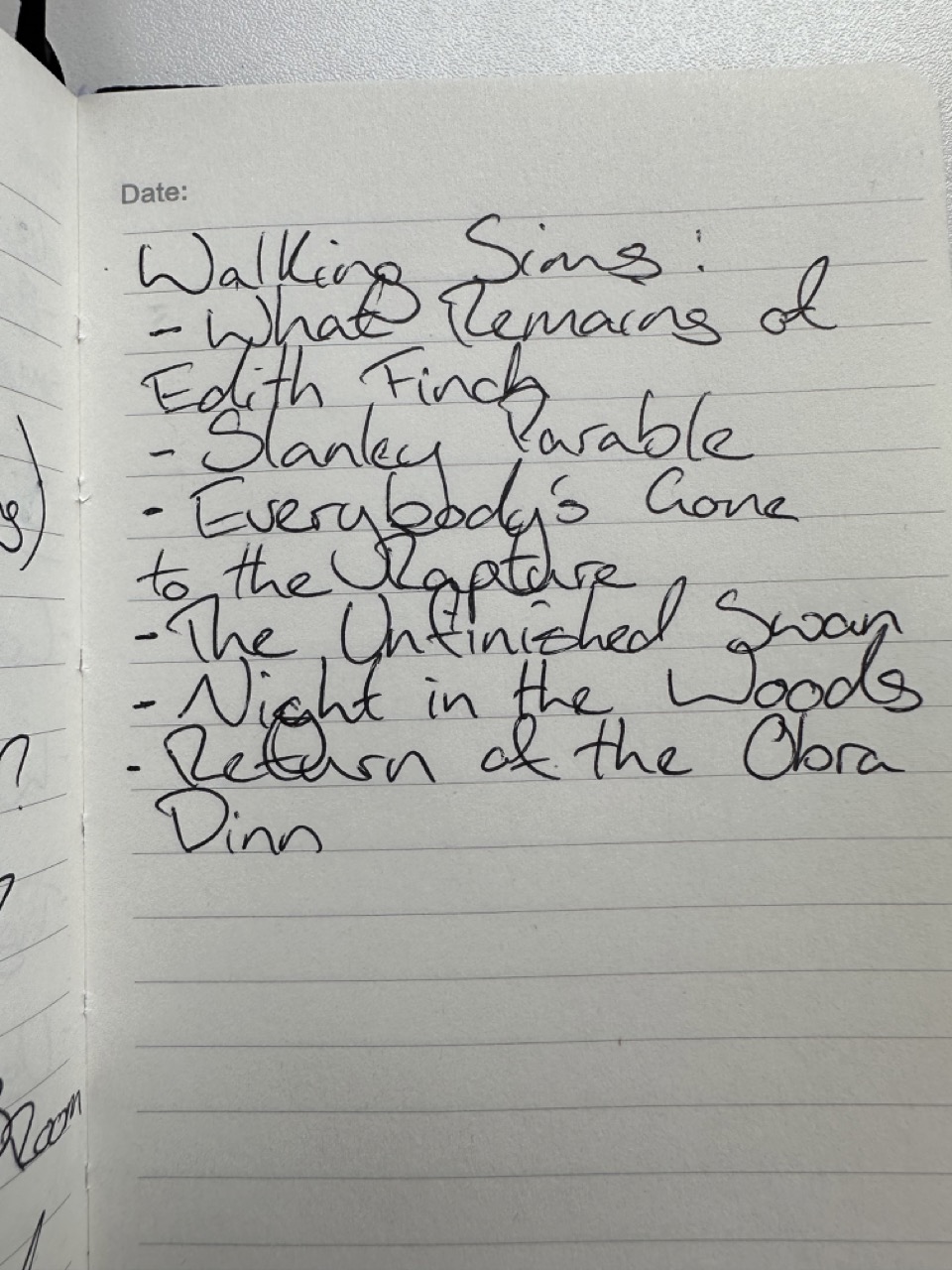
After the support sessions, I felt like I had more of a focus on what to do. I did not have a direction, or my efforts were halved between two ideas and too focused, but after the support session, I have a concentrated direction.
For my scene, I will be doing a linear narrative walking sim with a monochromatic colour scheme; what I now need to figure out is the art style of the scene, the story of the scene and everything that comes along with that.
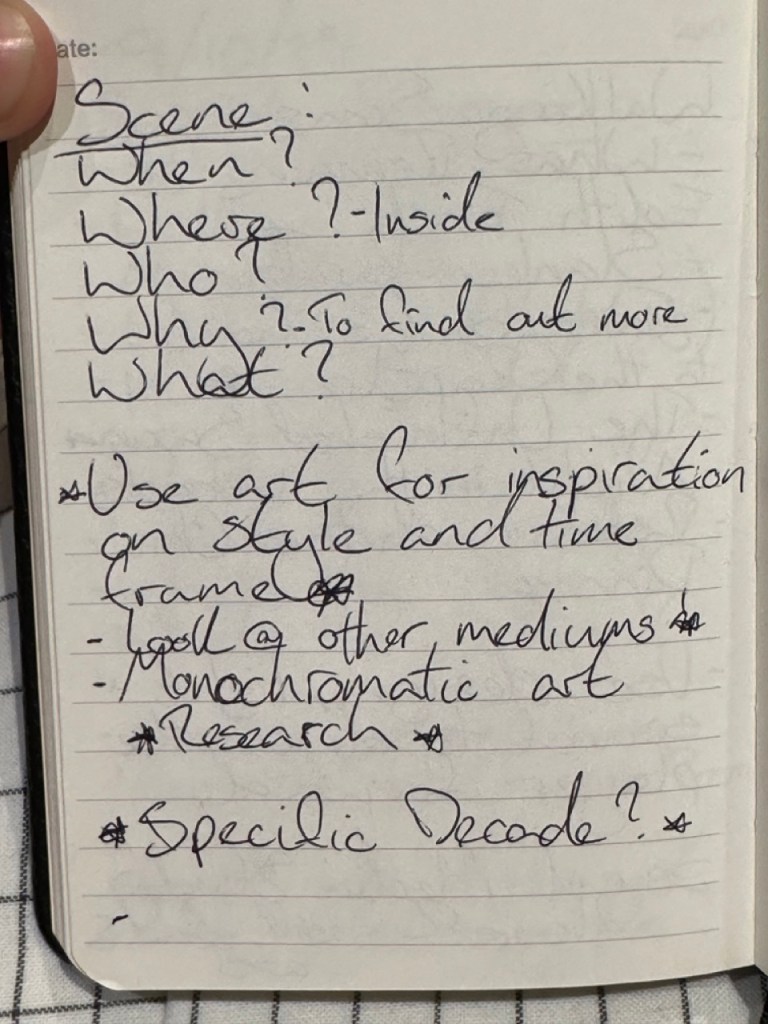
Inspiration:
Monochromatic art style in use
Limbo
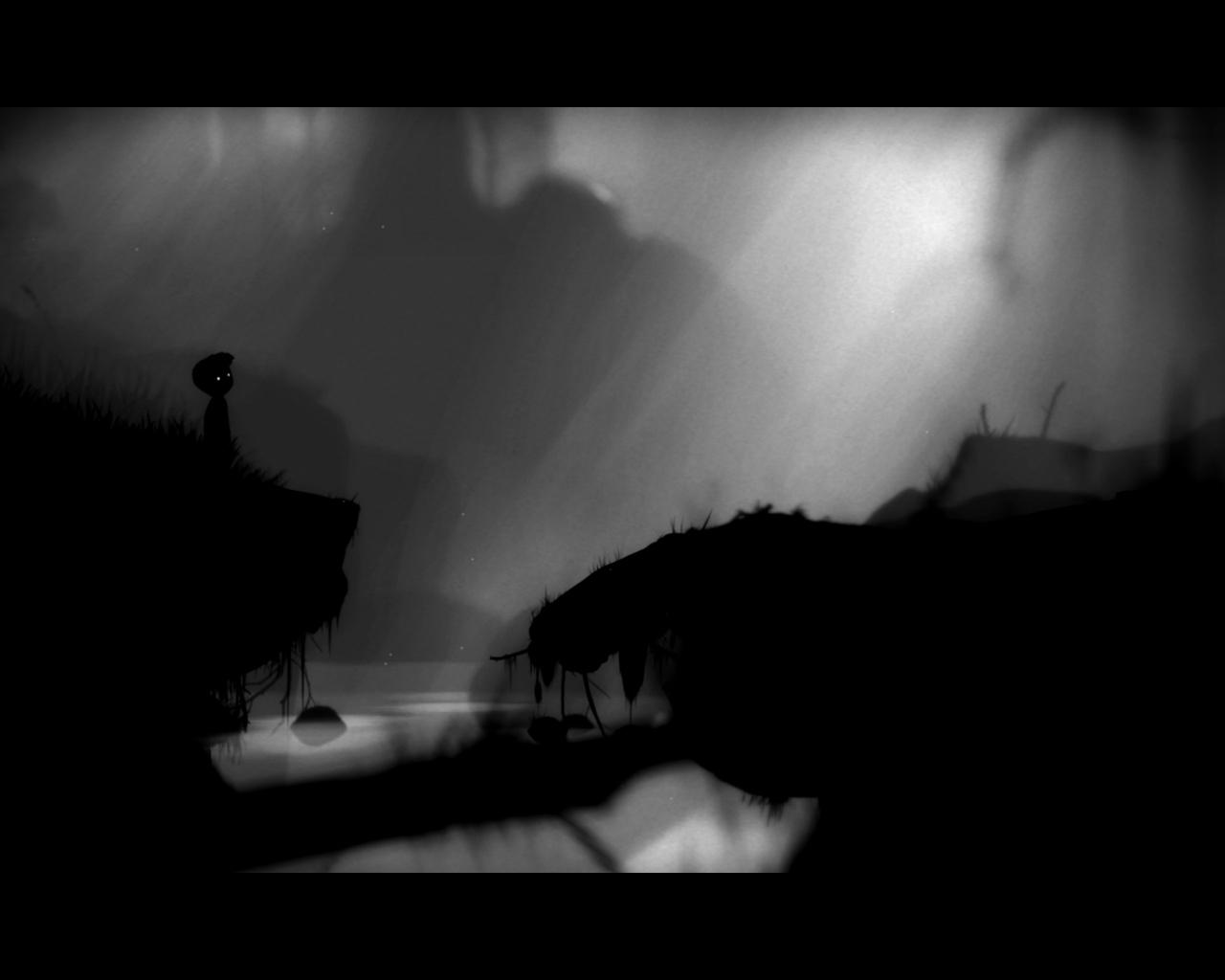
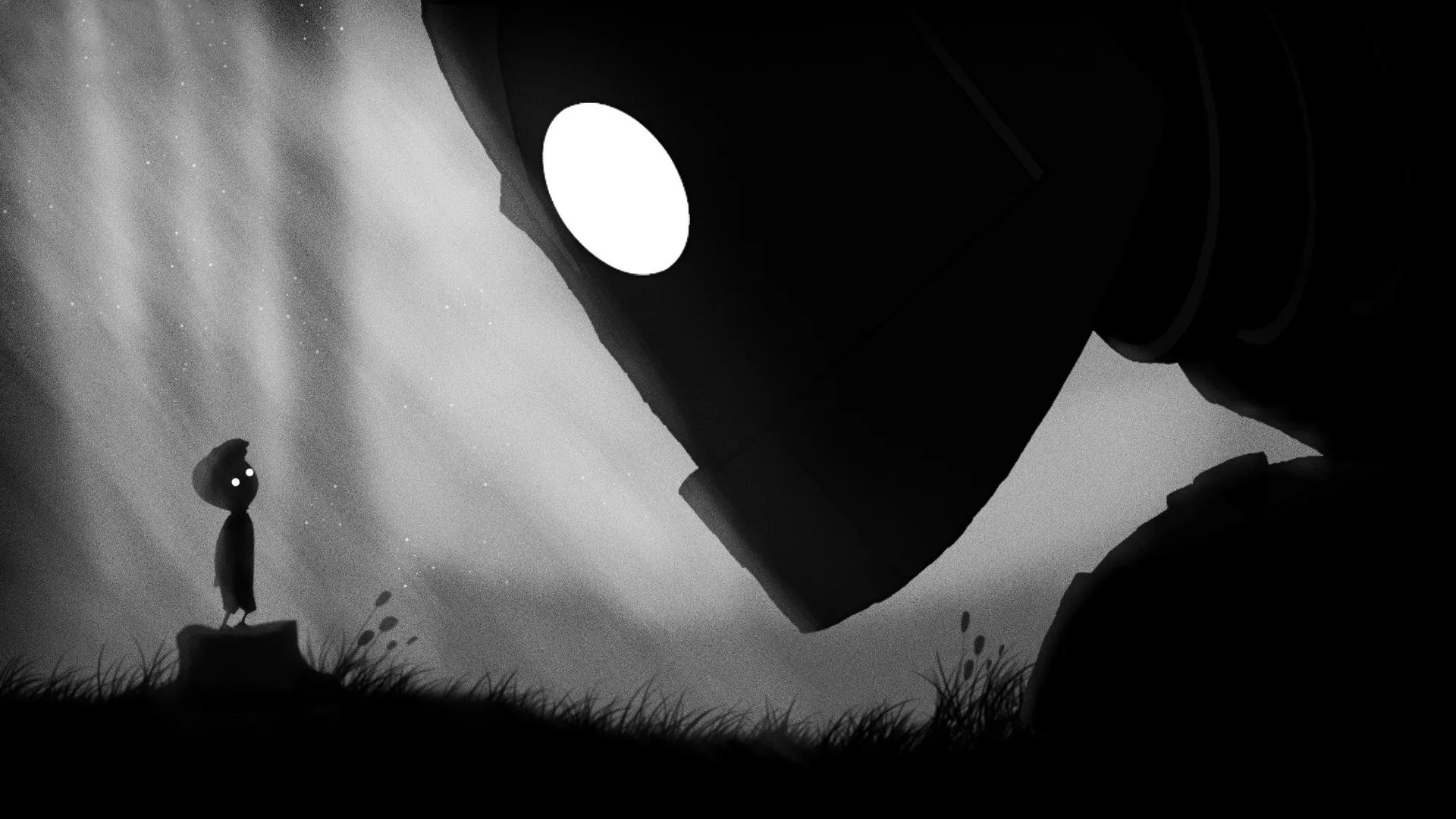
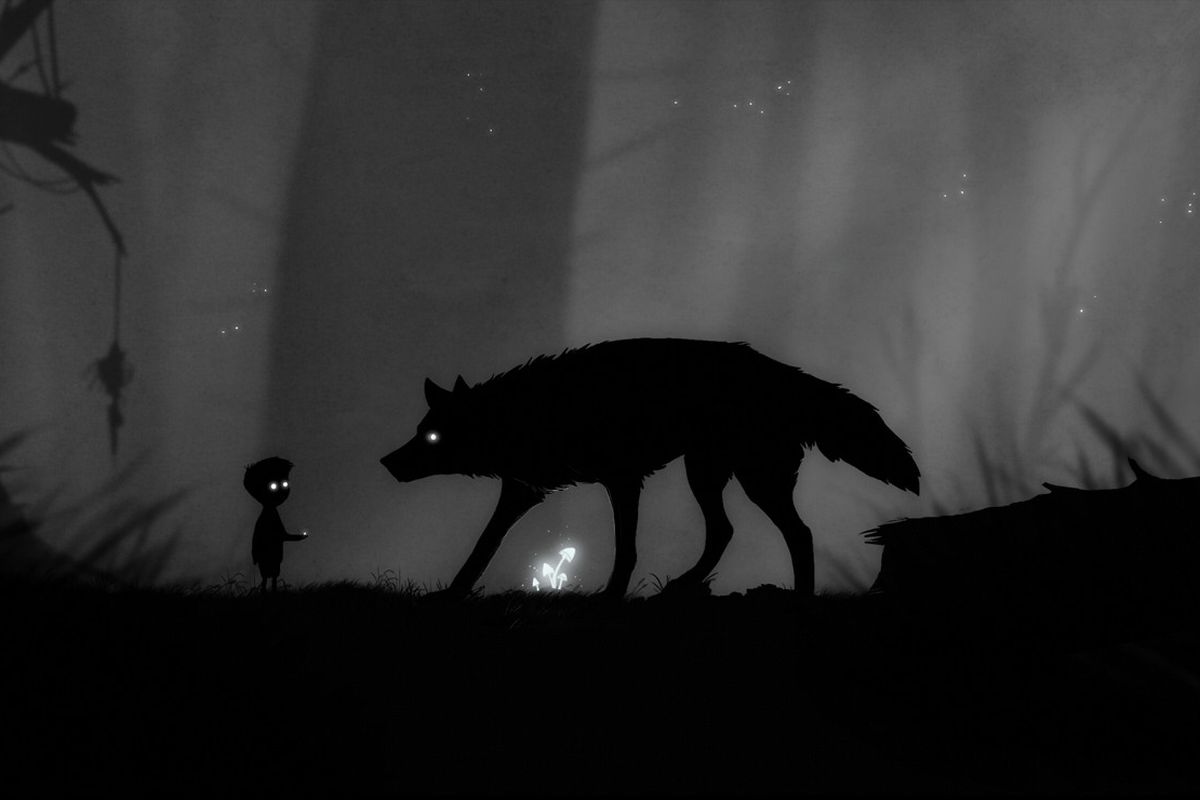
Return of the Obra Dinn

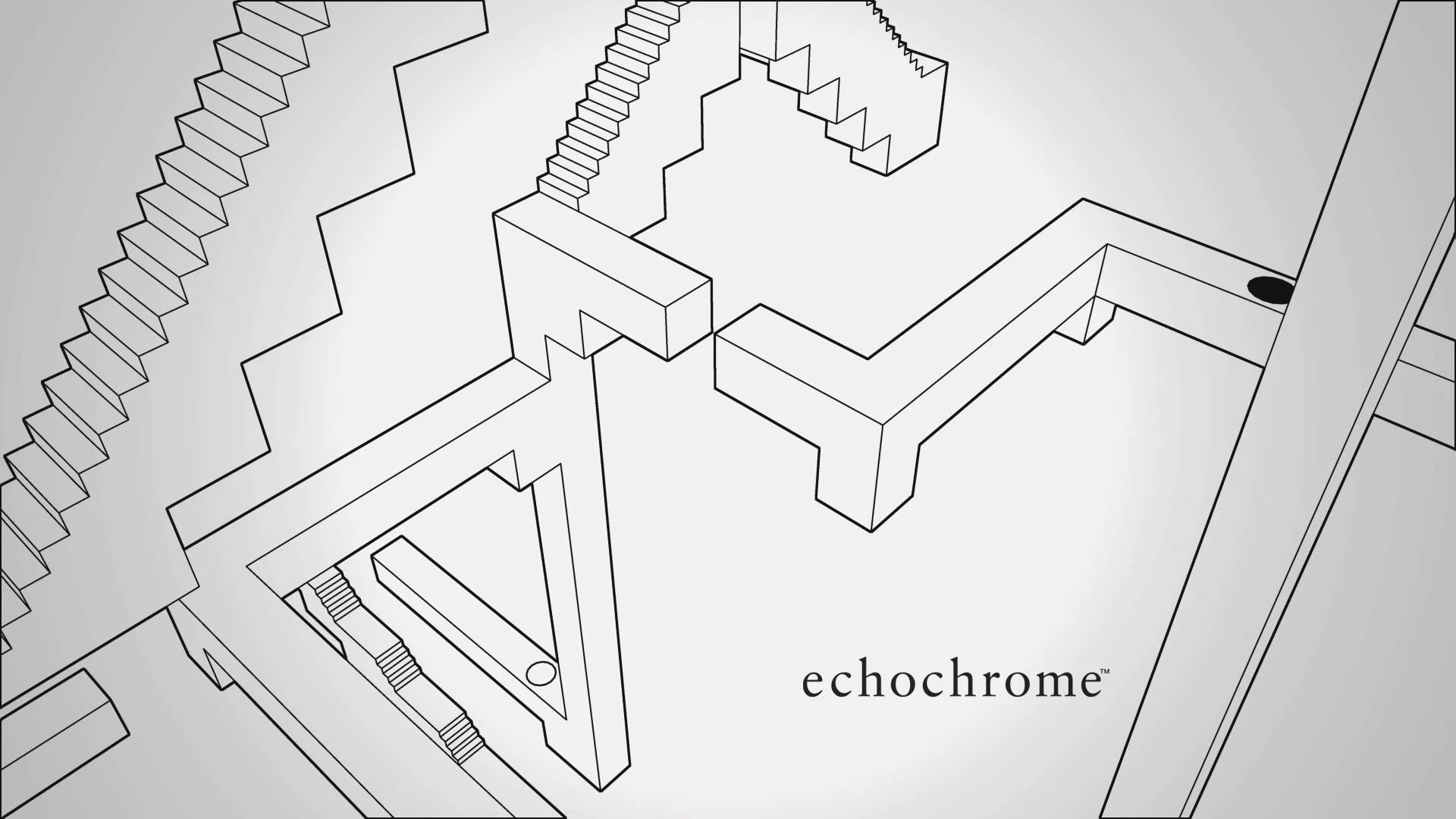
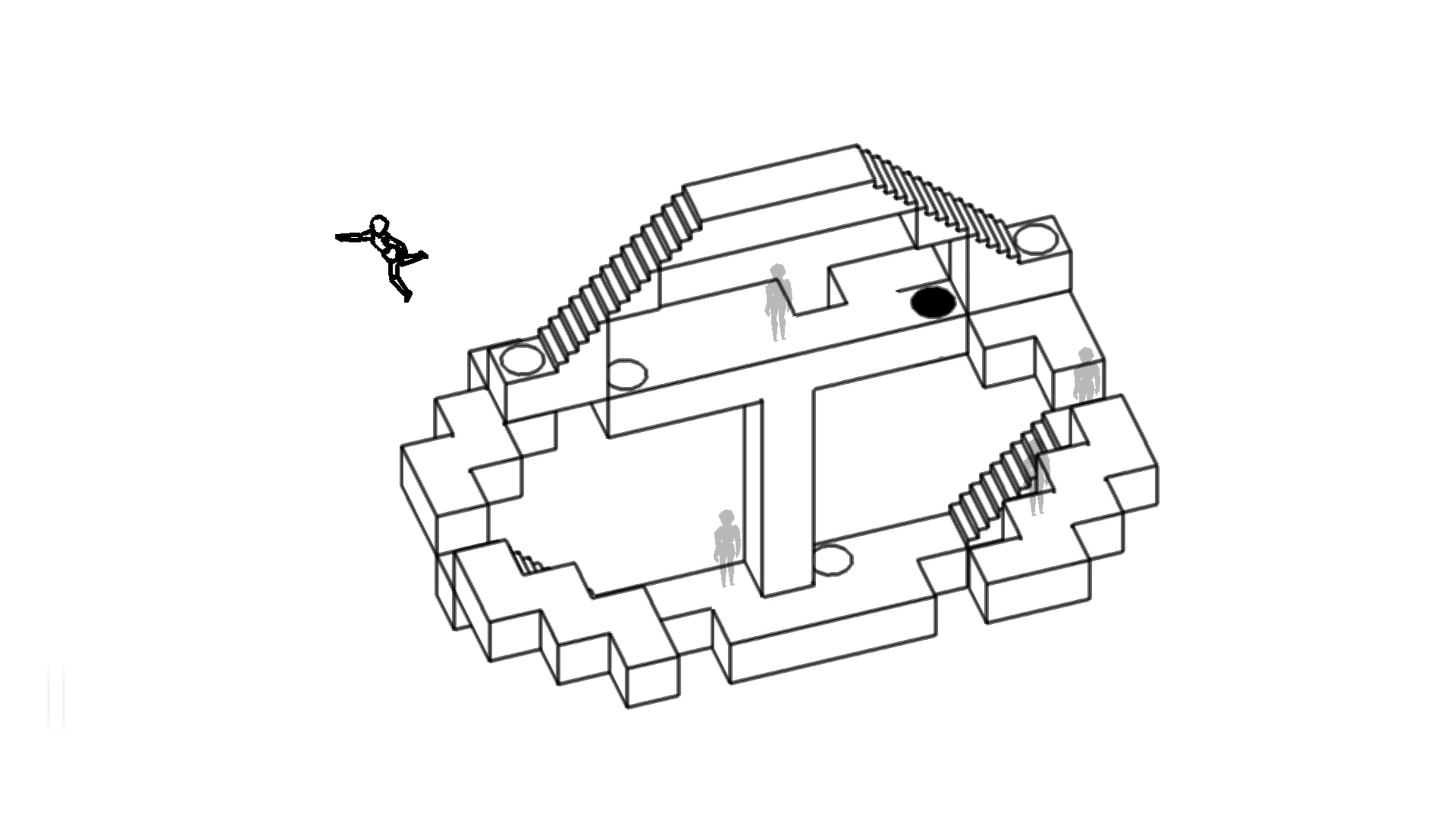
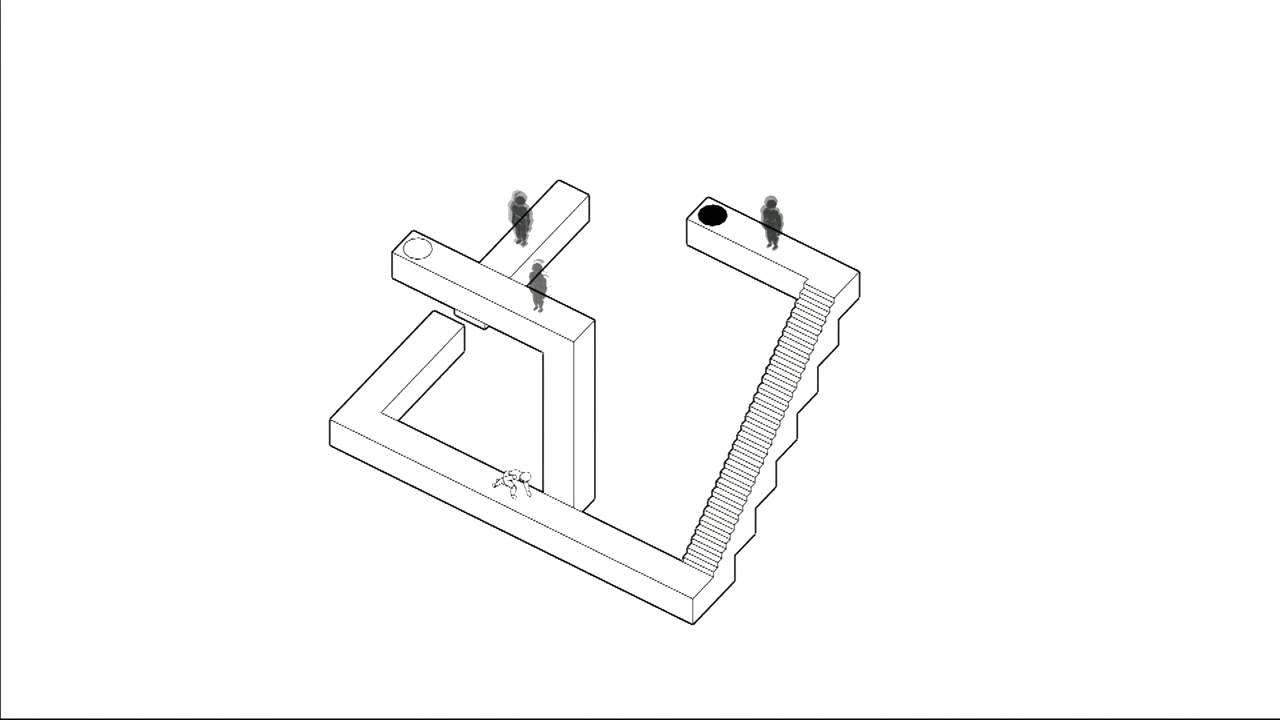
Echochrome
Colour with a direction
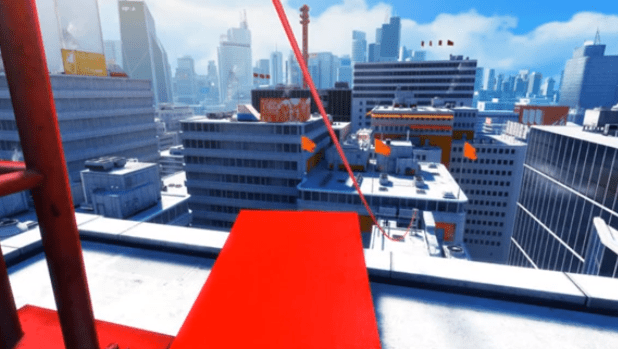
Mirrors Edge


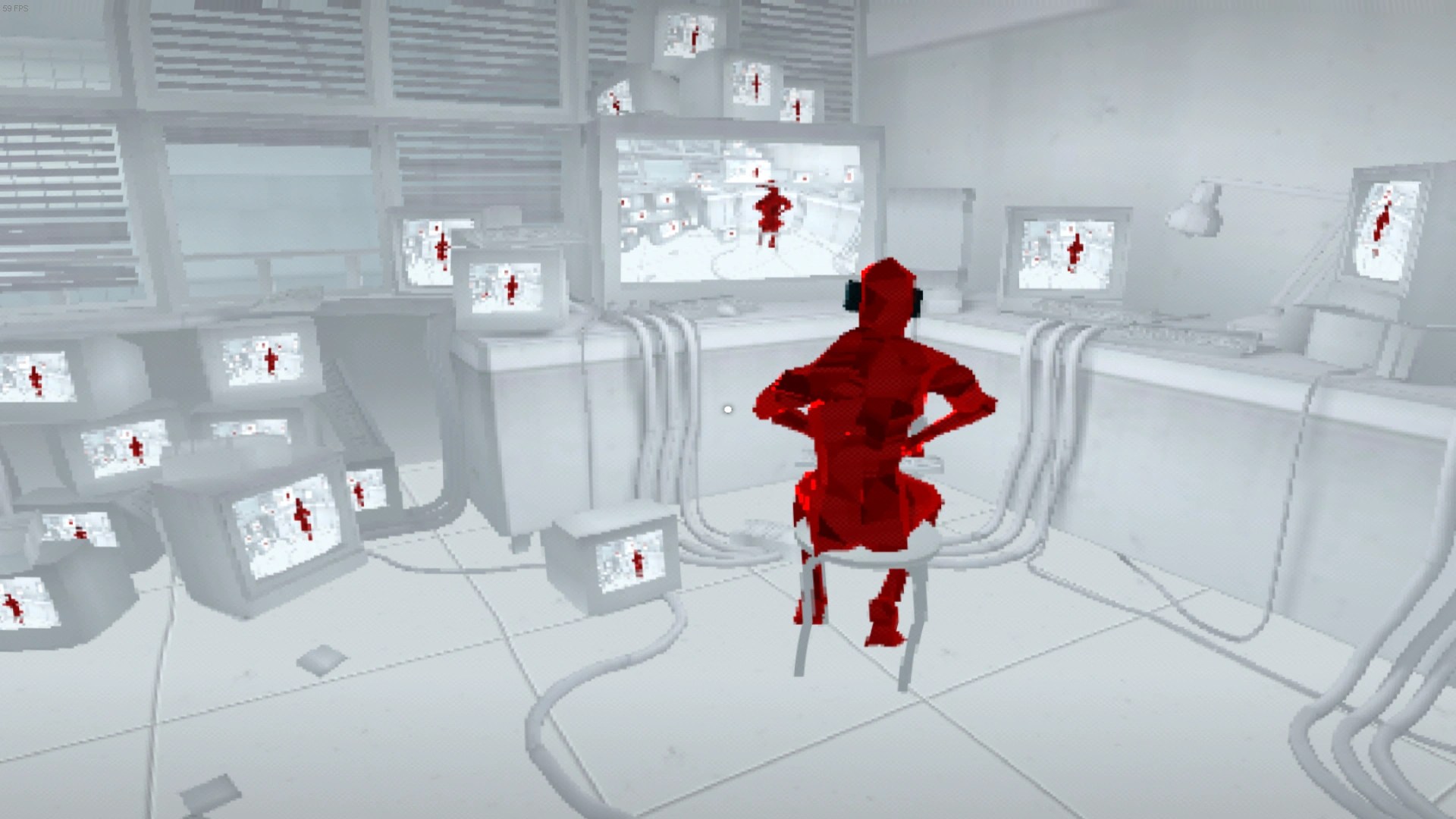
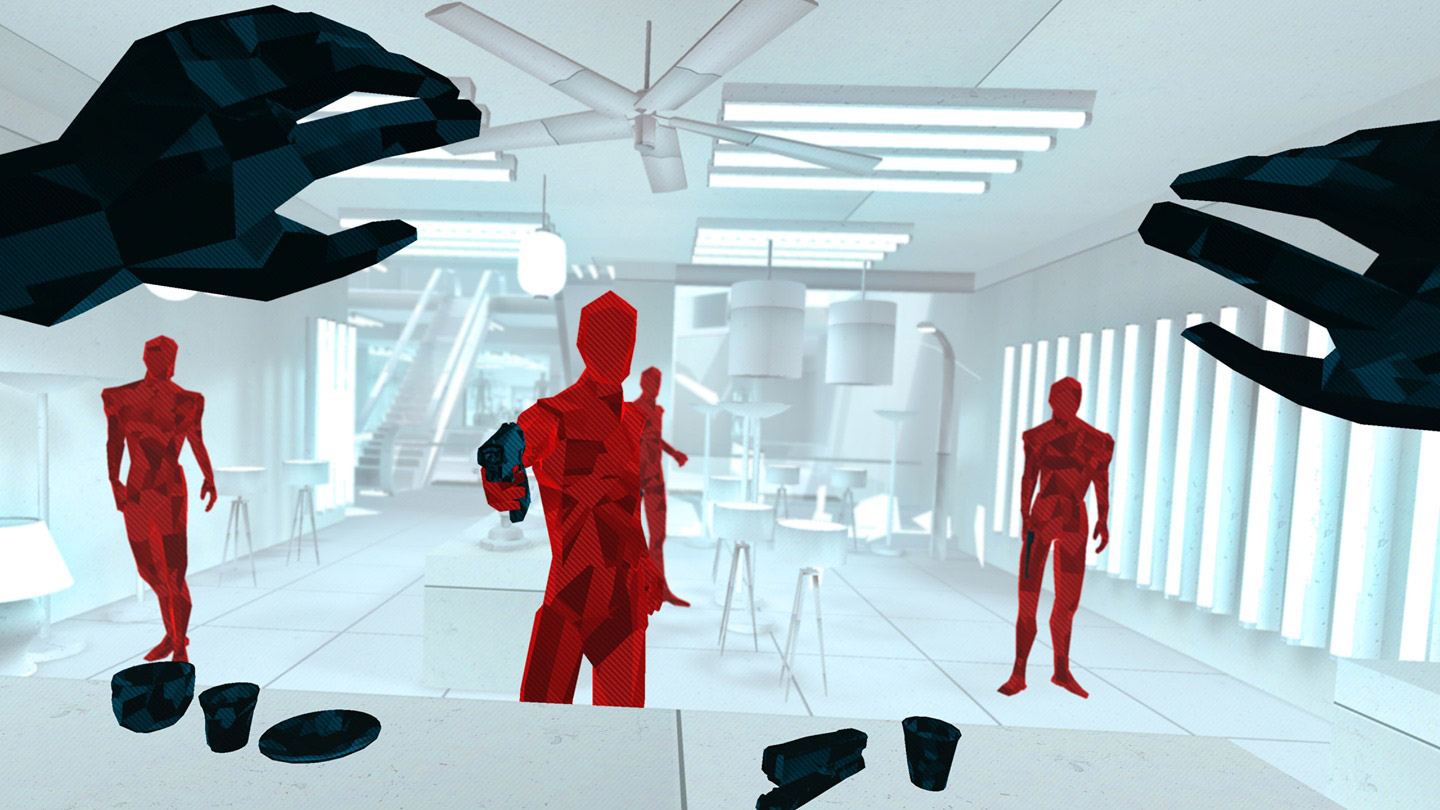
SuperHot
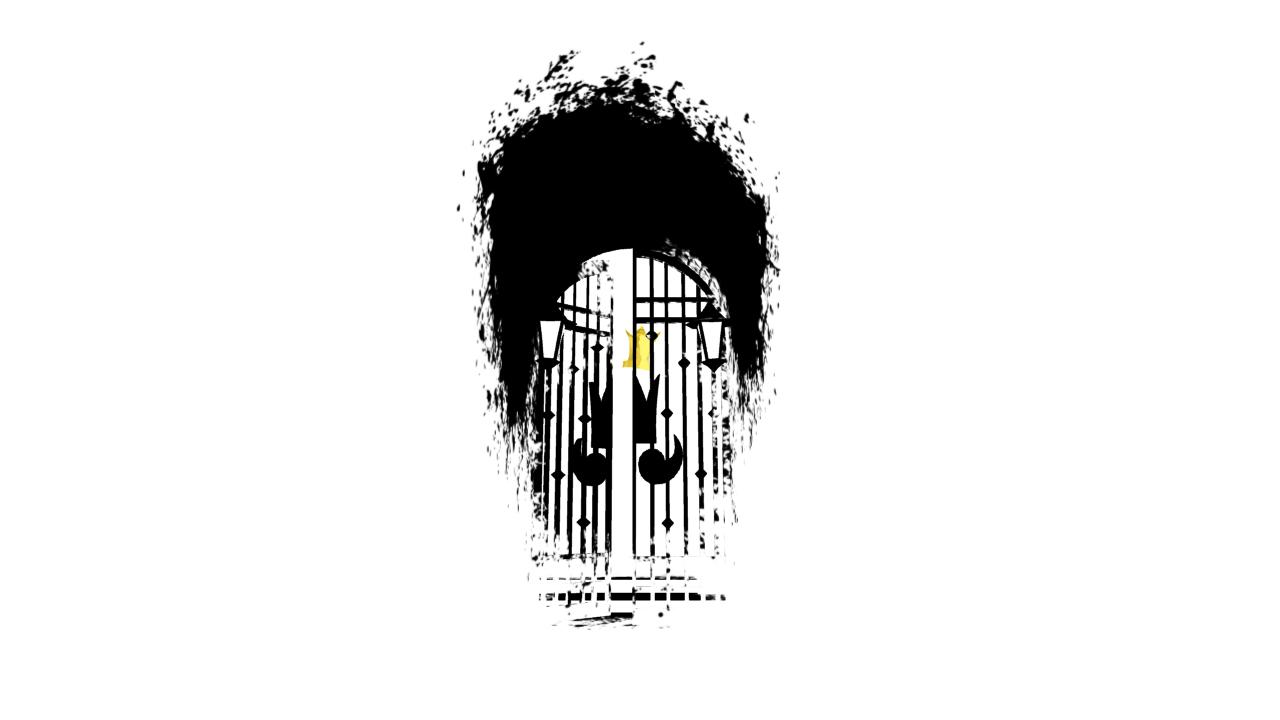
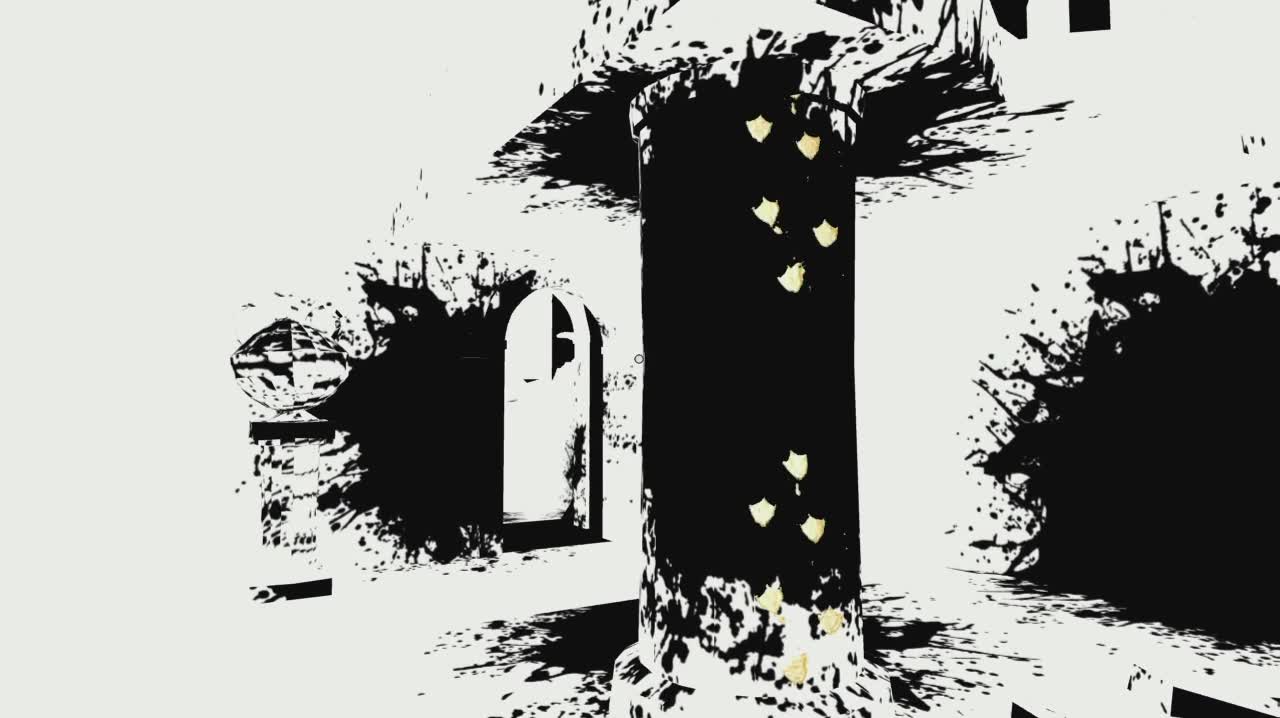
Unfinished Swan

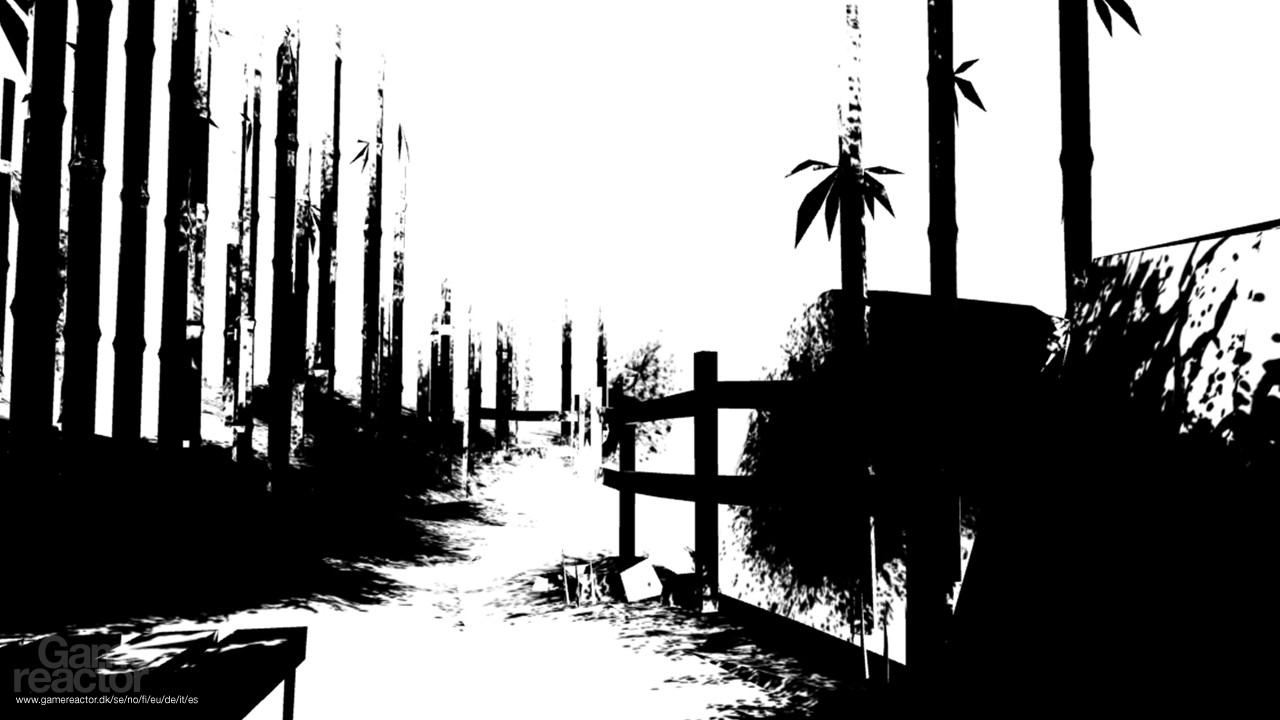
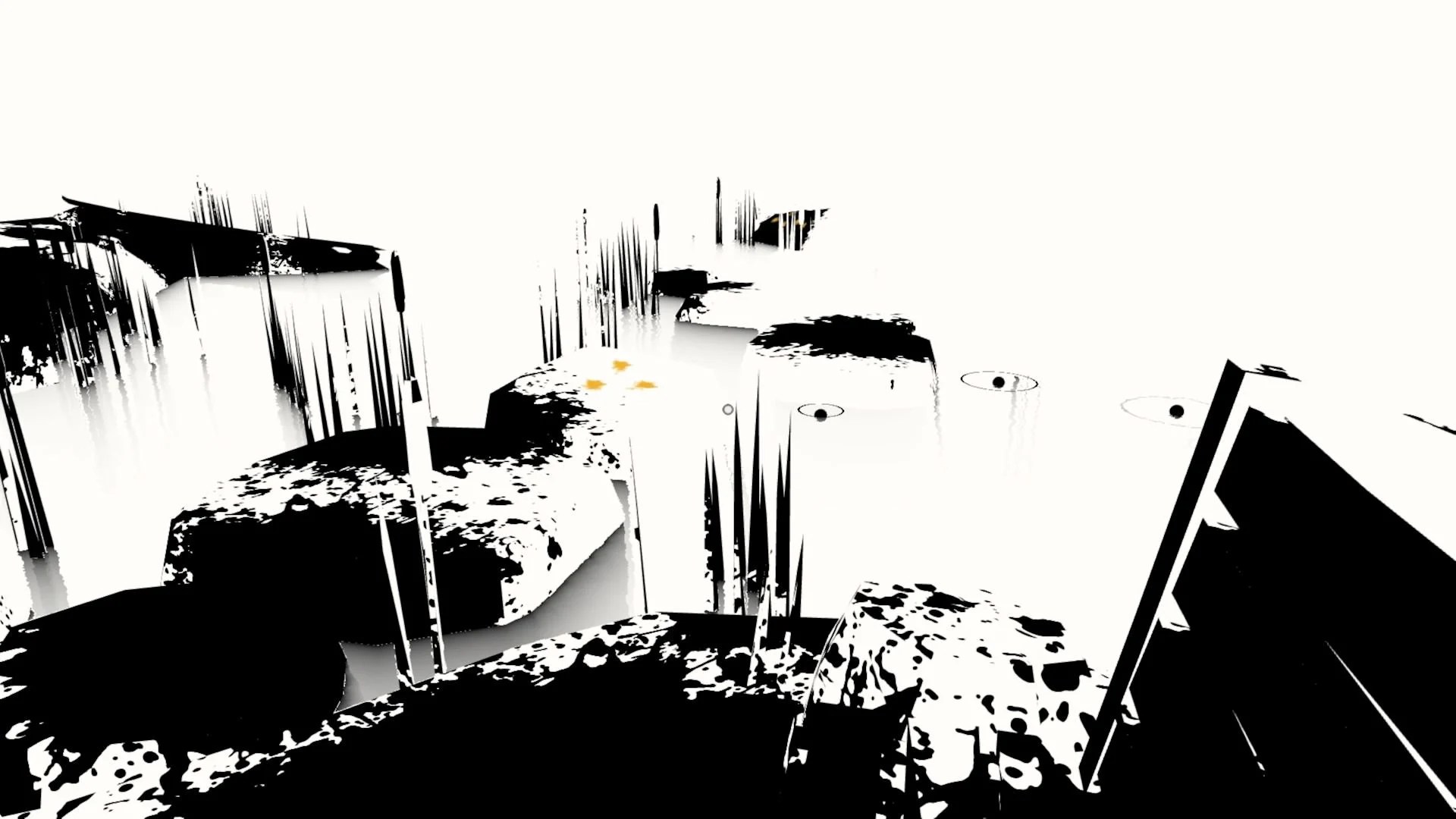
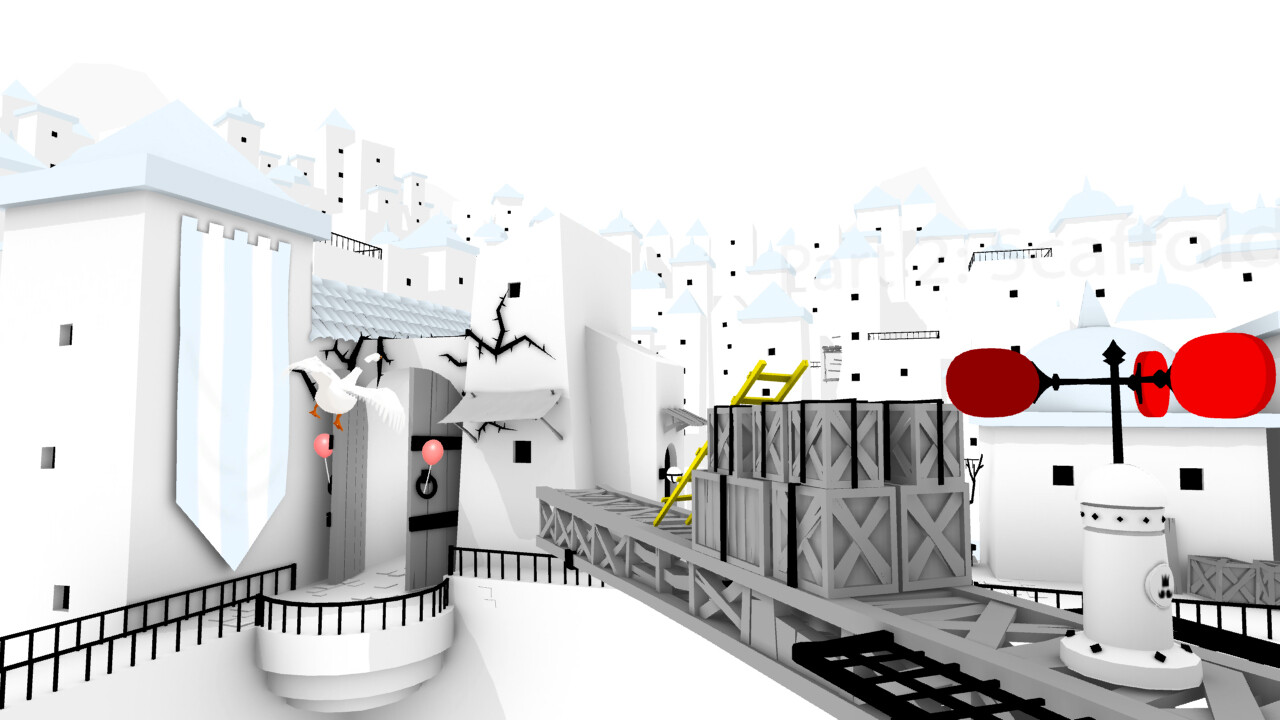

Walking Sims
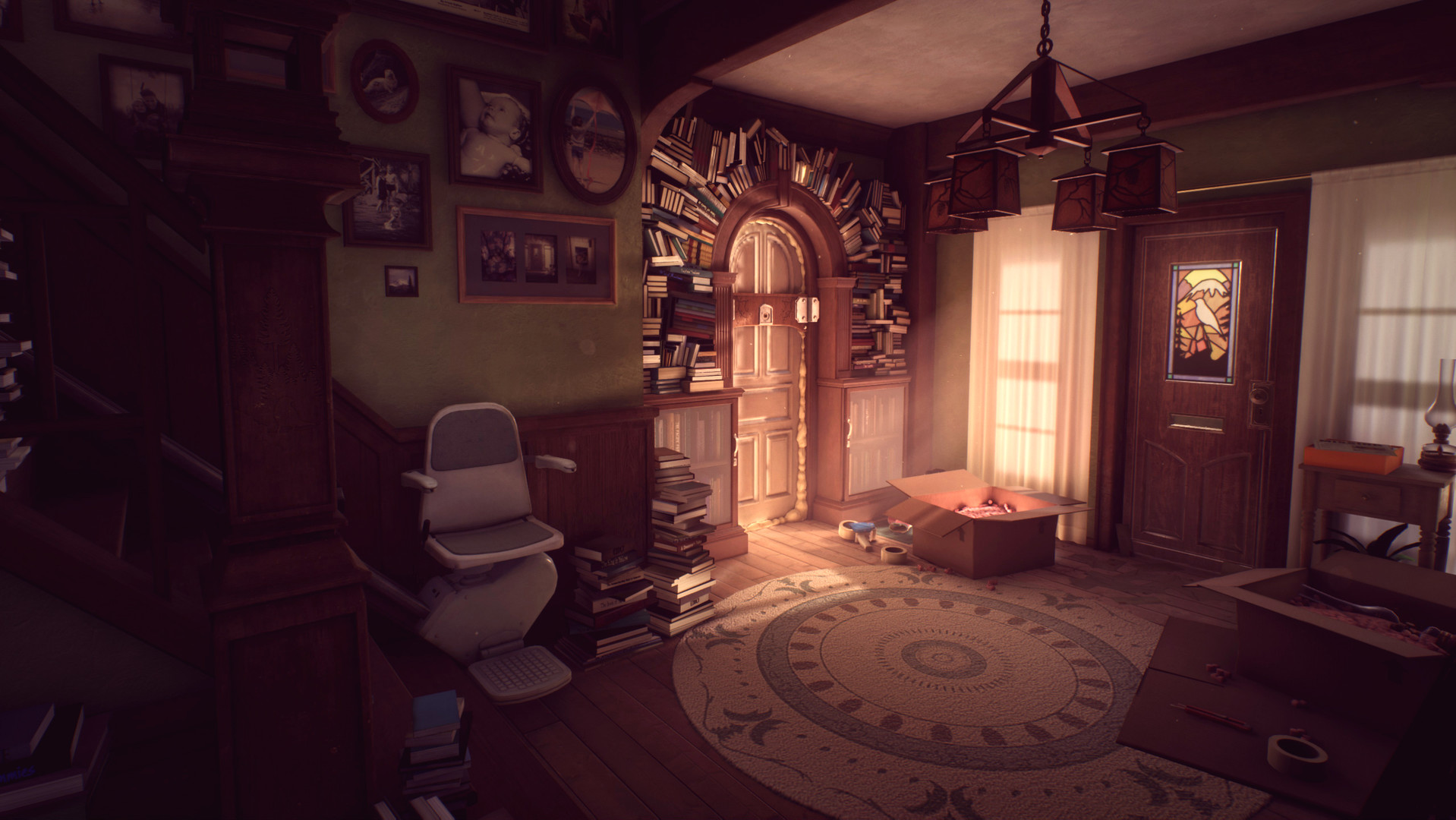
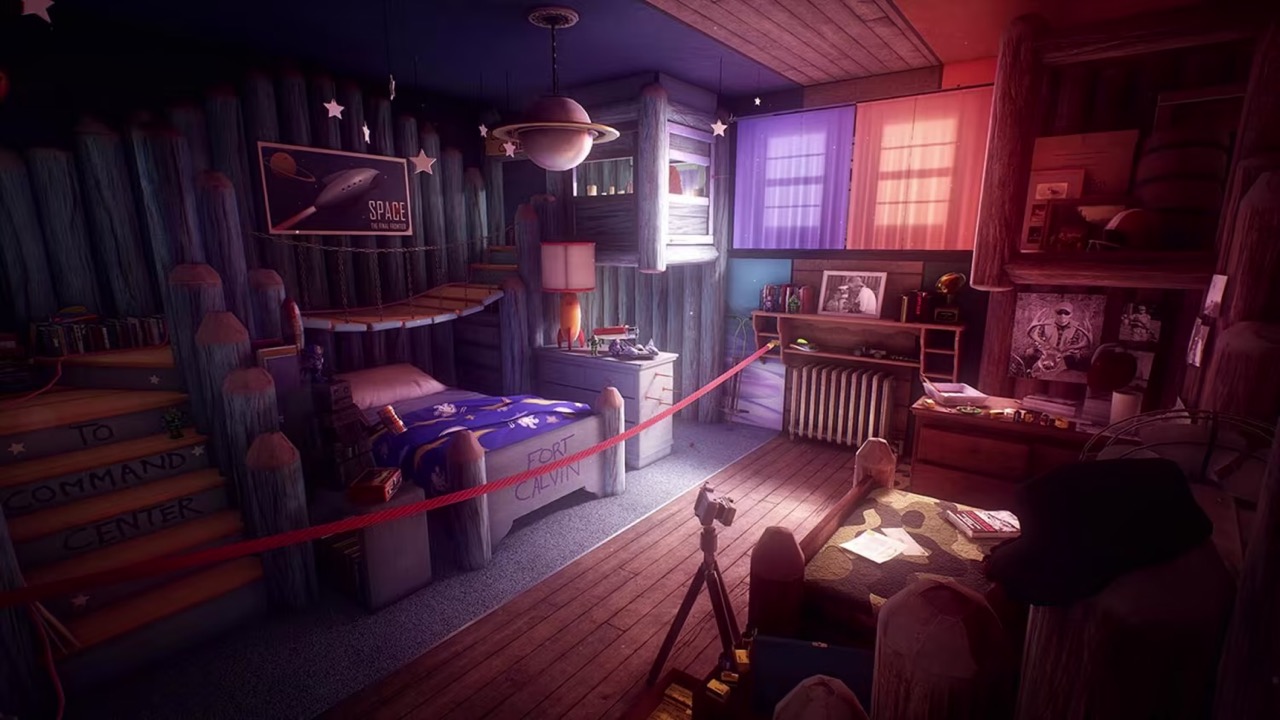
What Remains of Edith Finch
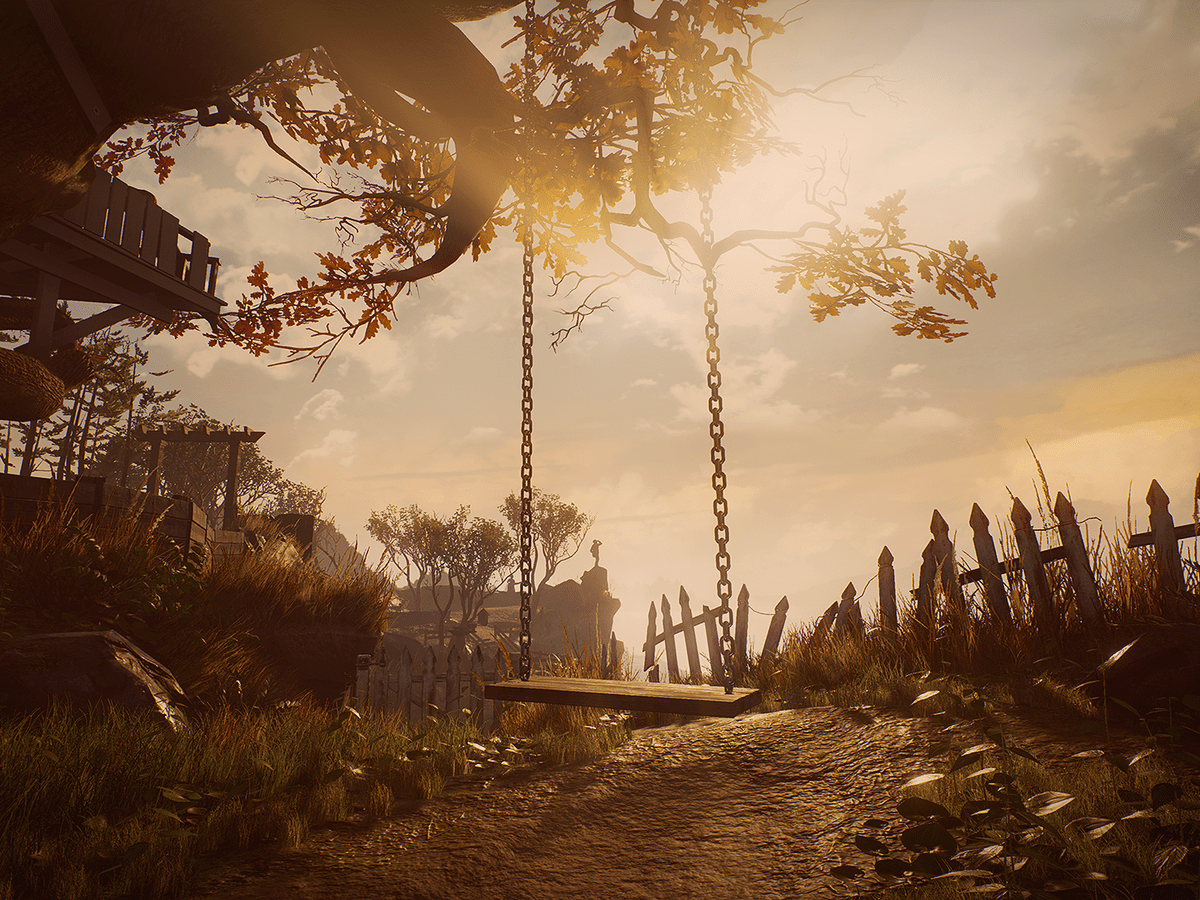
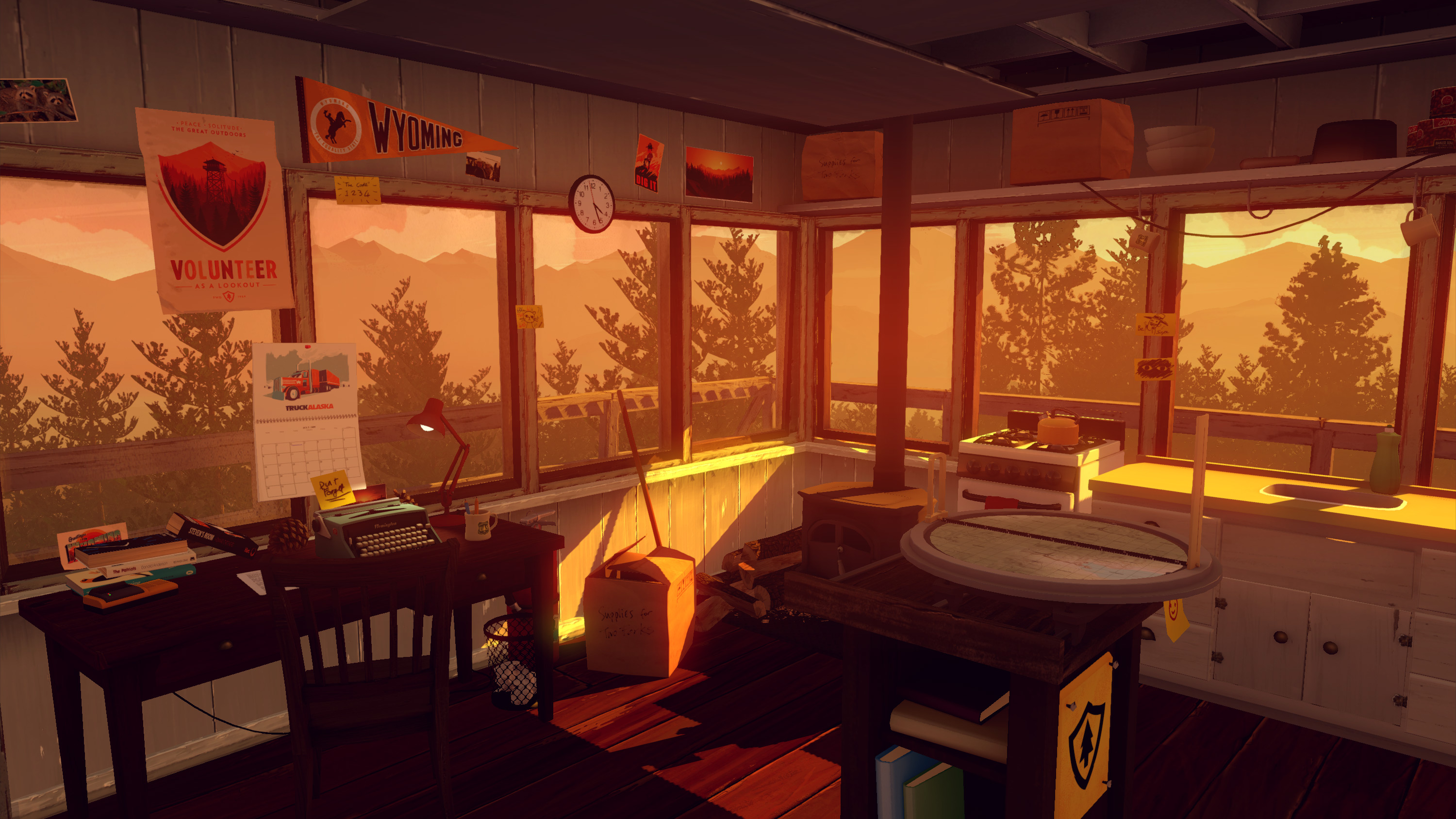
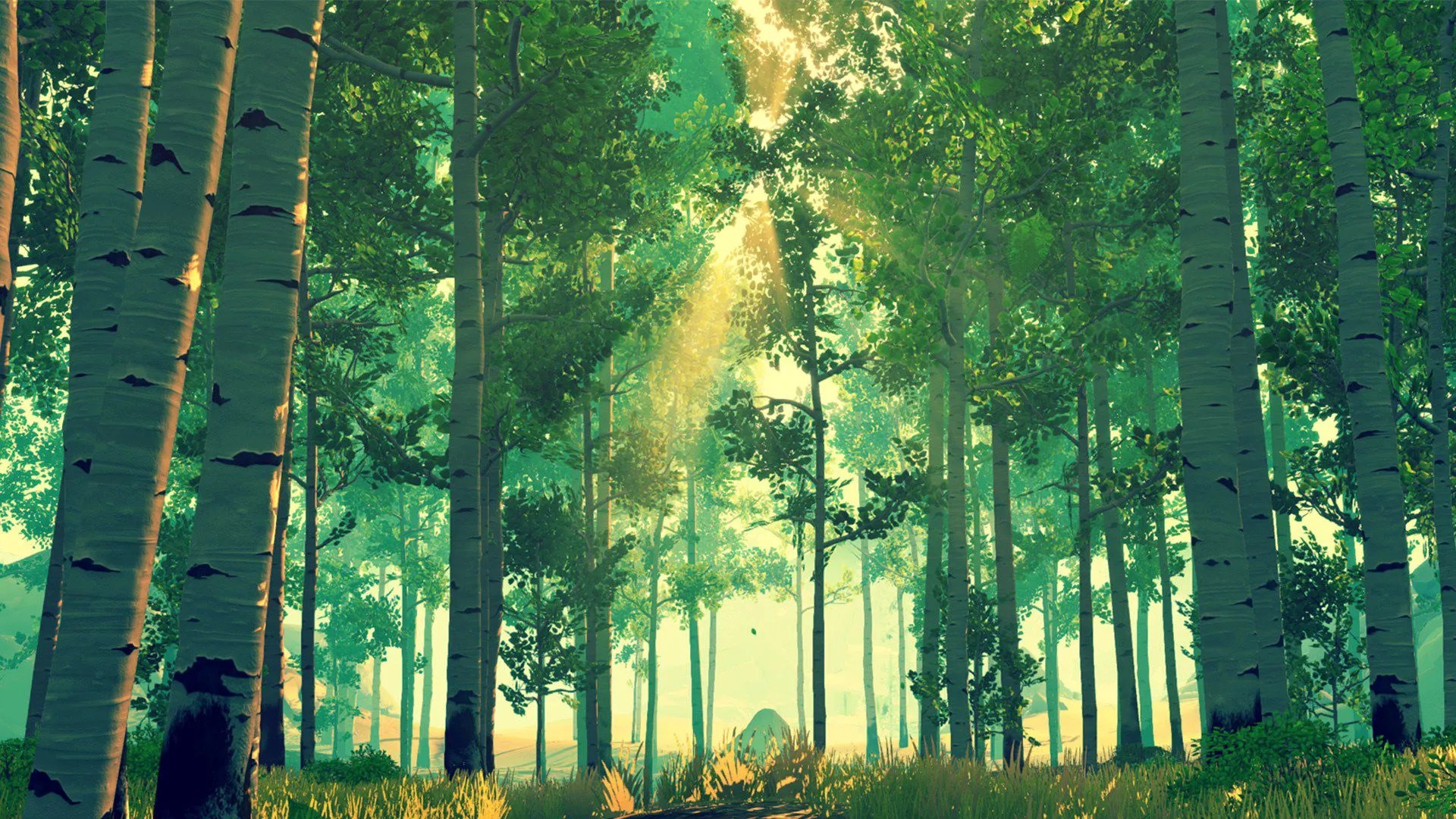
Firewatch

Everbody’s Gone to the Rapture
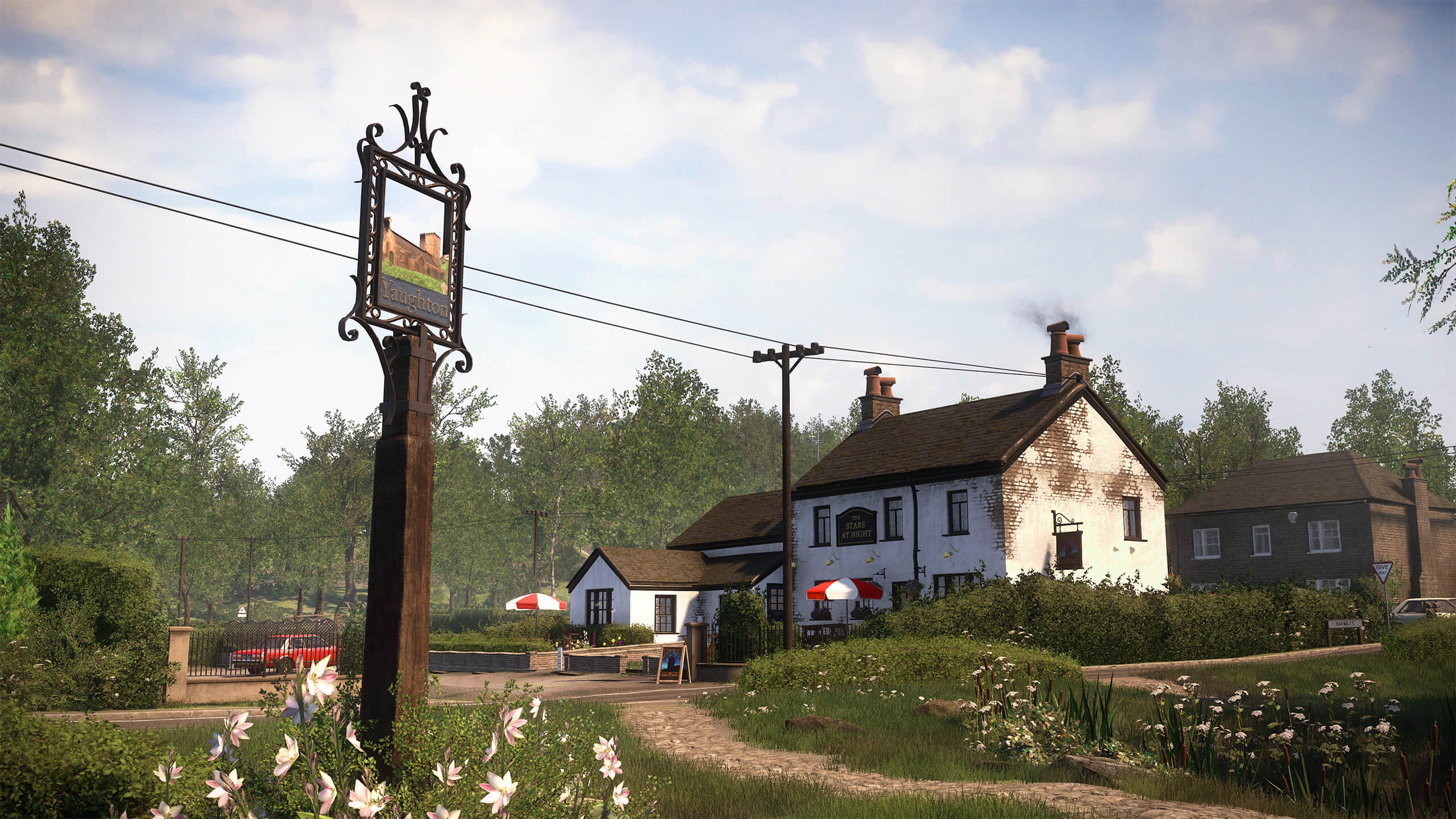
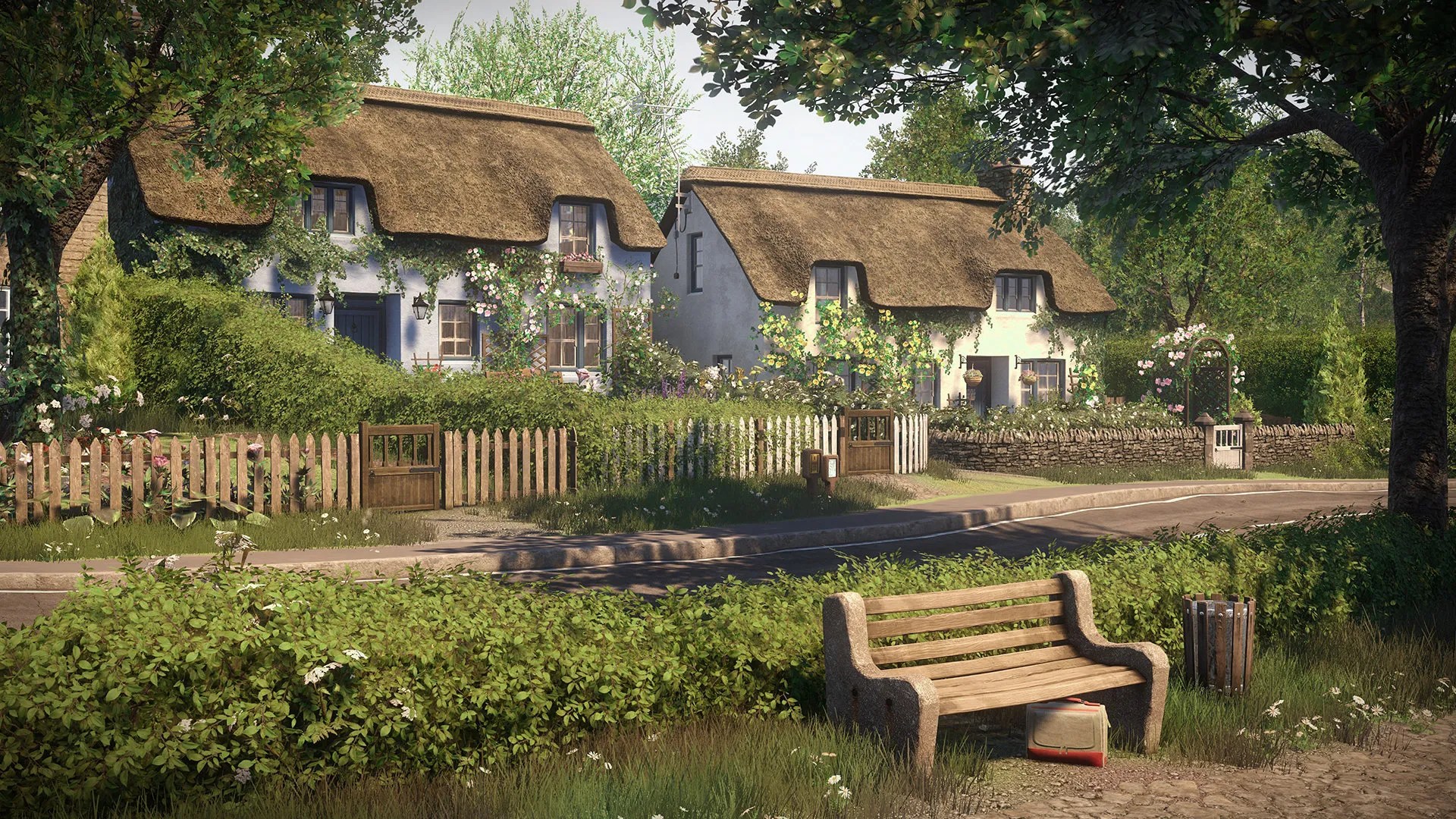
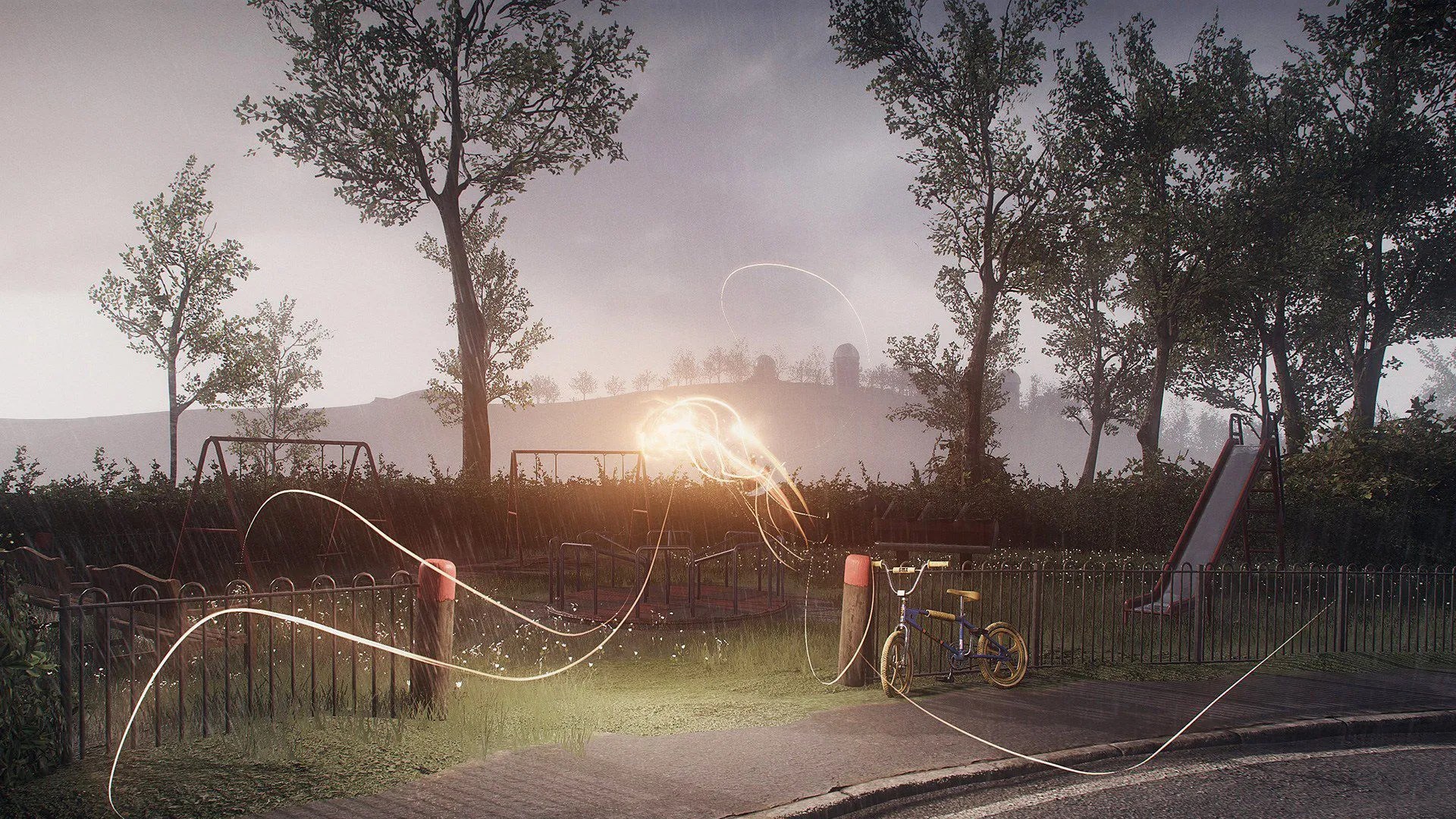
Monochromatic Art
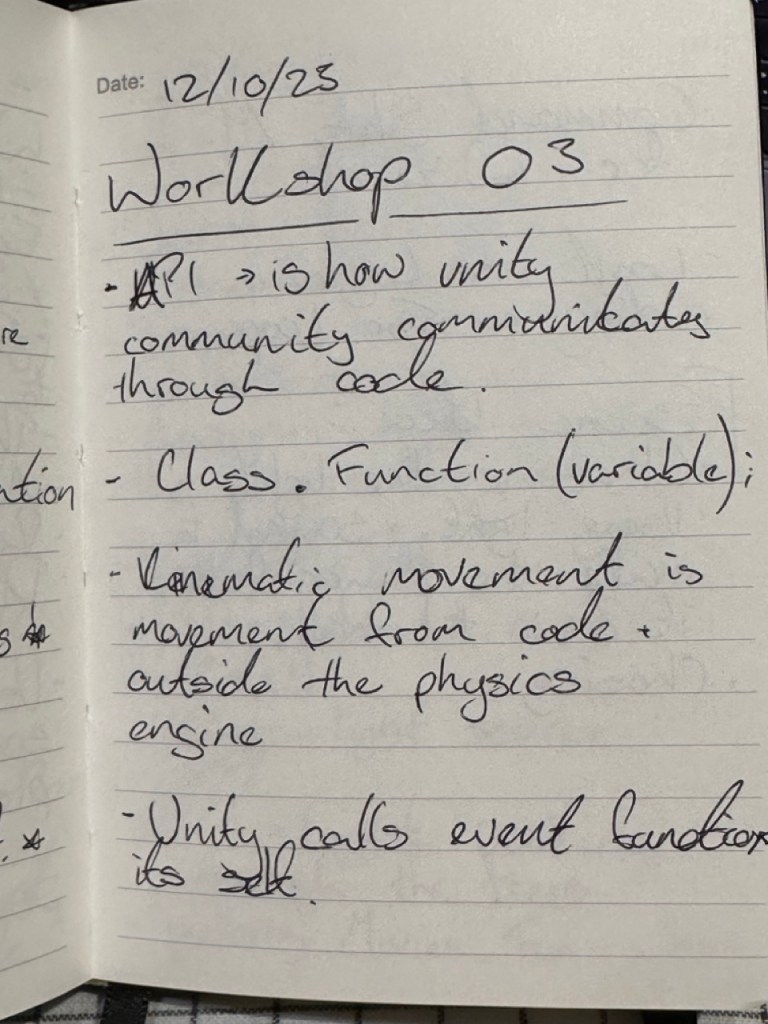
Workshop 03




Support Session : Overhaul
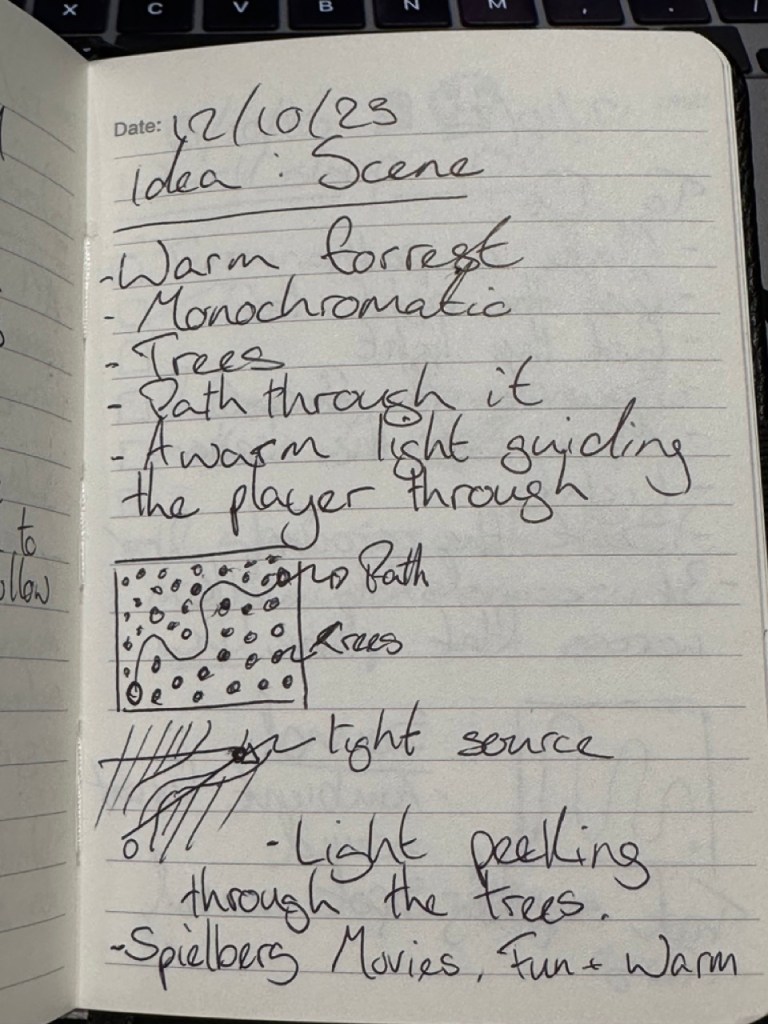
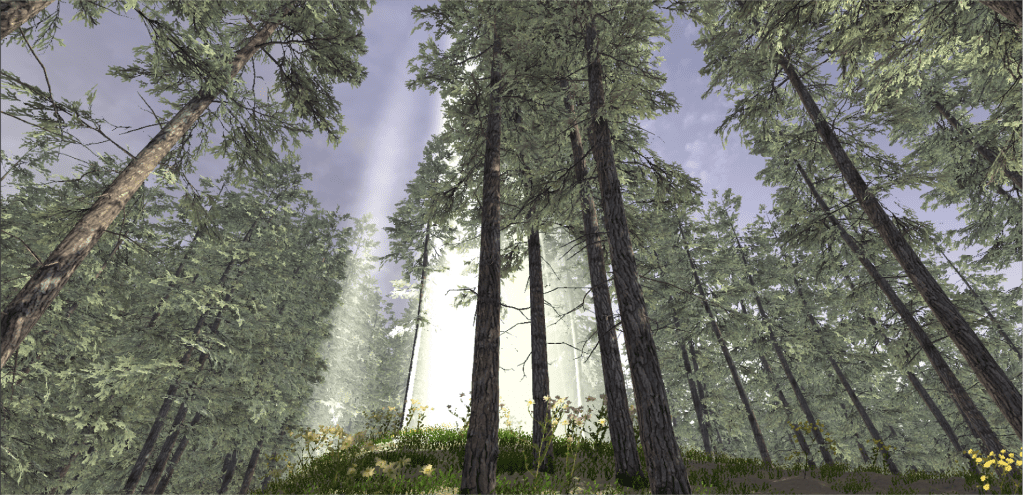
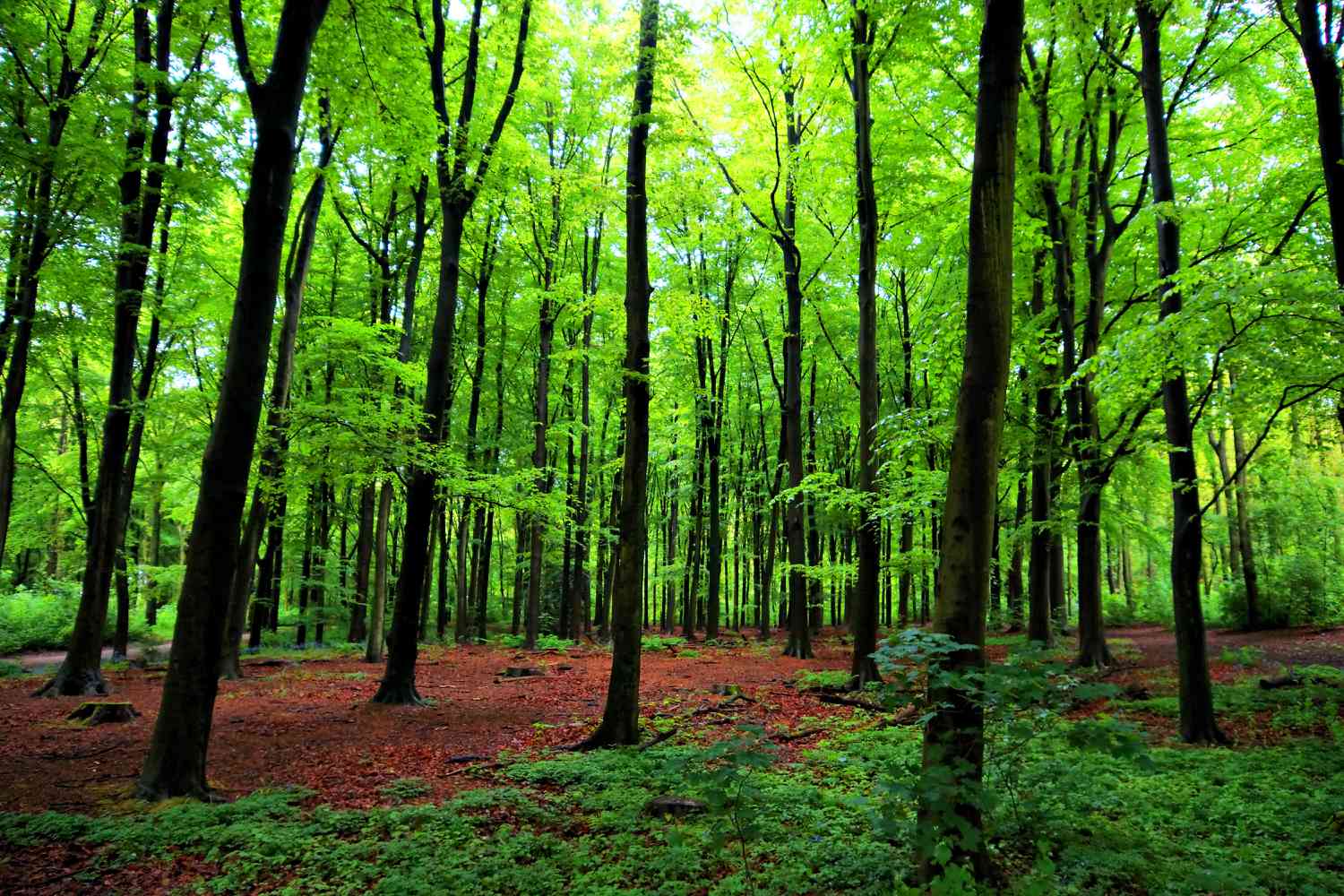
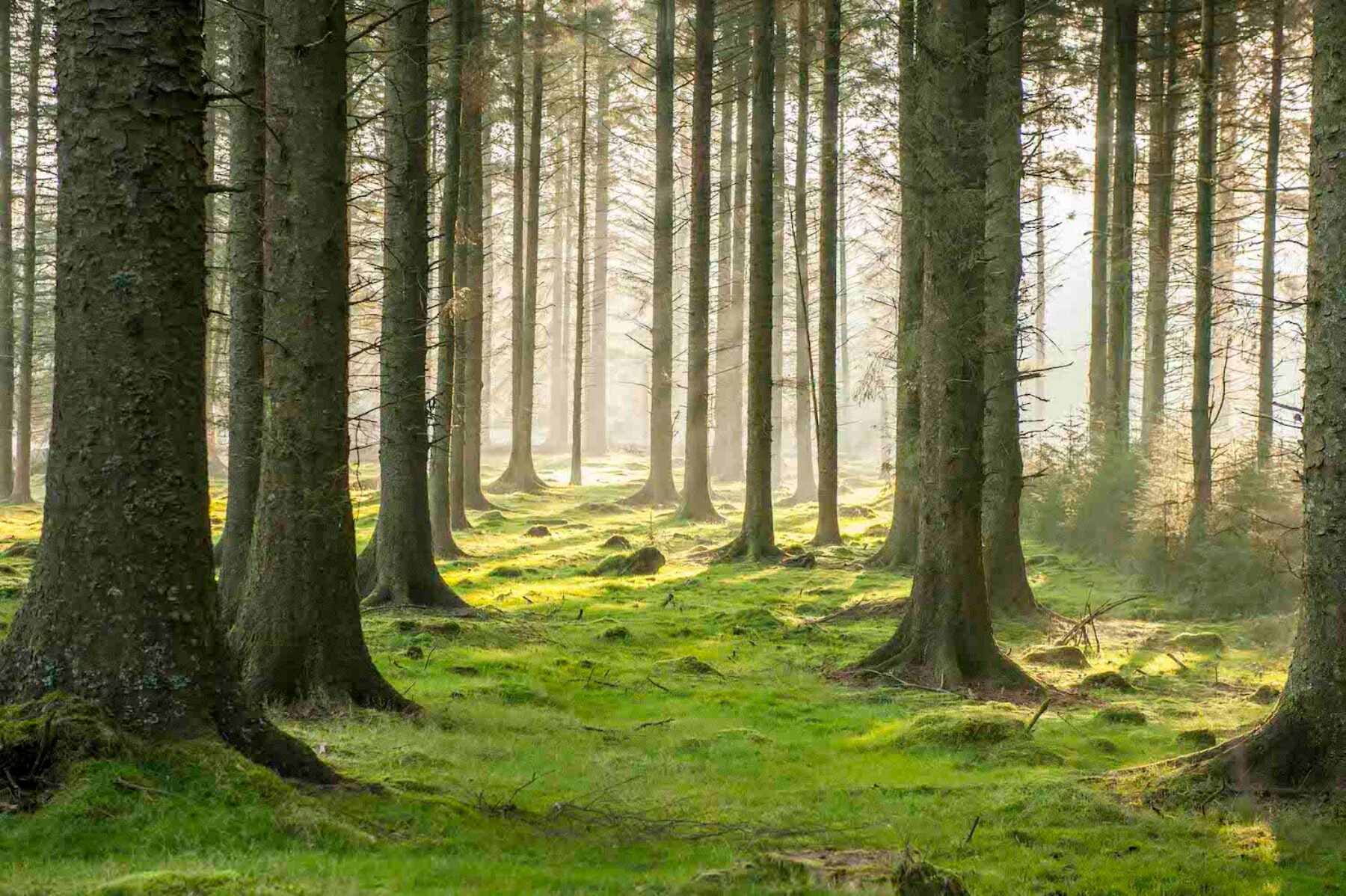
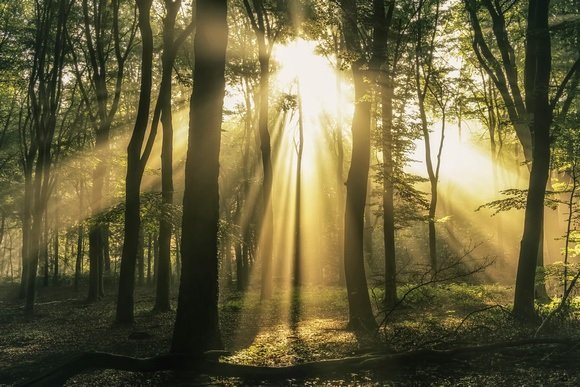
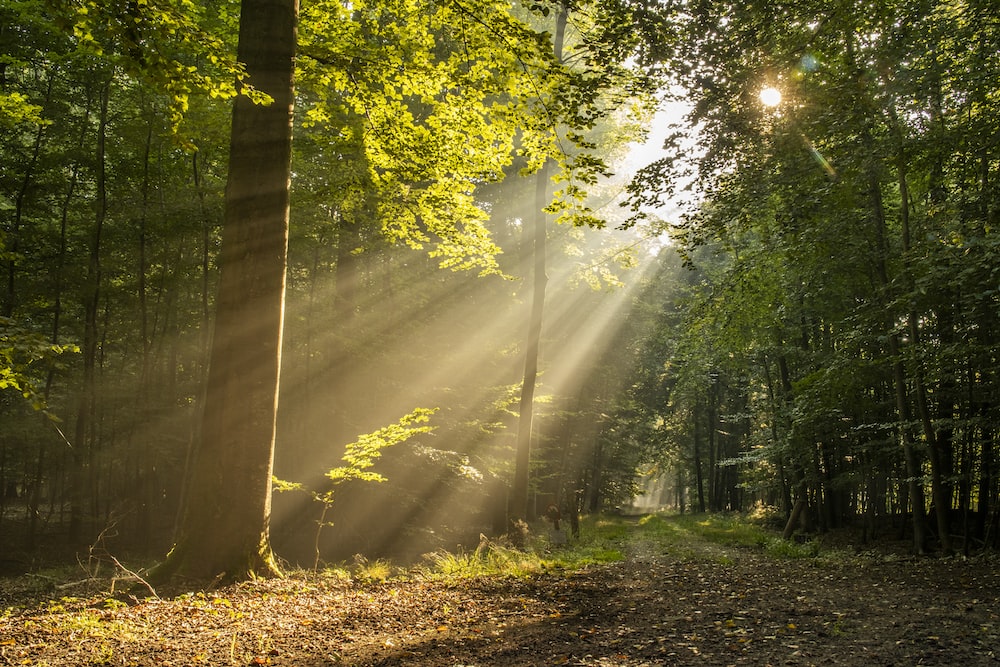
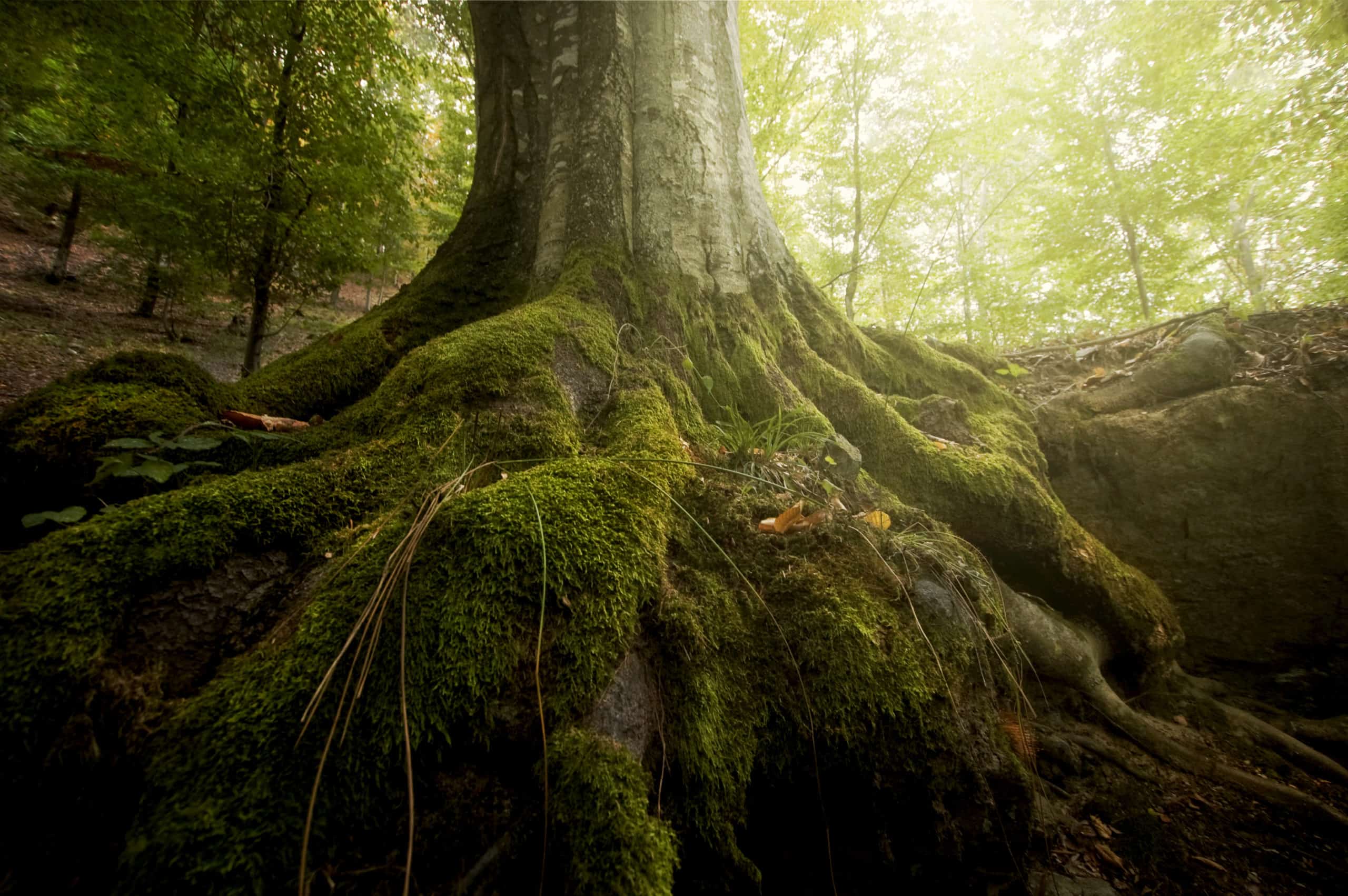
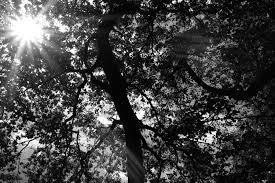
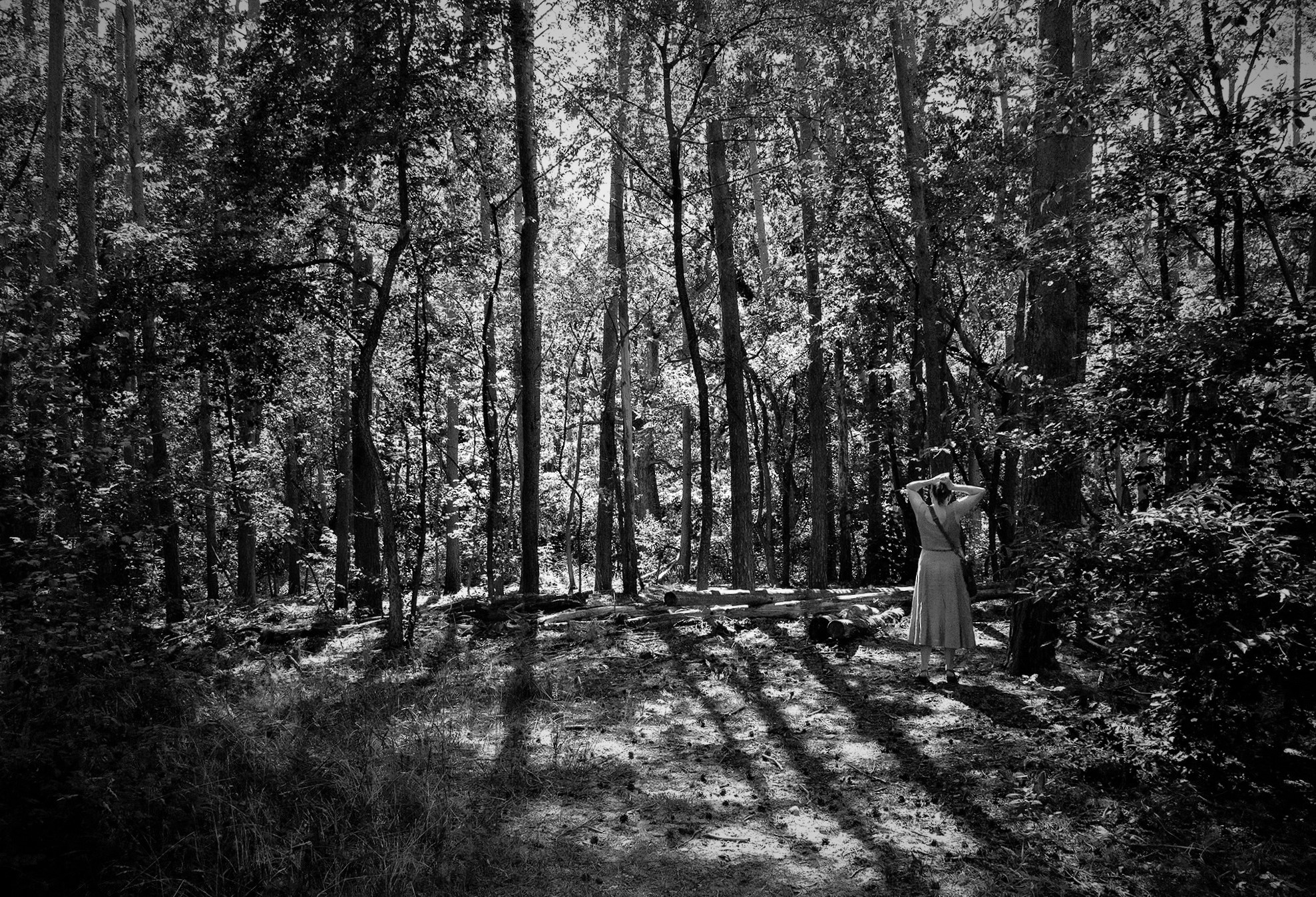
I’m keeping the basic ideas of the scene but changing the setting and feel of it. Before, there was a lack of warmth, and that sense of wonder kept becoming. one of fear or uncertainty. The scene will be in a forest in the morning, with the warm summer sun peaking through the trees, guiding the player forward.
This week has been quite tumultuous in my personal life, and I have had to spend too much of it inside. When I needed a break, I went outside whenever I could to get some fresh air and to calm myself, listening to the wind through the trees. I want to bring as much of that as I can into my scene.


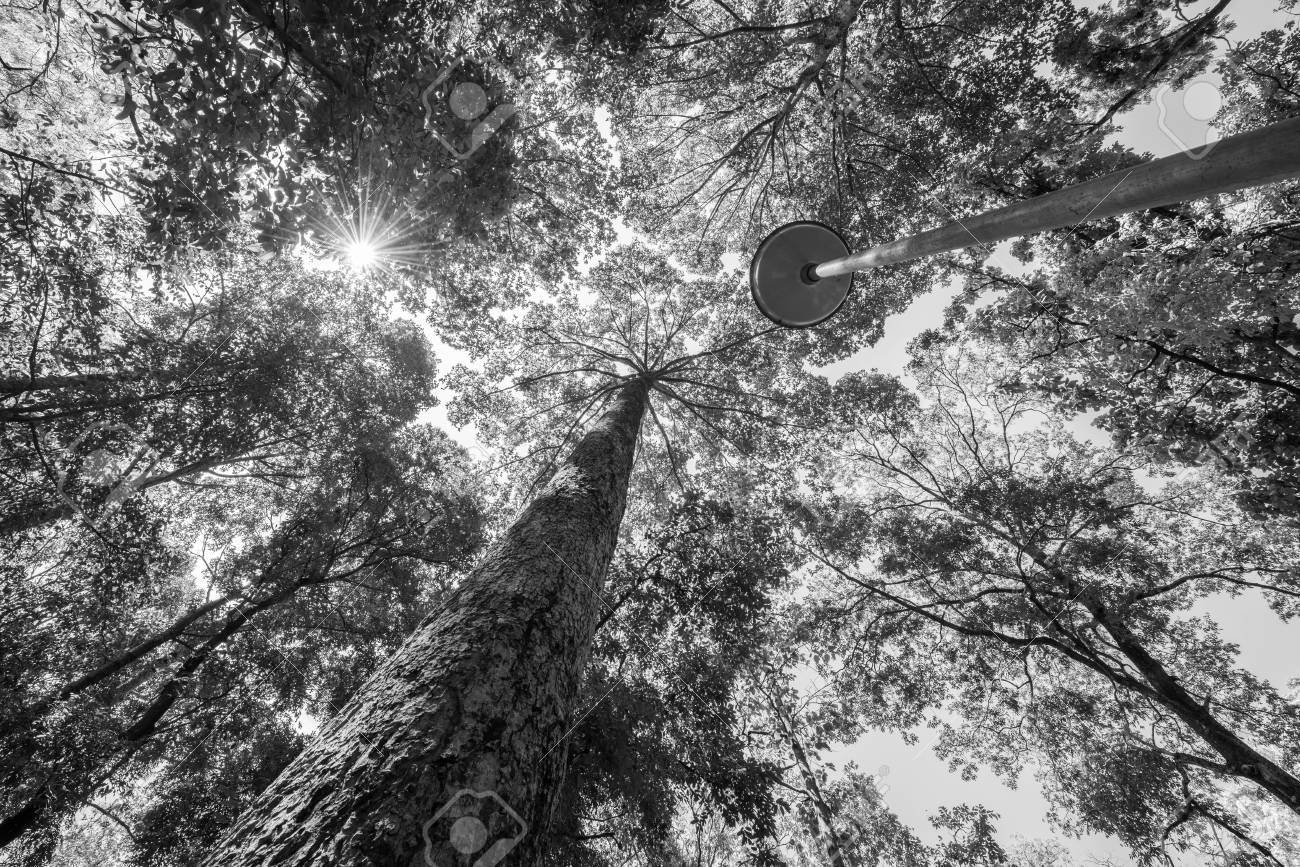
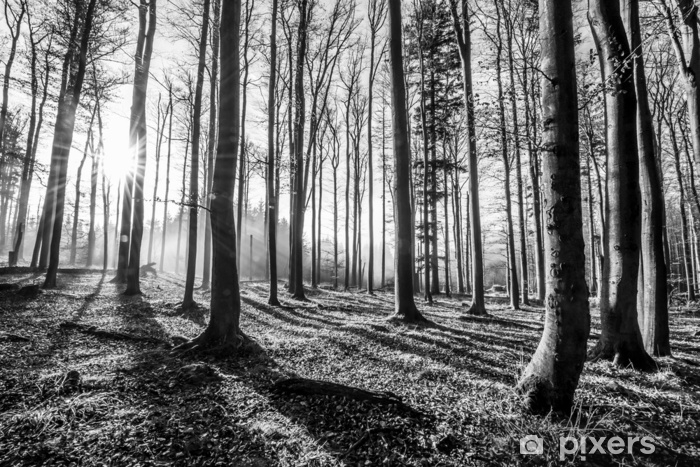
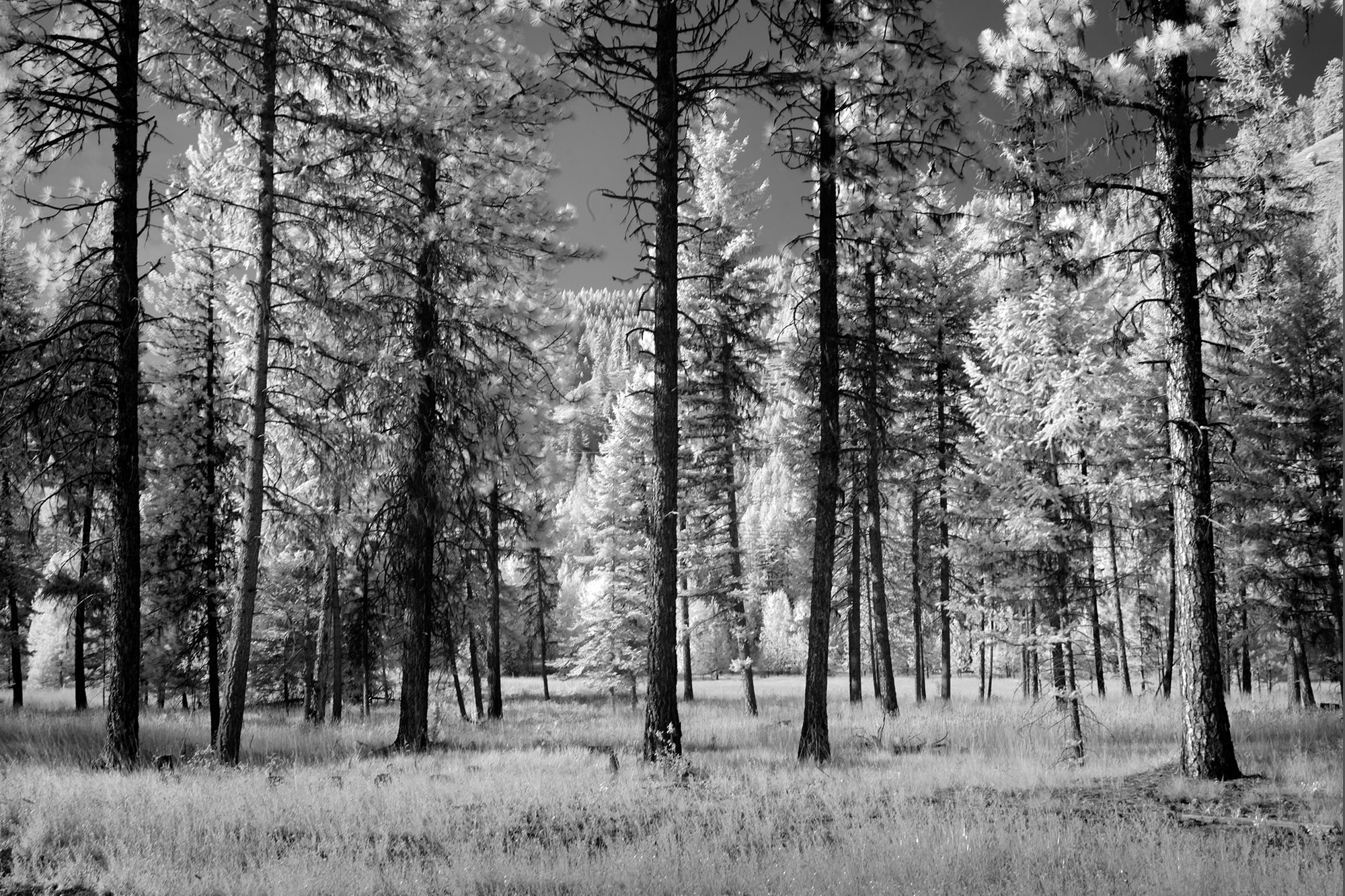
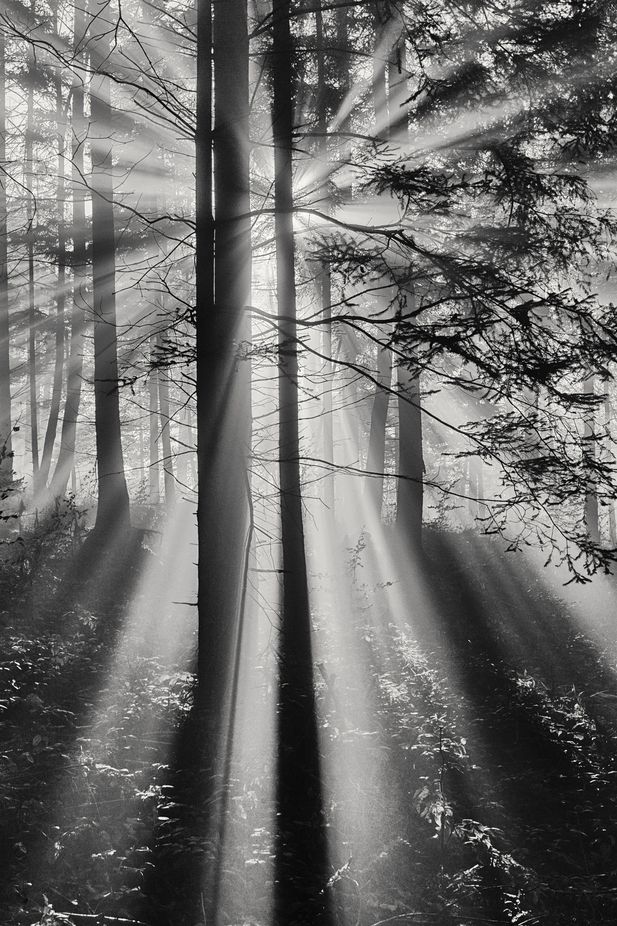


Tree Test
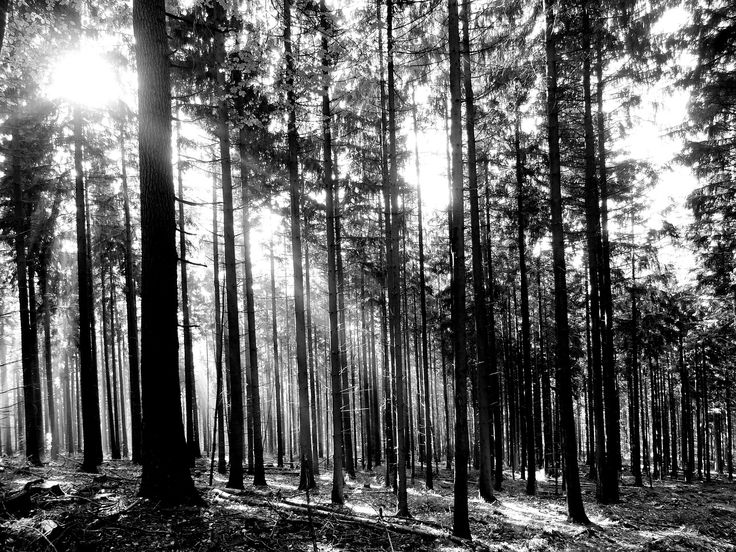
This is my initial test on what trees I should use, how dense they need to be, and how the light reacts through the leaves. After this test, I’ve learned that the trees need to be much denser to achieve the effect I’m after and taller to give the impression of the far-reaching top of the forest.
Terrain Test
Above is my first attempt at experimenting with the terrain in Unity and how the player interacts with and traverses the terrain. In my scene, the terrain will be more subtle, but I will use the terrain so conceal the limitations of the scene.
Tree/Terrain Test
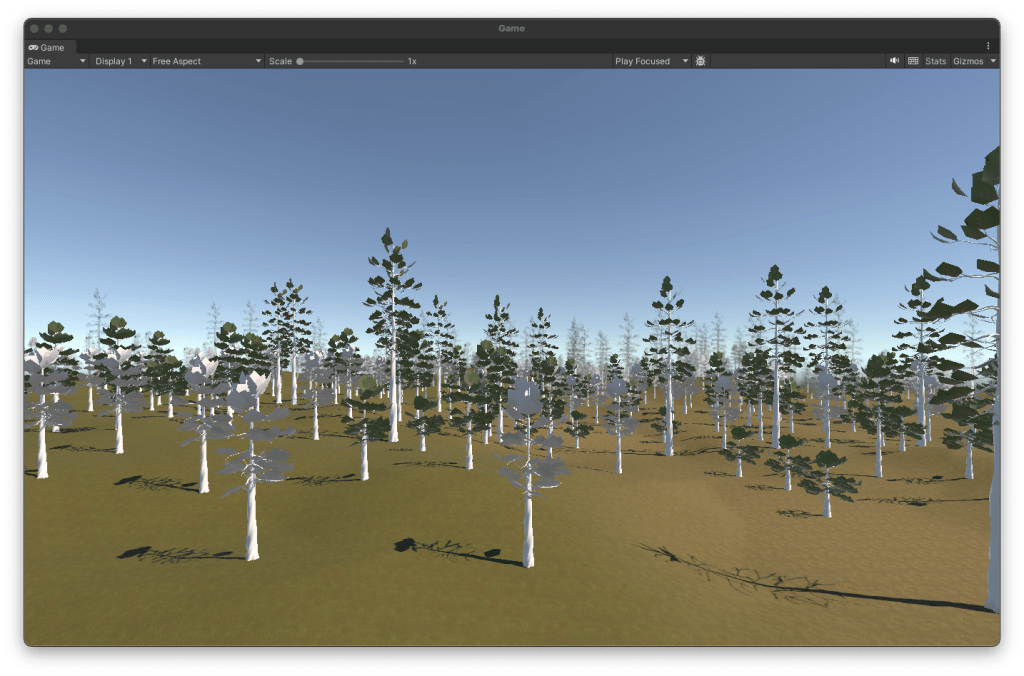
In this attempt, I wanted to ramp up the density of the trees to the extreme just to see how many trees there has to be to imitate the look of a forest. What still needs to be changed is the trees’ height and thickness to bring the forest’s stability to life.
Finding the sounds of the forrest
The sounds I wanted to find for the forest focused on subtlety. Nothing too dramatic but just the wind moving through the trees and animals in the distance with more active sounds that can be used in triggers such as a bird chirping or a branch breaking.
Support Session

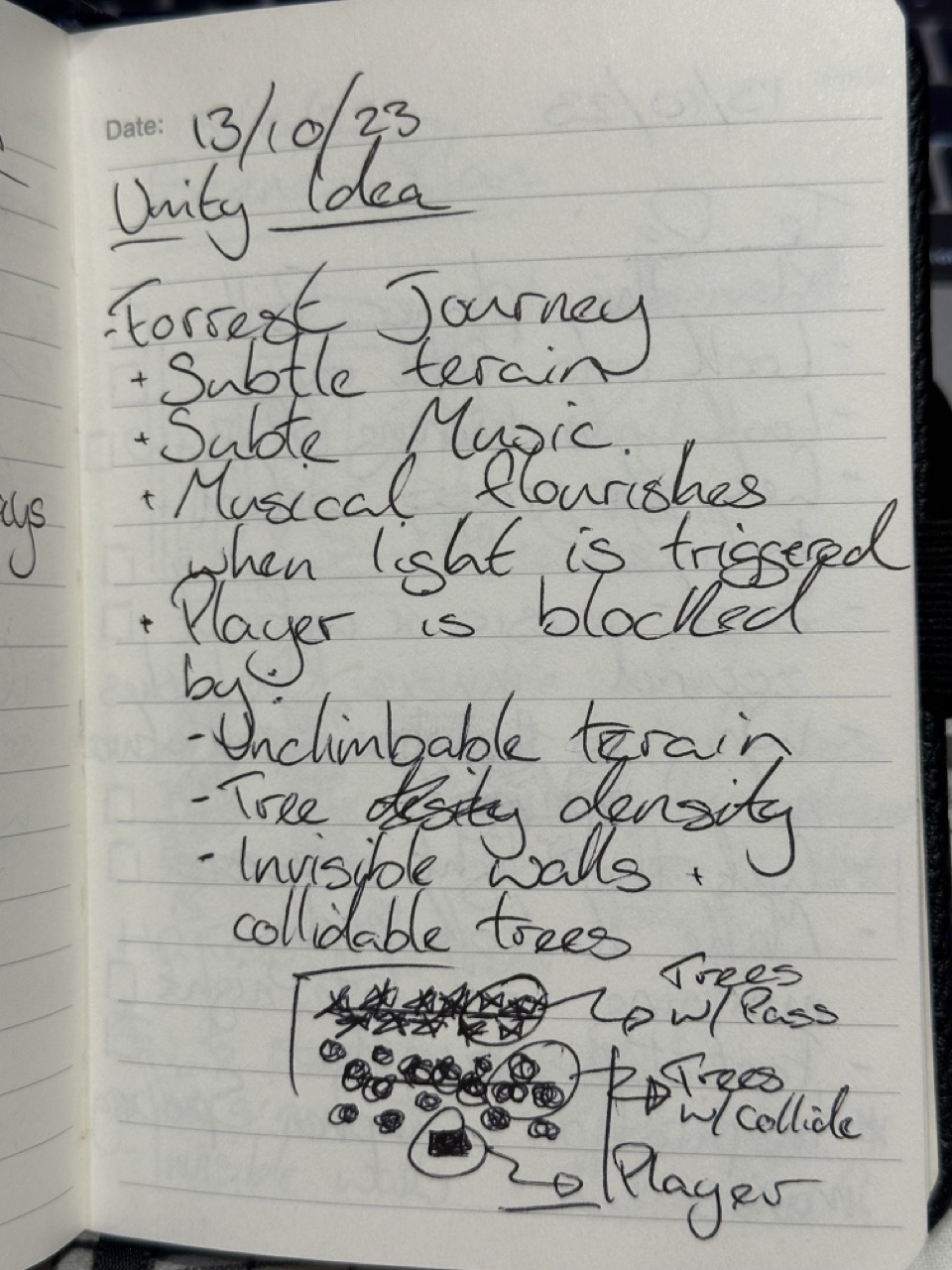
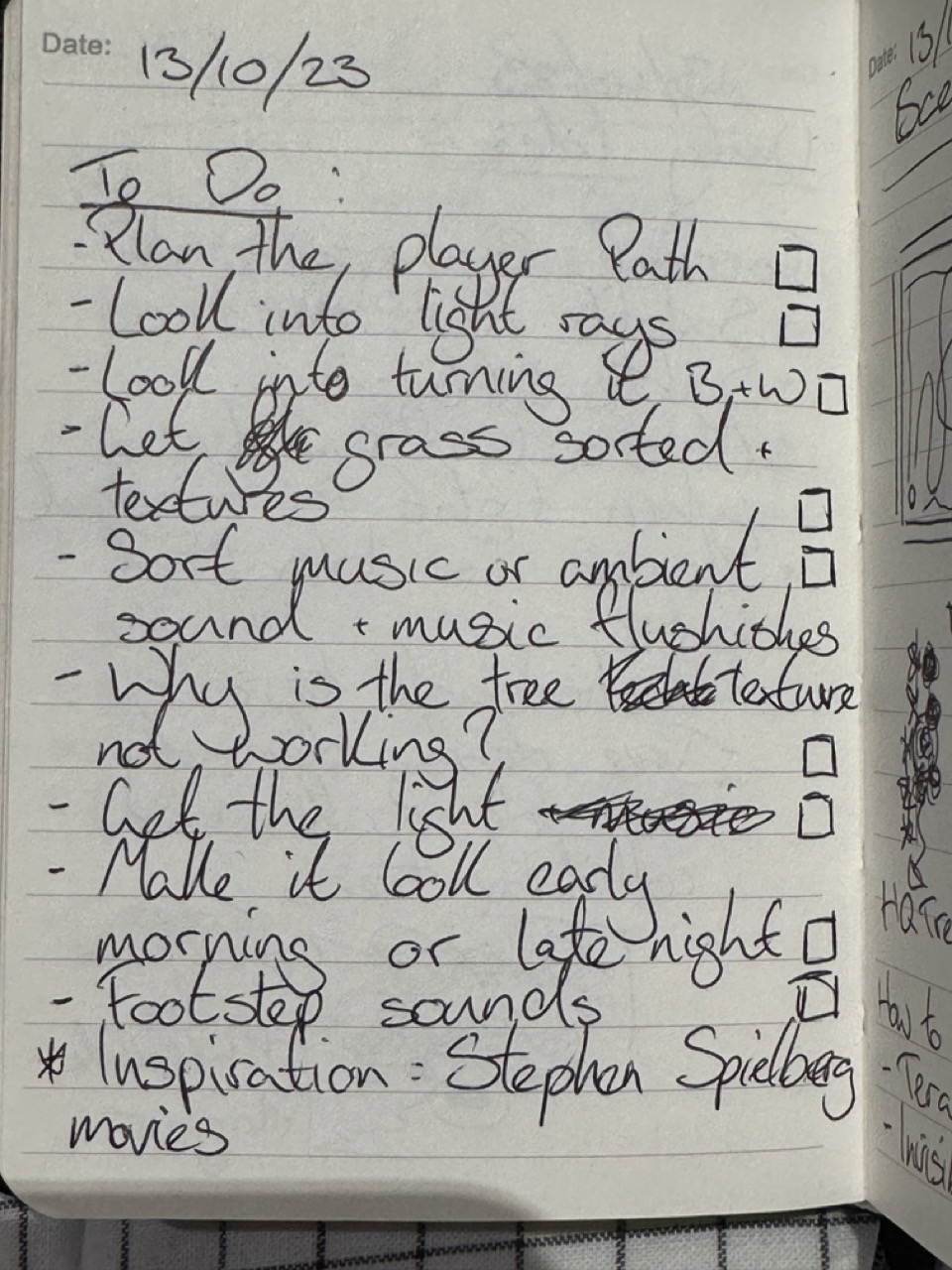
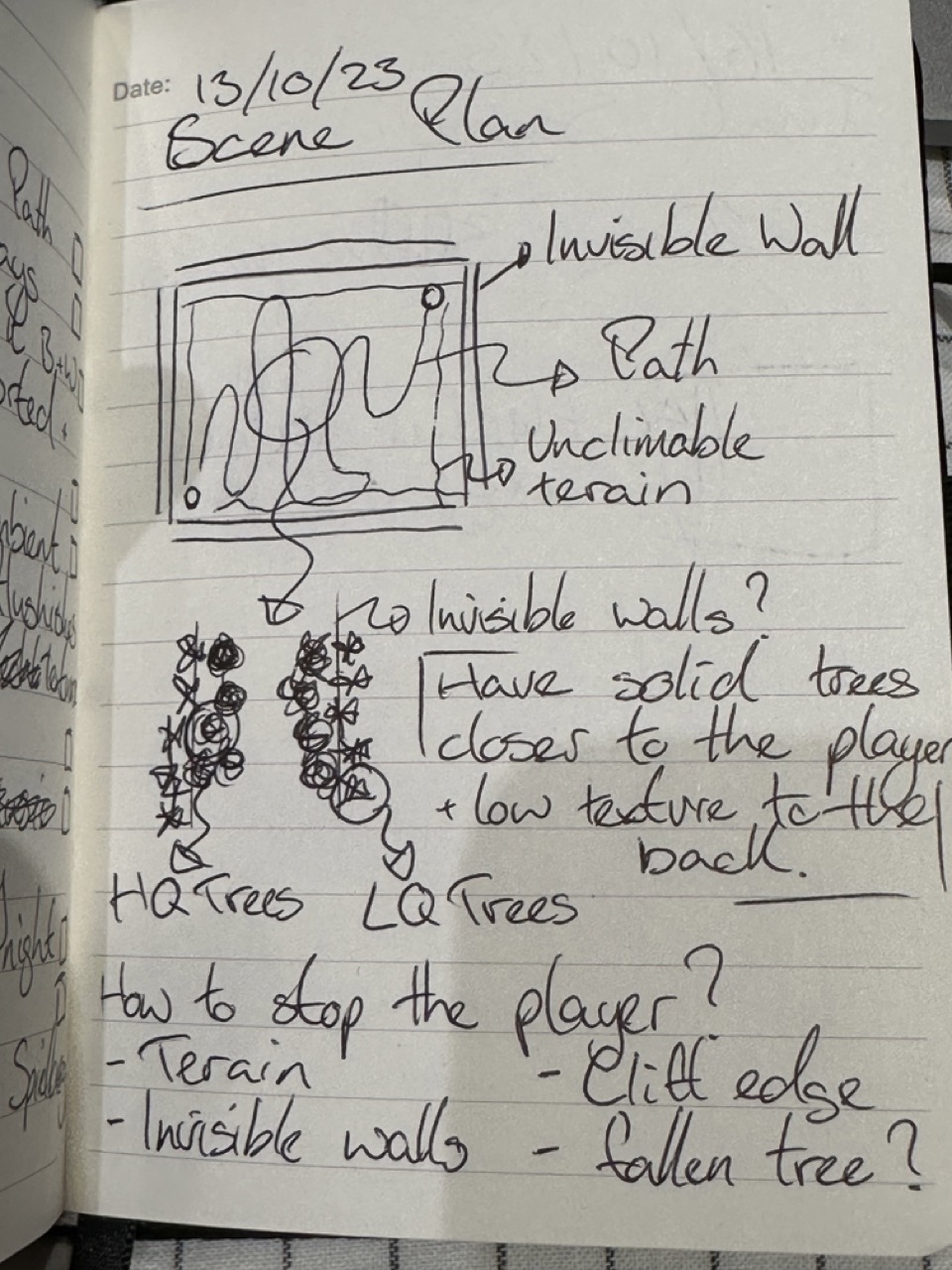
Building the Scene

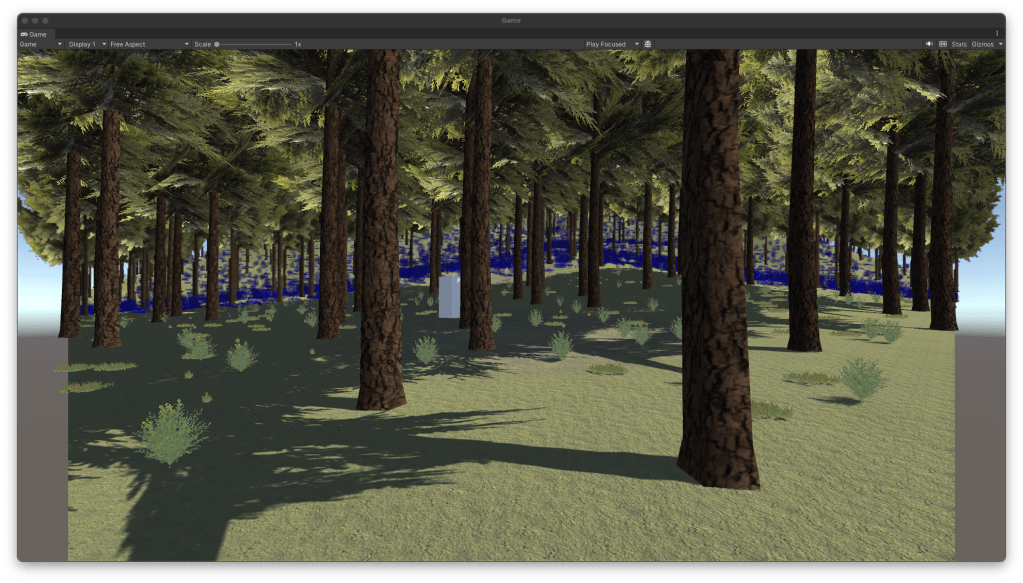
Between the images above and below, I have imported a different tree prefab and adjusted the height as much as I could, used terrain and tree density to hide the limitations of the landscape, paid more attention to the ground of the forest that colour and texture or the grass and foliage.
I am happy with the terrain on this iteration, though; the soft hill doesn’t feel out of place and creates a natural horizon break to hide some limitations and creates a natural path or endpoint for the player to climb.
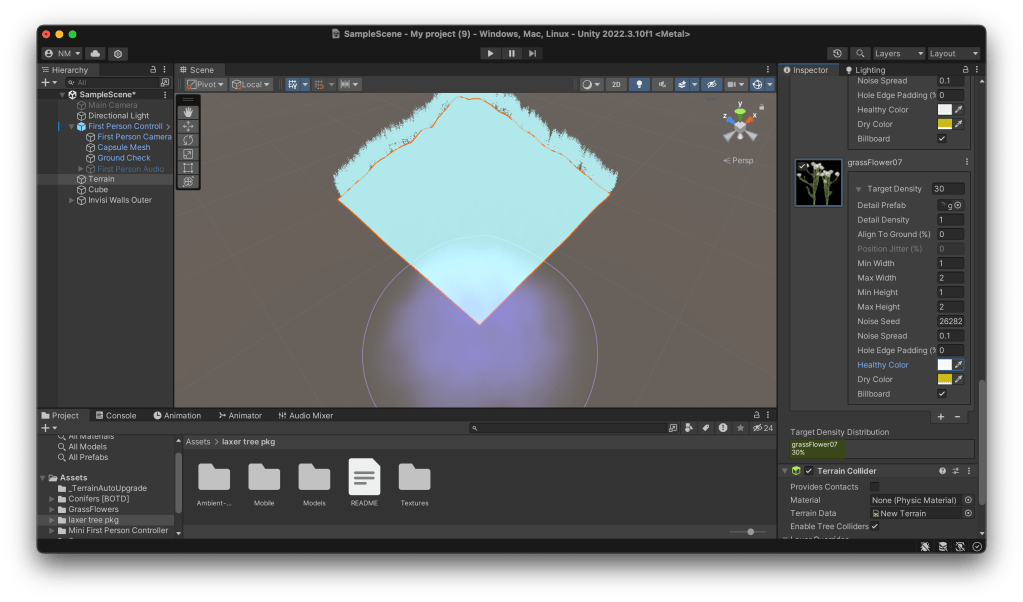
At this point, I dropped the monochromatic filter idea for two reasons. Firstly, time management because I wasn’t sure how to actually do it and do it well, and secondly, I didn’t want to take away the natural colours of the forest because, without it, it loses some of its comfort and warmth.
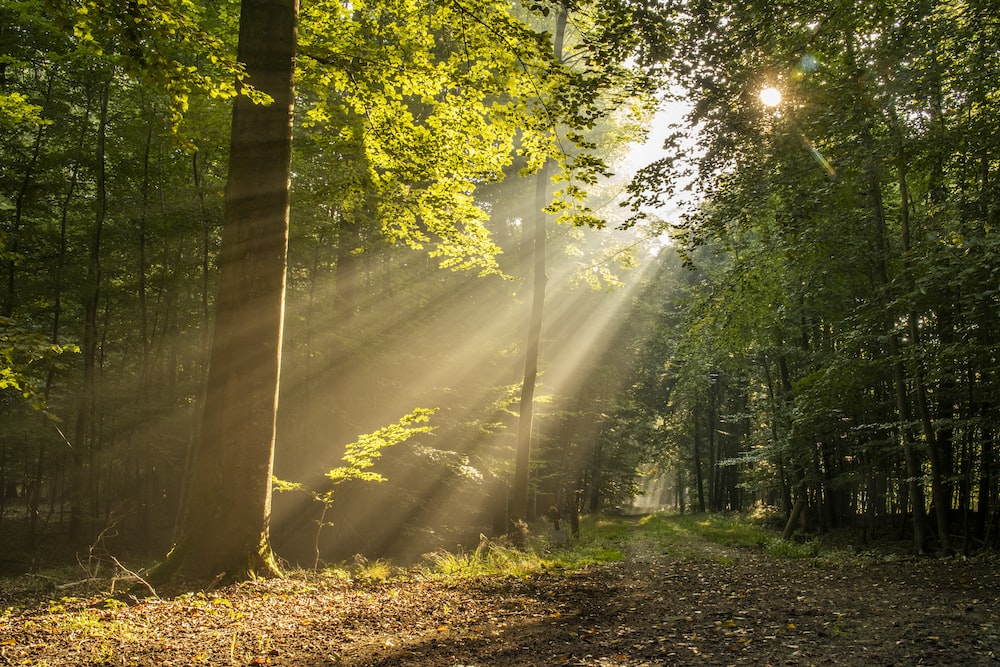
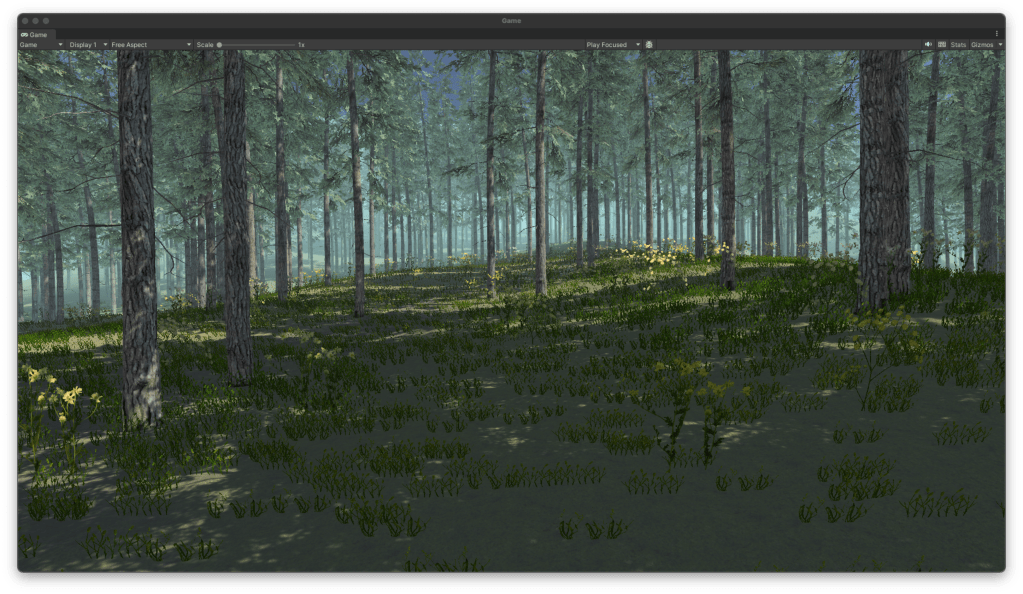
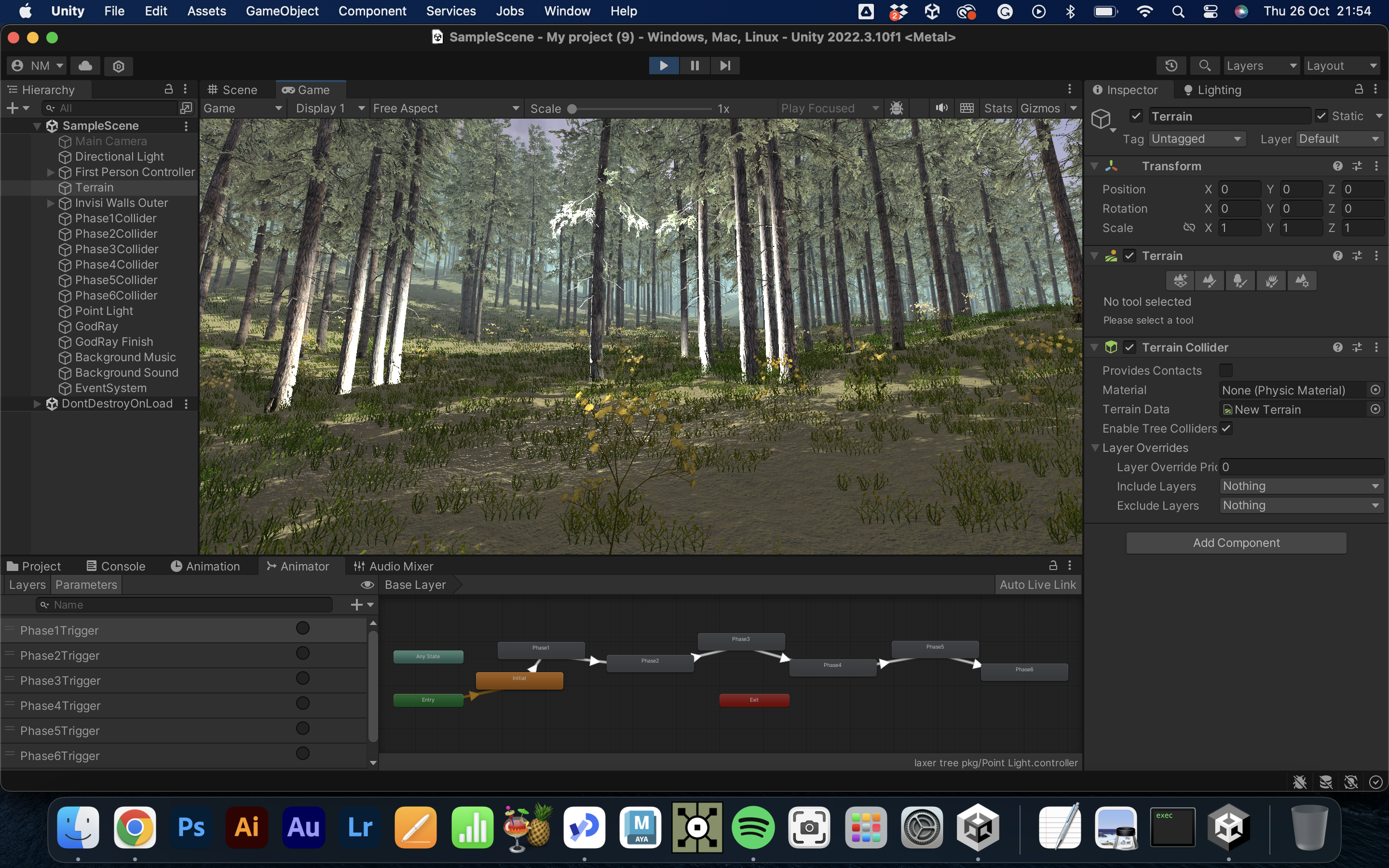
At this stage, I am fine-tuning the look of the forest with the correct tree prefabs, ground textures and grass billboards. At this point, I’m trying to balance the computational power, the almost realistic style and the player immersion simultaneously so that the feeling of a forest or at least the calm of one is apparent.
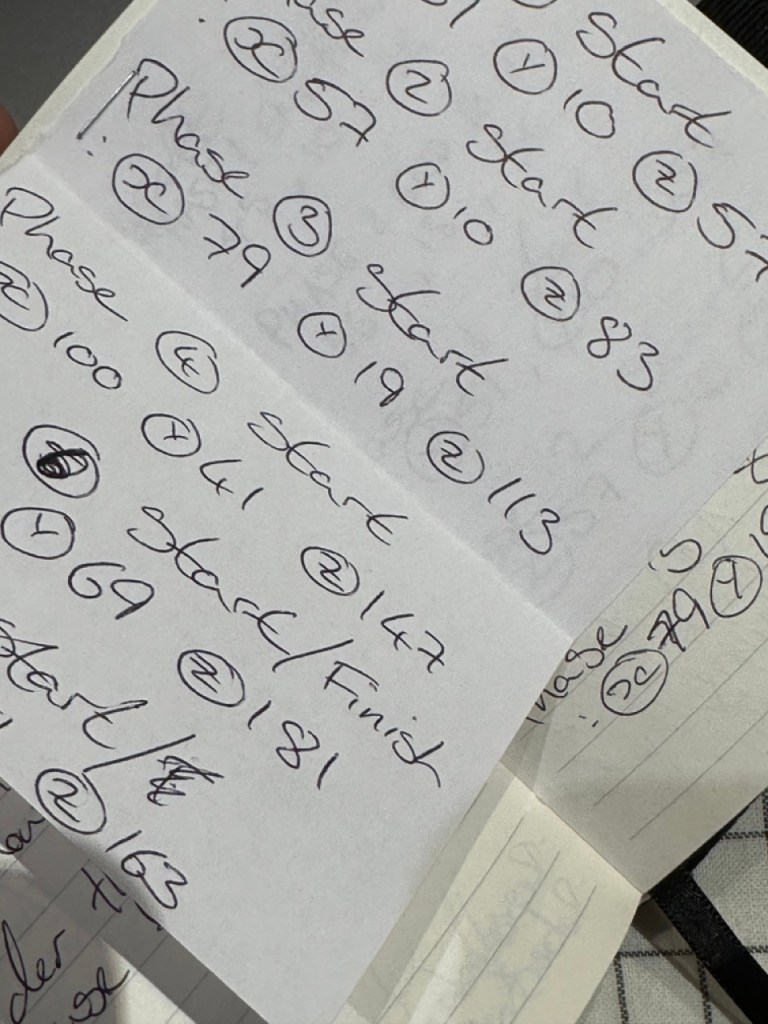
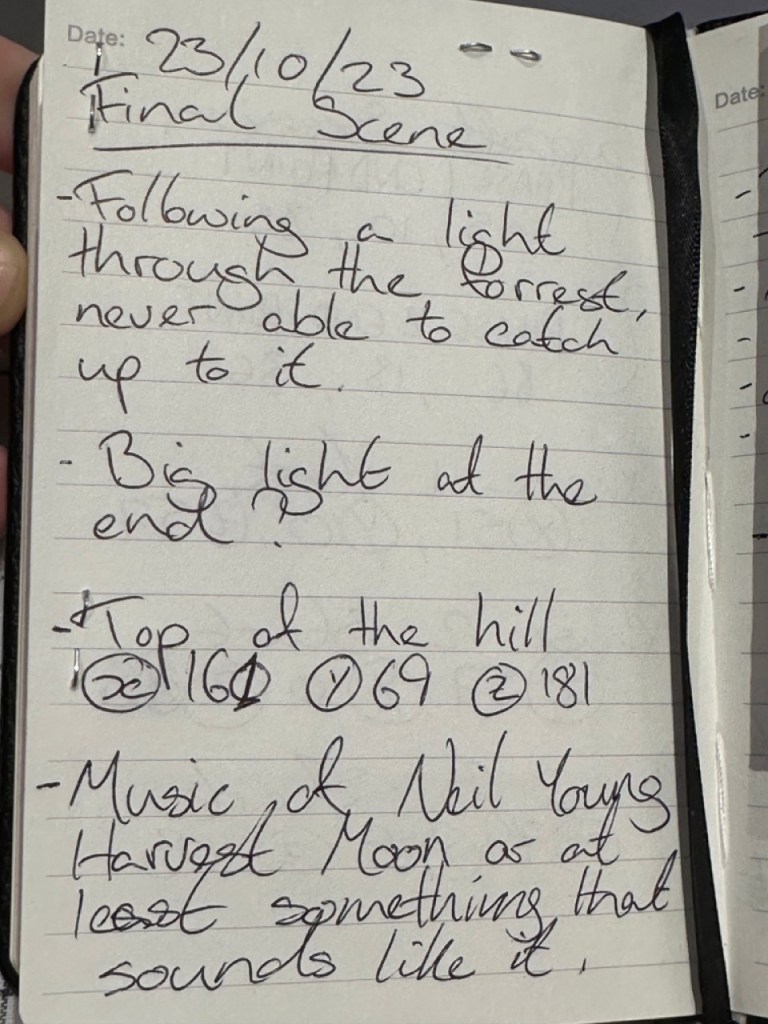

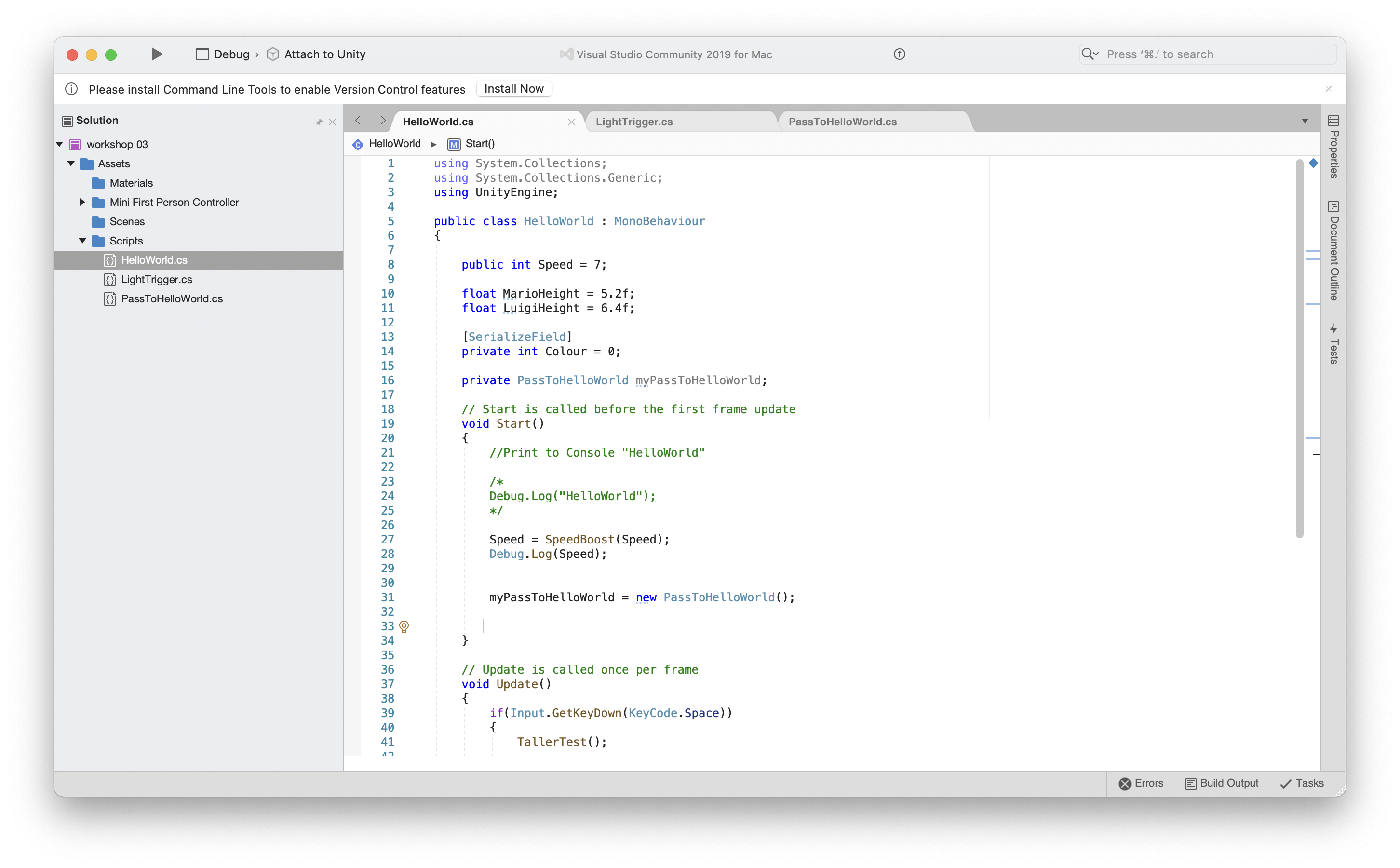
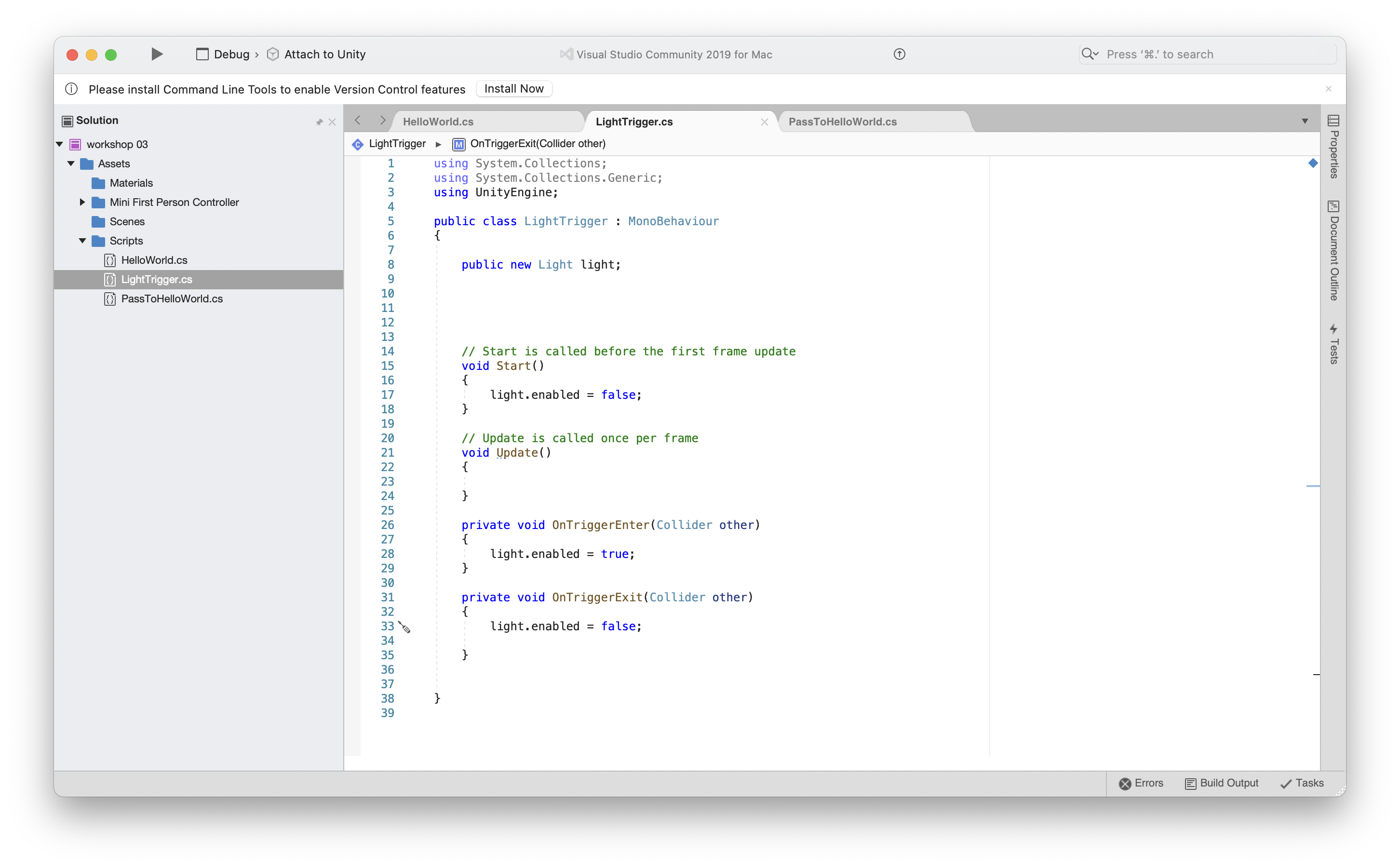
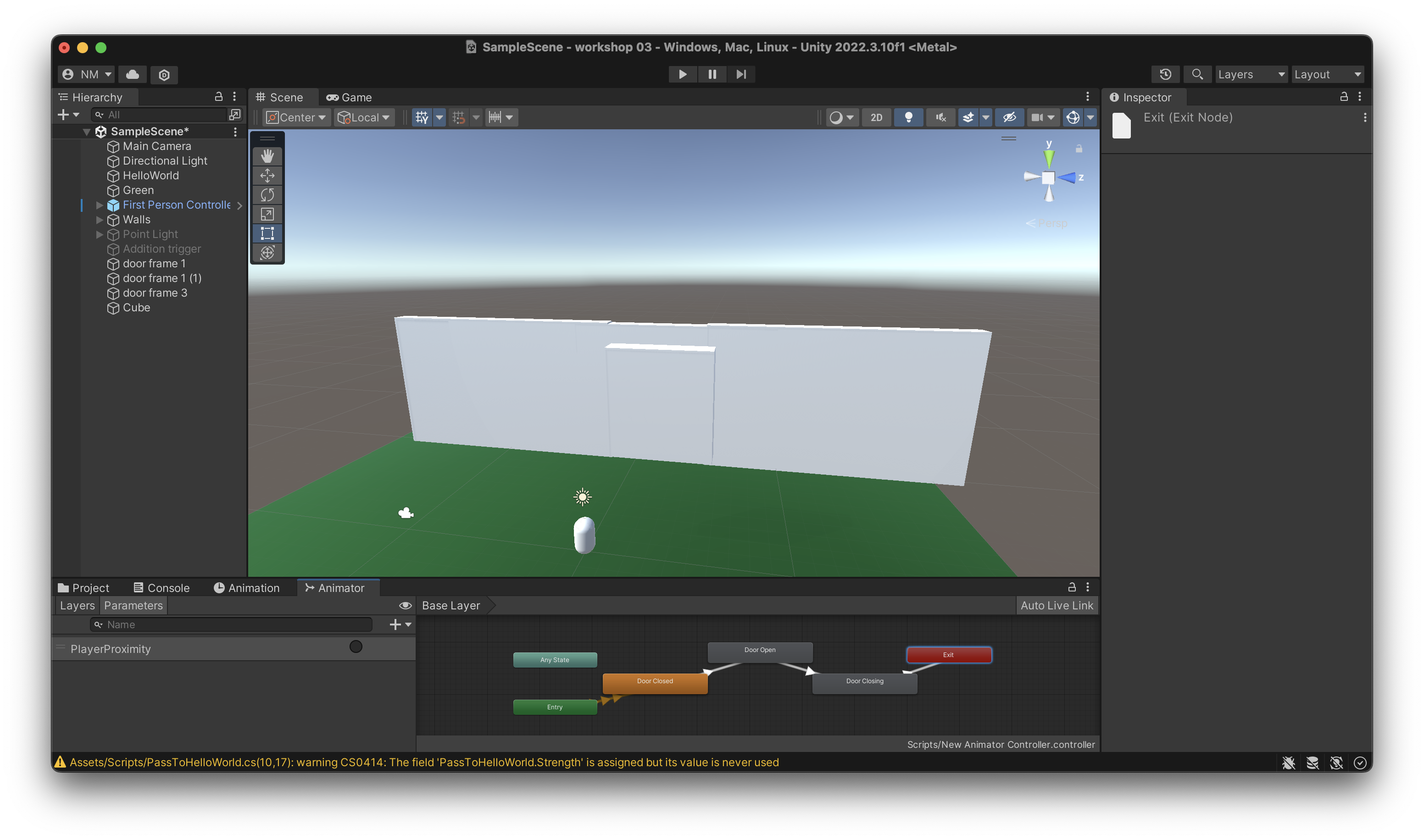
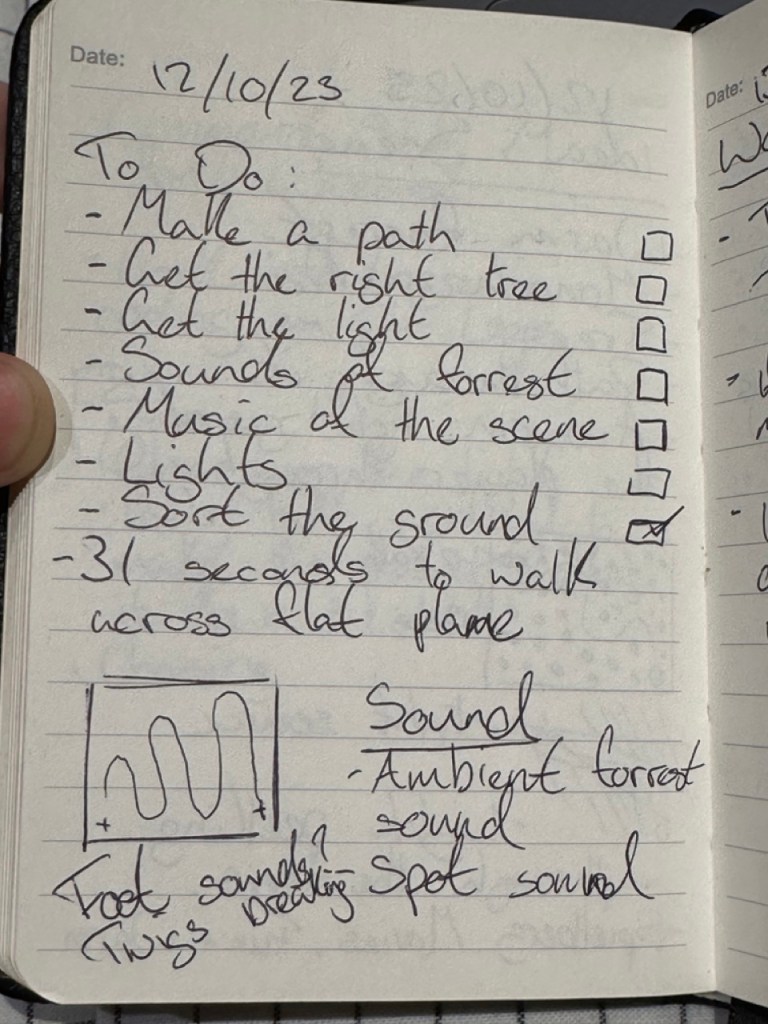
The fold-out pages in my notebook that seem like the scribbles of a madman were actually the XYZ of the sphere triggers and light locations on the terrane.
Music for the scene
Music I’ve been considering for the scene in Neil Young’s Harvest Moon. I was reminded of it by my younger cousin, who was playing it on guitar and had asked for me to sing along to it. The softness and warmth but still with the rugged strength of the song is something that I want to bring to the scene to bring this feeling of wilderness and ruggedness but still comfortable and safe.
The Soundscape
I was considering using Harvest Moon as the scene’s music, but it was pointed out that it has a definitive start and end and that if the scene is to last longer than the song or if the player wanders, then the music will need to loop. As well as the length of the song, the complexity of it might be an issue if I want to put music triggers or sounds over the top of it, then the soundscape can become messy or cluttered.
So, instead, I’ve opted for keeping the quiet sounds of the forest with a looping 1-minute guitar piece that is subtle so as not to distract or overpower but still brings warmth and comfort to the scene.
Final Scene : The Walk

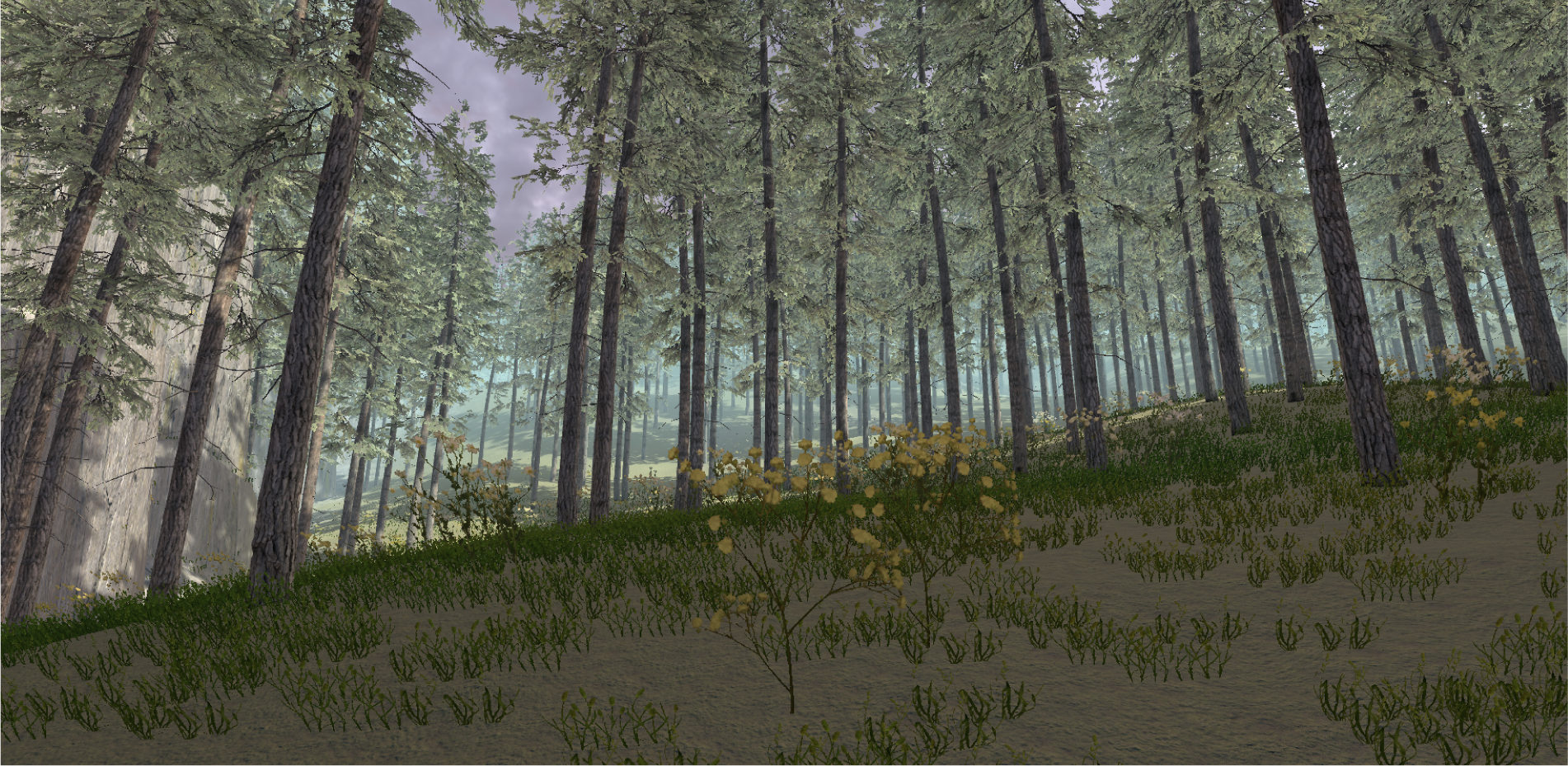
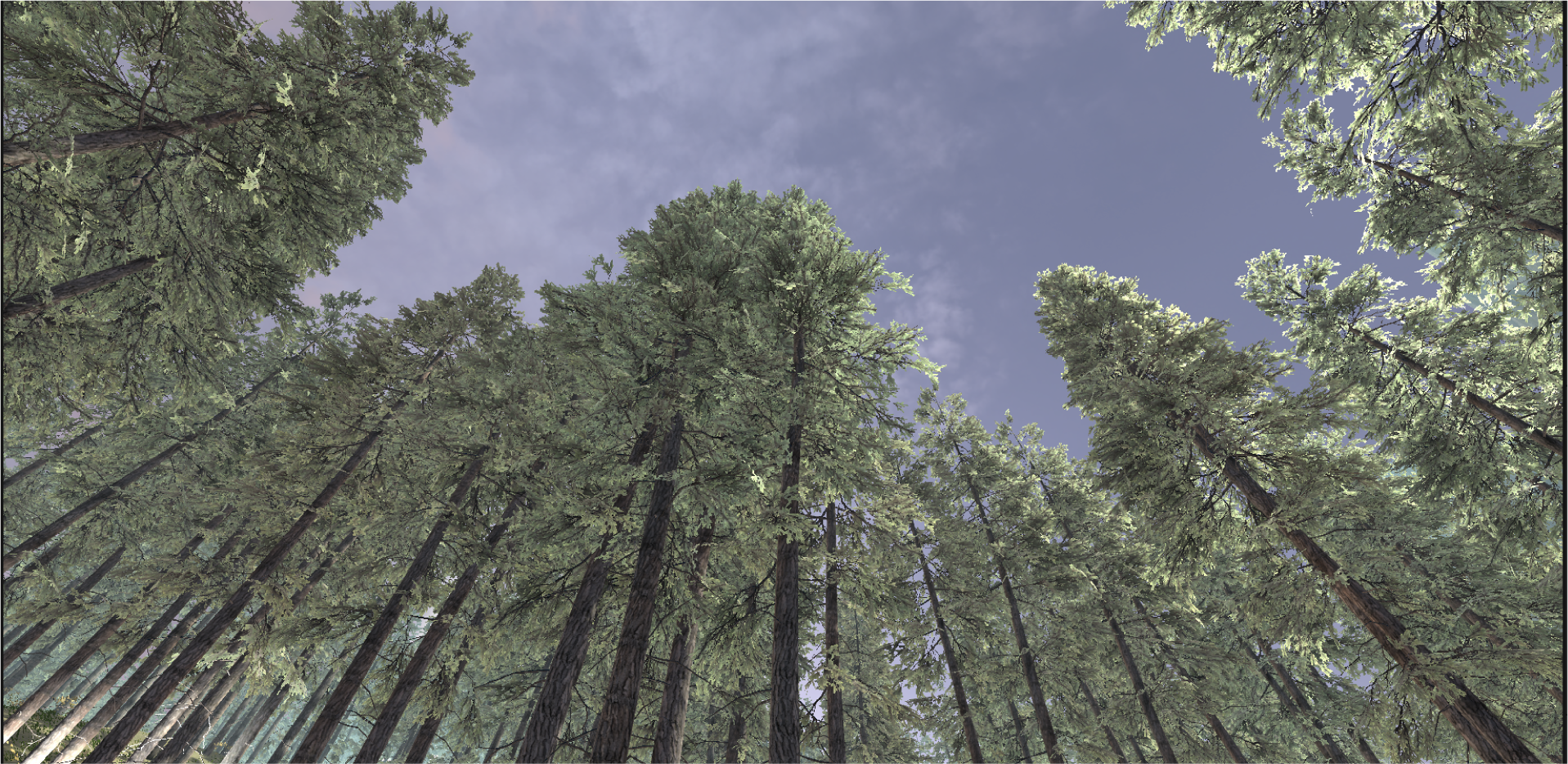
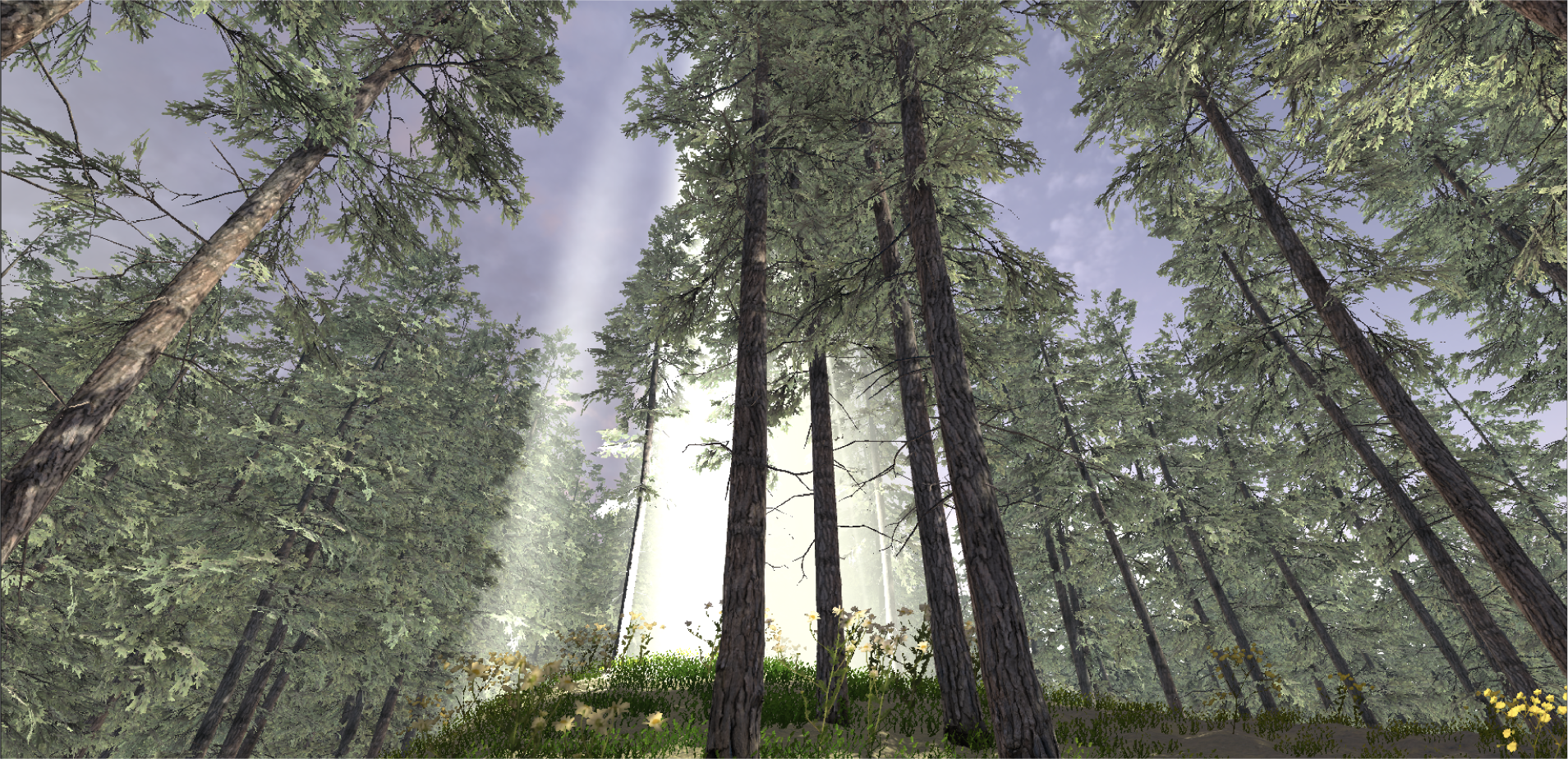
Below are some stills from the final scene showing the final look I went within the time I had. It’s based on a realistic style but leans into the limitations of time, computational power and available textures to find a look similar to the late stages of the PS2 era and early stages of PS3.

Play Testing
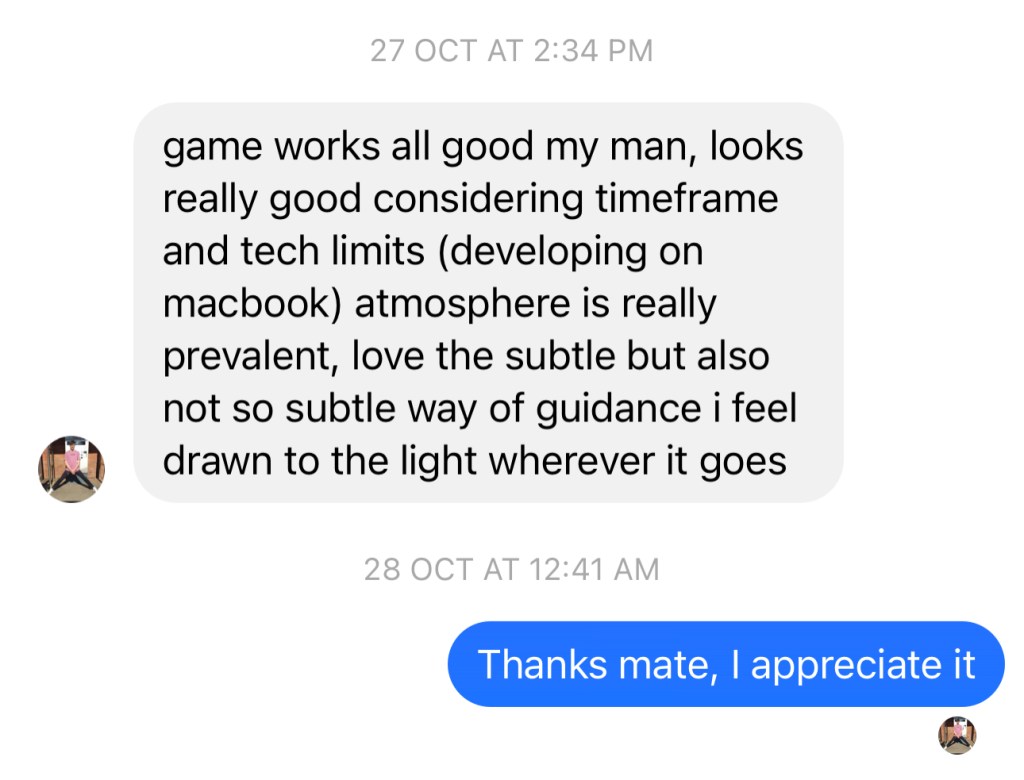
After finishing the scene and building it, I sent it to some of my colleagues and family to get feedback and see if they could find any game-breaking situations or areas.
Below is feedback from my course colleague, Stewart.
Reflection
At the start of this project, I was understandably distracted and didn’t have a clear path, but I think my personal experiences informed this project in the positive; I don’t know if I would have changed it to the forest and the calming nature of the trees if they didn’t also bring me calm in a difficult time.
If I had more time with this project or had things happened differently, I would have liked to have a definitive ending to the game along with a more polished feel.
I was happy with the final look of the scene. Still, I had limitations from the machine I was using and the available space. In a stronger machine or one with more internal memory, I could have ranked up the overall quality of the project, upping its visual quality and scale.
 Nicholas McLaughlin Blog
Leave a comment