Project launch & LIVING PROOF
Returning to the Anthropocene. With the start of Co-Lab 2, I am returning to my studying and understanding of the Anthropocene. Again already trying to think of how we, as students, designers, artists, and technologists, can improve the world we live in and begin to reverse the effects humans as a species have had on the earth.
The film LIVING PROOF by Emily Munro was a collection of archival footage from the Moving Image Archive Catalogue curated together to paint the picture of Scotland’s history but also Scotland’s involvement and participation in our climate crisis.
After watching LIVING PROOF, I felt more connected and more responsible for the problem of the Anthropocene than I think I ever have.
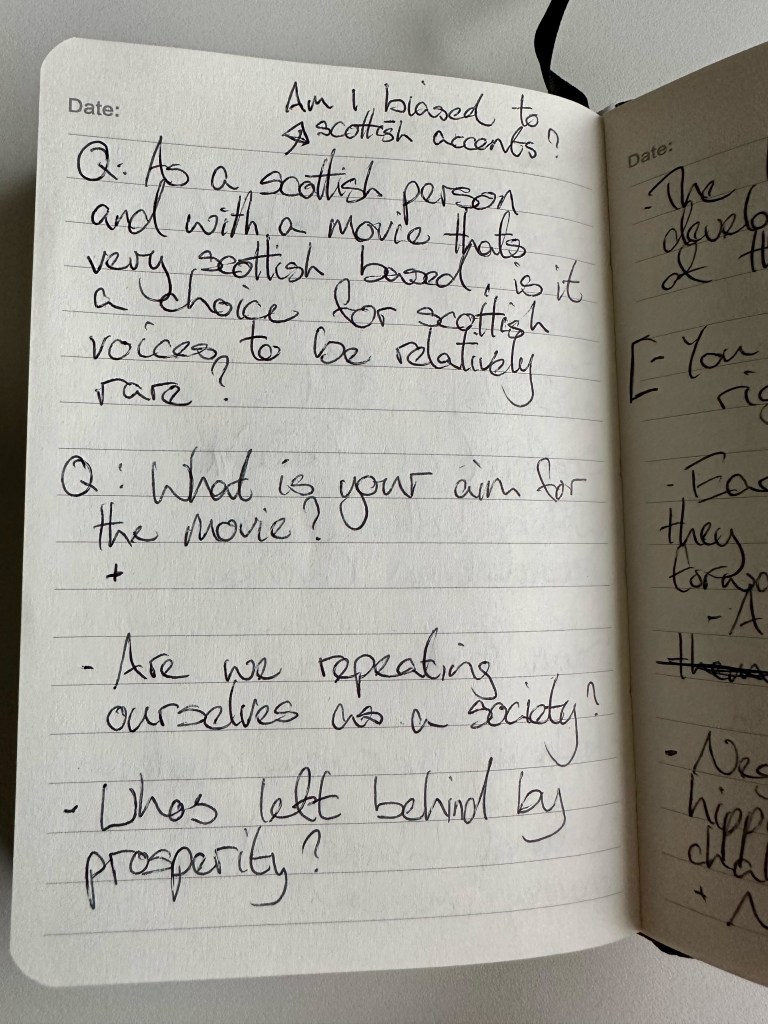
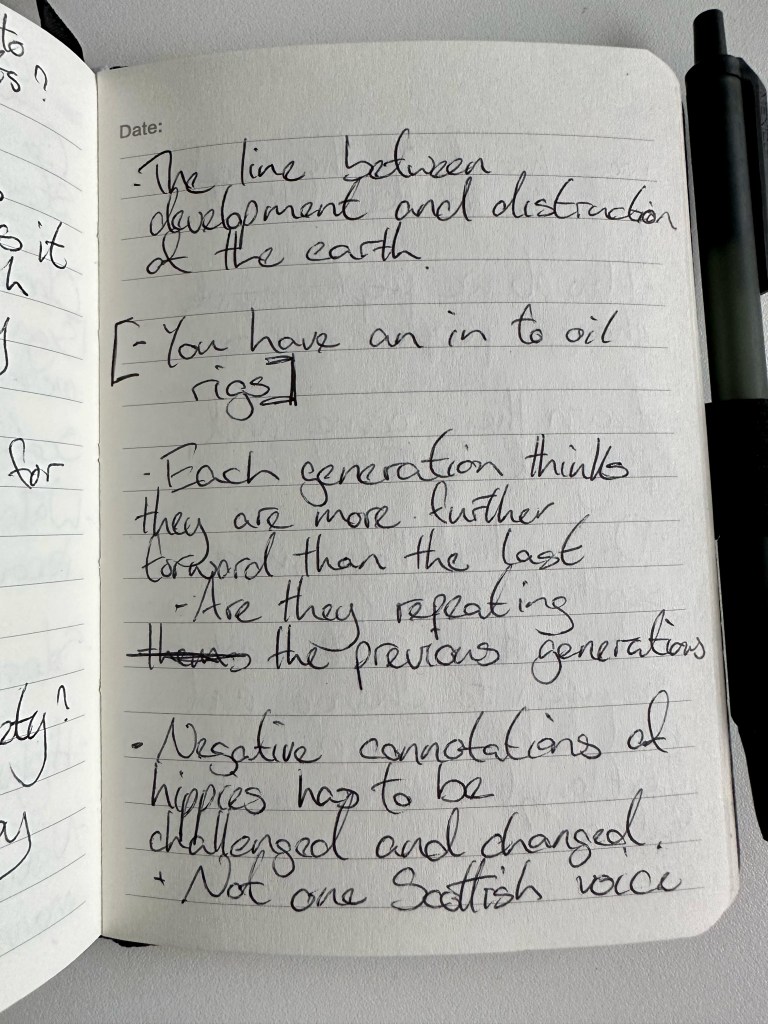
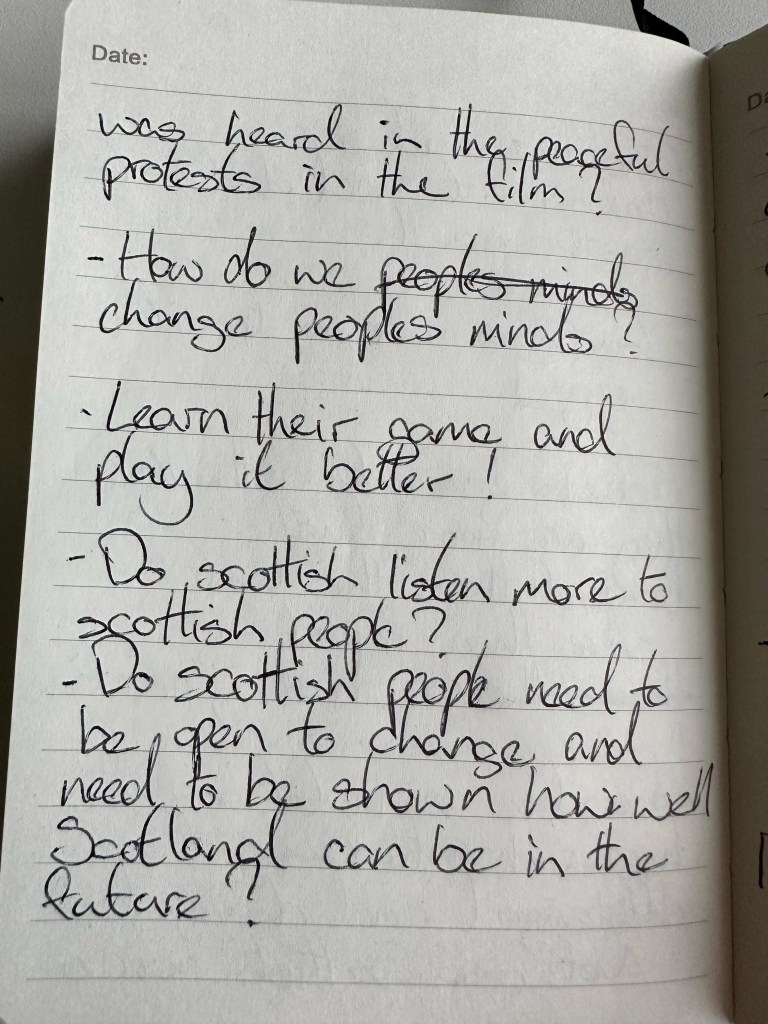
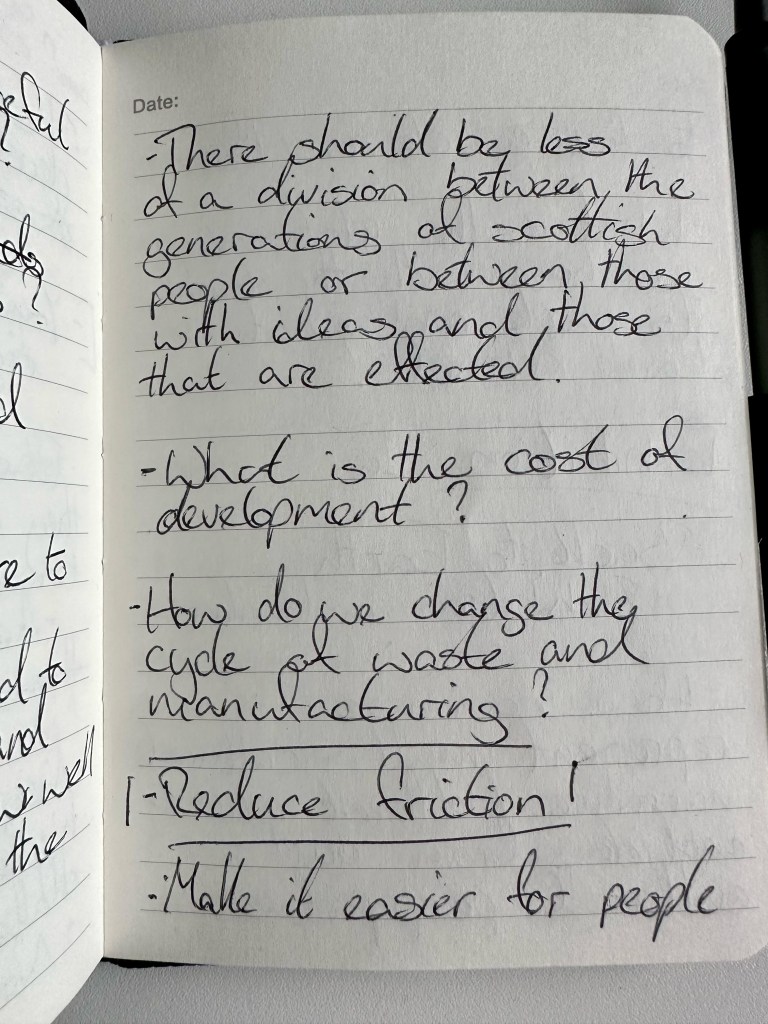
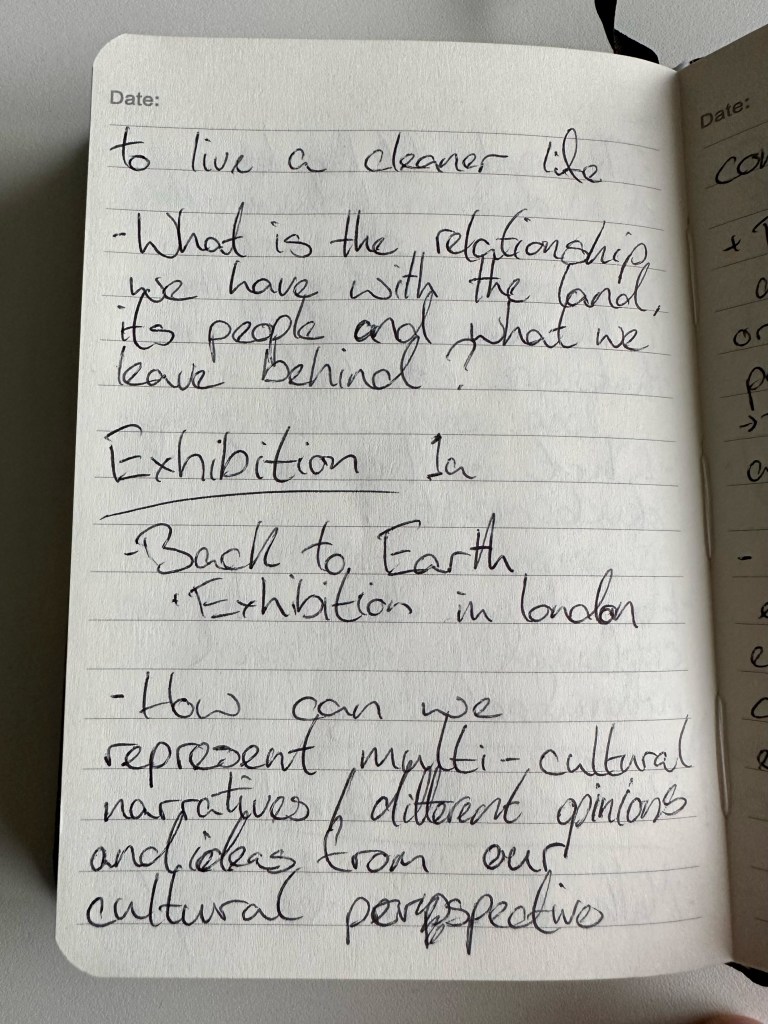
Living Proof: A Climate Story (d. Emily Munro, 2021) is a feature-length archive documentary that looks for the roots of the climate crisis in post-war history. Are we heading into new territory, or are we caught in a cycle of familiar promises?
Footage from the National Library of Scotland portrays a country shaped by demands for energy and economic growth, while an eclectic soundtrack amplifies the voices of the past in powerful, and sometimes unsettling, ways.
My takeaway from the film, on top of many other things, was how it’s too easy when studying a global issue to only think of it on a global scale rather than the small pieces throughout modern and very recent history that have led us to this point. At that point lies our solution. It is challenging for one person to tackle a global problem. Still, it is much more manageable for that person to change a situation in their community, city or even country.
“How do you eat an elephant?…”
Suppose we aim to change anything or improve anything. In that case, it has to be a collective effort from everyone, not just the students, designers, artists, and technologists but (in the context of Scotland) the Scottish people too.
And at the risk of getting too high on my soap box, that is not done by exclusive galleries and loud protests. Instead, a better future can be achieved by using the same tactics that the successful companies of the world have used, by painting a picture of a better life for the people living in it. By making a greener, better future more enticing, attractive, more accessible.
By using our skills not to lambast anyone but to educate and help the people, we share streets with every day, we can make the mammoth task of the climate crisis more manageable.
We must learn their game and play it better than them.
Week 1
During the Q&A, Emily Munro jokingly mentioned Solar Punk, so I wanted to look into that a little bit, I’ve heard it thrown around over the past decade but wanted to consider this branch of utopian design.
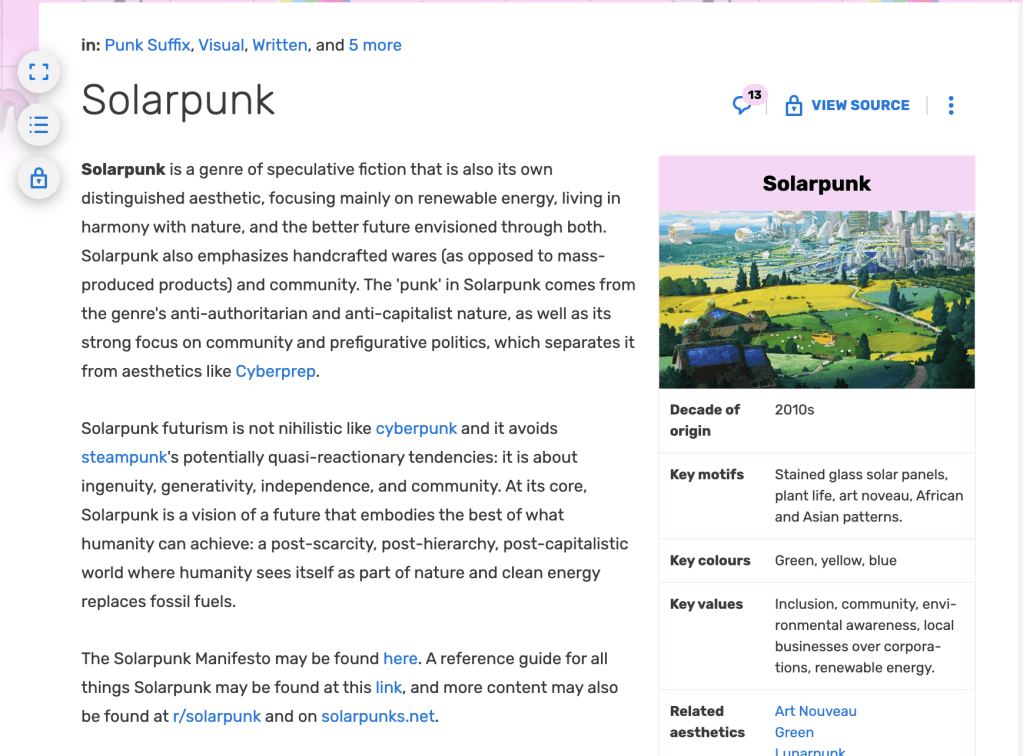

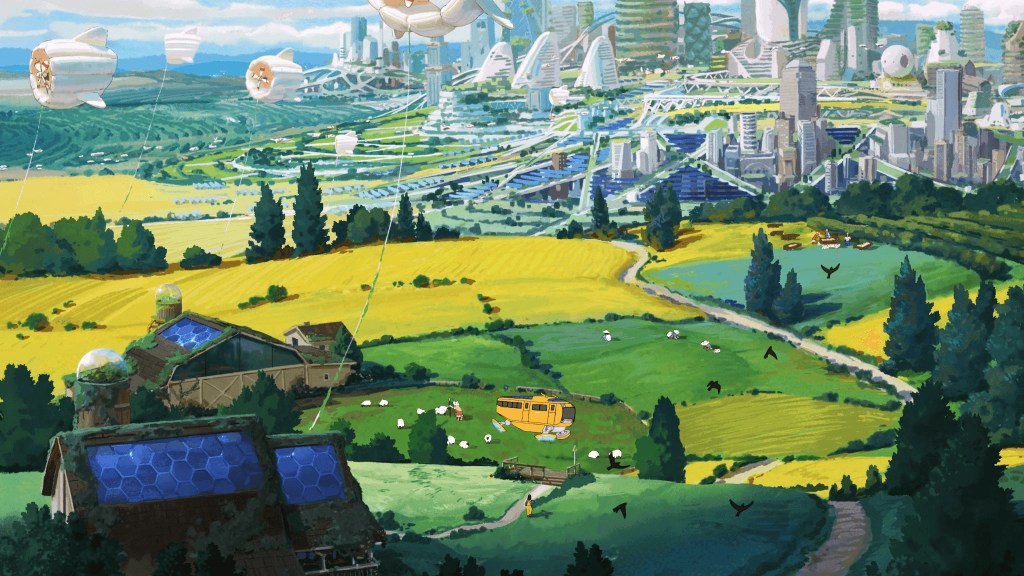


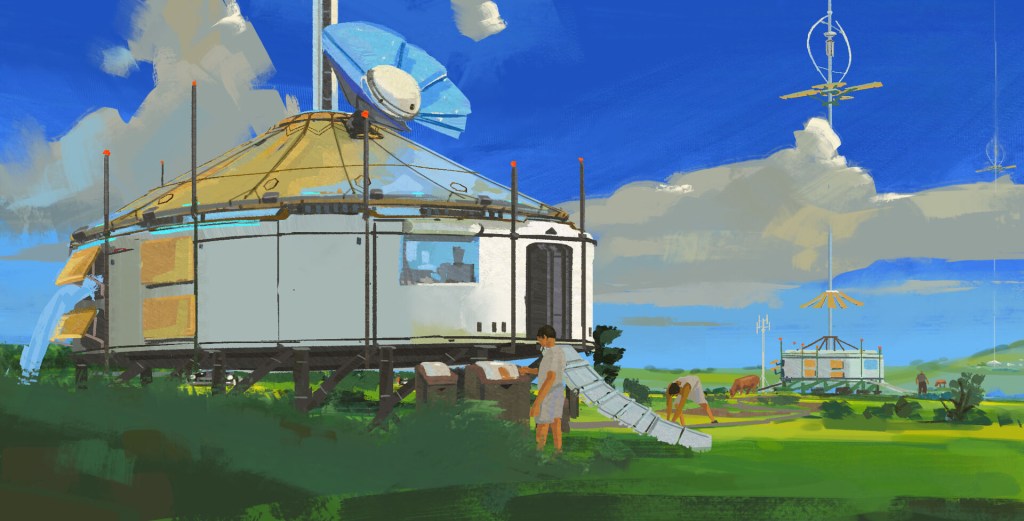
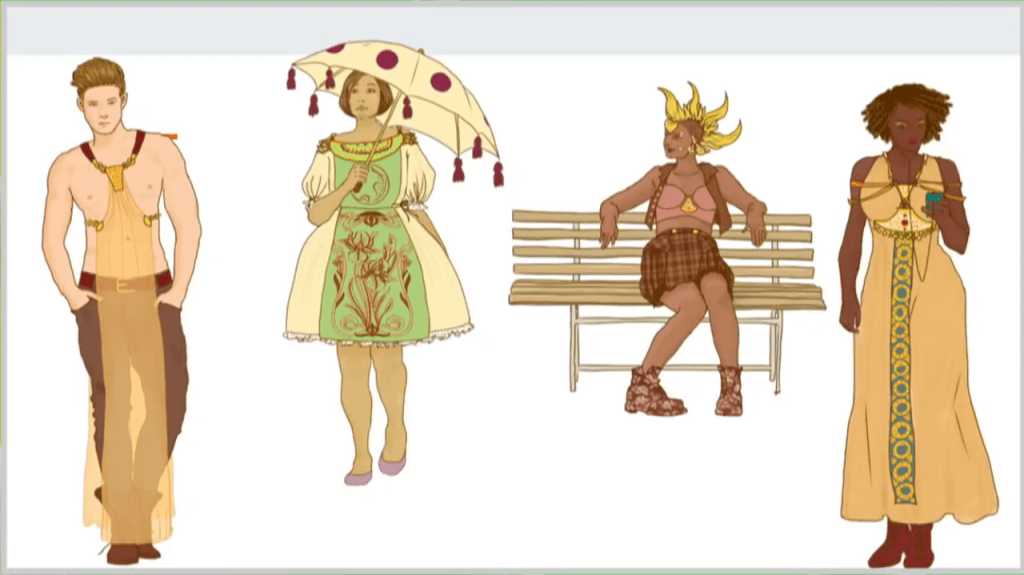

Even though it lives in the realm of Sci-Fi I think the utopian design of Solar Punk can serve as an inspiration of how humans can live in harmony with the earth.
Picking an Output: Exhibition (Back to Earth GSA)
After going through each of the options, I went with Exhibition 1a (Back to Earth GSA) to push myself out of my comfort zone, I have never done an exhibition, but the idea of learning how to and then with my group putting on an exhibition is equally exciting as it is terrifying.

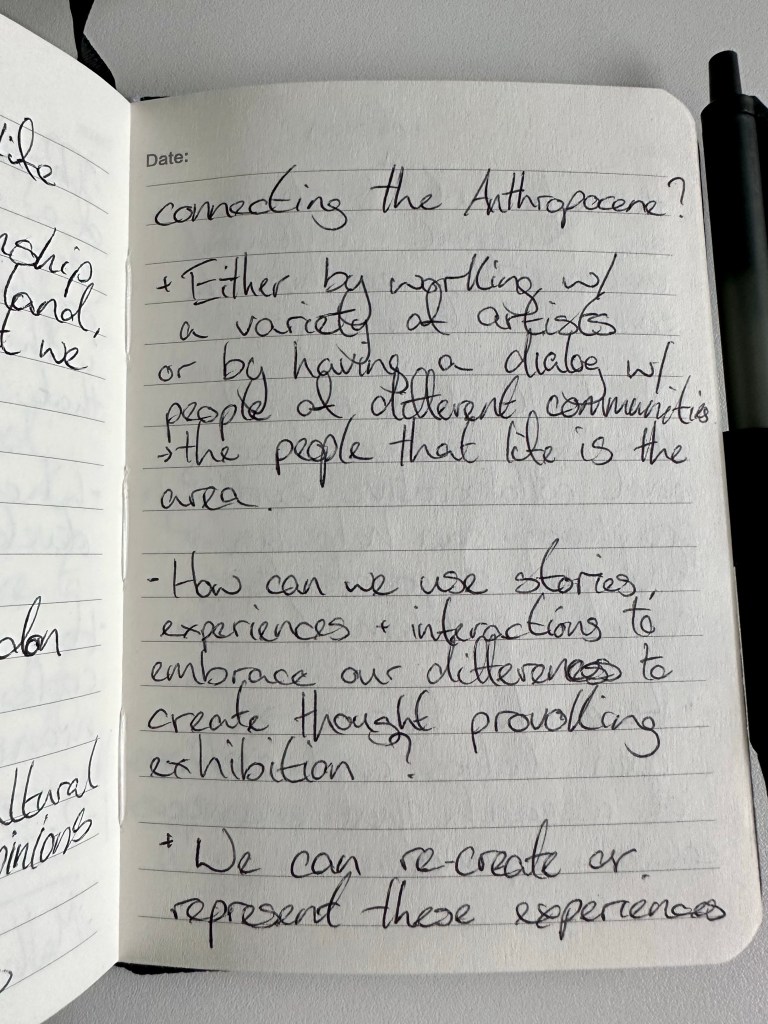
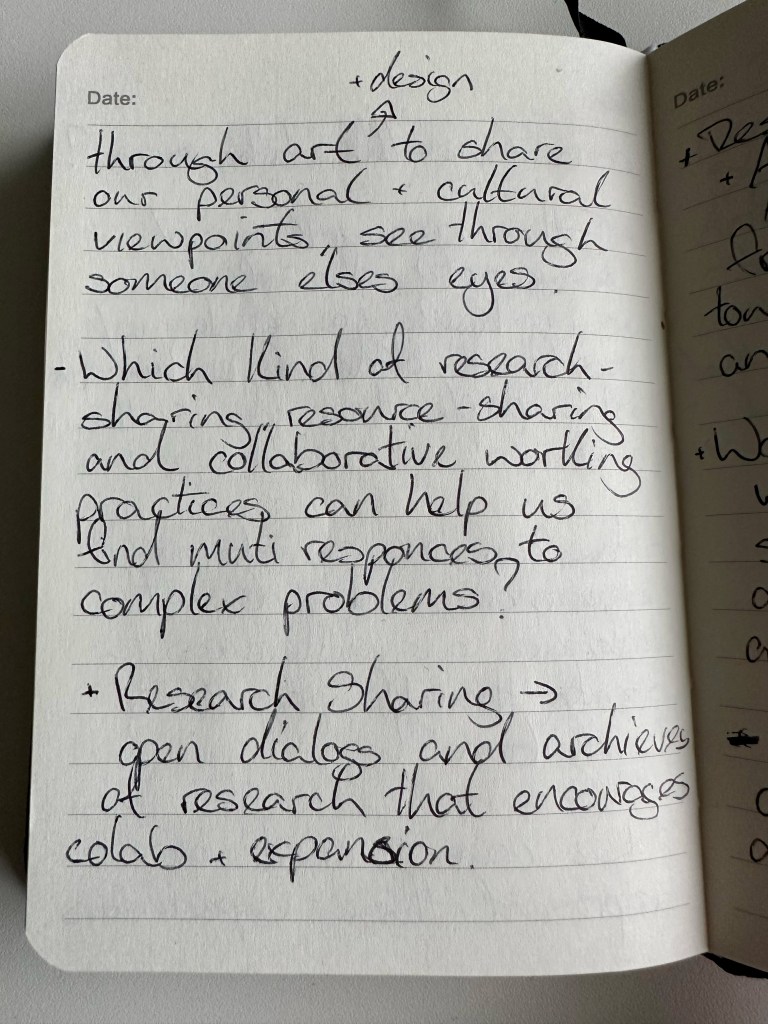
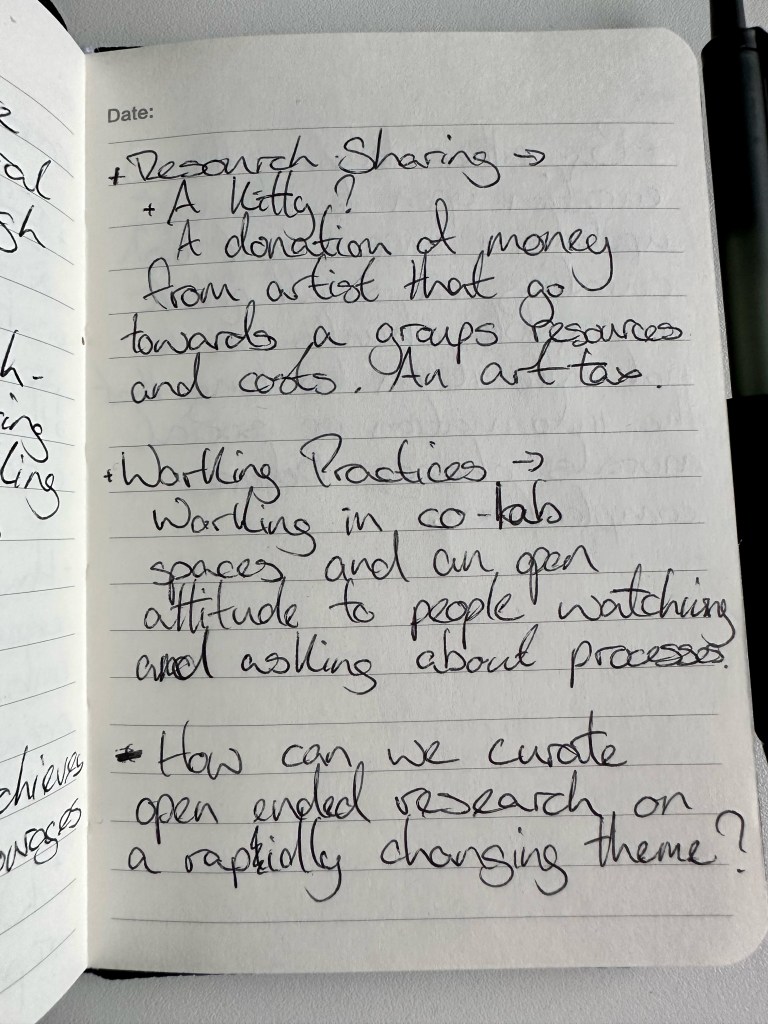
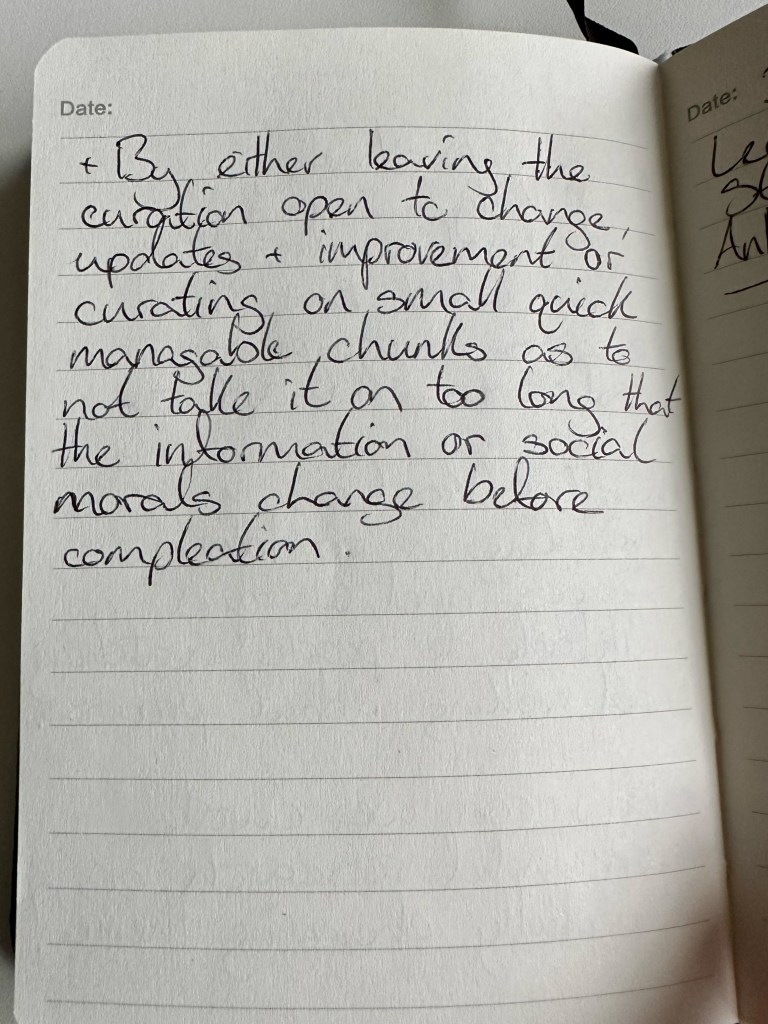



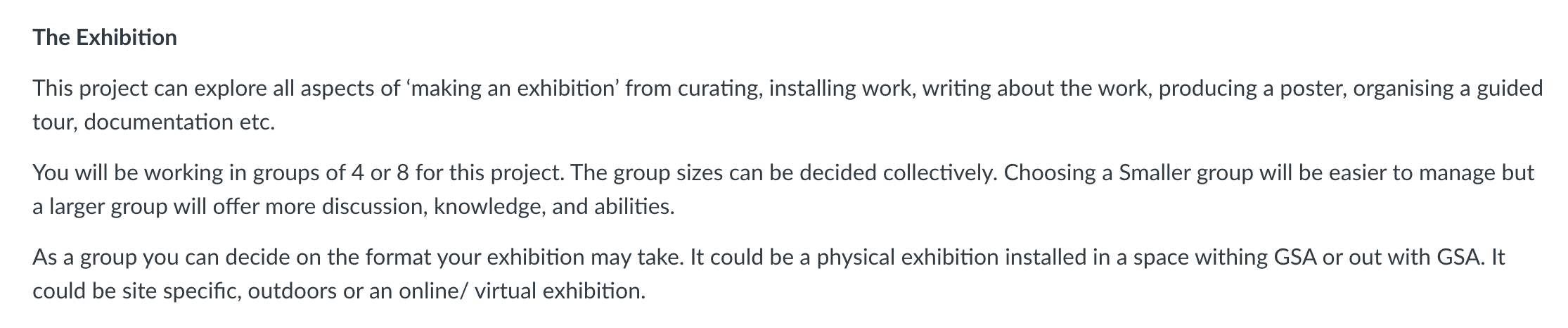
Lecture 1: Storytelling and the Anthropocene with Elizabeth Hodson
After watching Elizabeth Hodson’s lecture, my main takeaway was that even though we are human, and that is the perspective we have, we can use our minds as creative practitioners to view the world, the problems of the Anthropocene and our solutions to those problems with the natural world in mind. Not only to consider the human element but that of the natural world, nature and the animals within it.
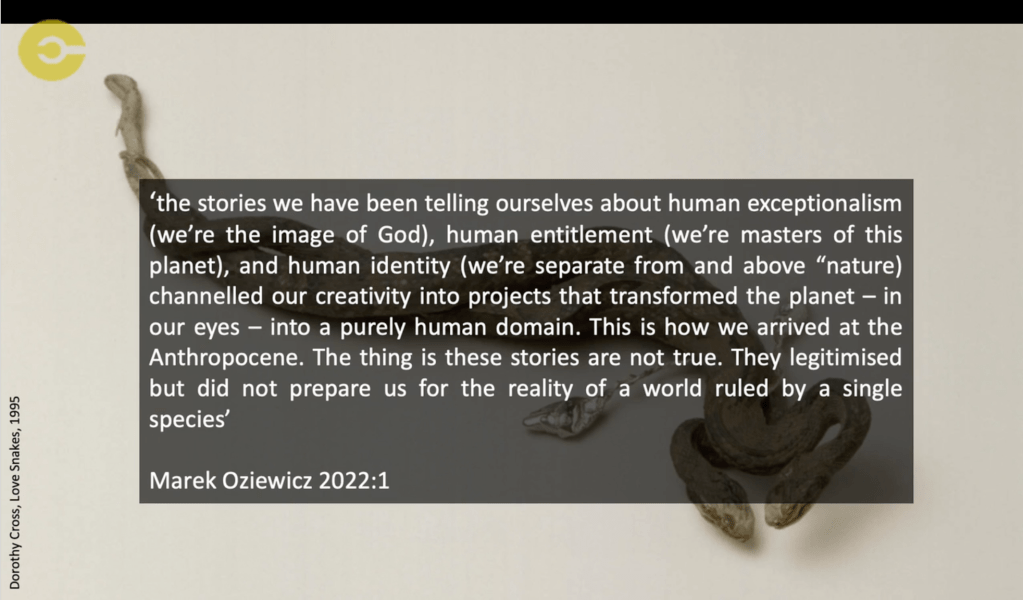
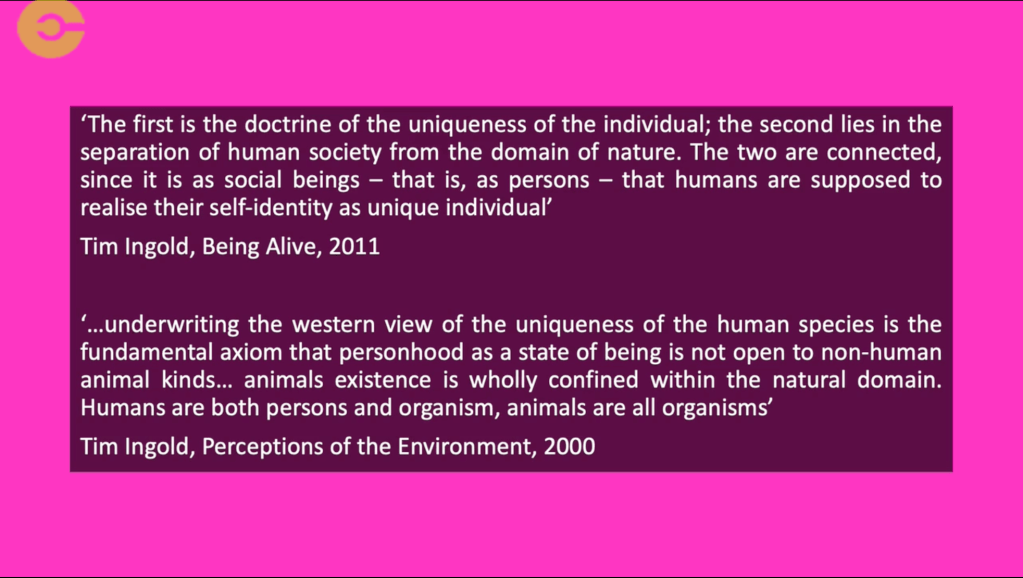

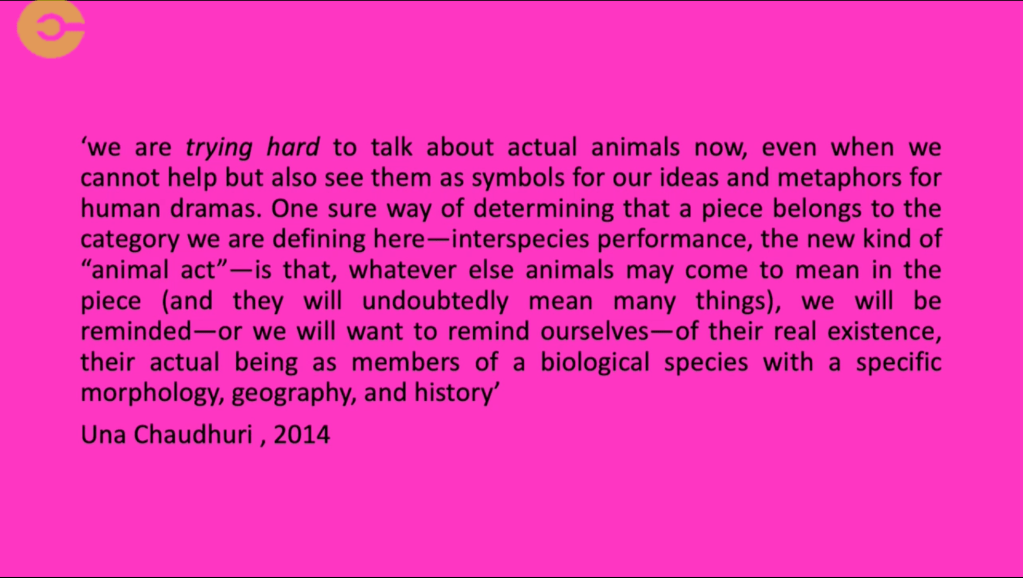
As I touched on slightly in my Co-Lab 1 work journal I think the human race should have more of a symbiotic relationship with nature and the earth. We have to be less selfish both in our usage of the earths resources but also in our perception of ourselves within the natural world, that being that we are part of the system not above it.
Exhibition Making
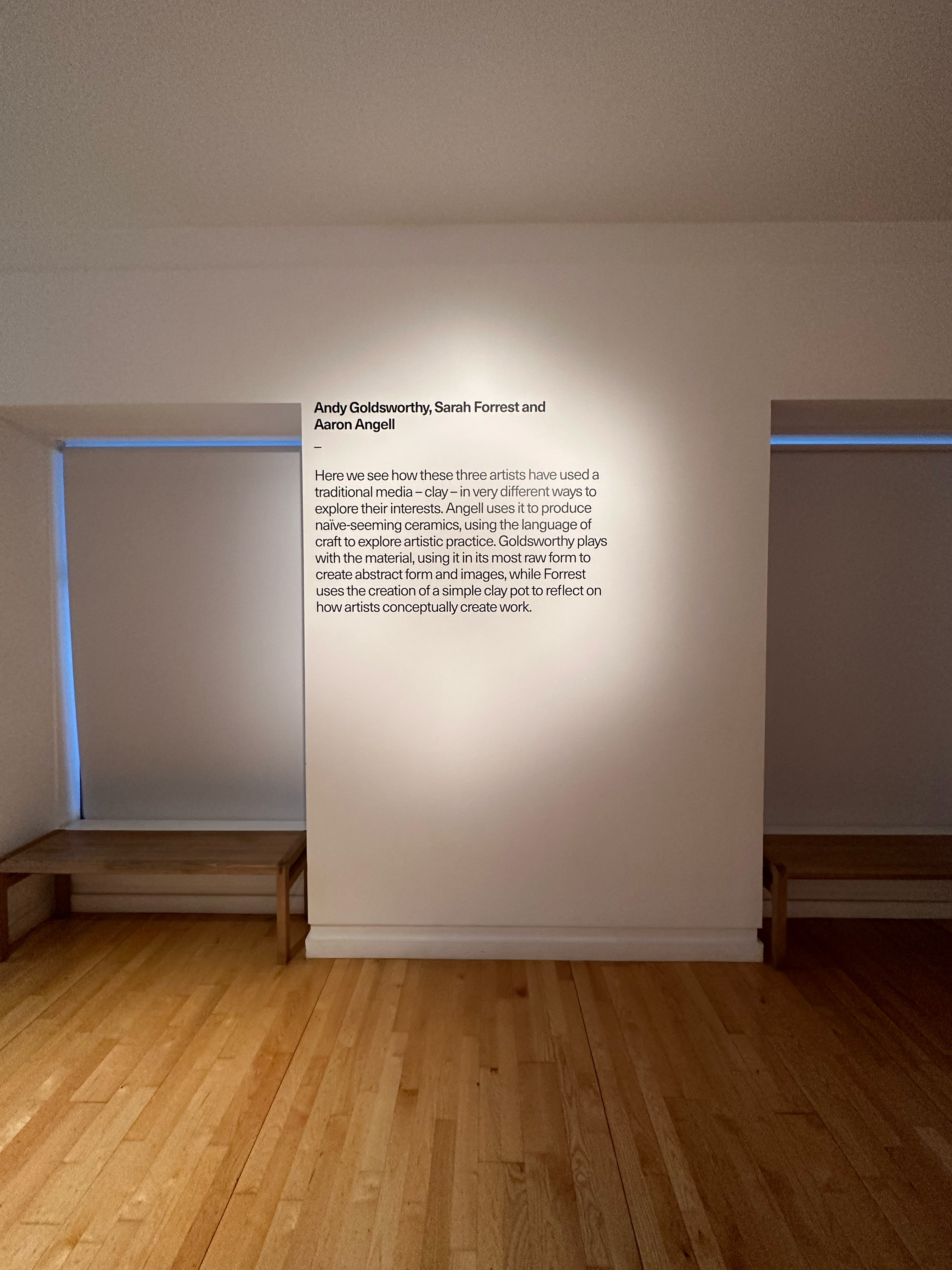
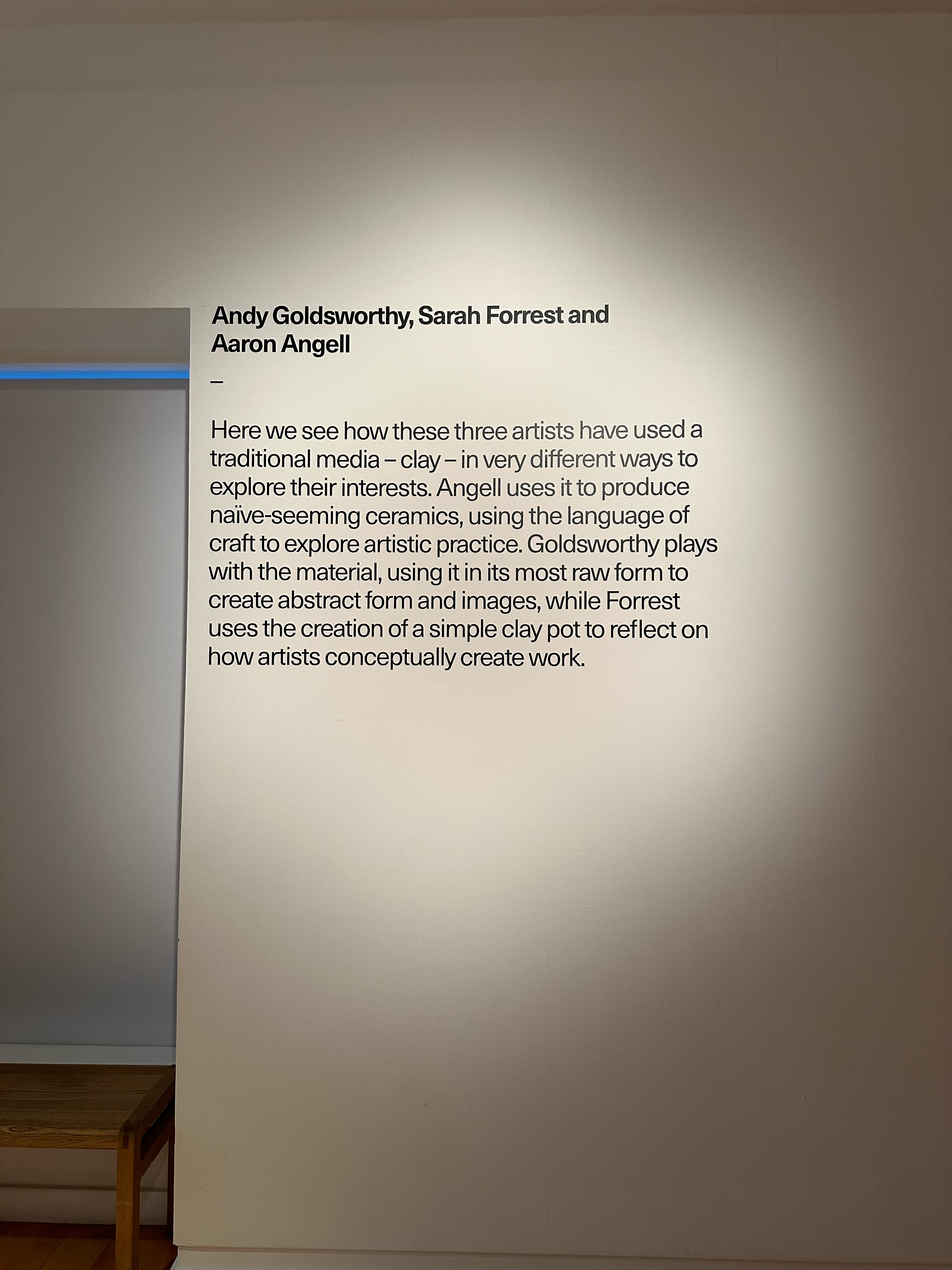
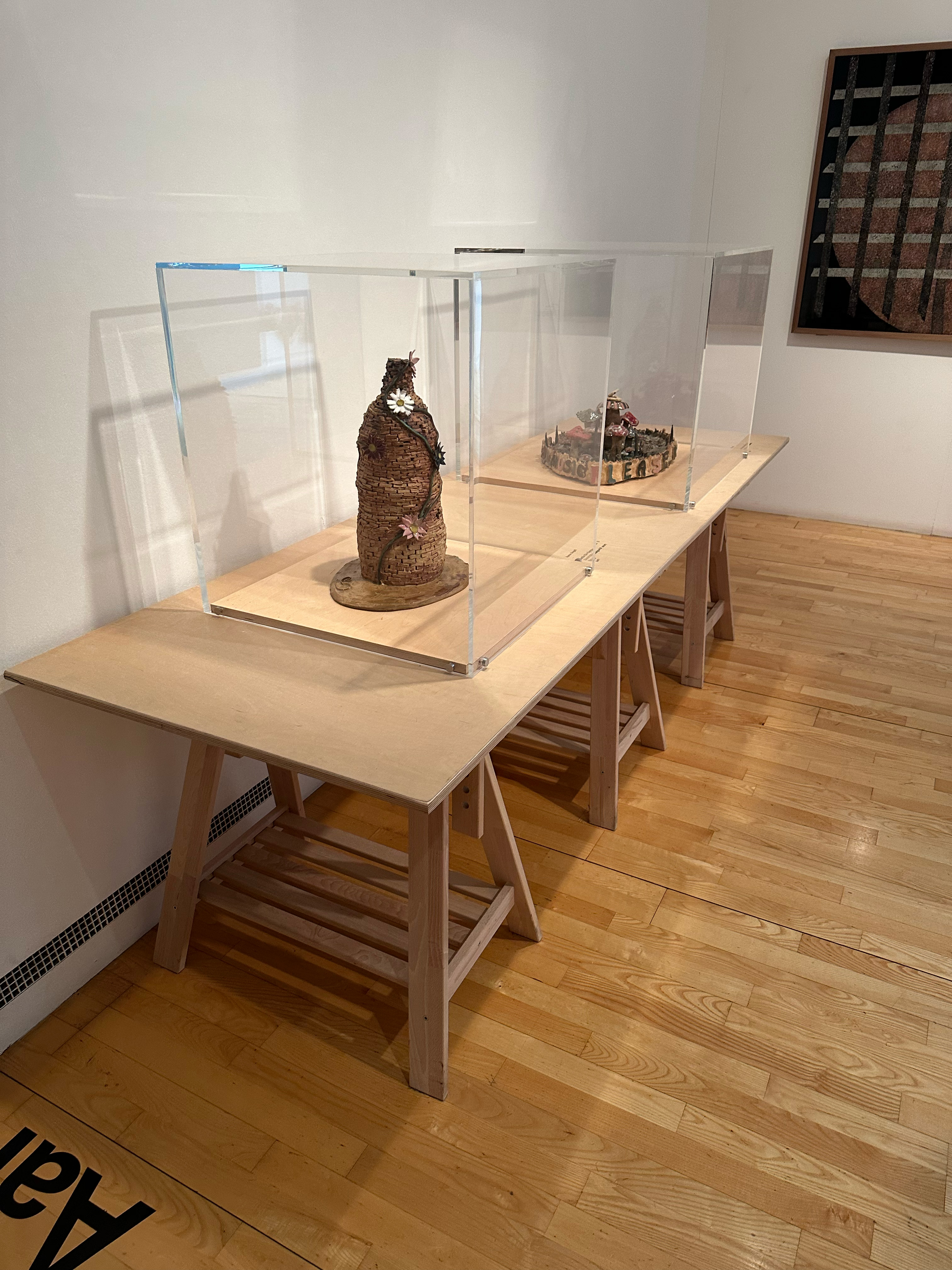
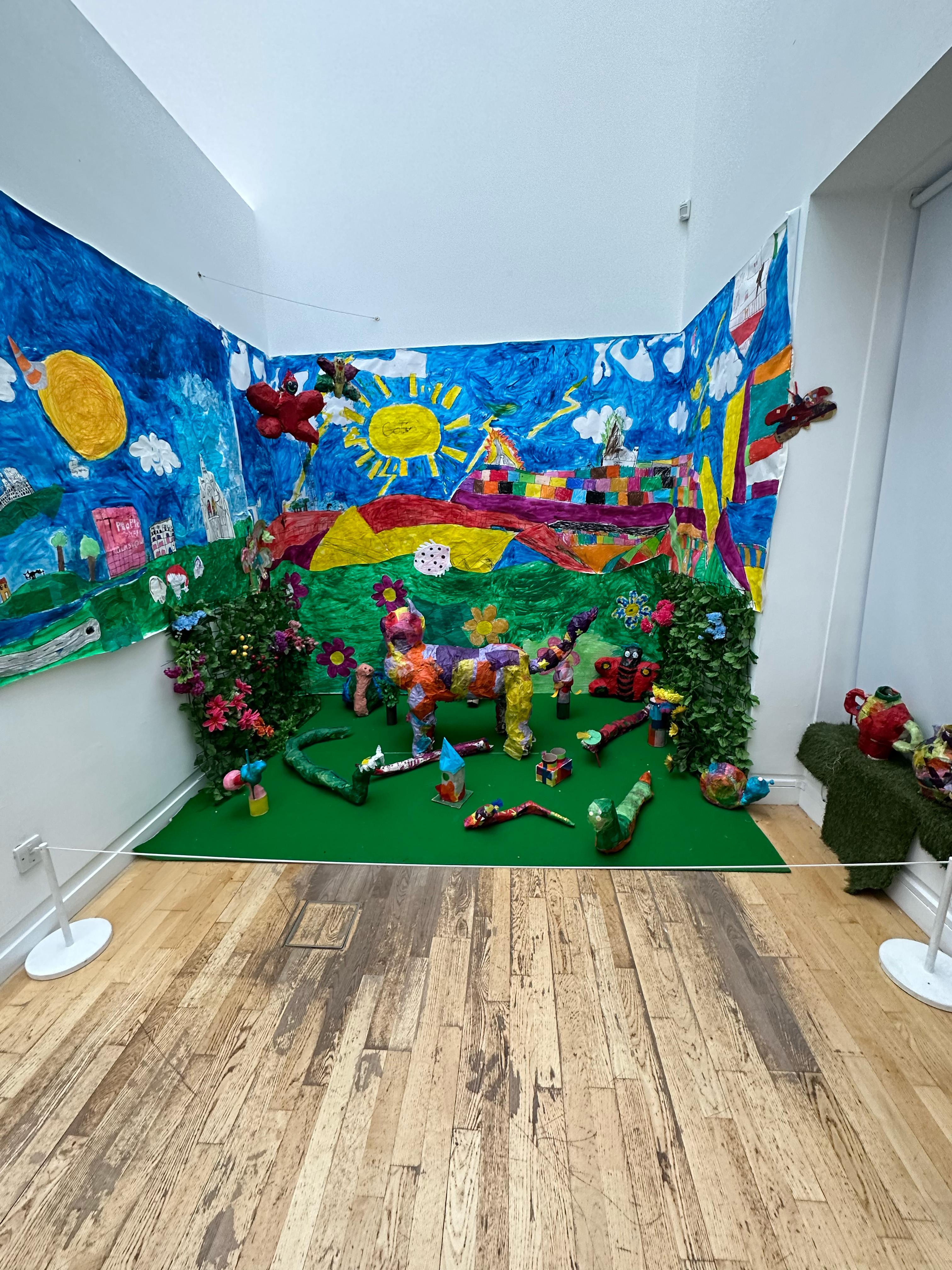
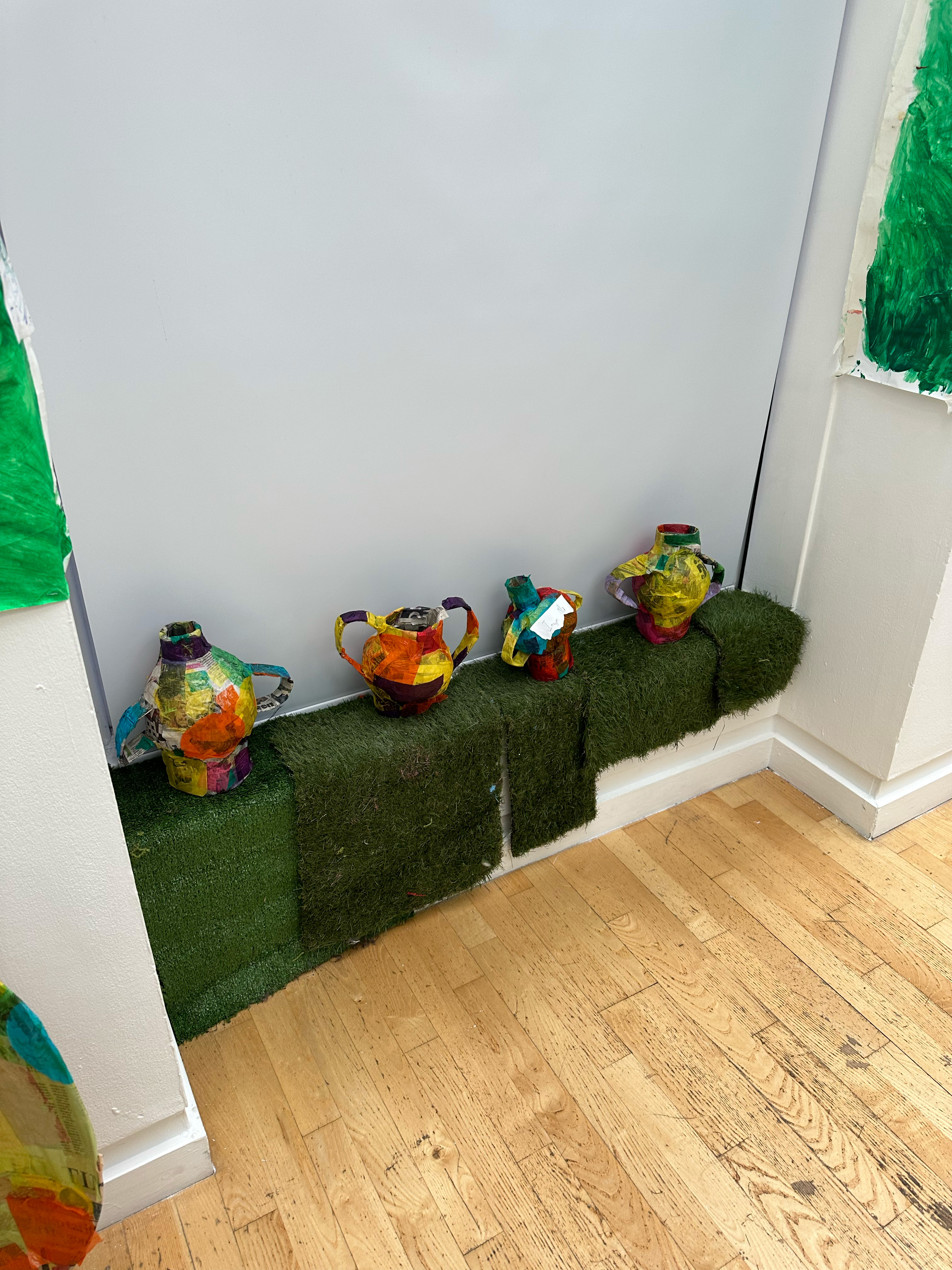
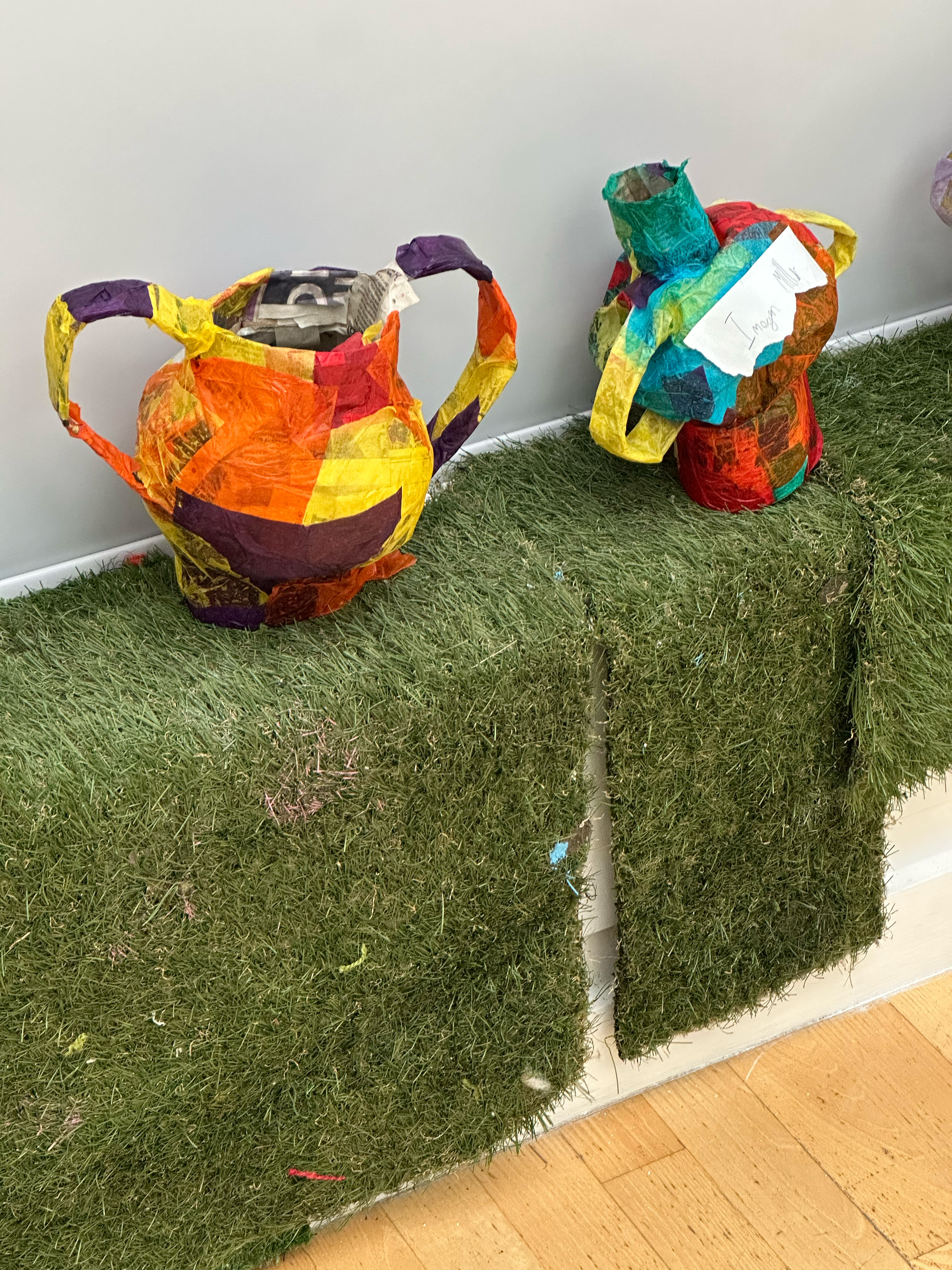
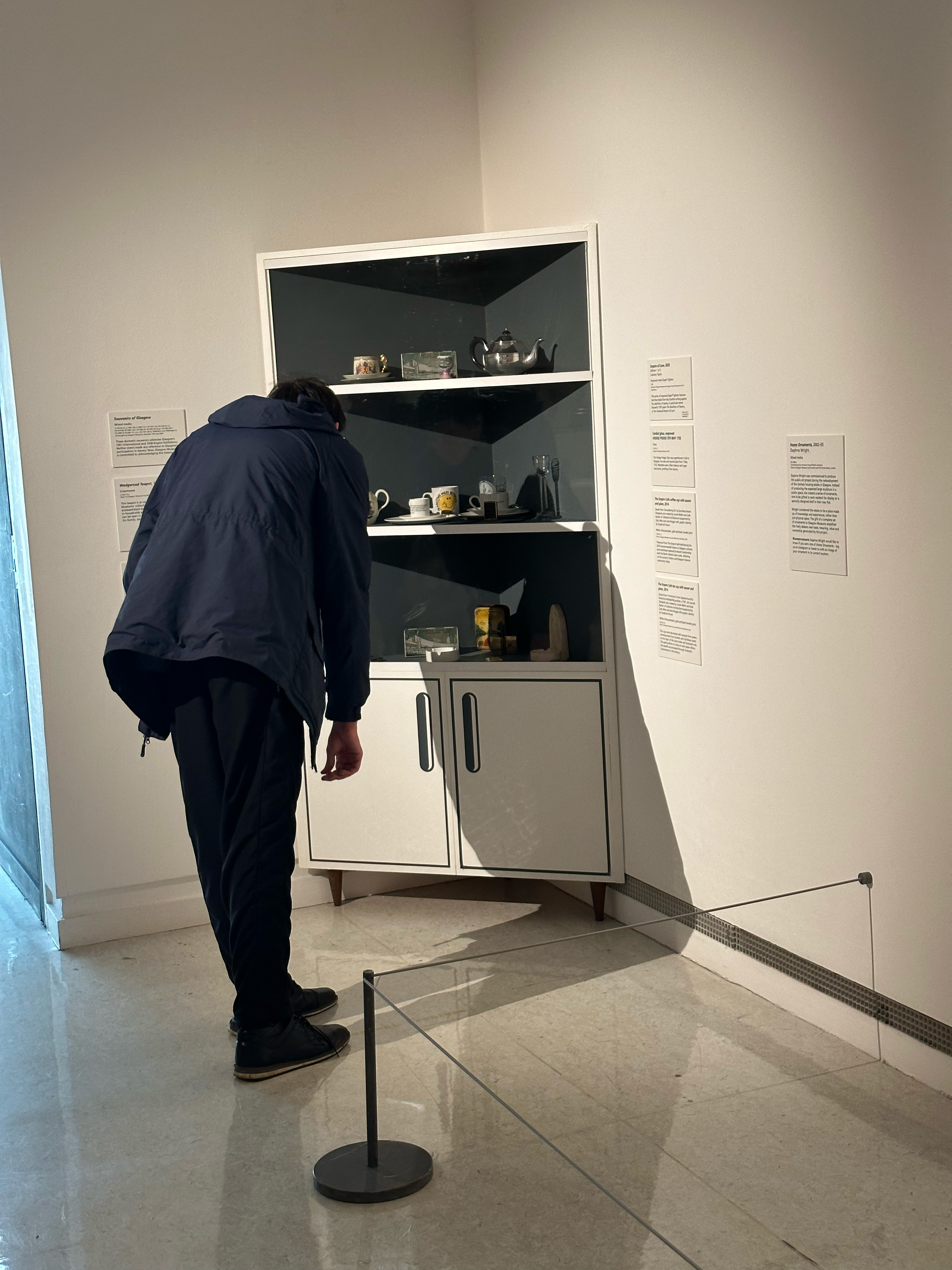
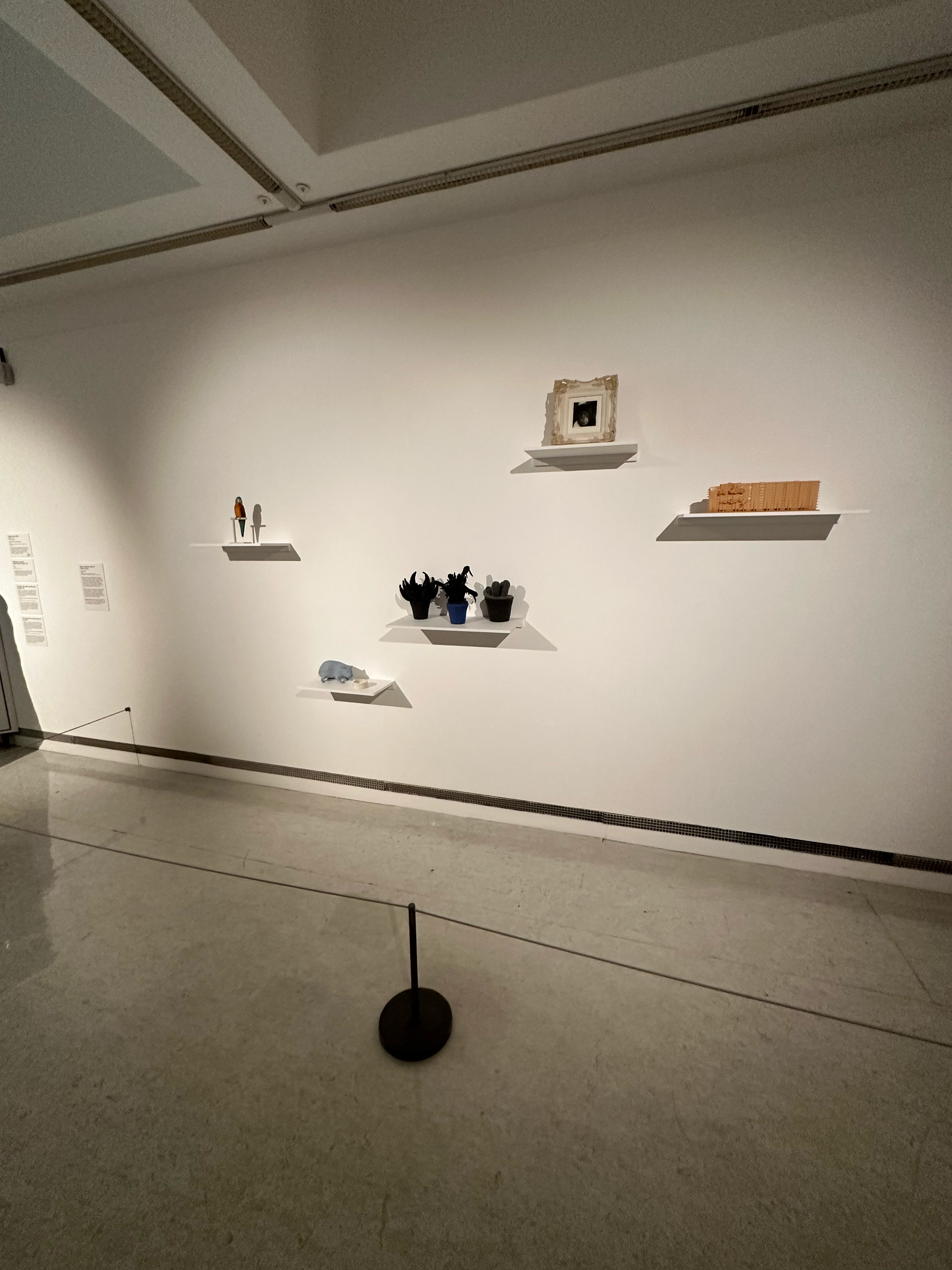
When initially considering the art of curation and exhibition, I went to the Gallery of Modern Art (GoMA) to see the exhibition that was on, Elizabeth Price’s SLOW DAN.
“SLOW DANS is a cycle of three 10-screen videos – KOHL, FELT TIP, and THE TEACHERS. These three works present a fictional past, parallel present, and imagined future, interweaving compact narratives that explore social and sexual histories and our changing relationship with the material and the digital.” – GlasgowLife
https://www.glasgowlife.org.uk/event/1/elizabeth-price-slow-dans
I didn’t take any photographic documentation of this exhibition because I was in almost complete darkness. I feel that mobile photography would not do the artist’s and curator’s vision justice but would also break other viewers’ immersion.
From my observation as both a participant and as someone looking at the exhibition choices made, it was a fascinating, immersive and exciting experience.
Initially, you are guided in and given time for your eyes to adjust to the darkness, walking into a vast open space with giant hanging screens and loud announcing coming from an almost unknown location and the hypnotic visuals using imagery as well as typography to tell Price’s crafted story.
After taking more of an analytical approach to how the exhibition made me feel, I felt the complete change in the environment from the life and noise of Glasgow outside the GoMA to the alien location within the hall was almost sci-fi. It was too dark to grasp the depth of the hall, and the height of the screens was almost monolithic and reminded me of Michael Radford’s movie adaptation of 1984.
The lowered seating added to this adult/ child sensation or teacher/ classroom dynamic, forcing your neck to crane even more.
The suspended speakers surrounding the seating area created the sensation of voices coming from anywhere.
At its core, the concept seems simple, but the execution, choices, and commitment to those choices transported the viewer to an entirely new unknown space.
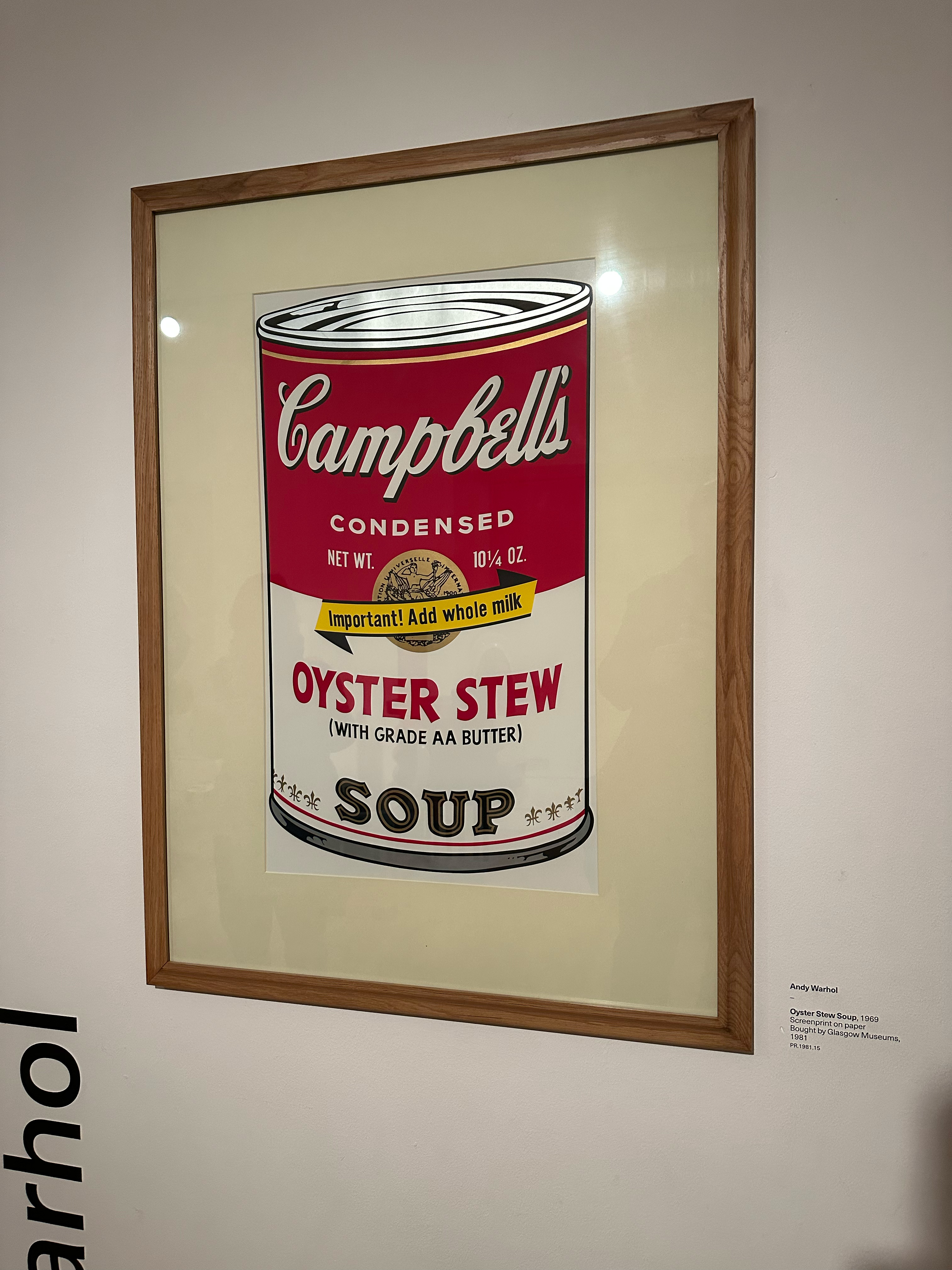
GoMA
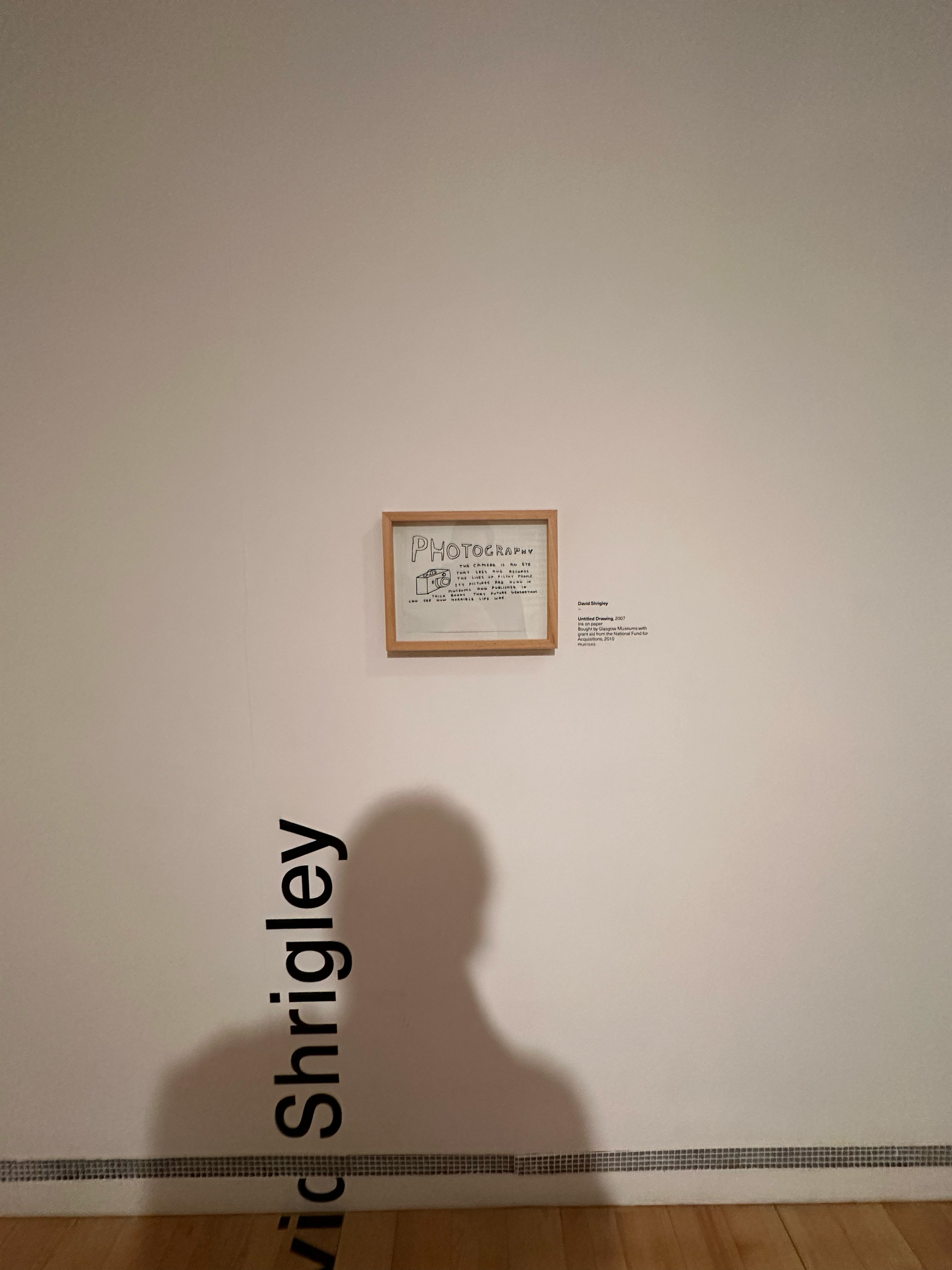
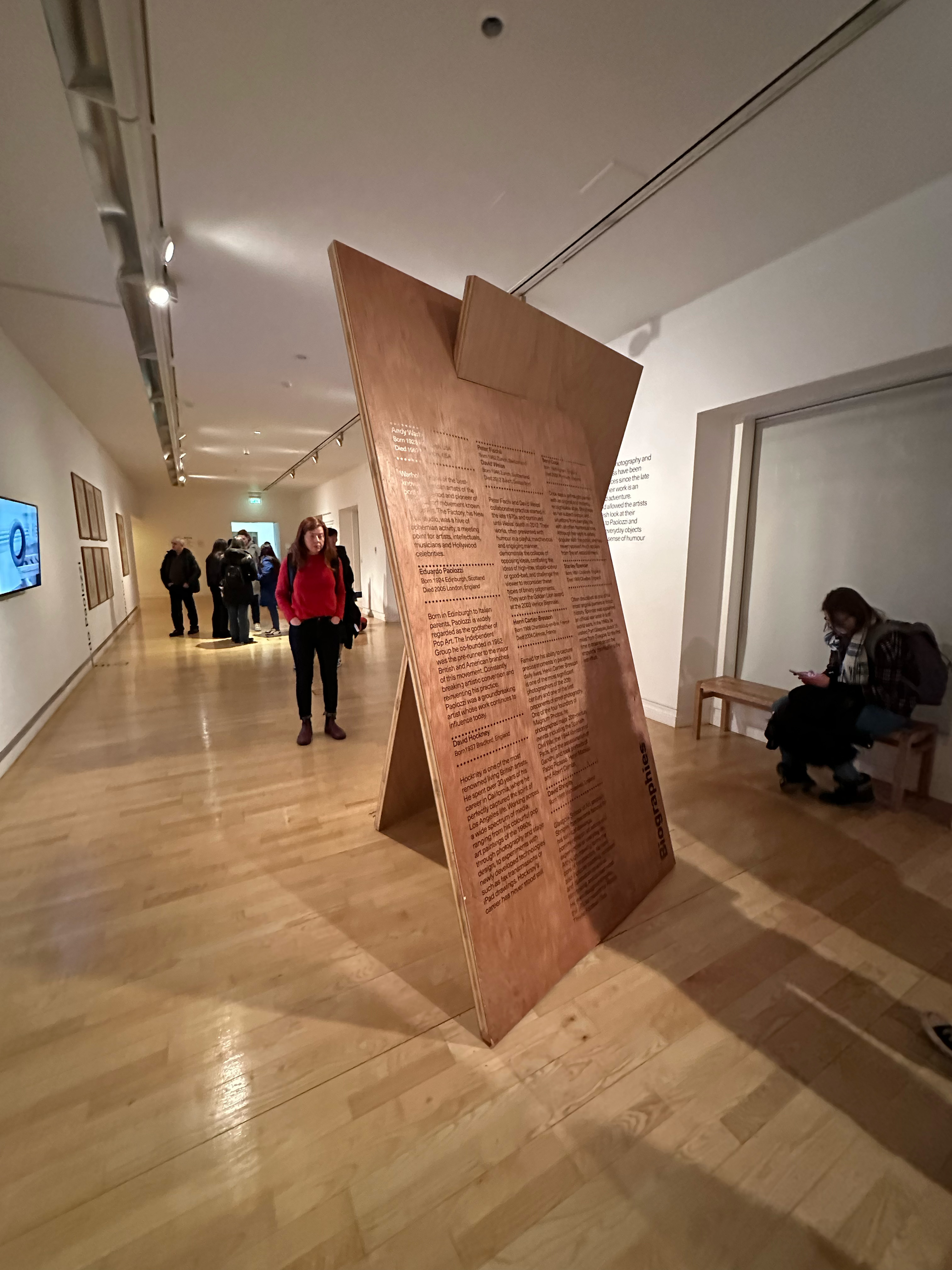
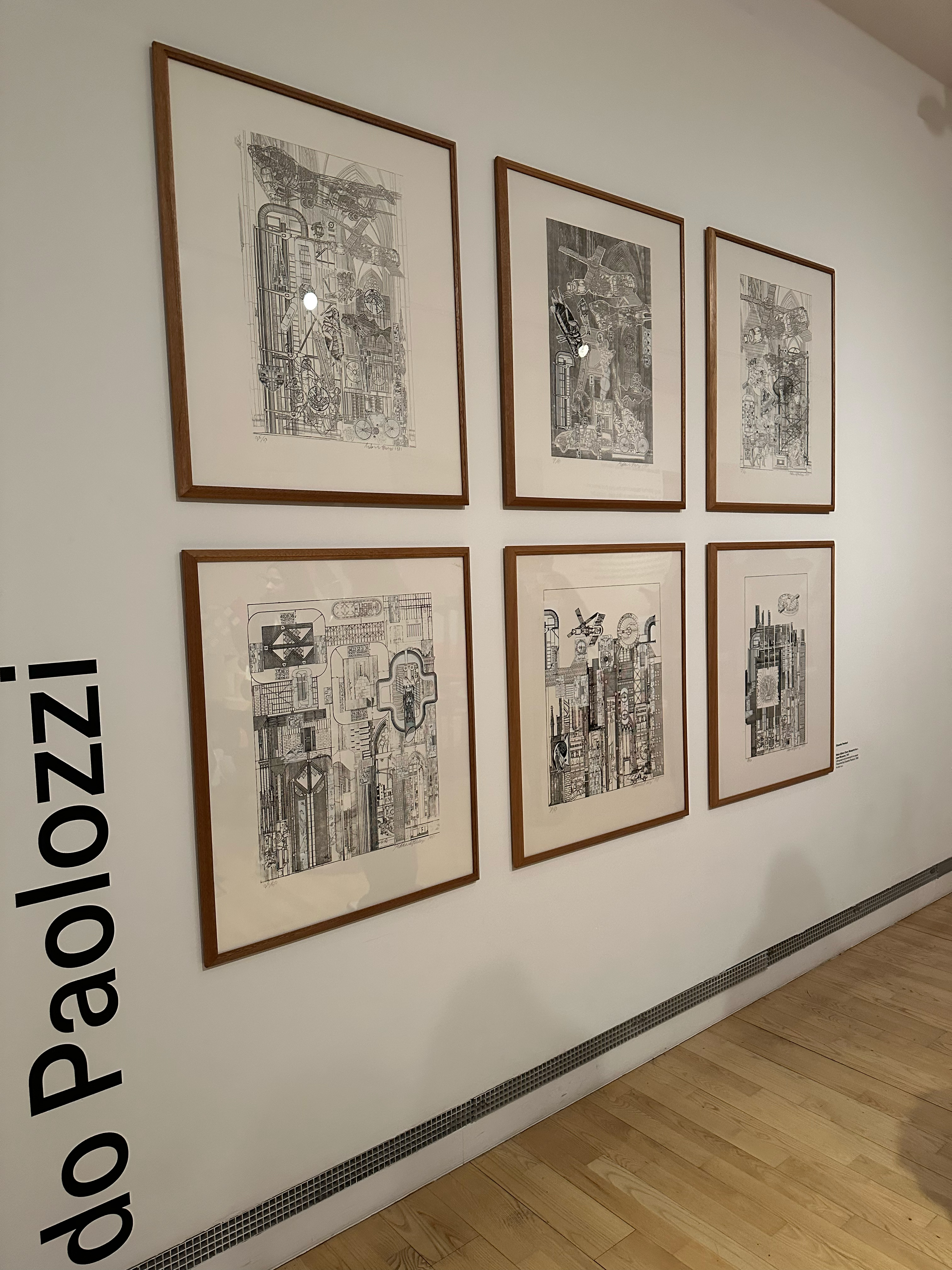
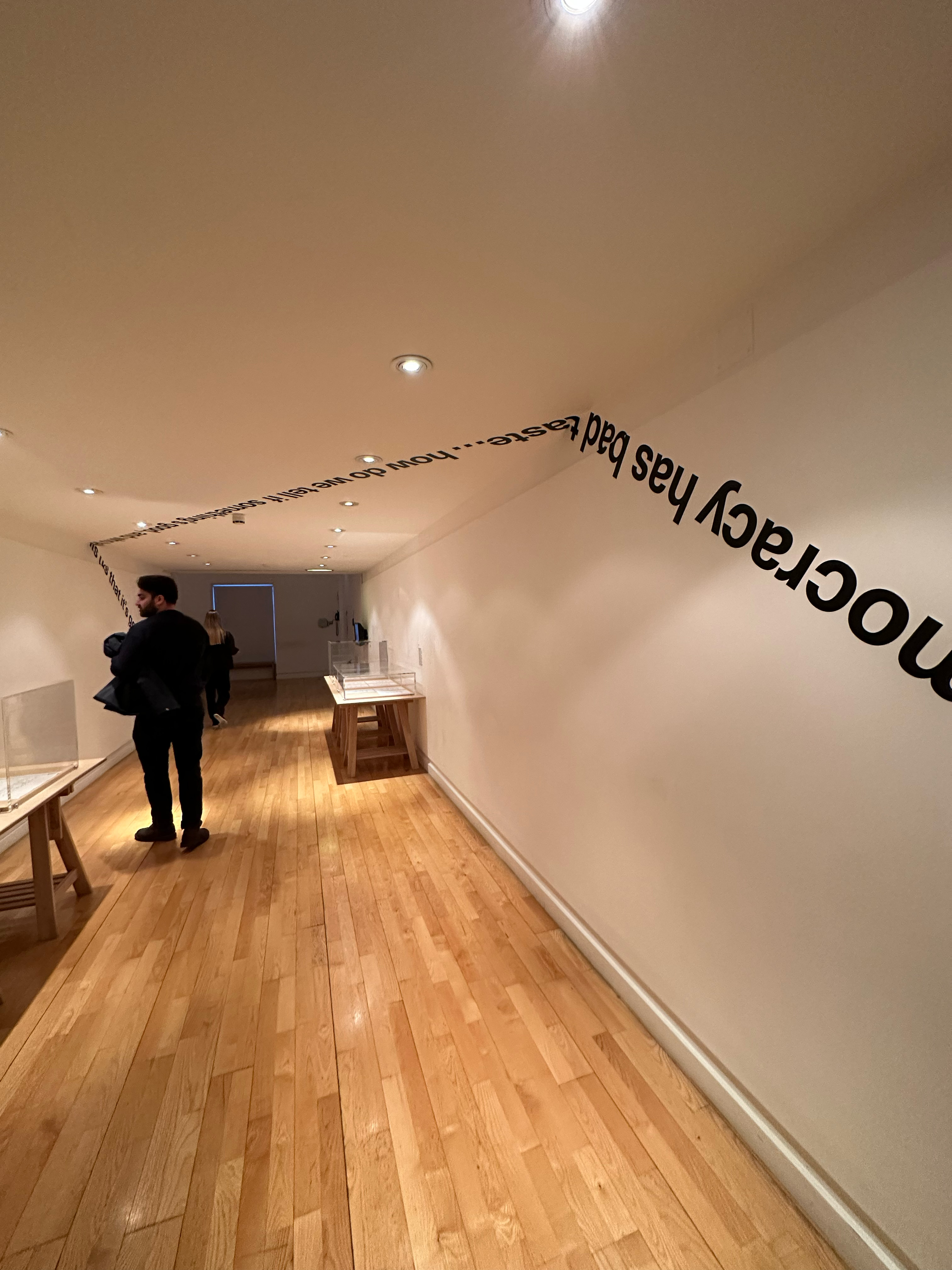


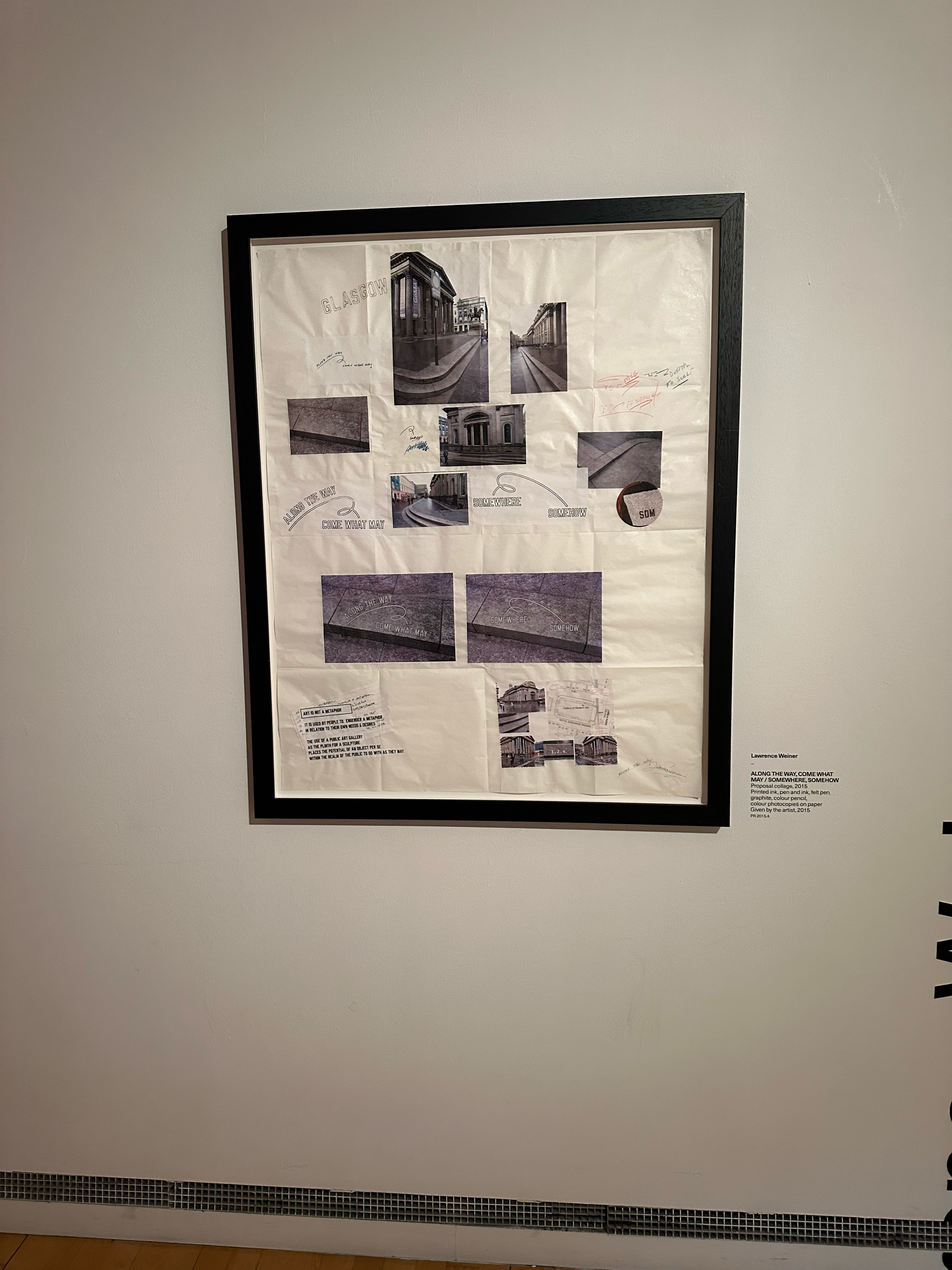
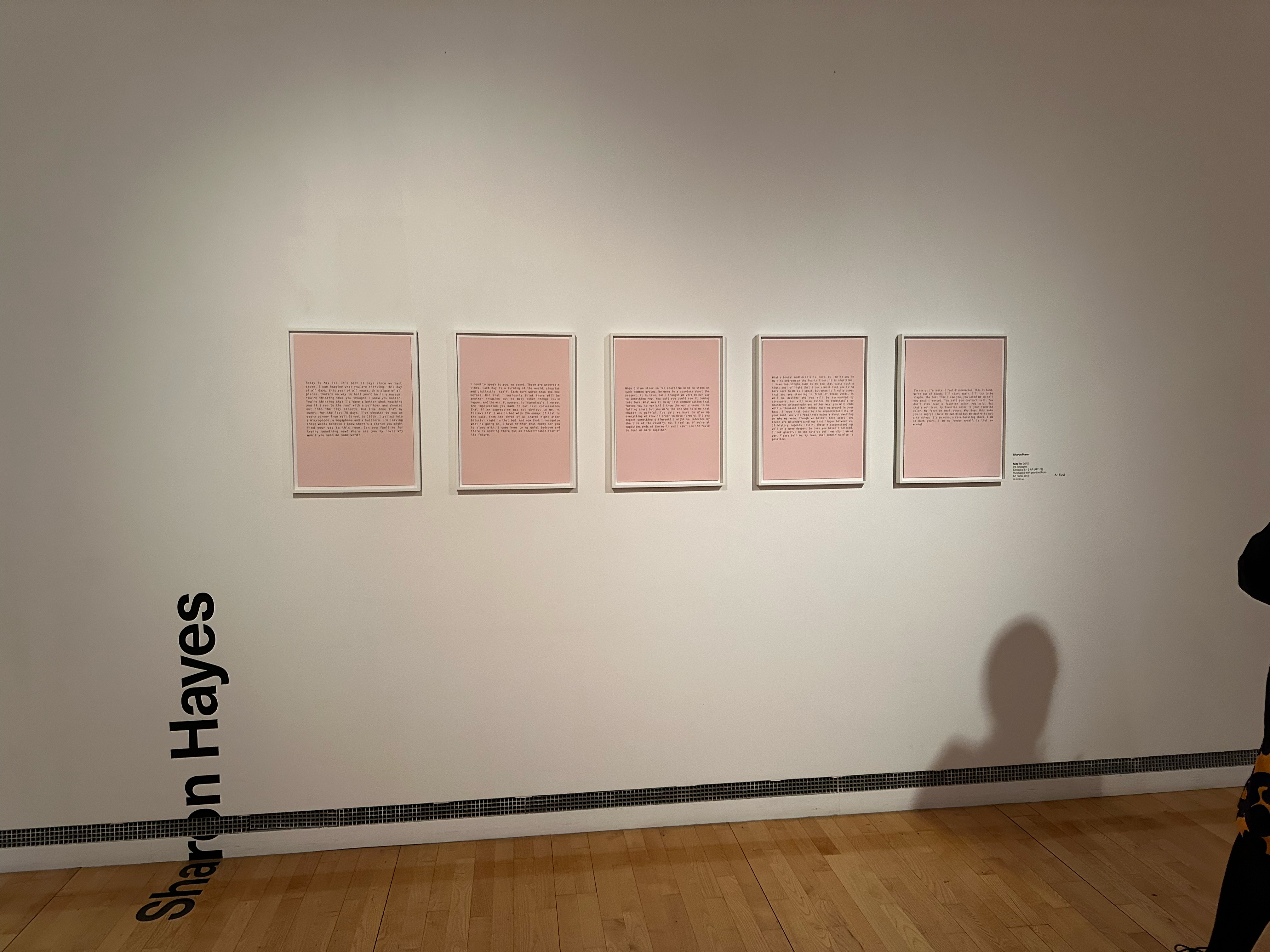
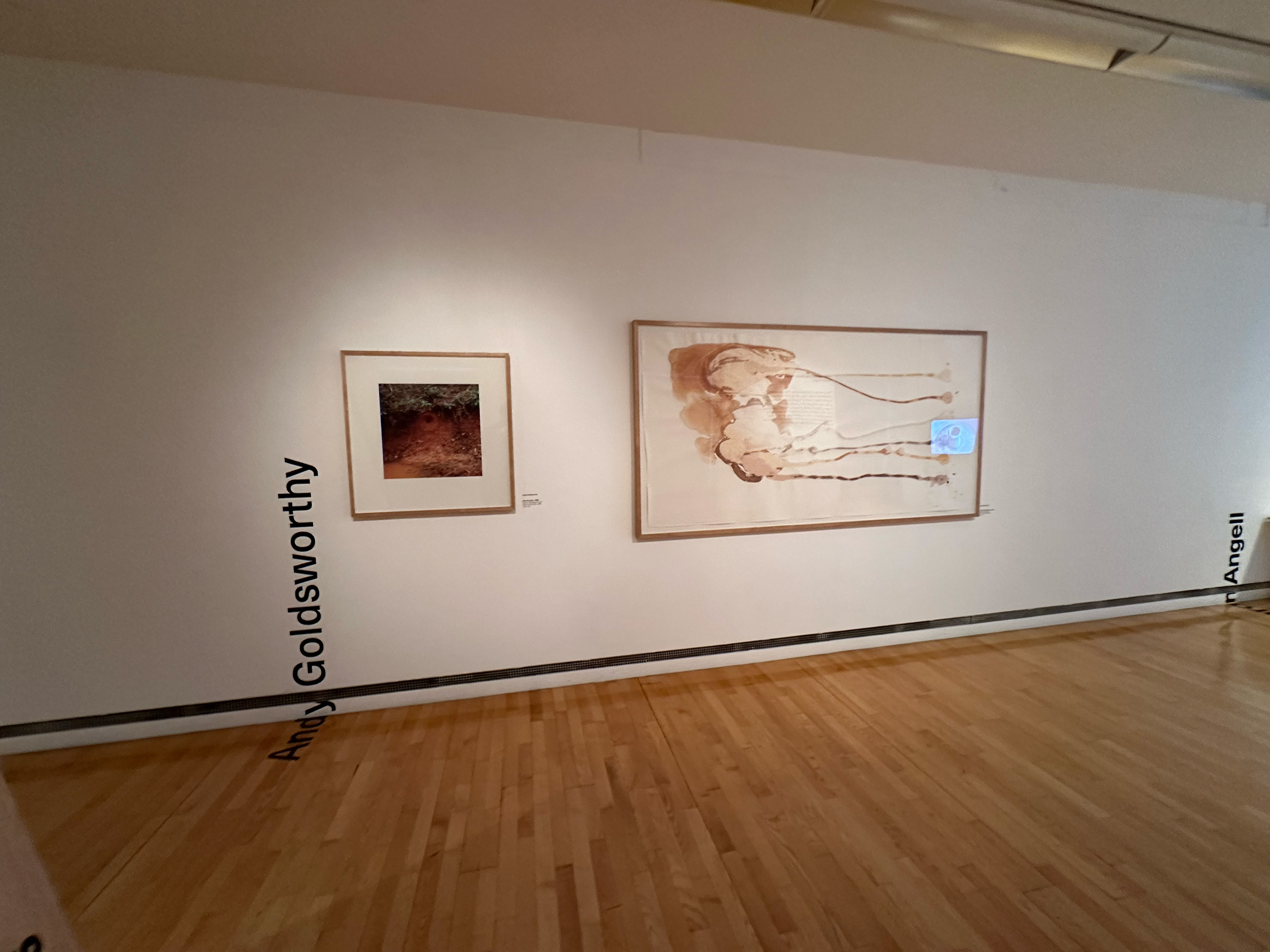



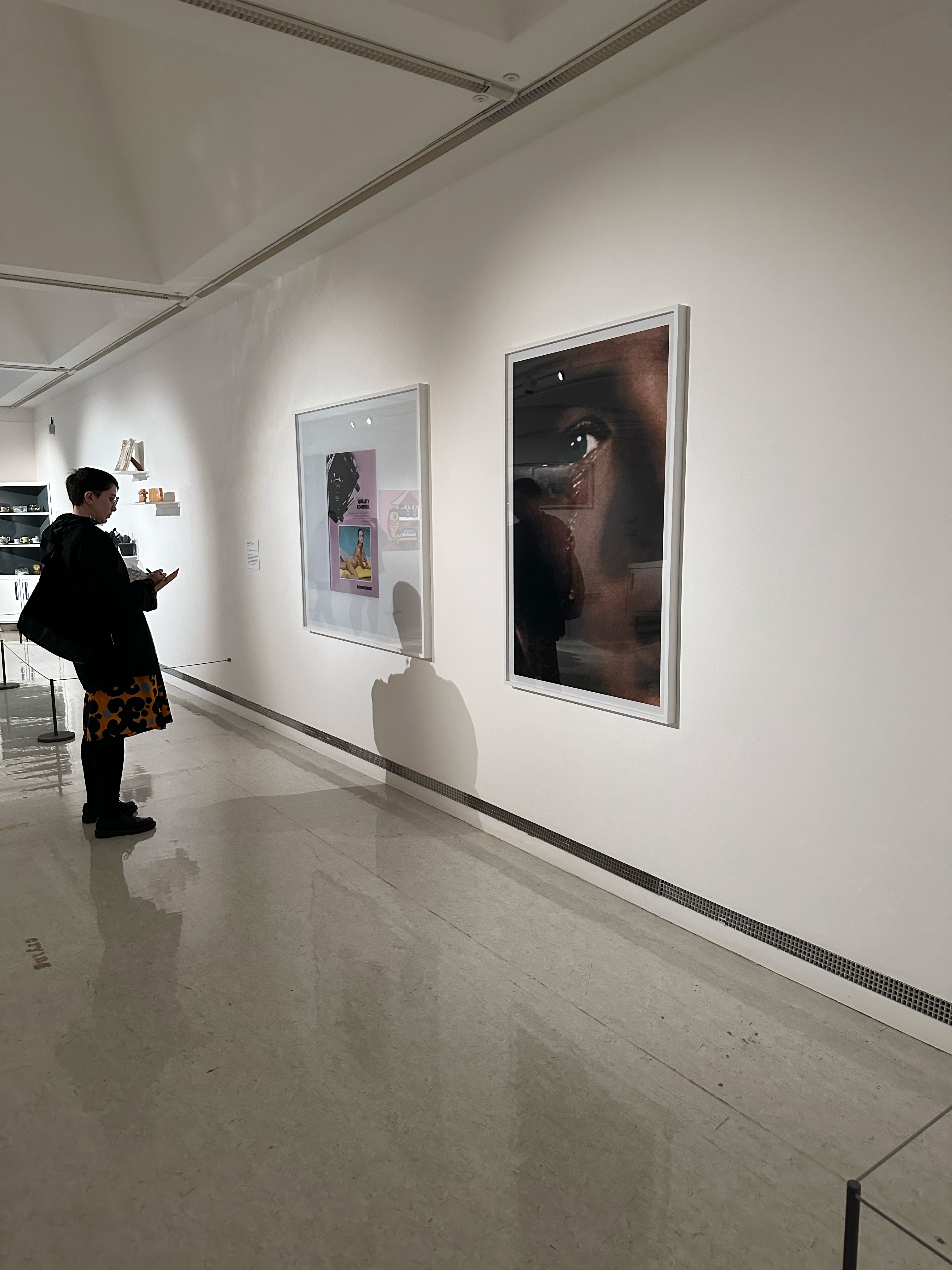

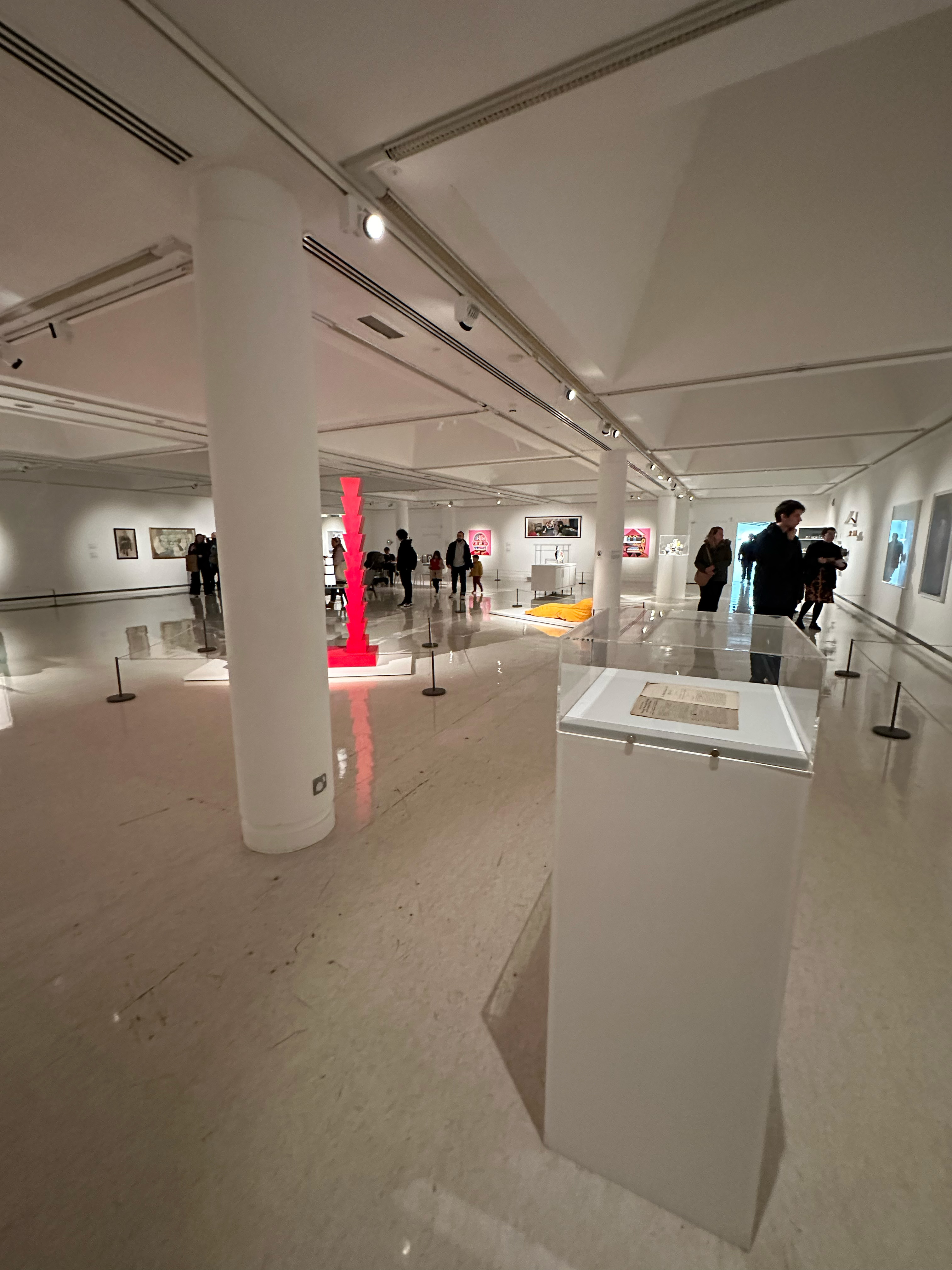

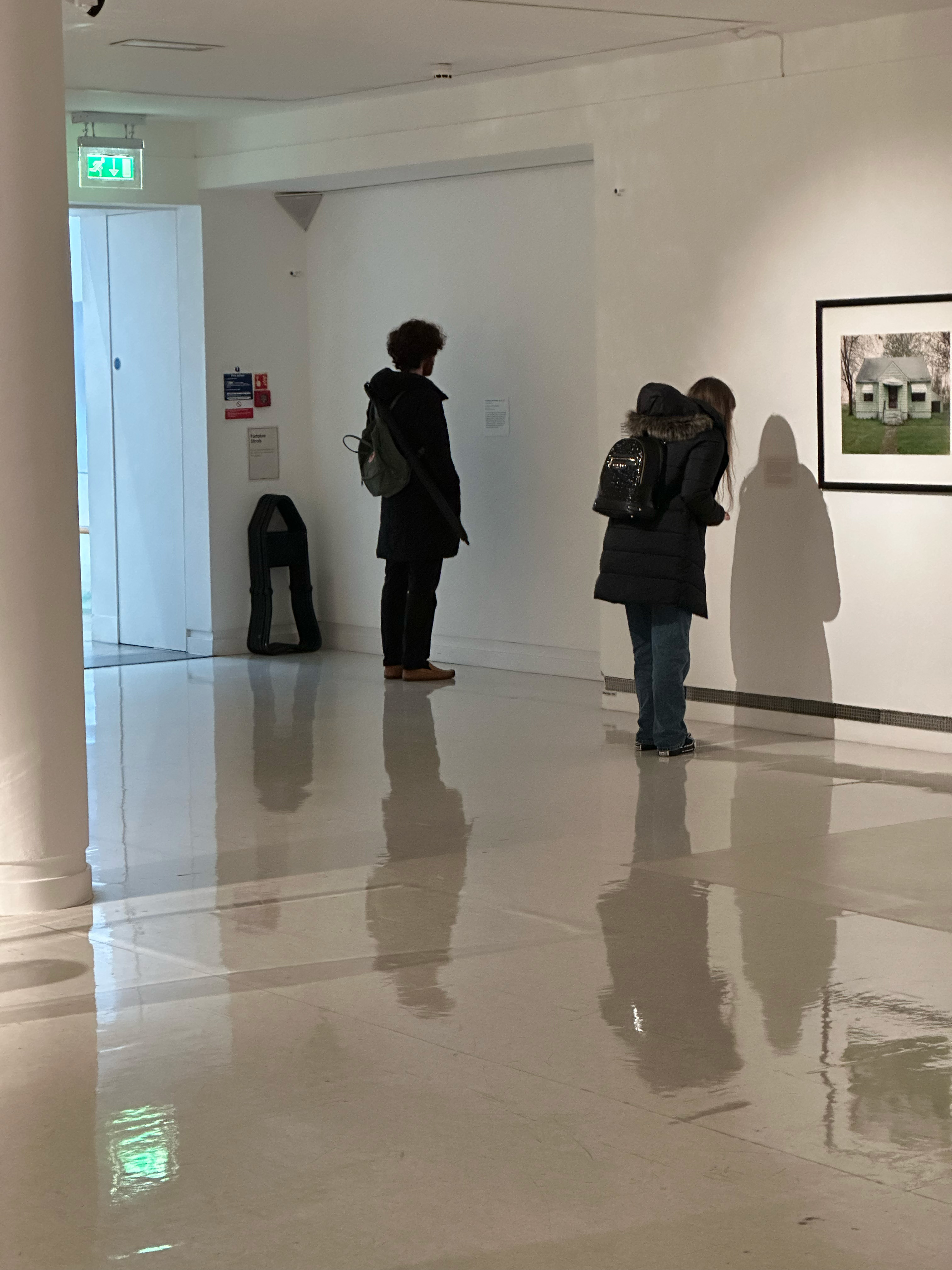
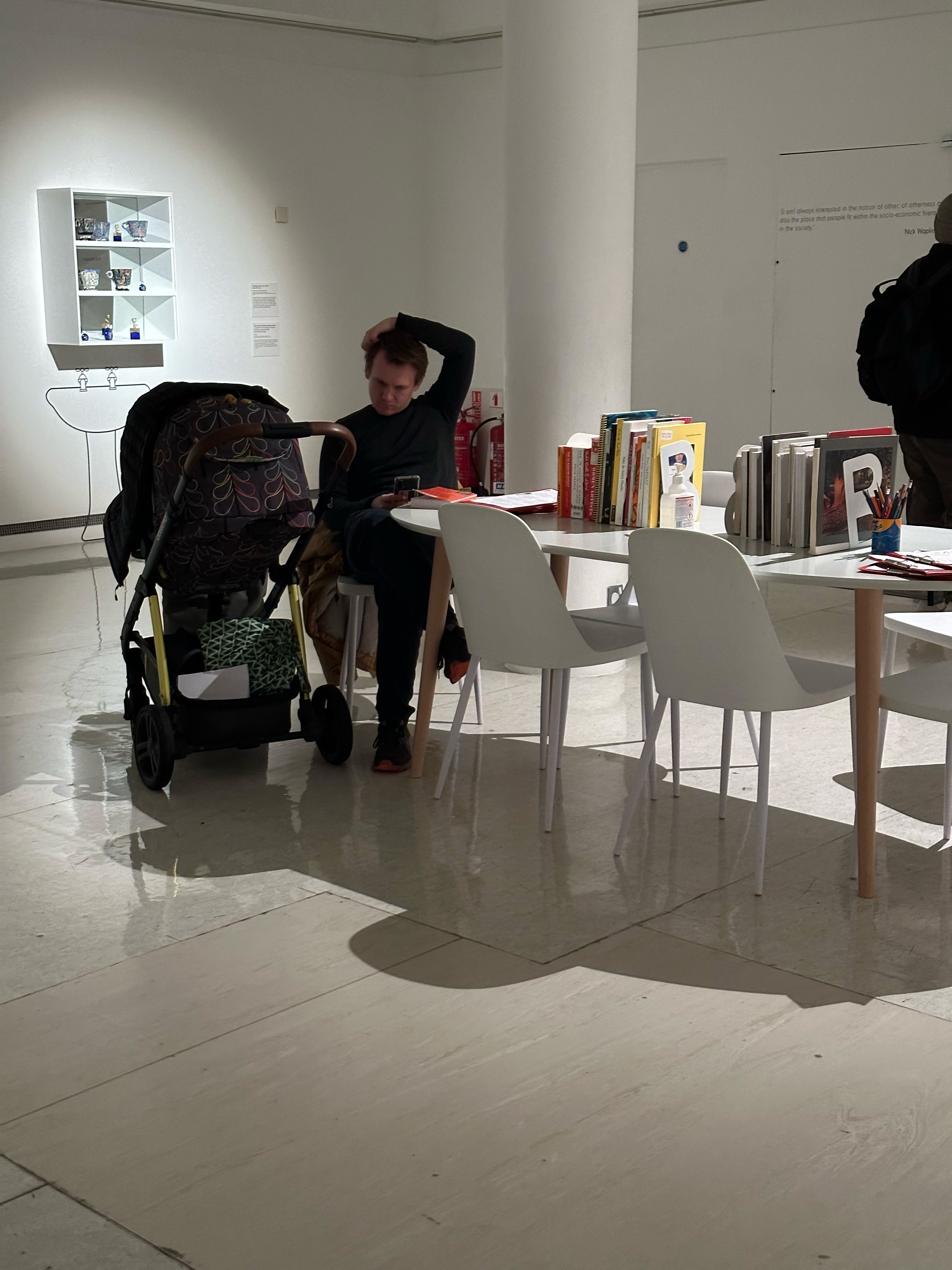
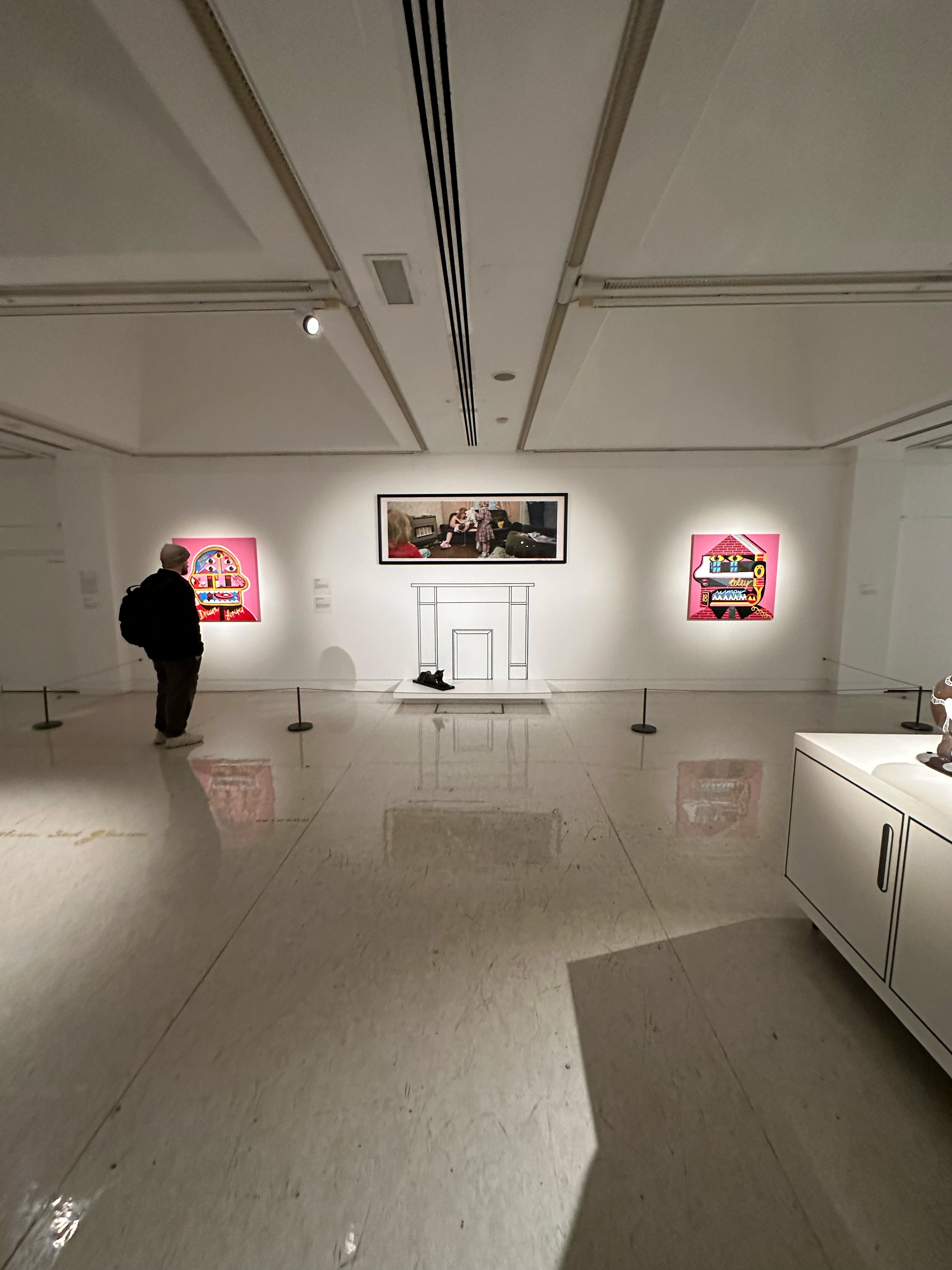
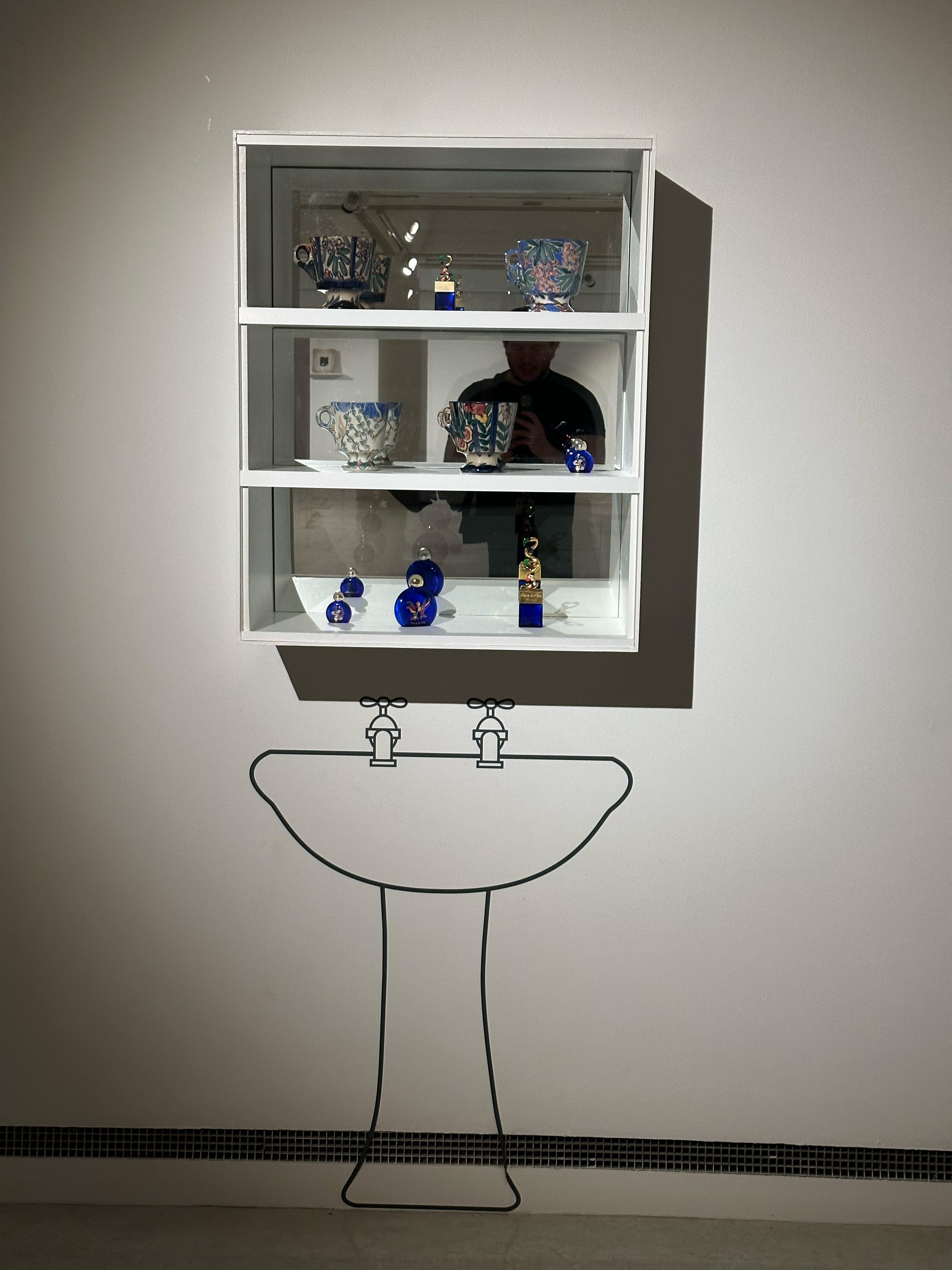

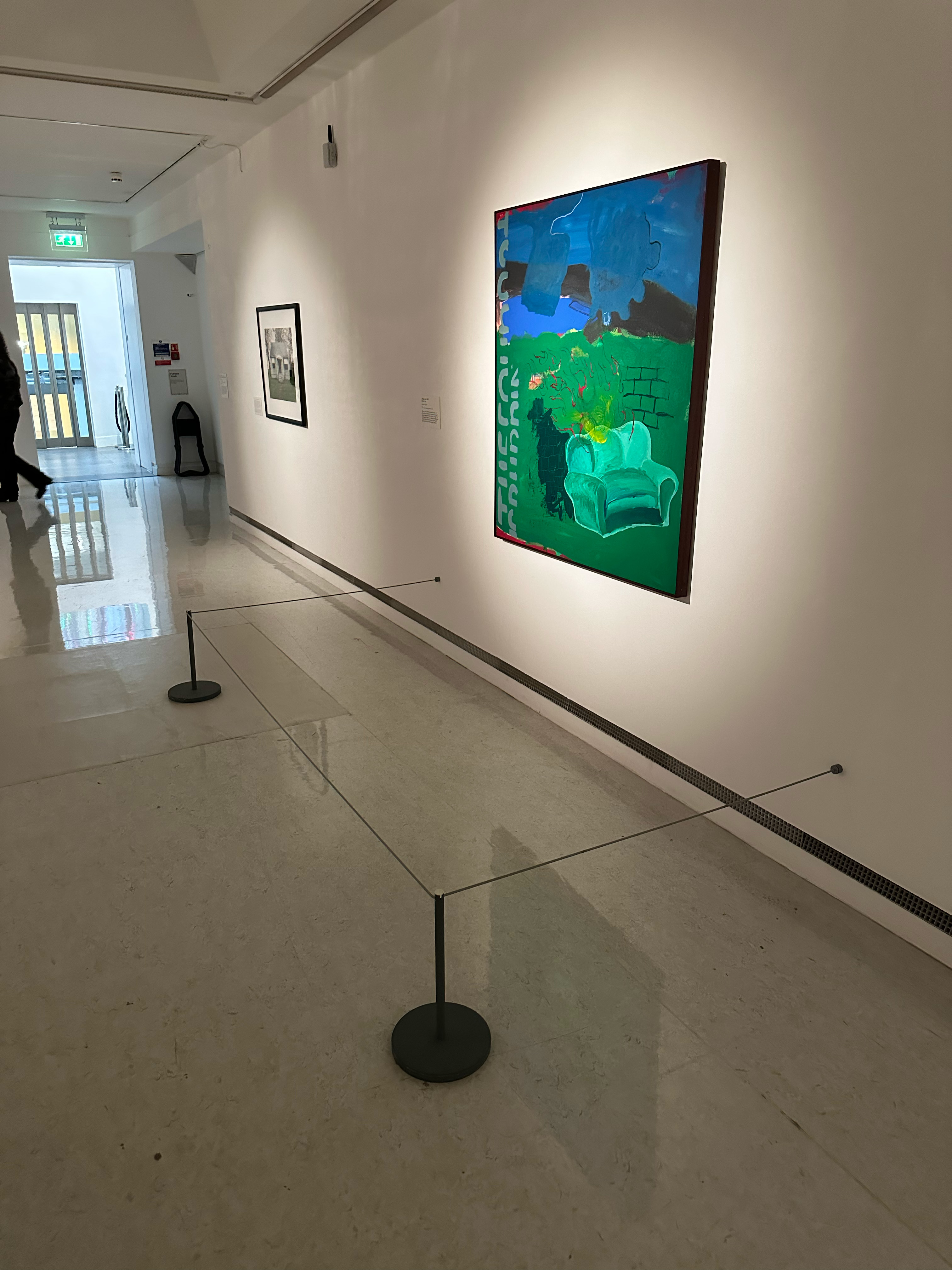
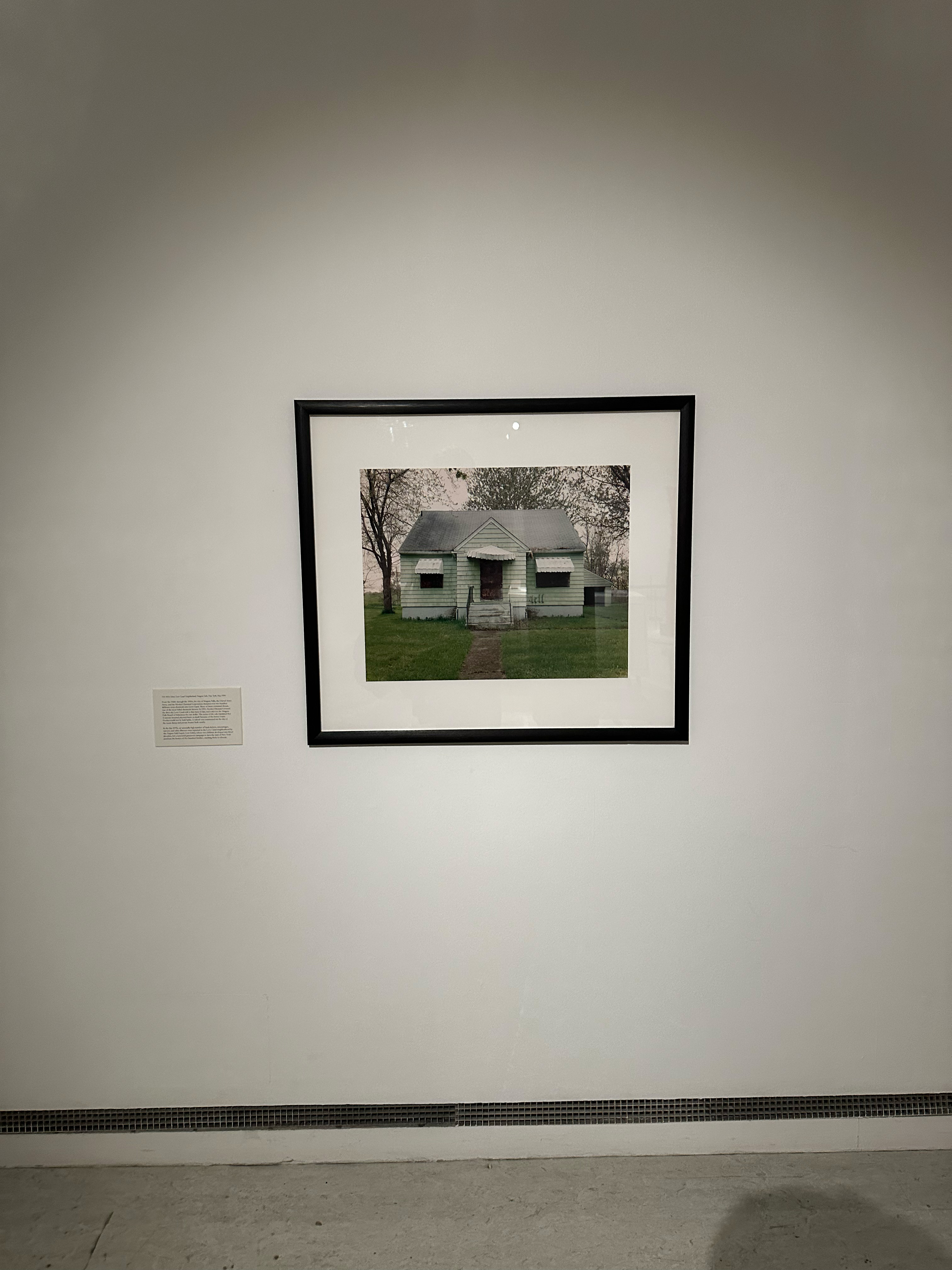


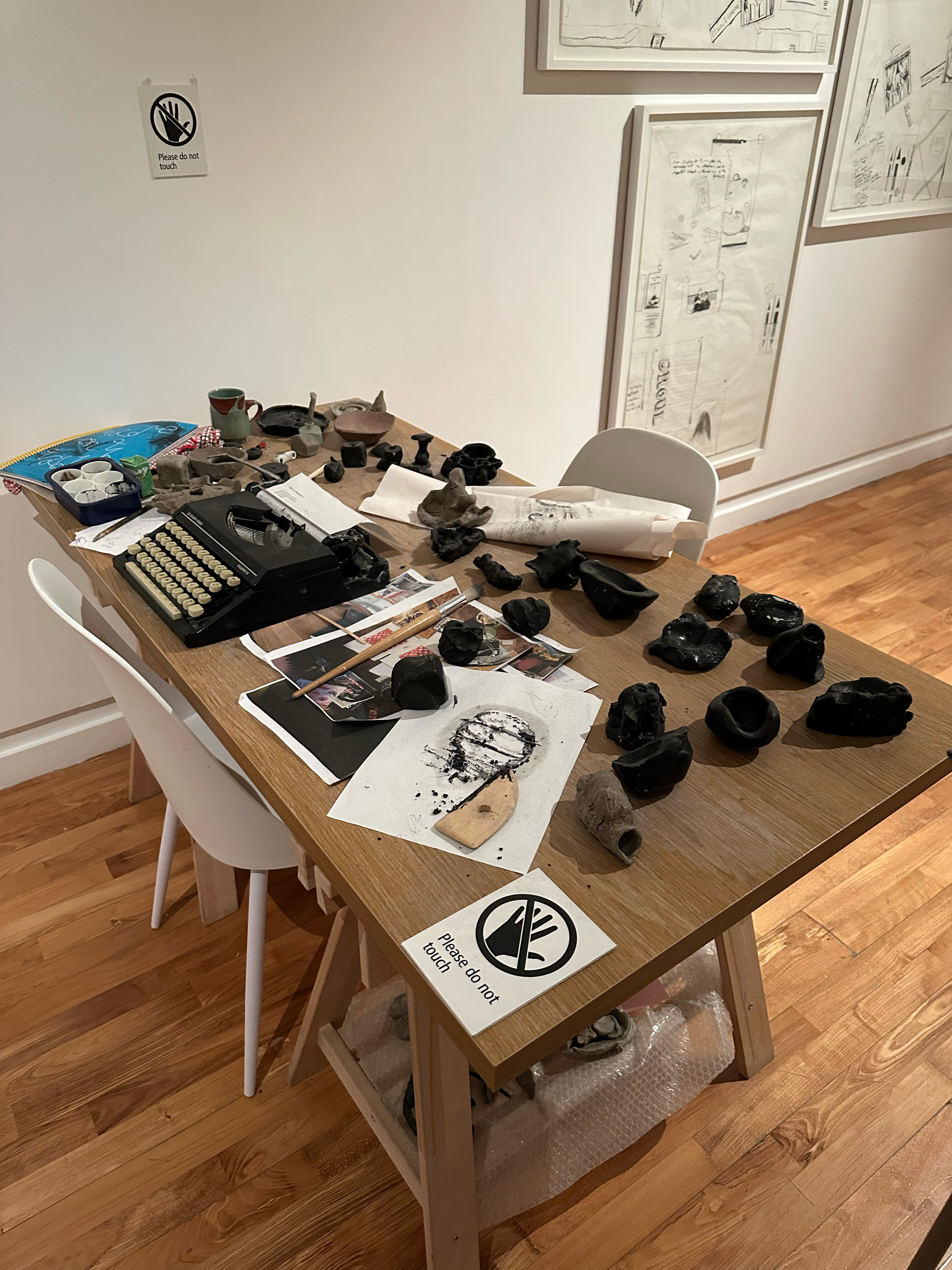
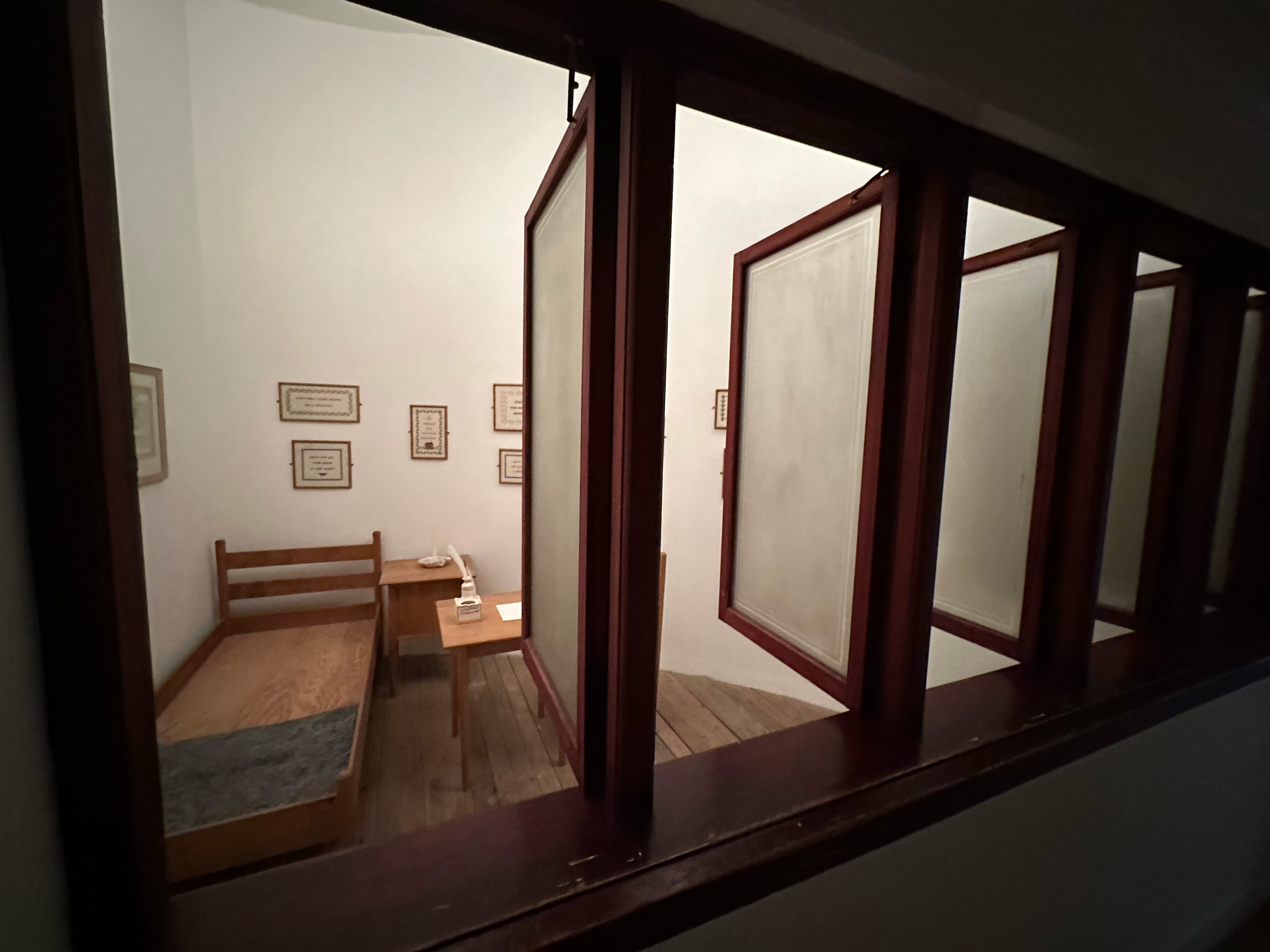
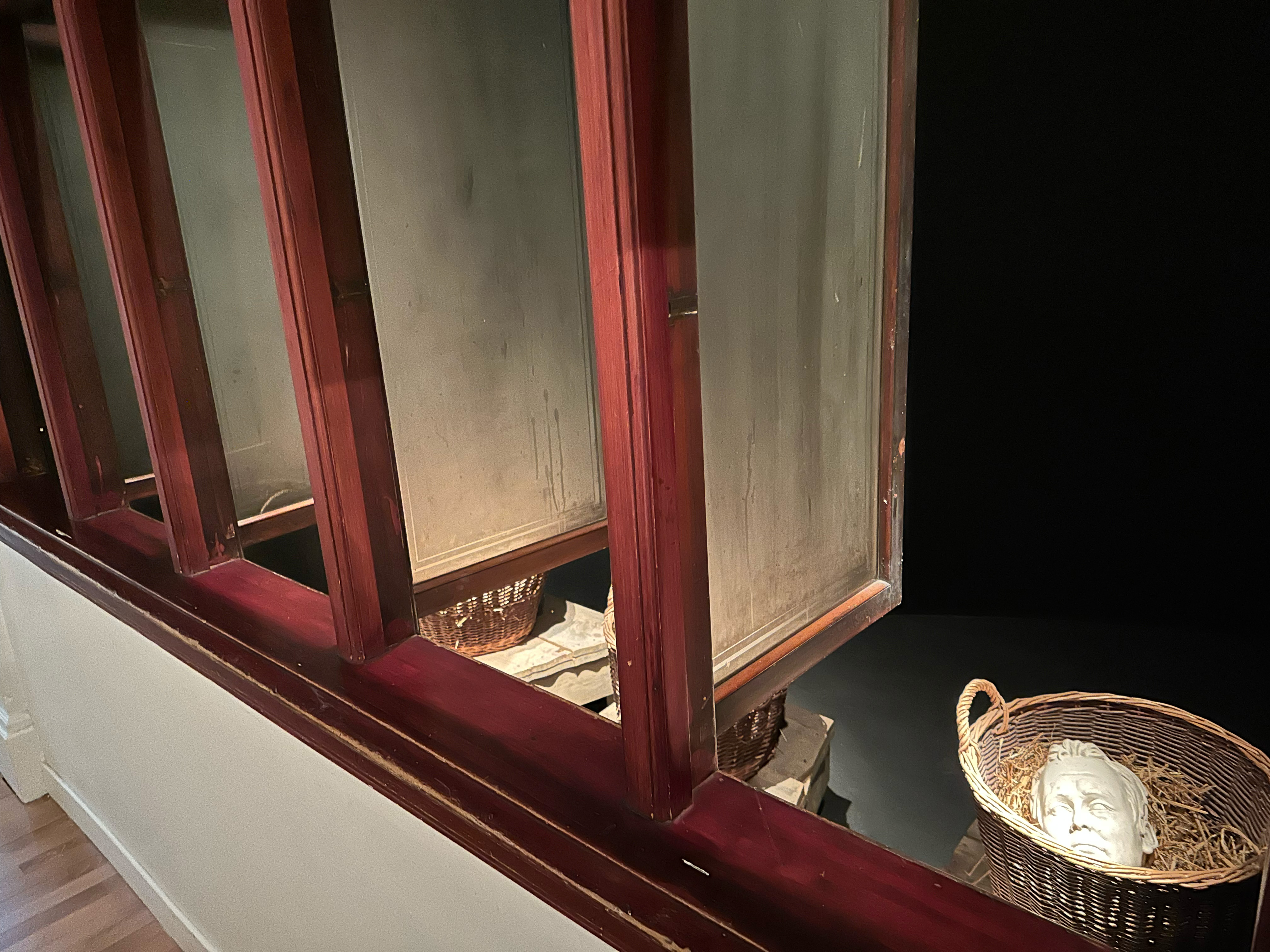
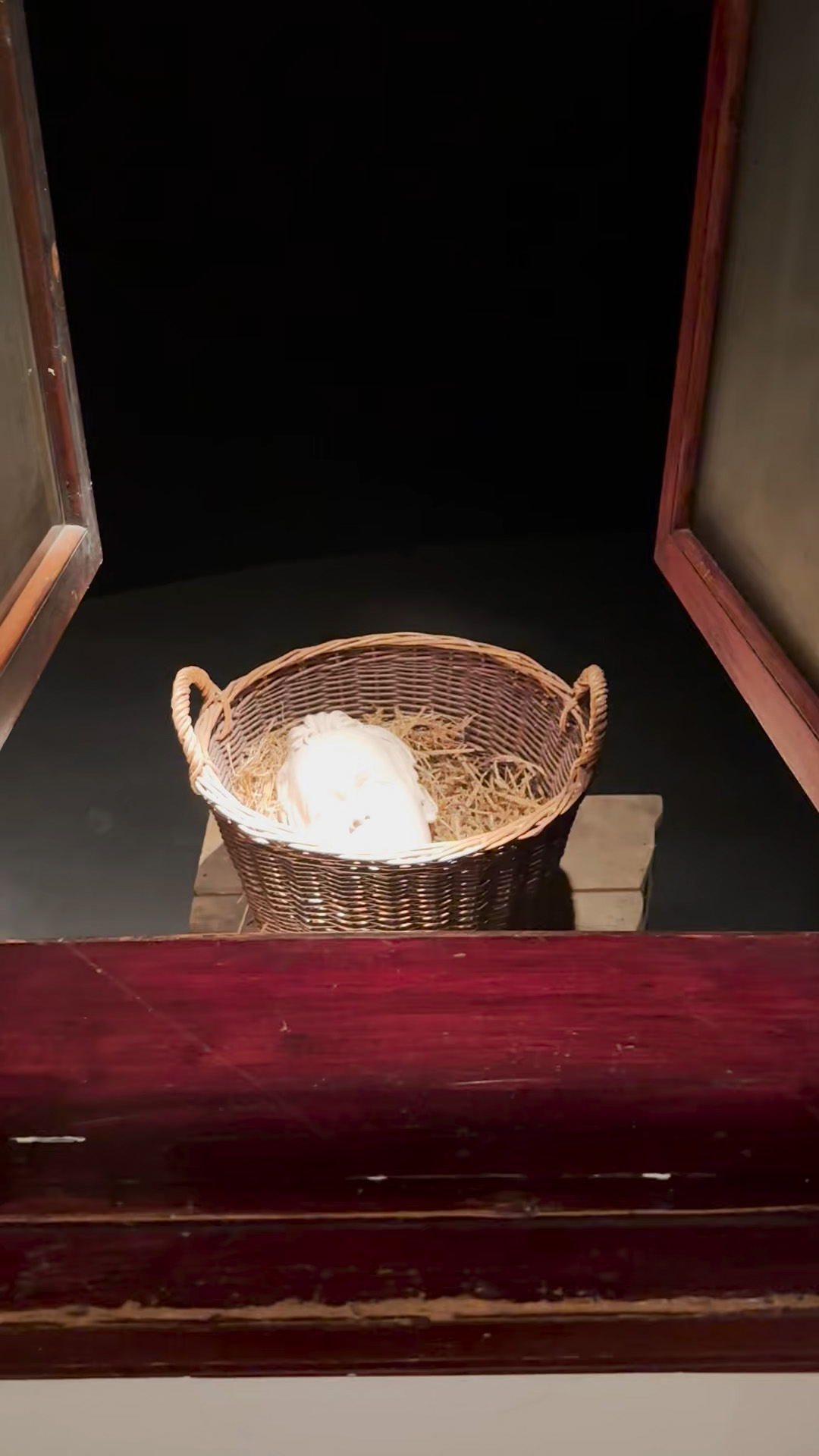
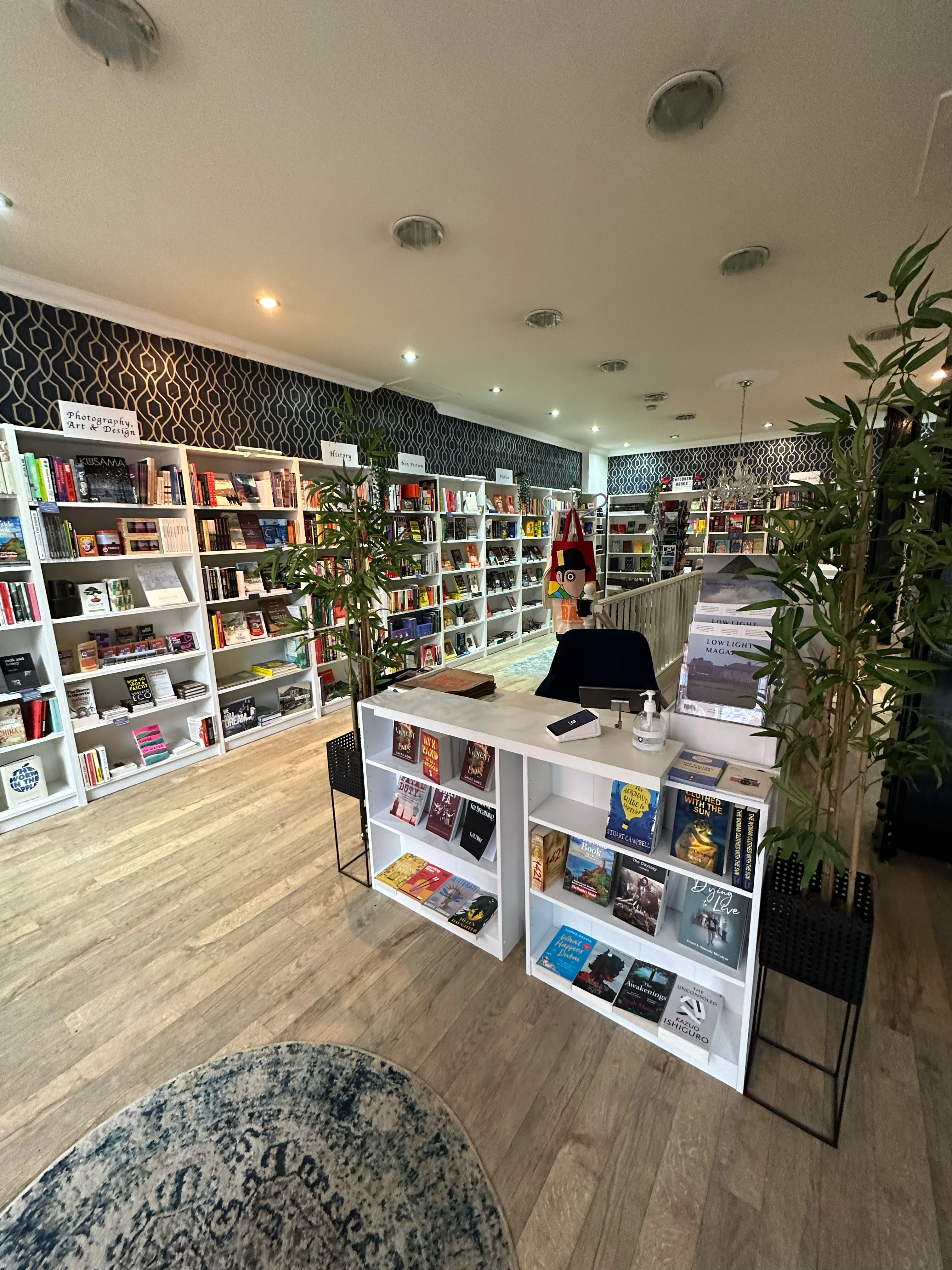
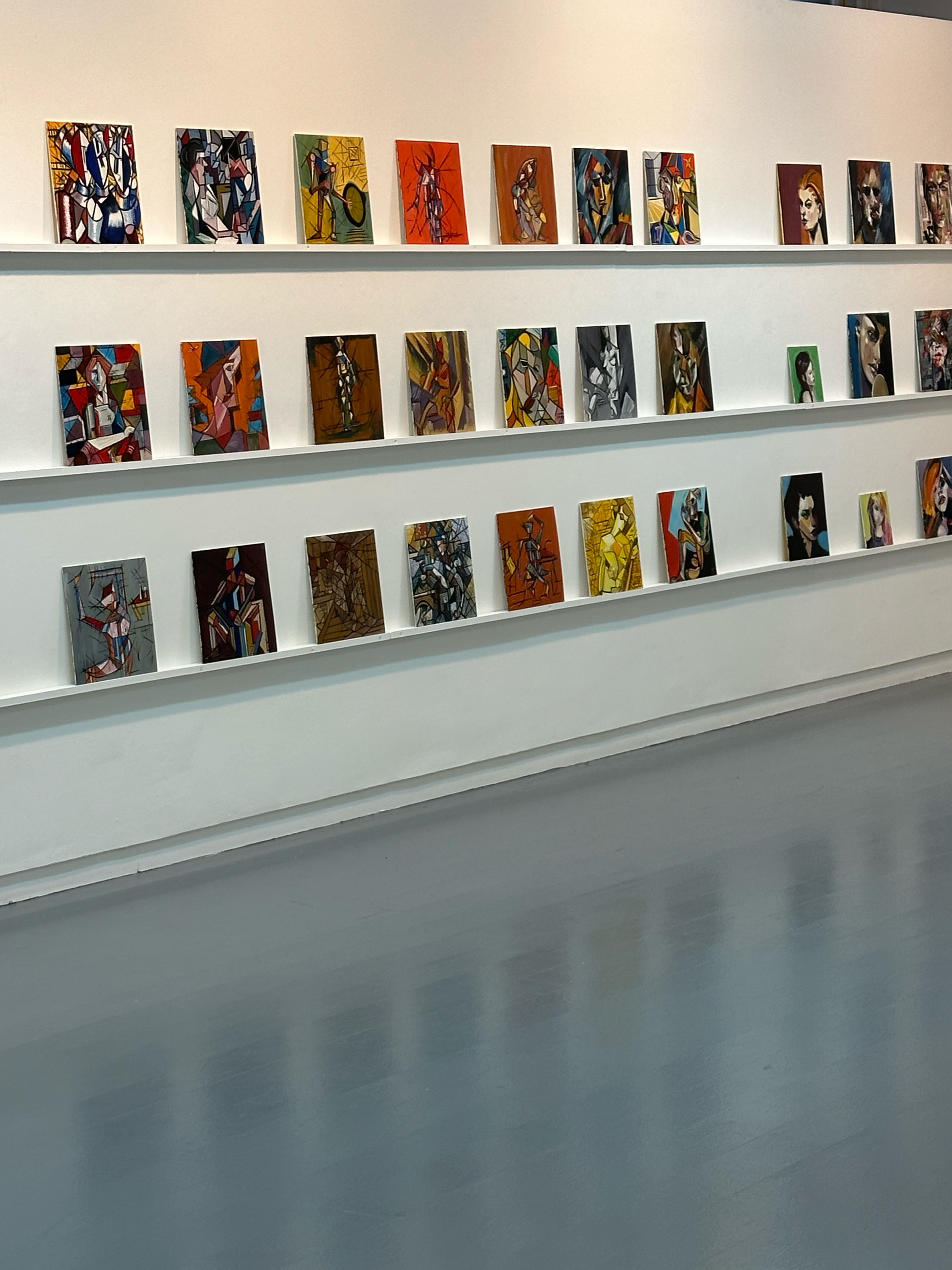
Glasgow Photography Gallery

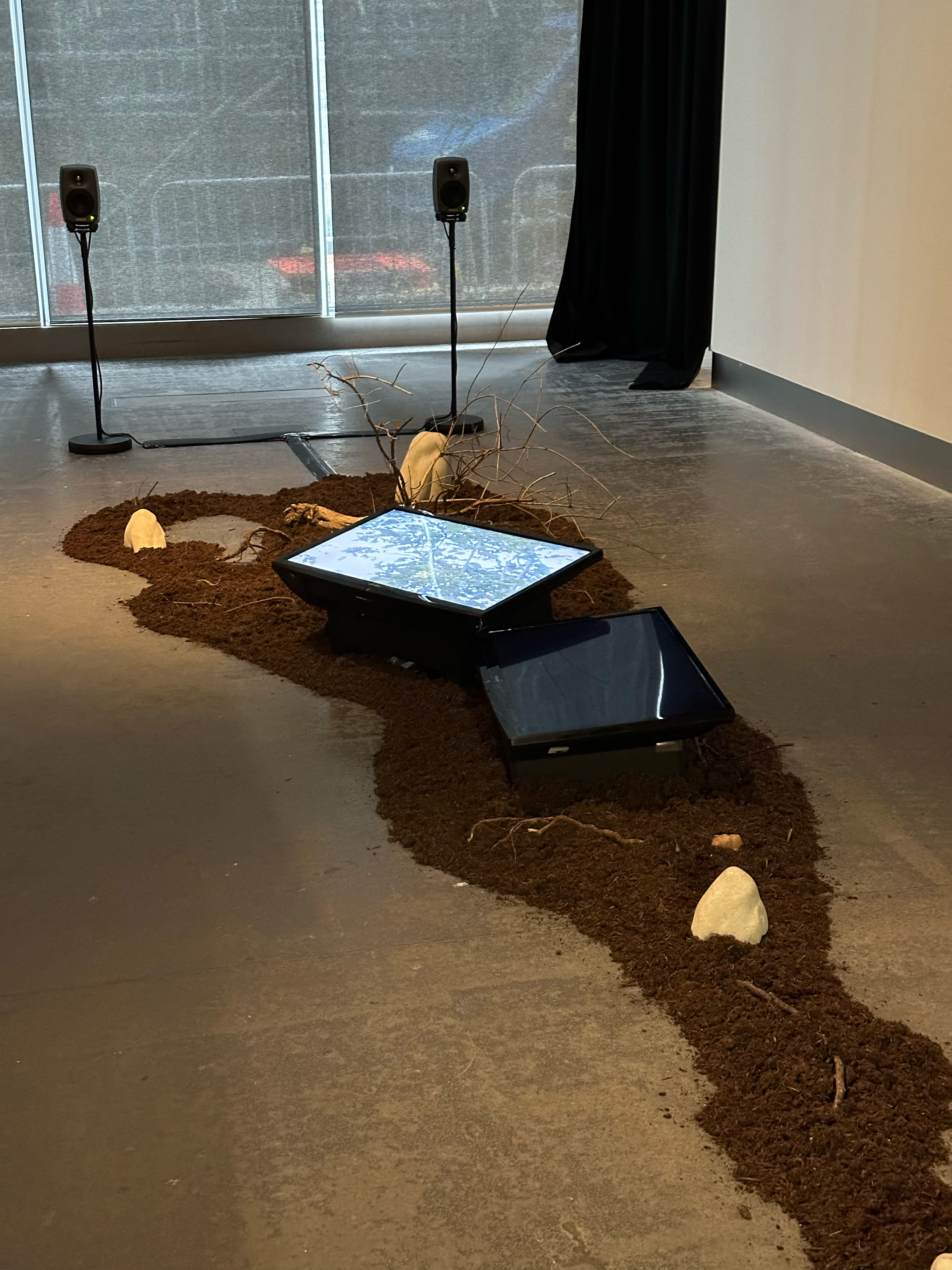
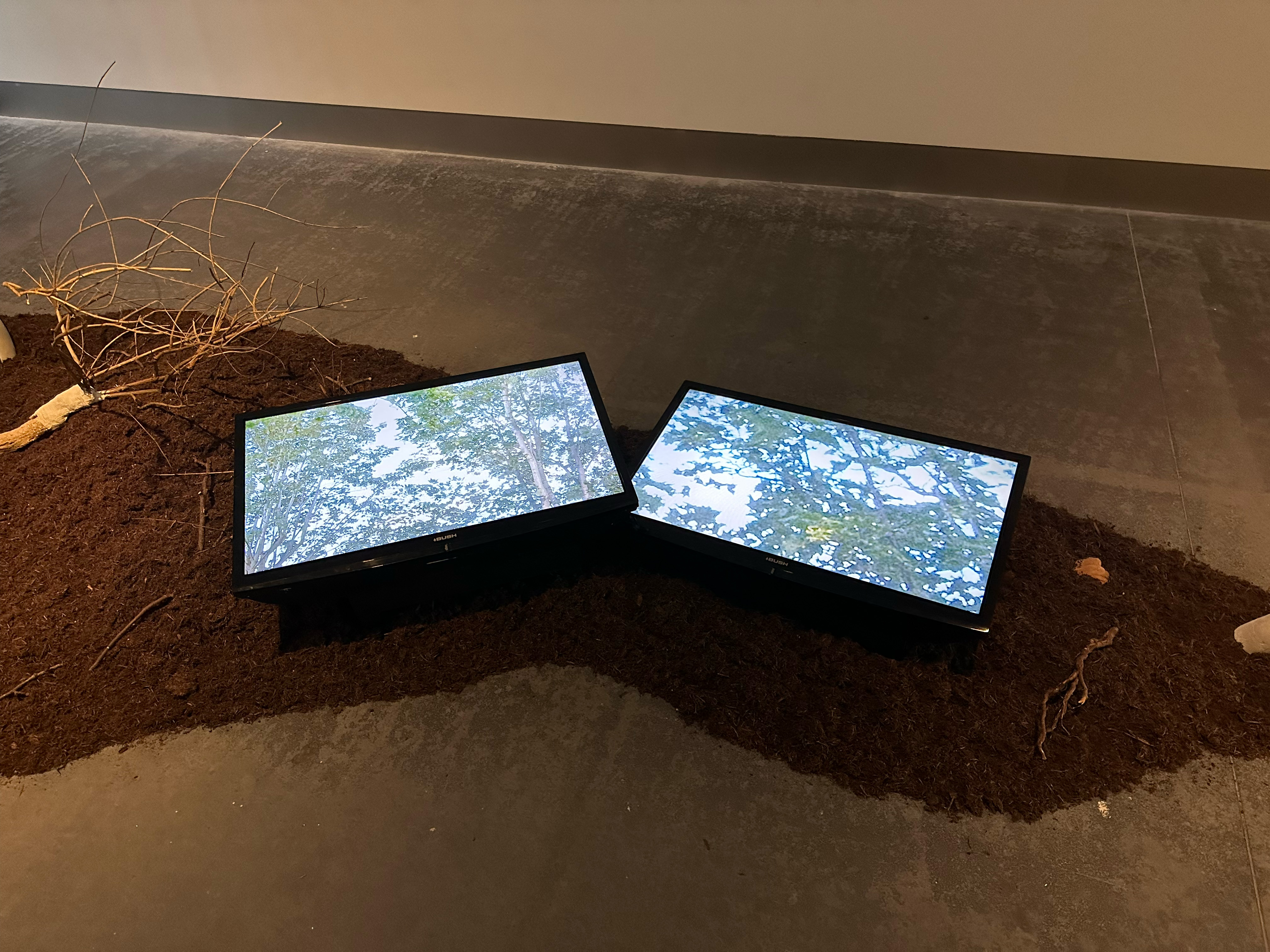
Reid Studio

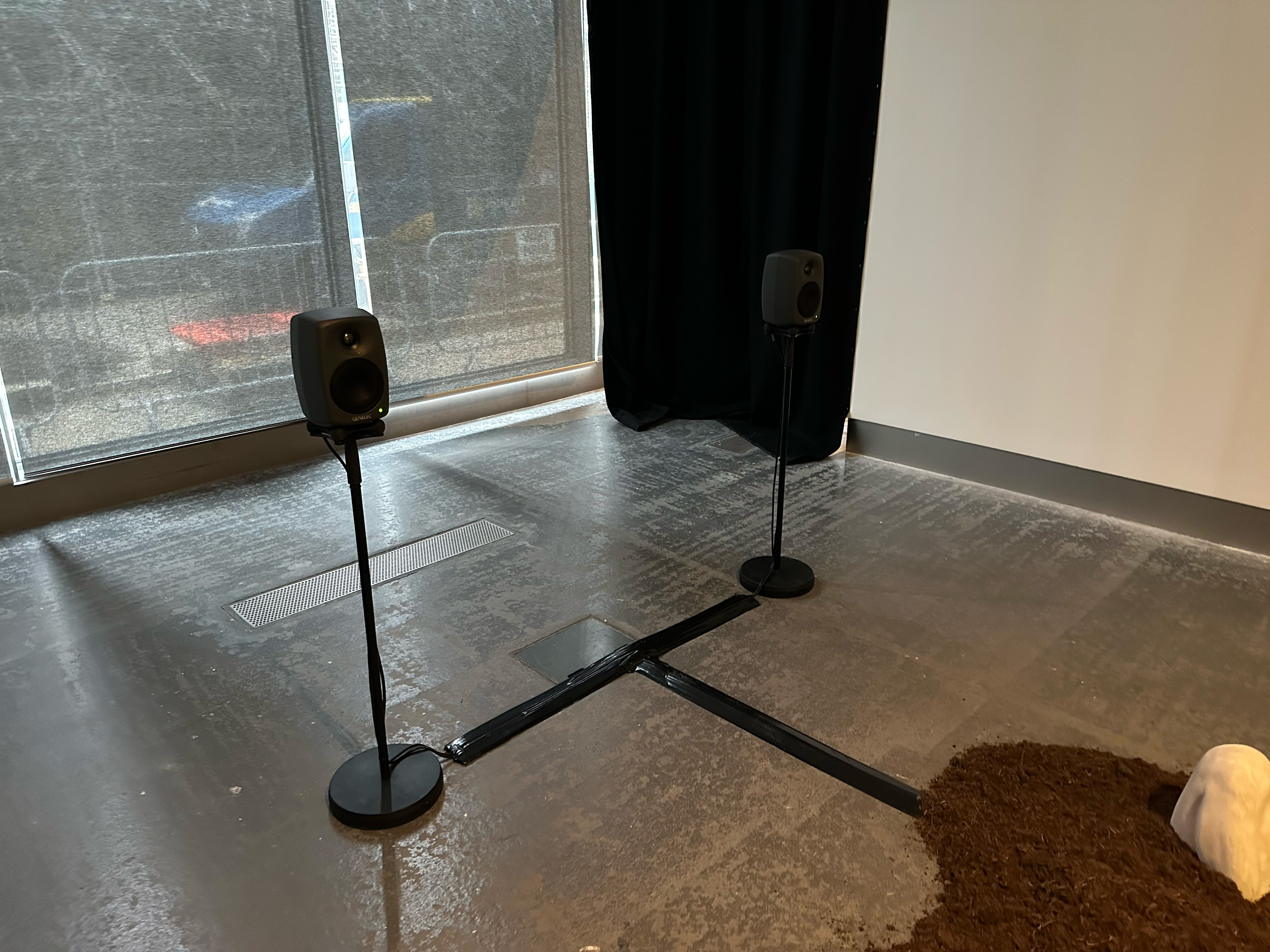

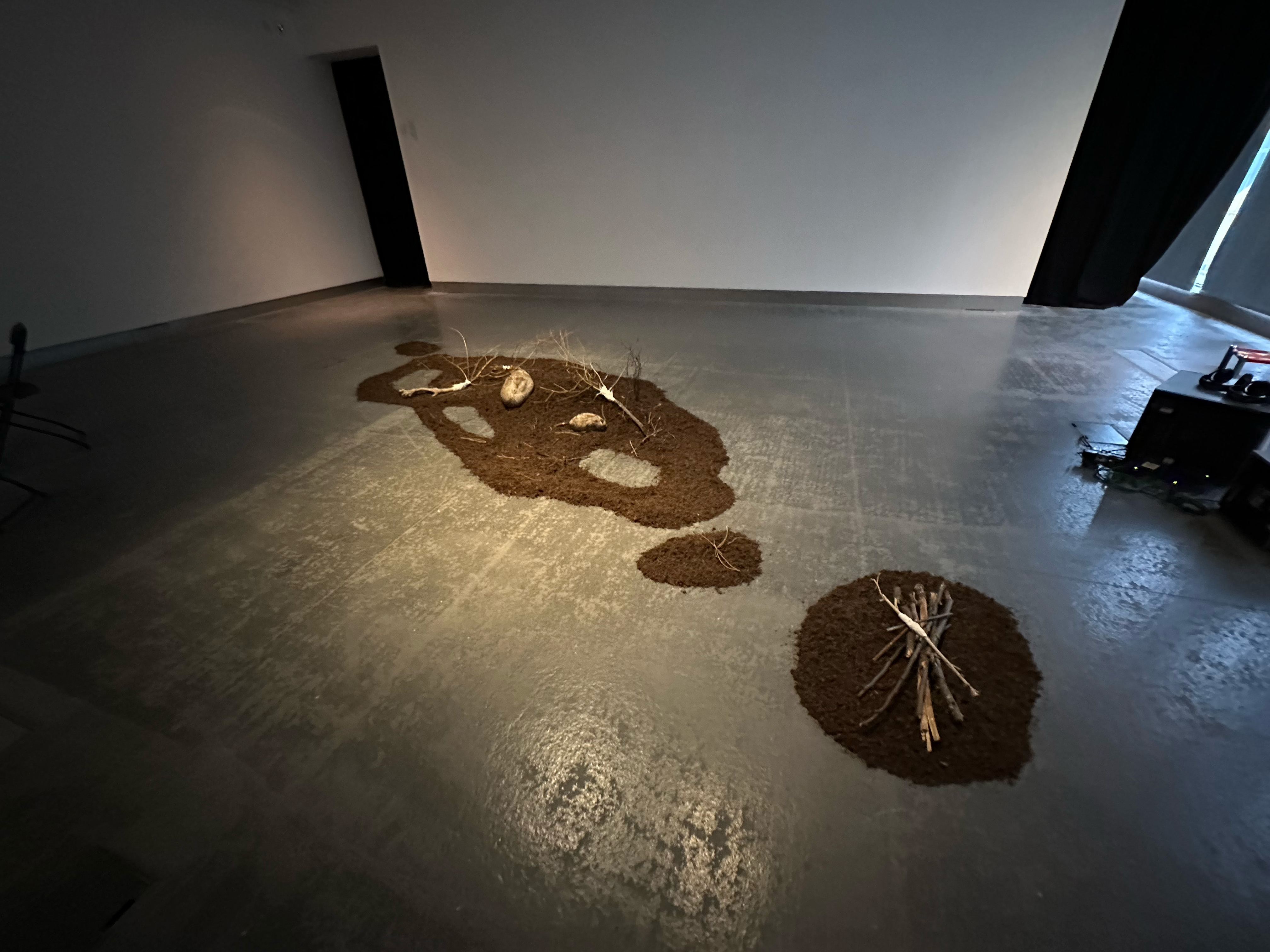
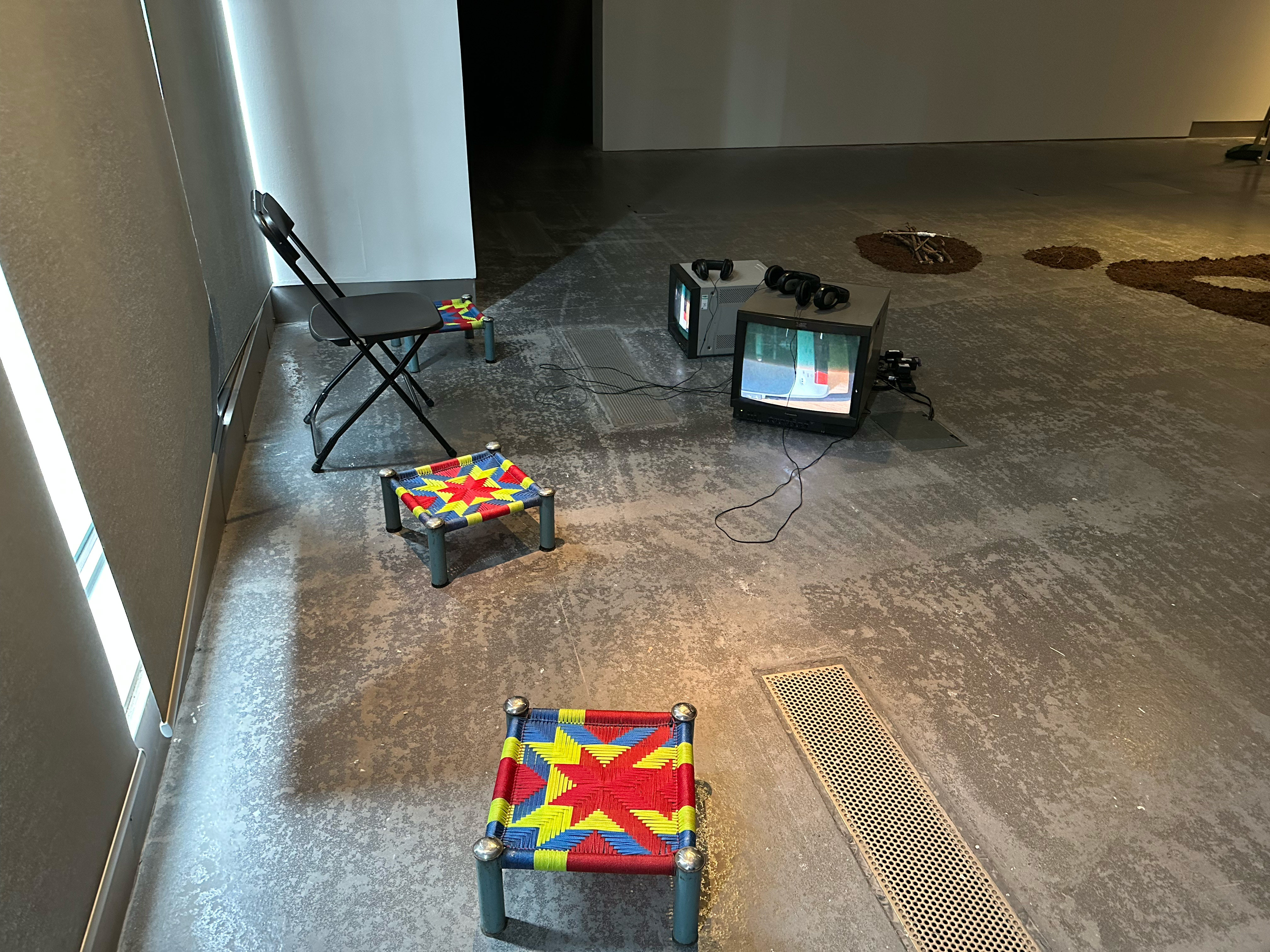

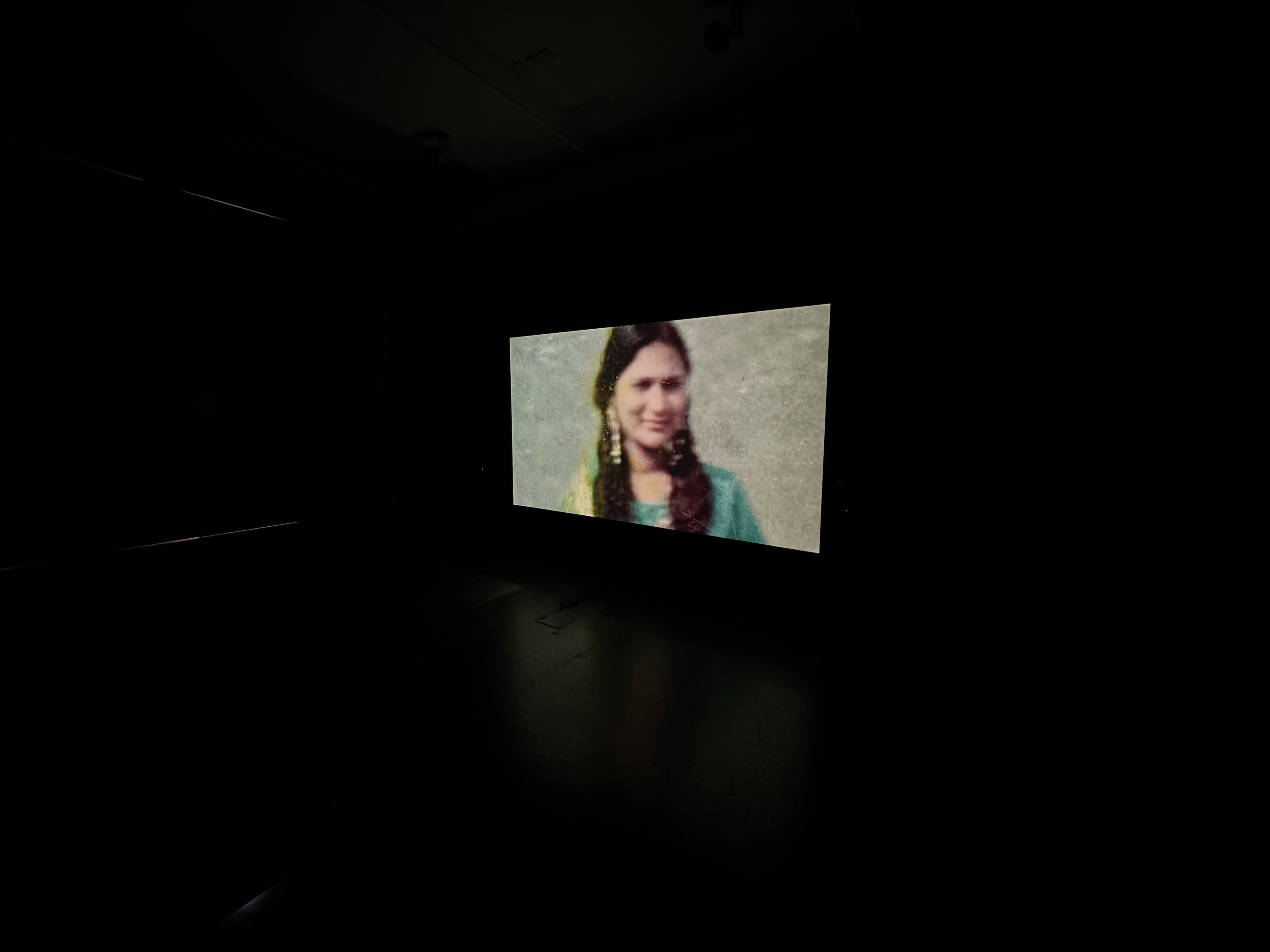
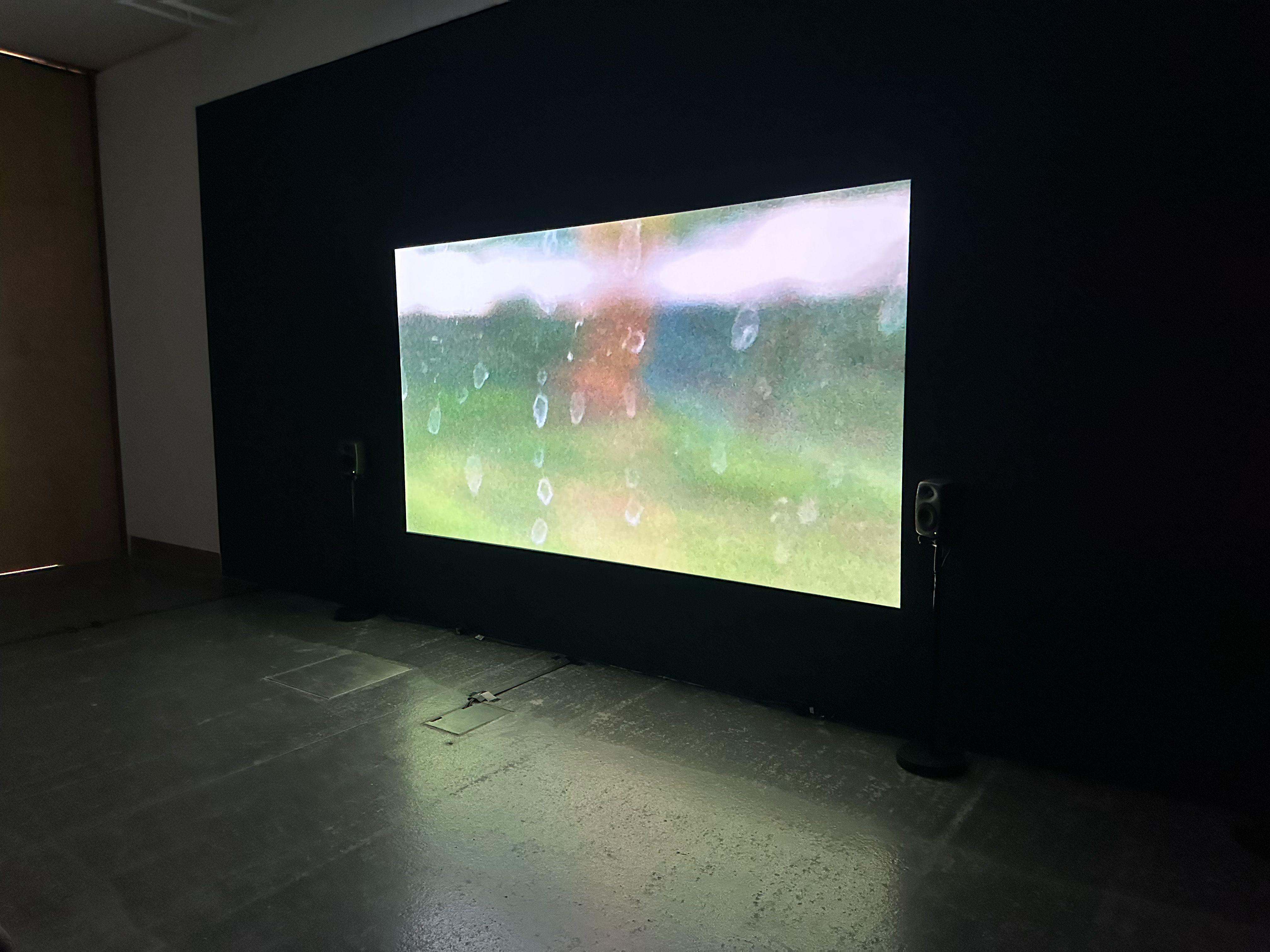

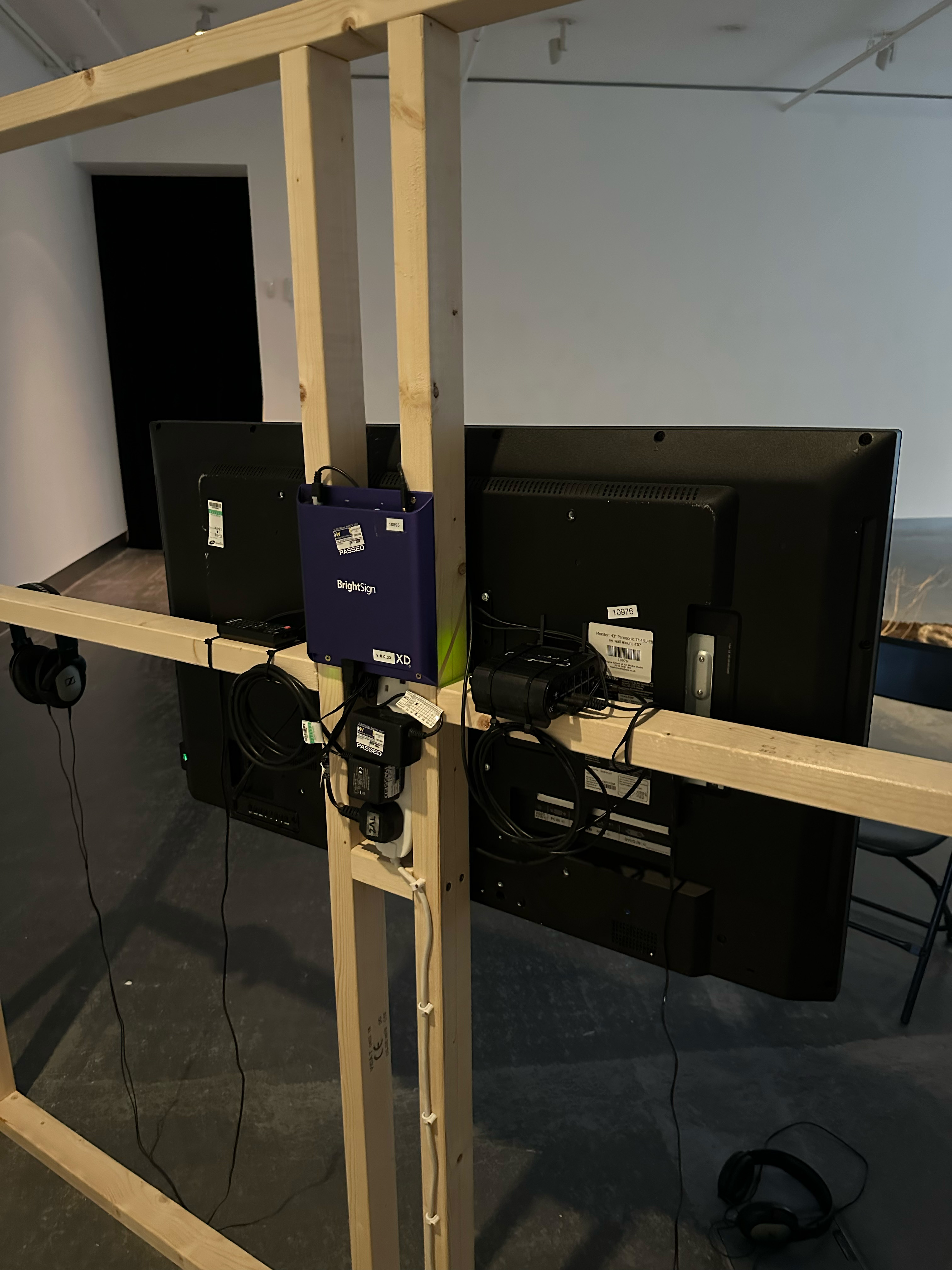

Week 2
Introductions
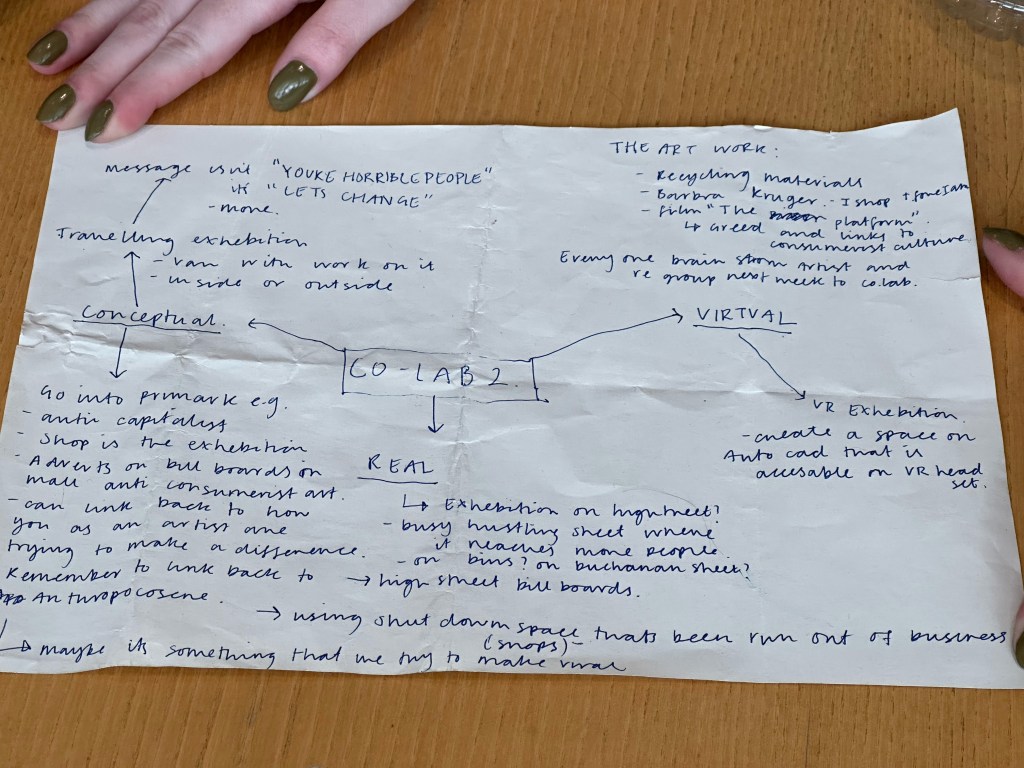
We’re now in our smaller project group, (group ARR: Milana, Alanya, Molly and Yaney). We seem to work well together and all give input for our mind map/ initial concepts.
After our discussion, it became apparent through the mind map and having a chat that we wanted to take the exhibition out of the traditional space as much as possible. So the idea of a ‘travelling’ exhibition was decided on, with the concept in our mind of using gorilla marketing tactics, putting anti-consumerism art in shops like Primark so that we would reach the correct audience. If we get into trouble then plausible deniability.
Padlet made for the project

Week 3
This week I have been horrible at the documentation. Personally, I feel like I have lost a bit of steam and momentum; I feel like I’m the only driving force doing research and coming up with ideas for the direction of this project.
Group ARR Presentation and feedback
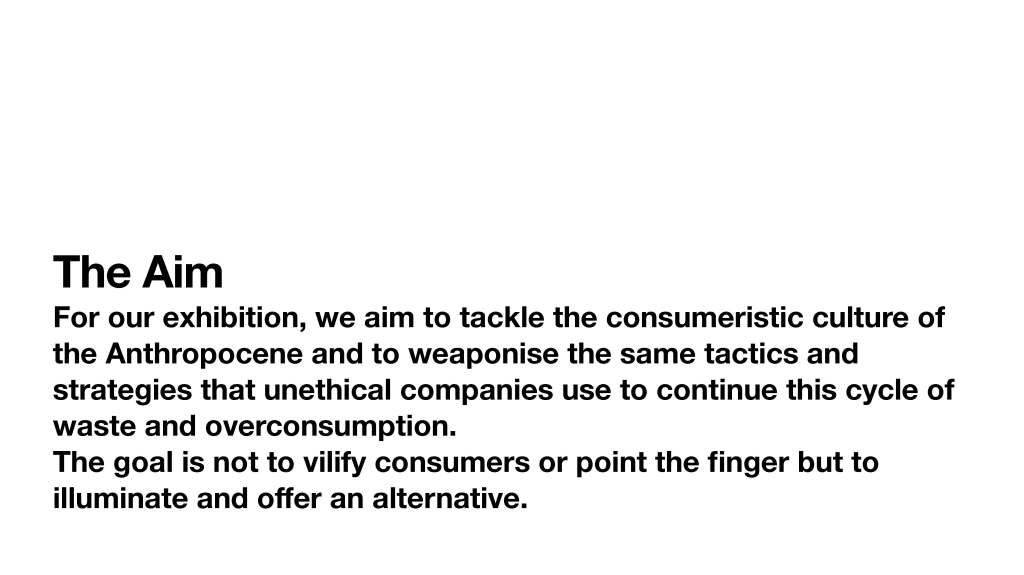
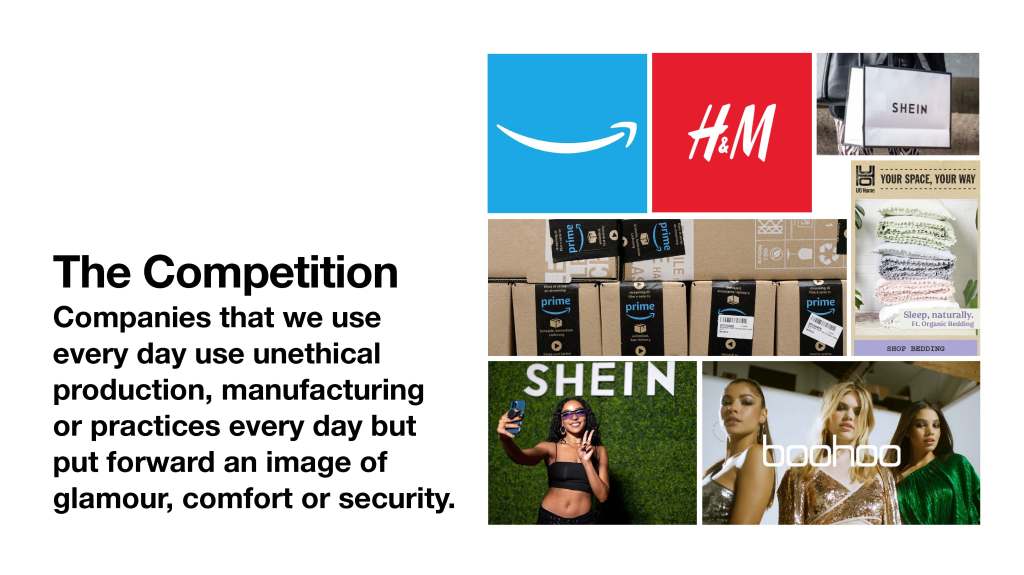
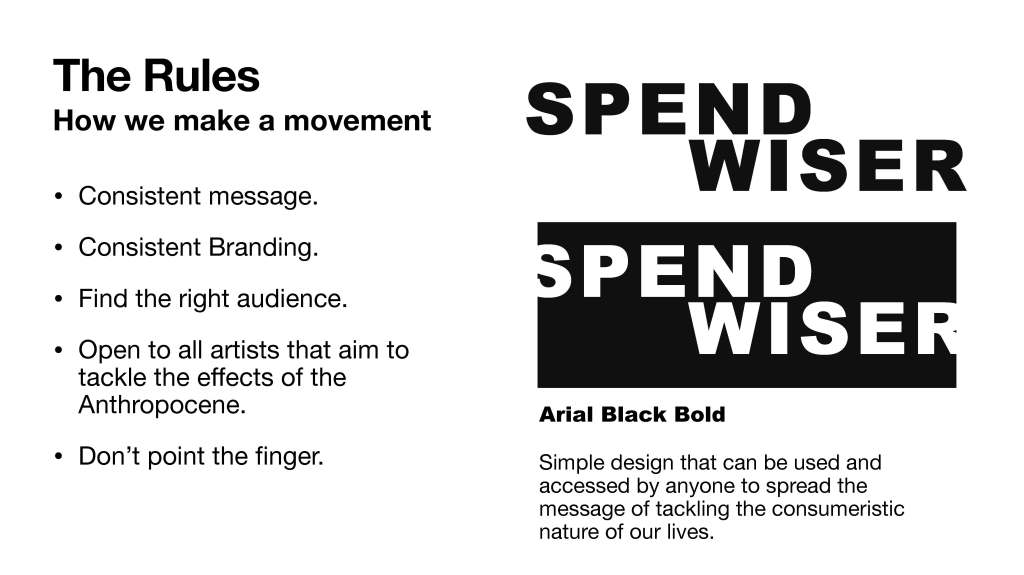
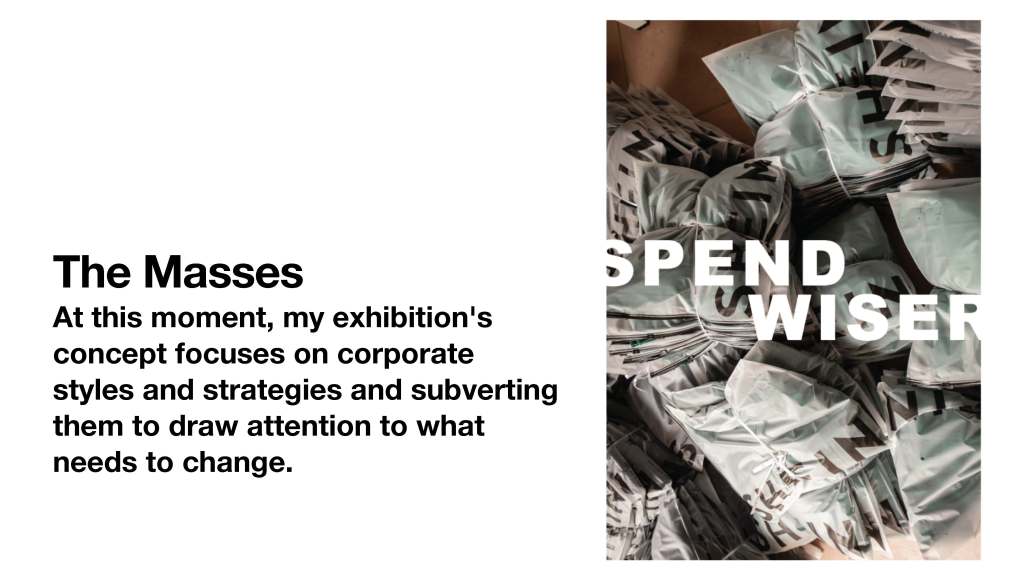
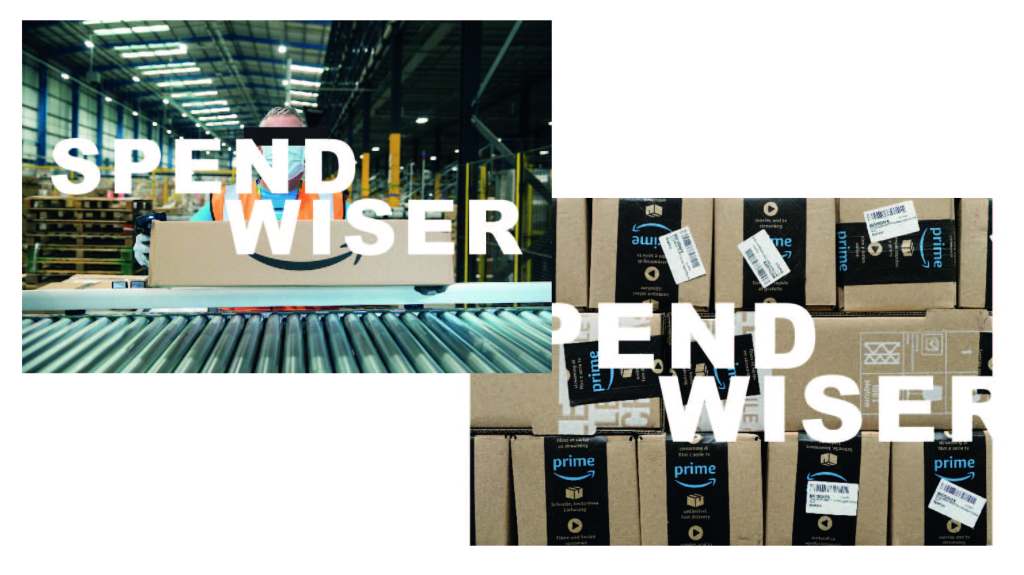
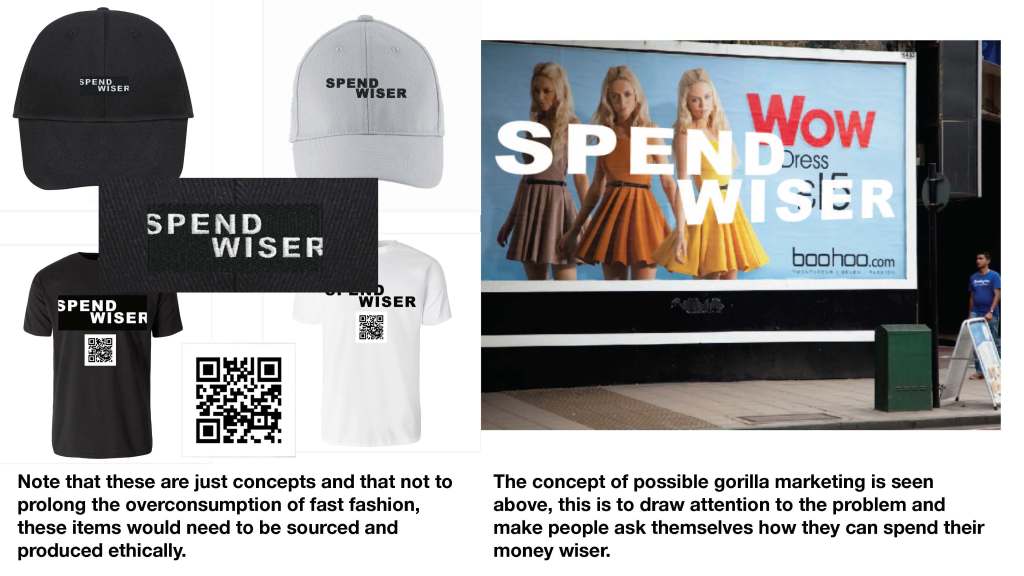
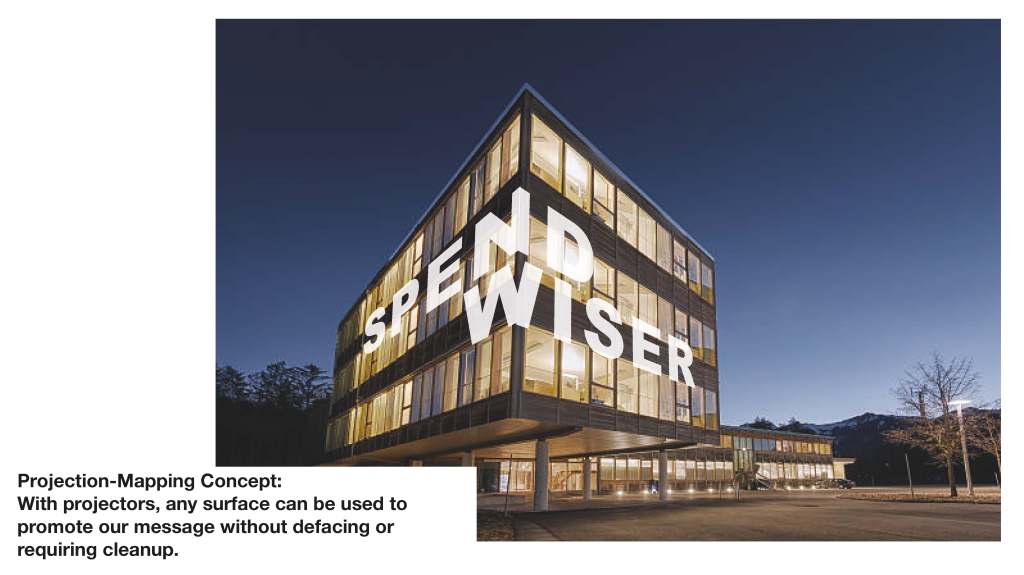
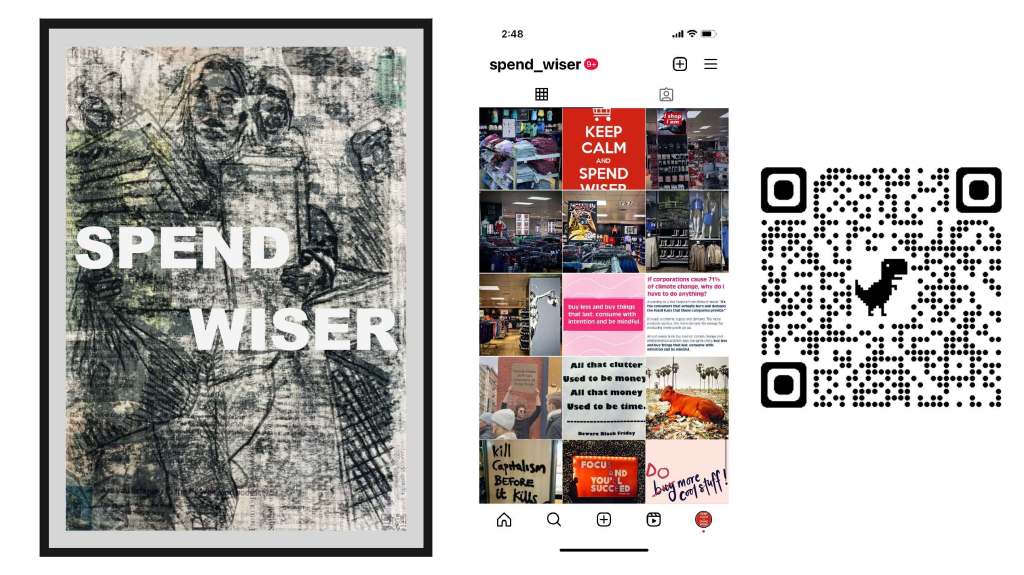

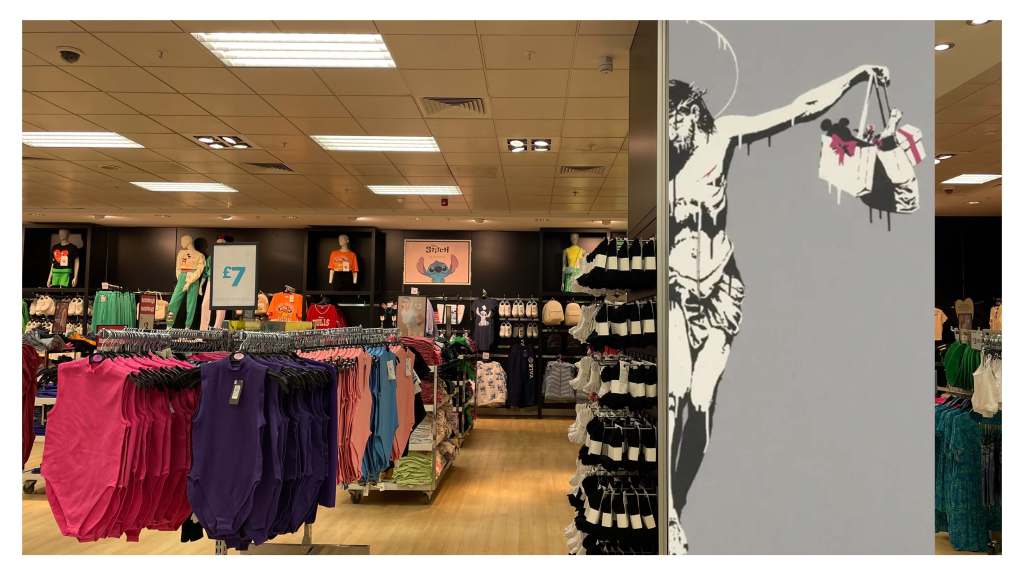
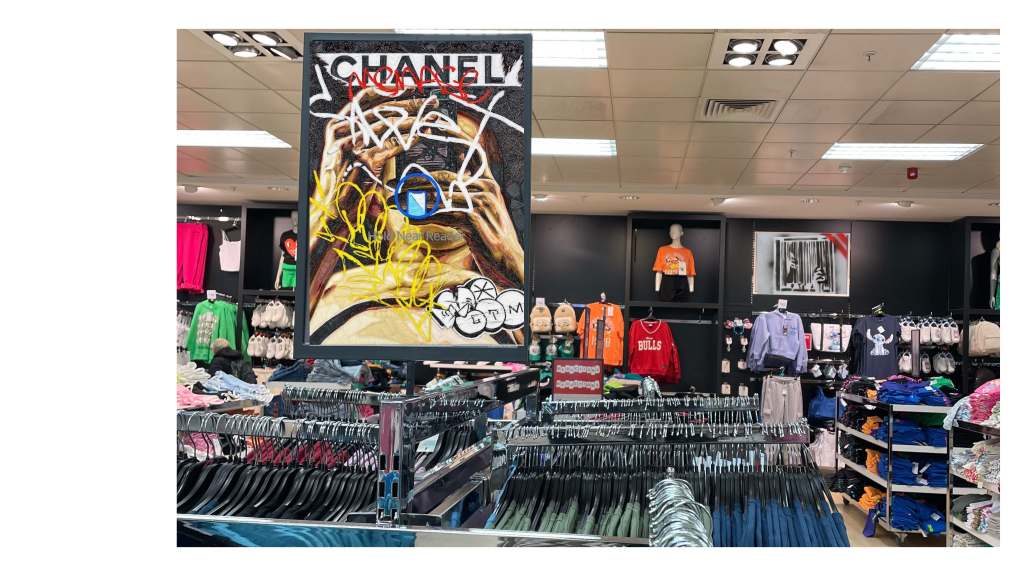
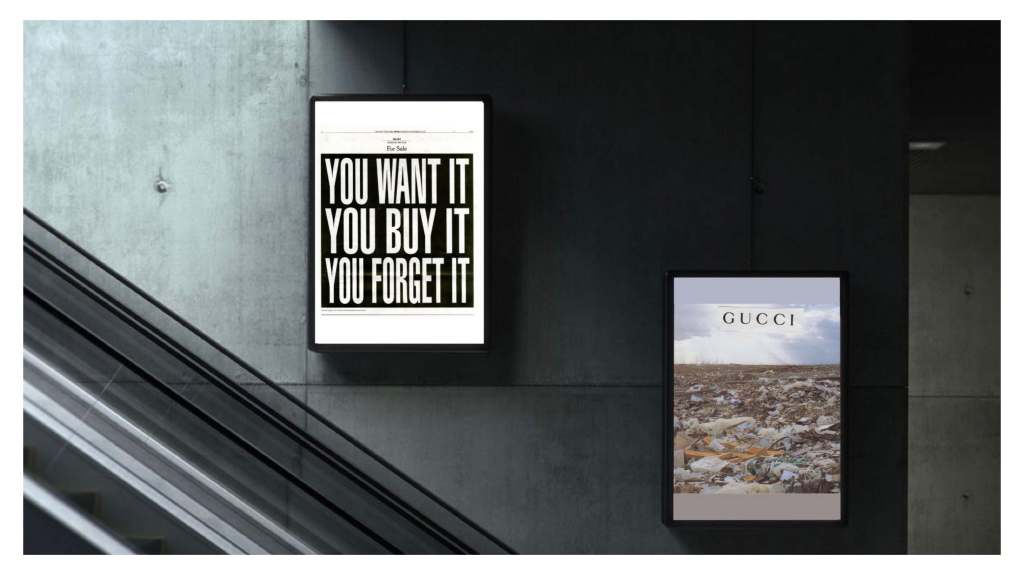
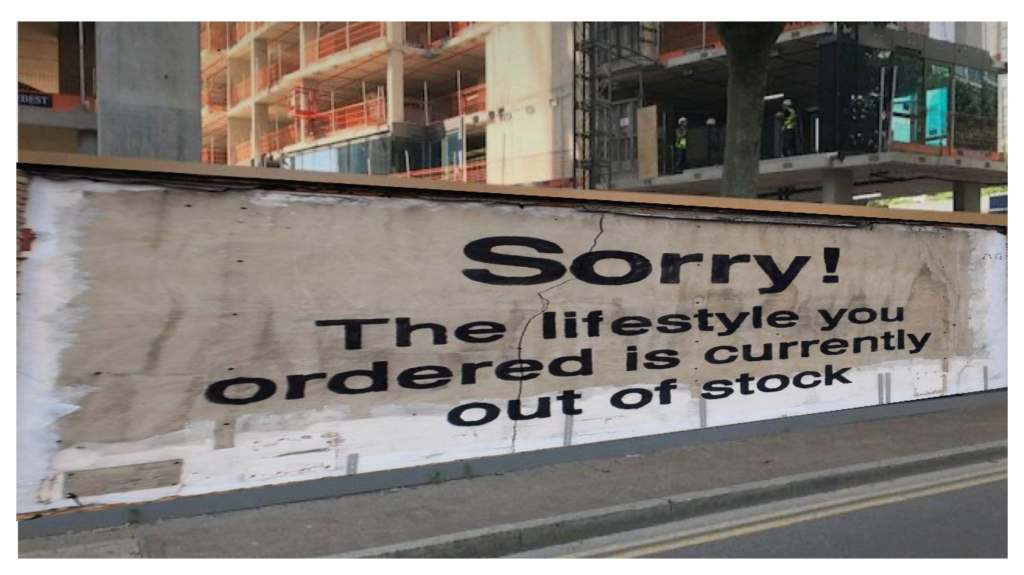
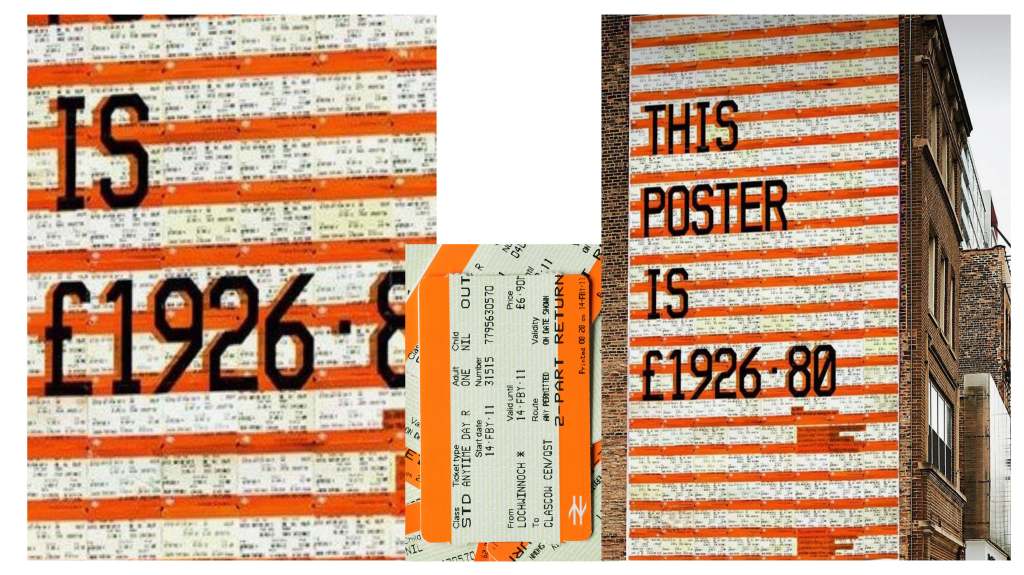
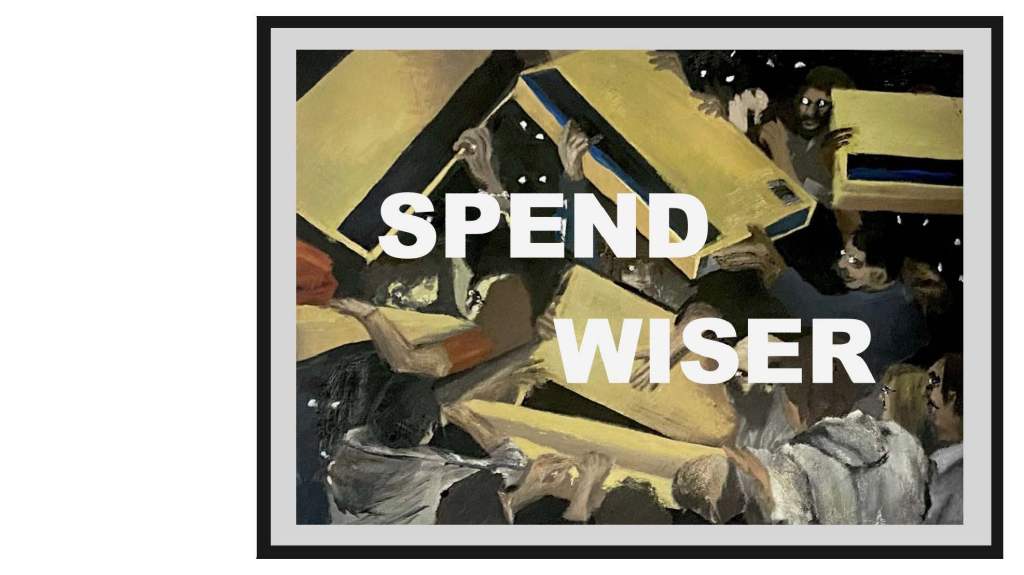
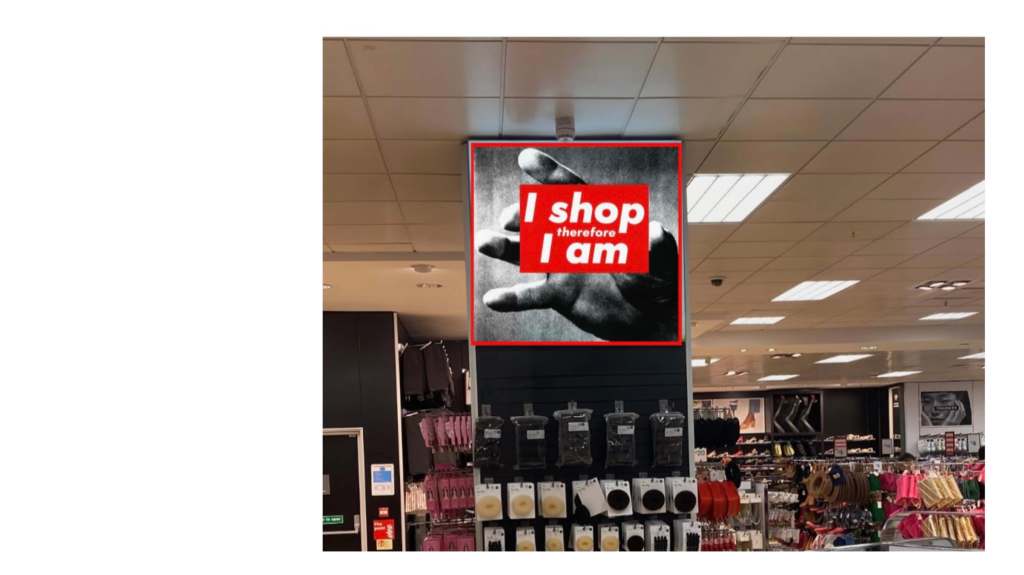
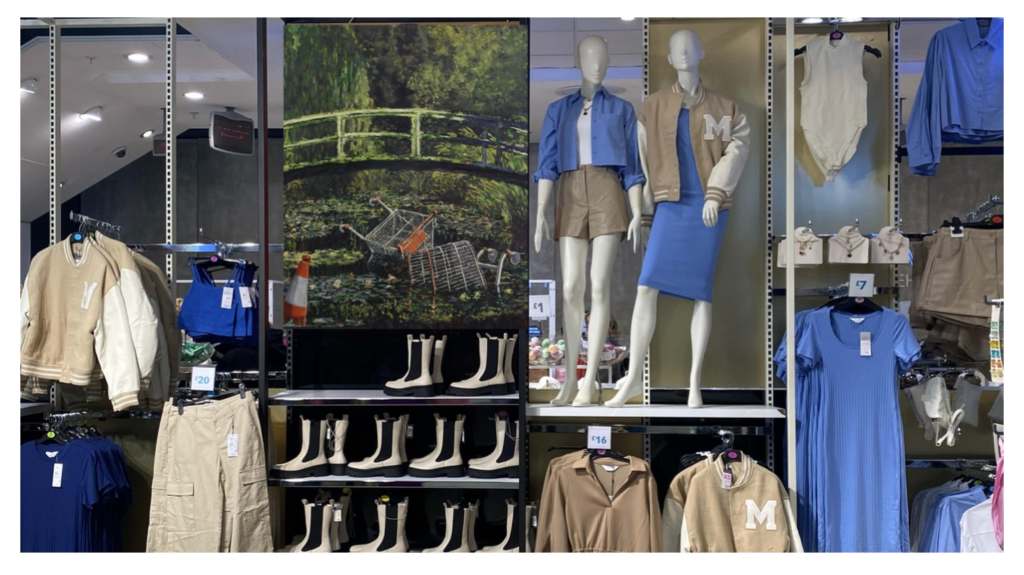
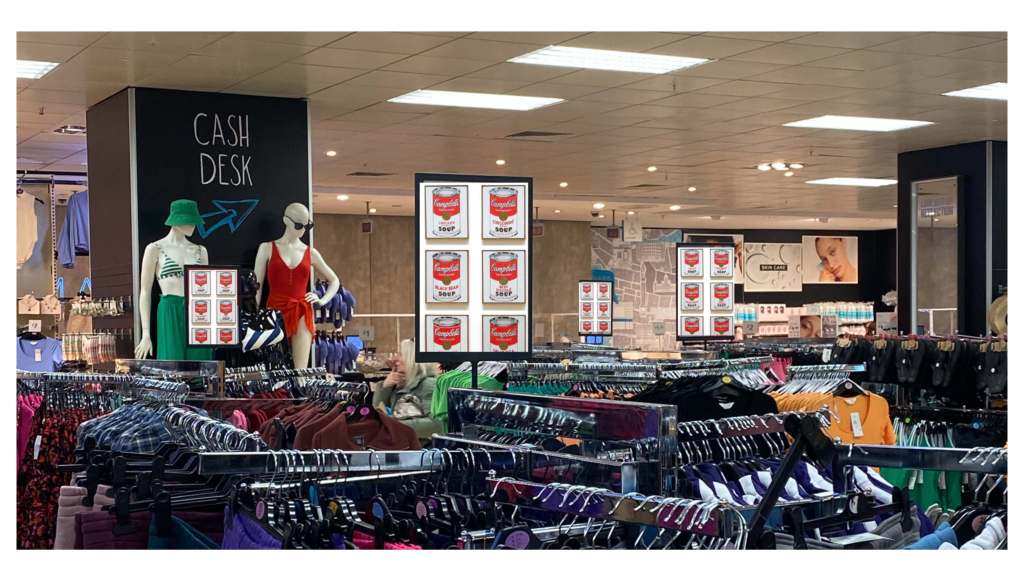
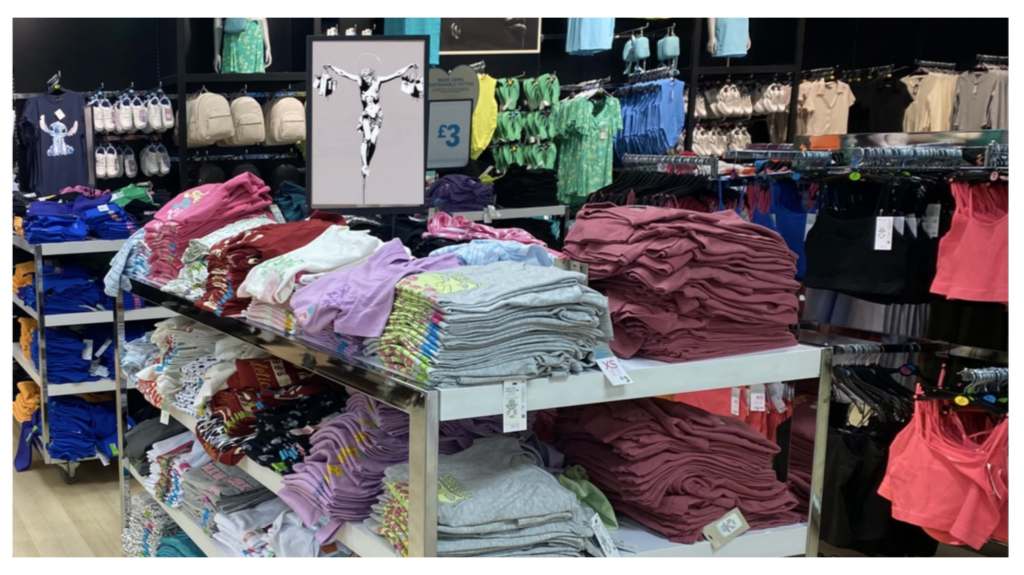
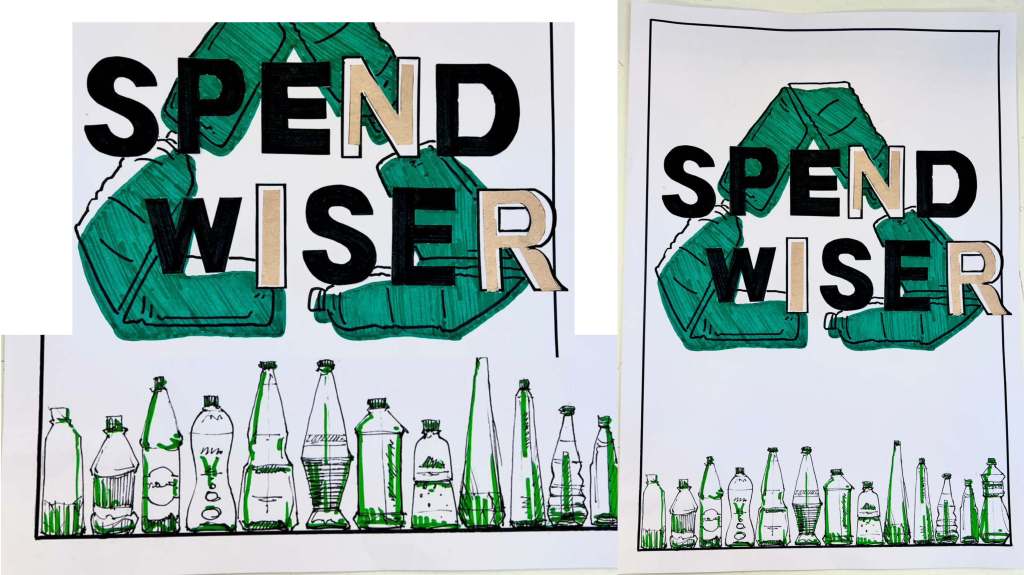

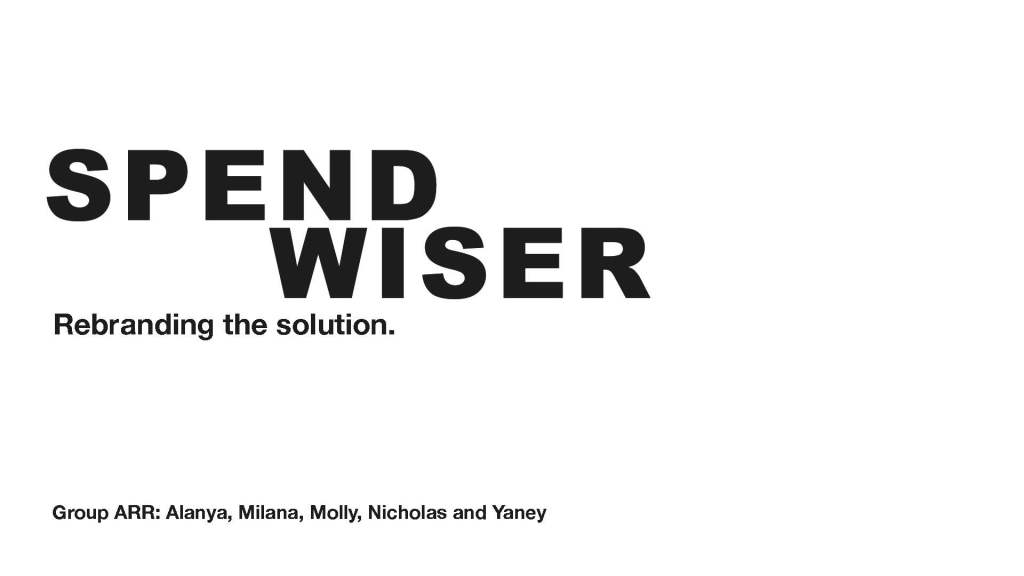
Above are the slides used in the progress report/feedback.
There was some helpful feedback from Michael and John on the project and on other things to look into, but with the essay still to write and the last week already allocated to finalising the exhibition this feedback will most likely inform my reflection, ideas and further research if this project was to go further after the Co-Lab 2 deadline.
Week 4
Exhibition iteration one
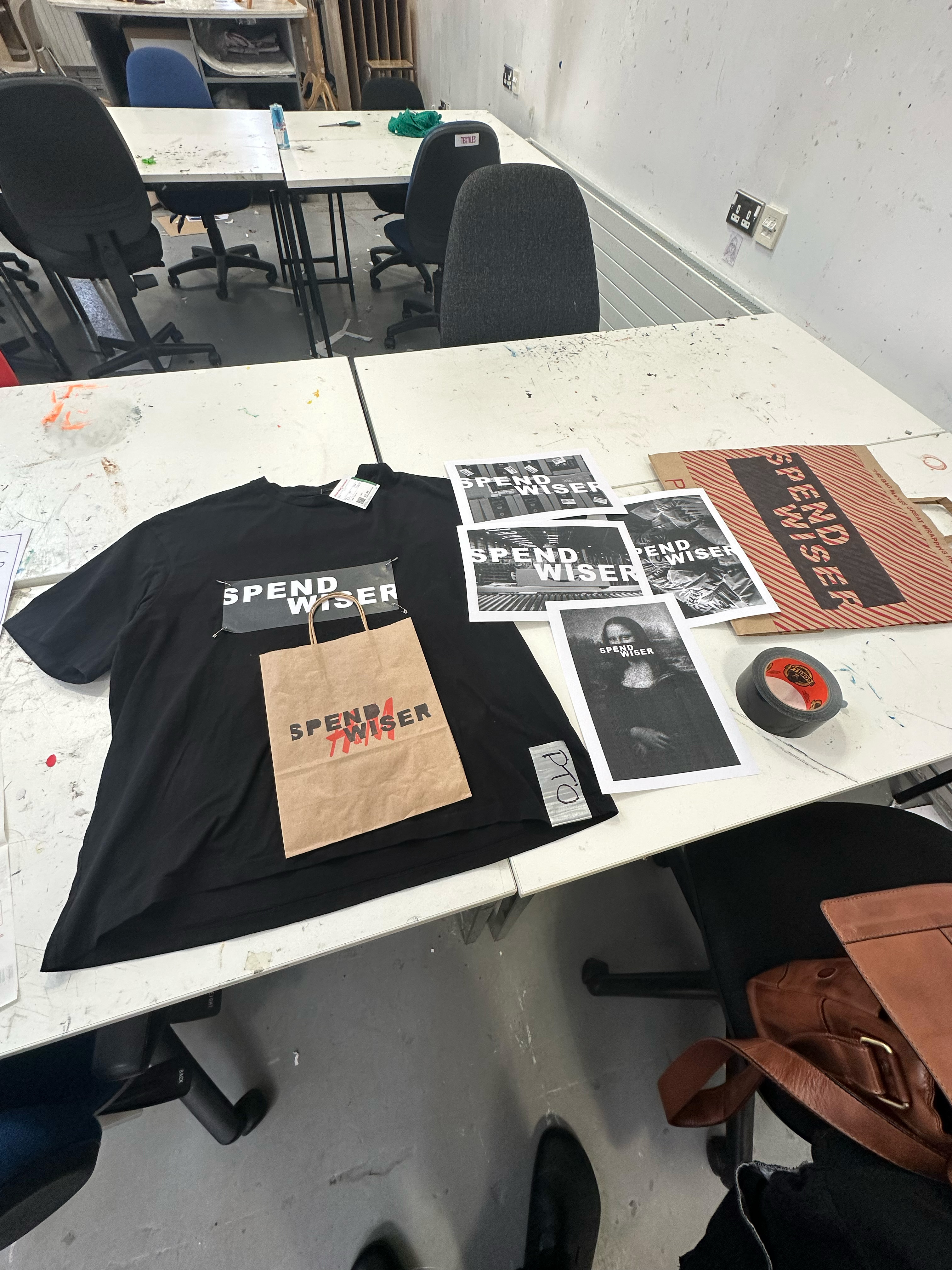

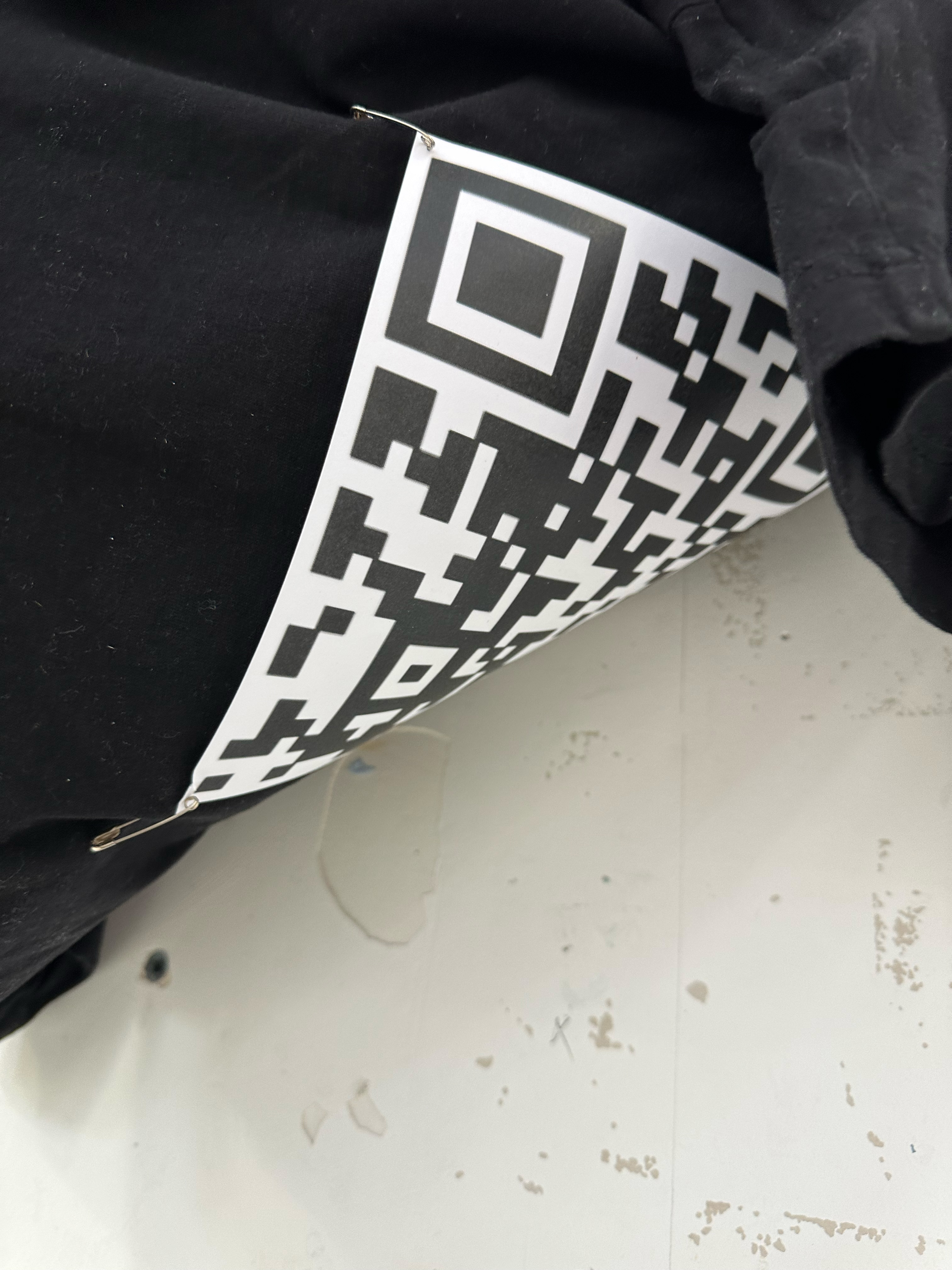
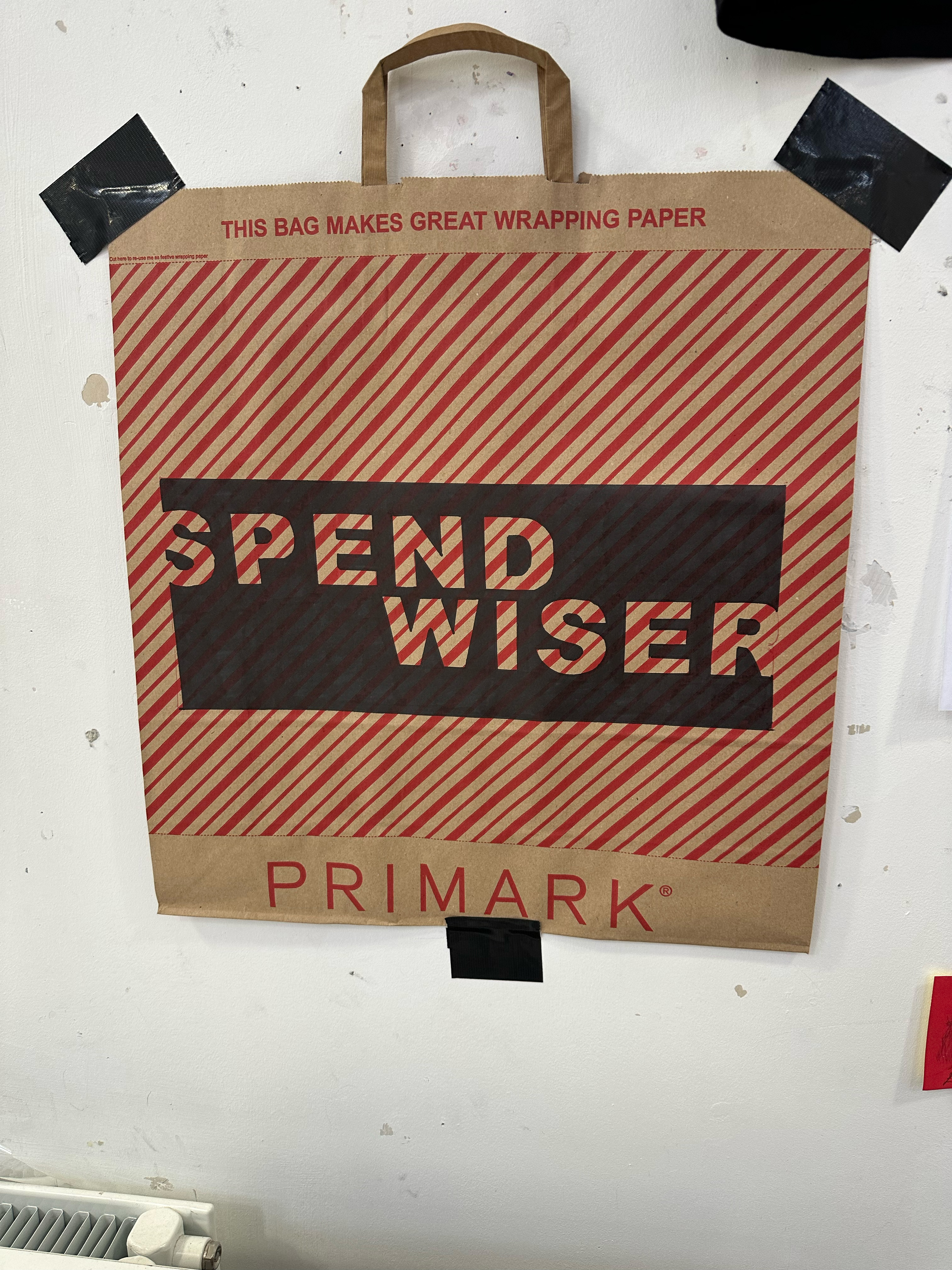
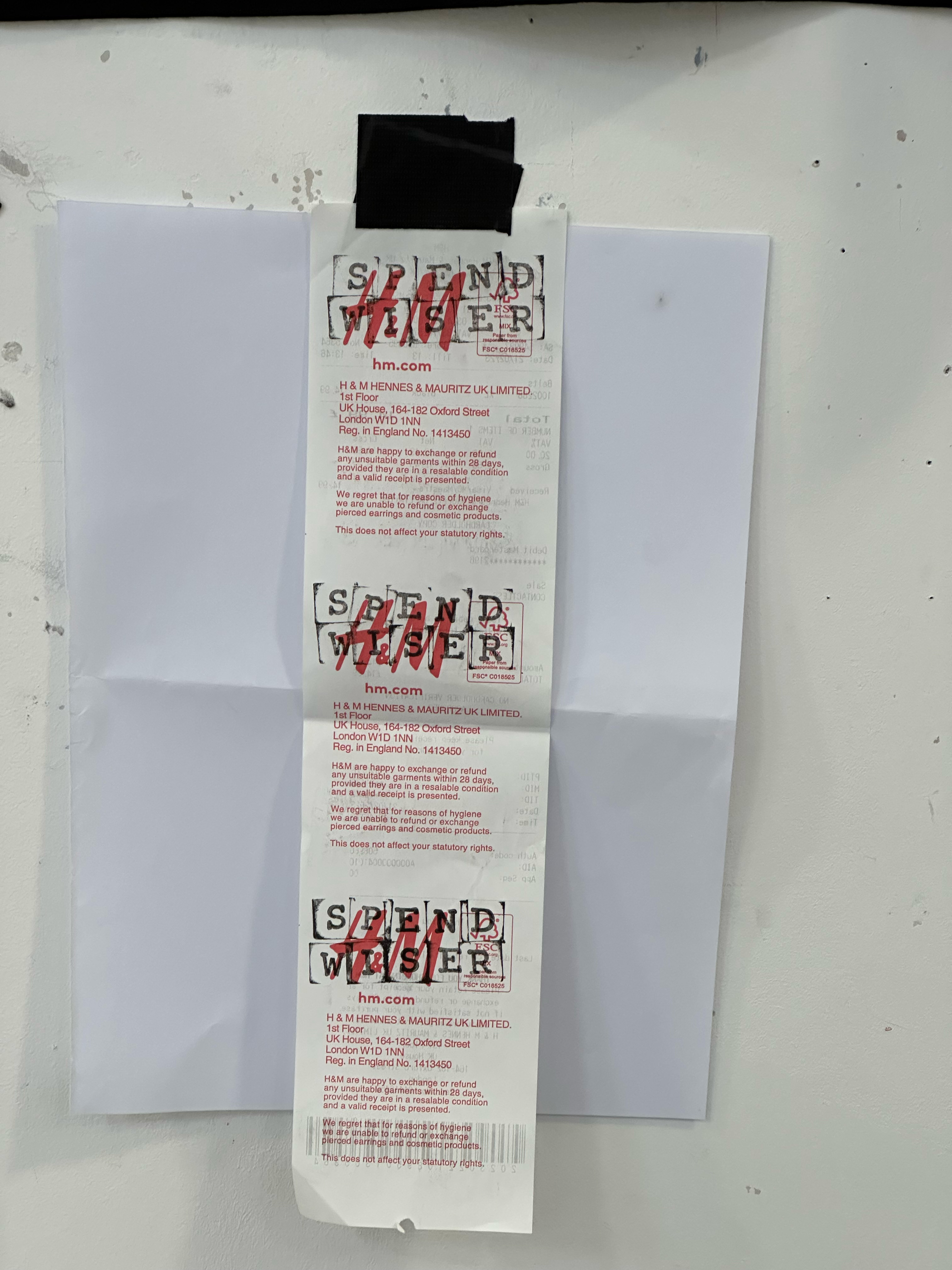
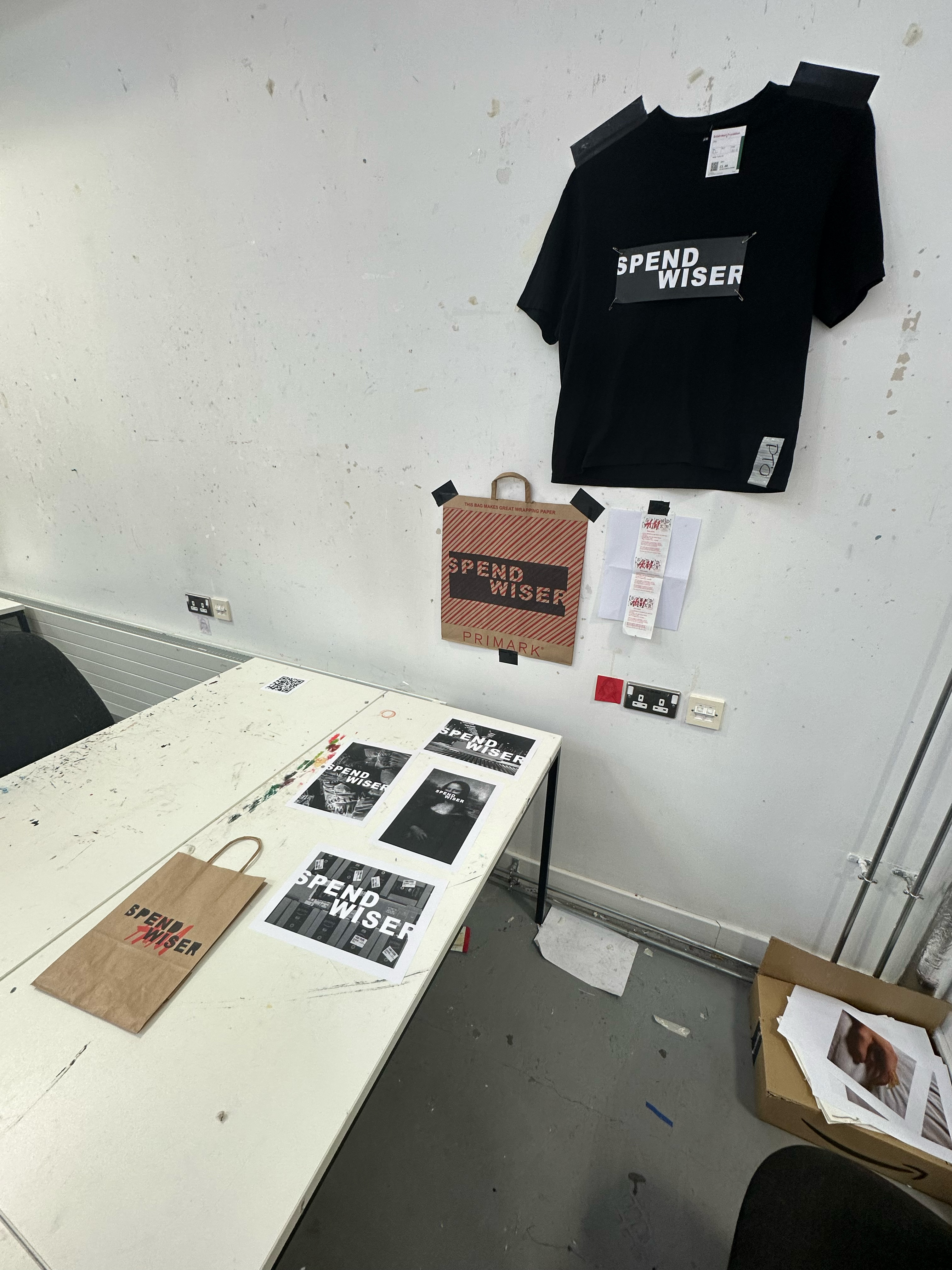
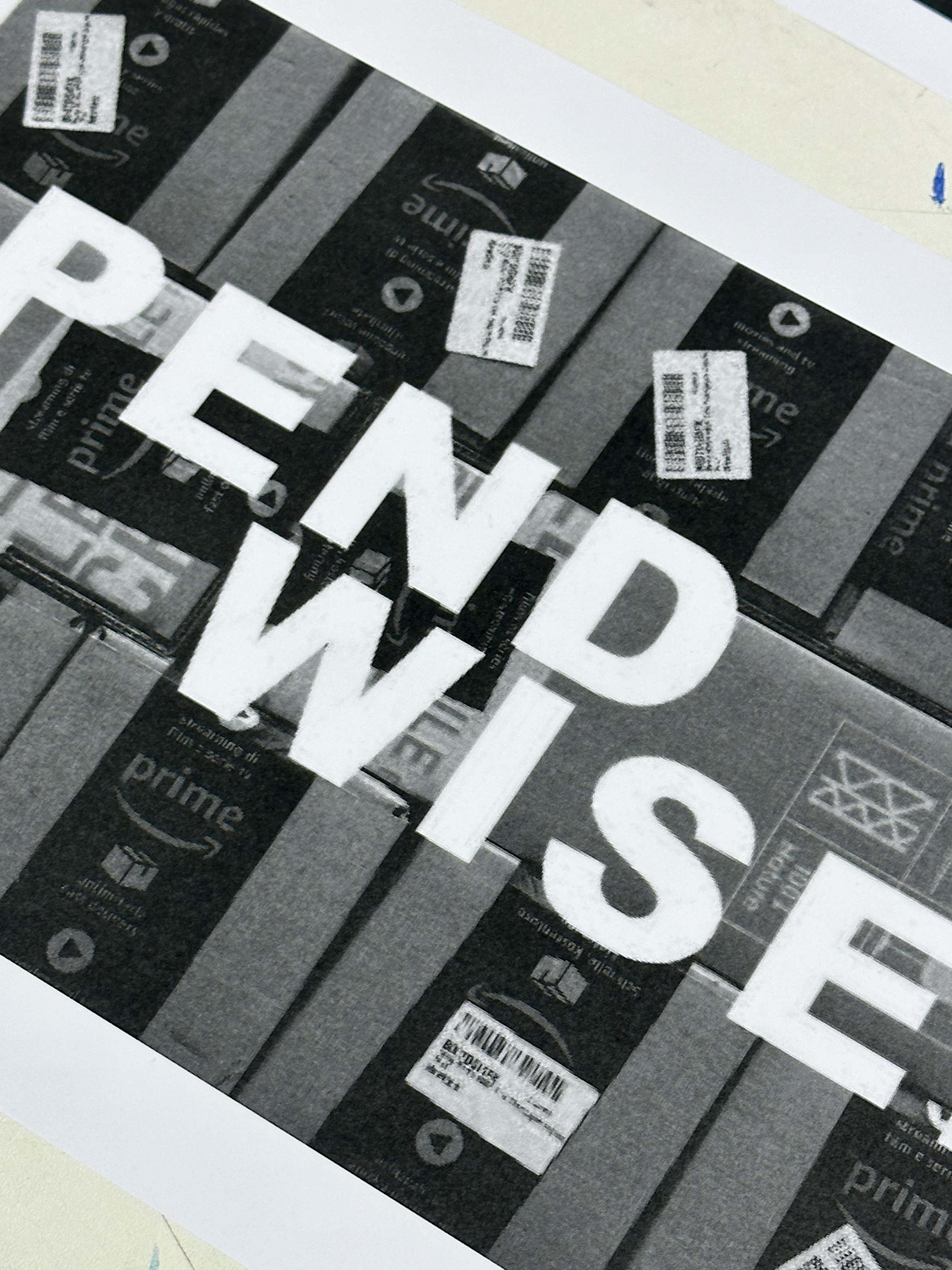
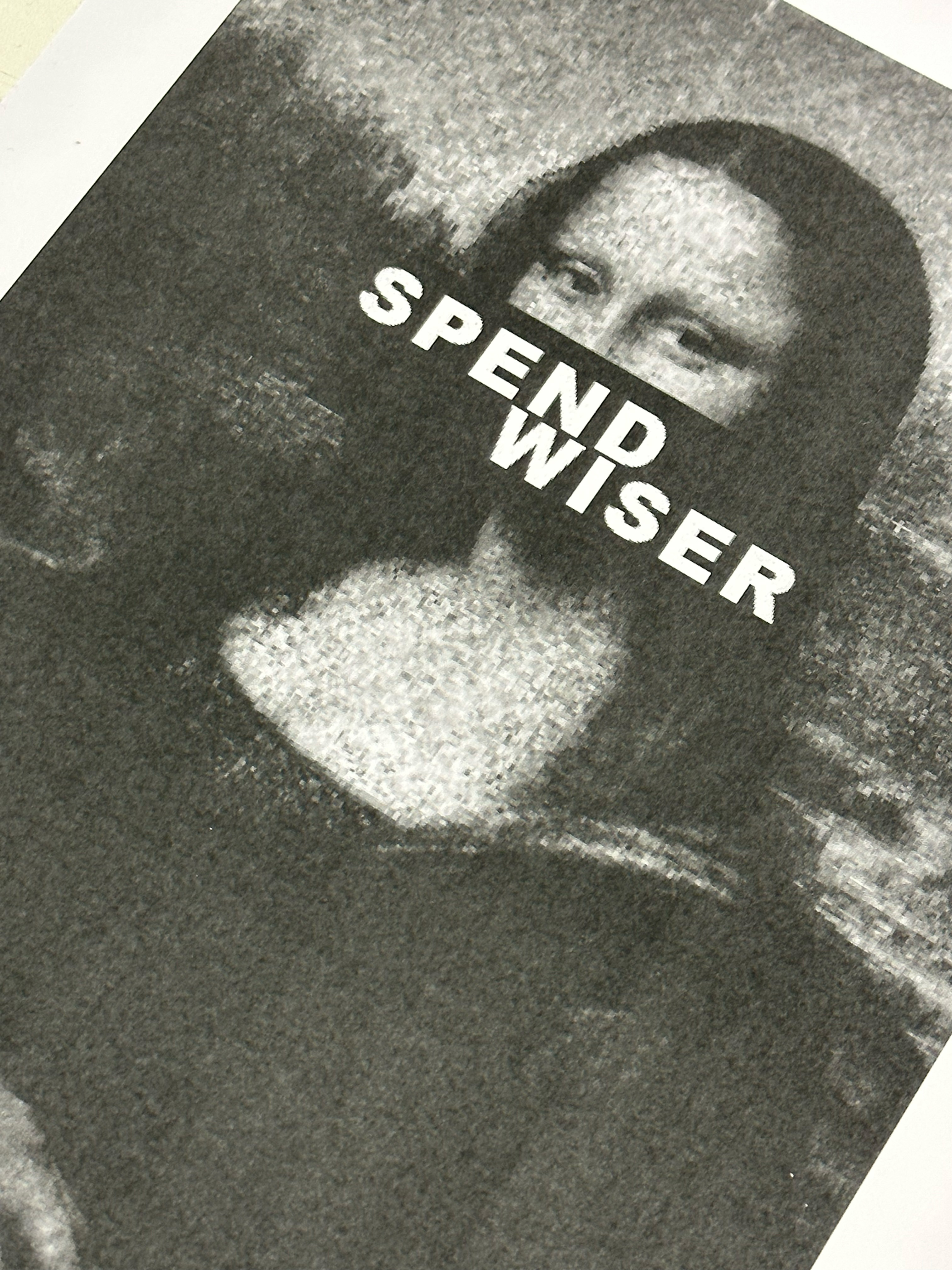
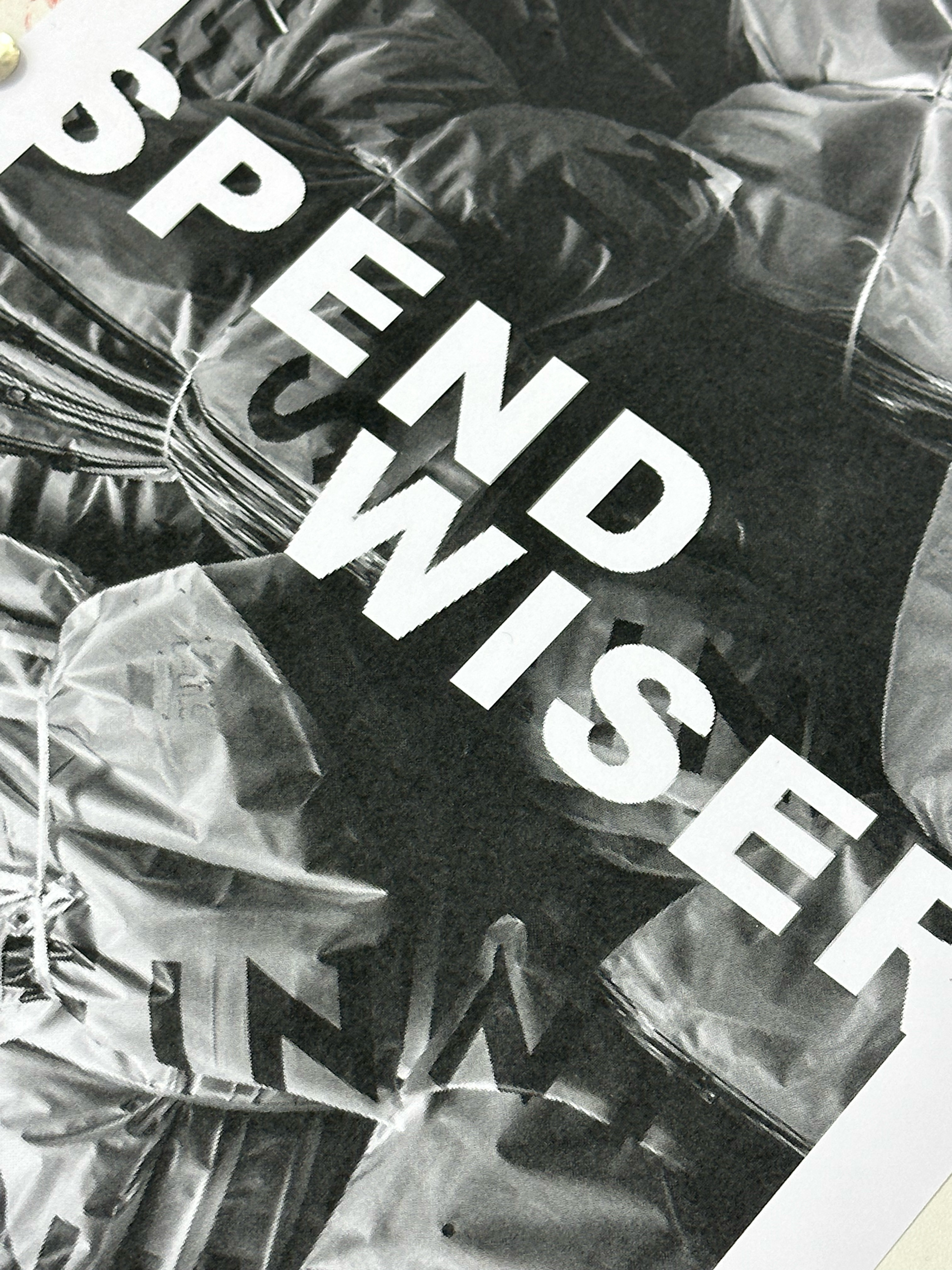
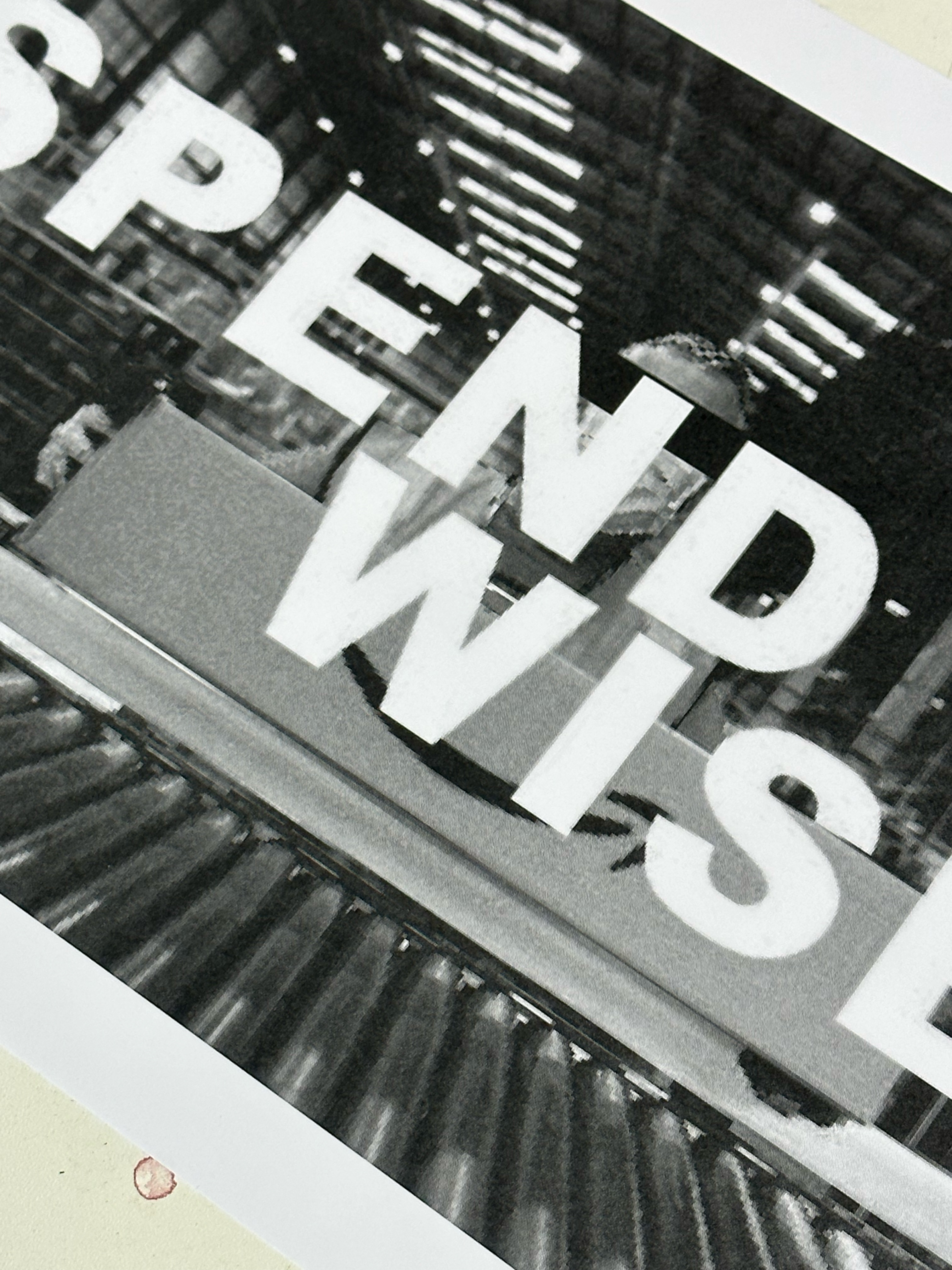
This was just the first iteration of the exhibition I had set up in the Haldane studio before some helpful feedback from Alanya to really make it more appealing, as seen below in the final.
I initially intended to have a projection at the space’s back wall with a live feed of the Instagram page so that people attending can see the numbers and interaction with the page go up as they like, share and follow it. But as there was not much foot traffic in the space I decided against having the projector.
Final Exhibition

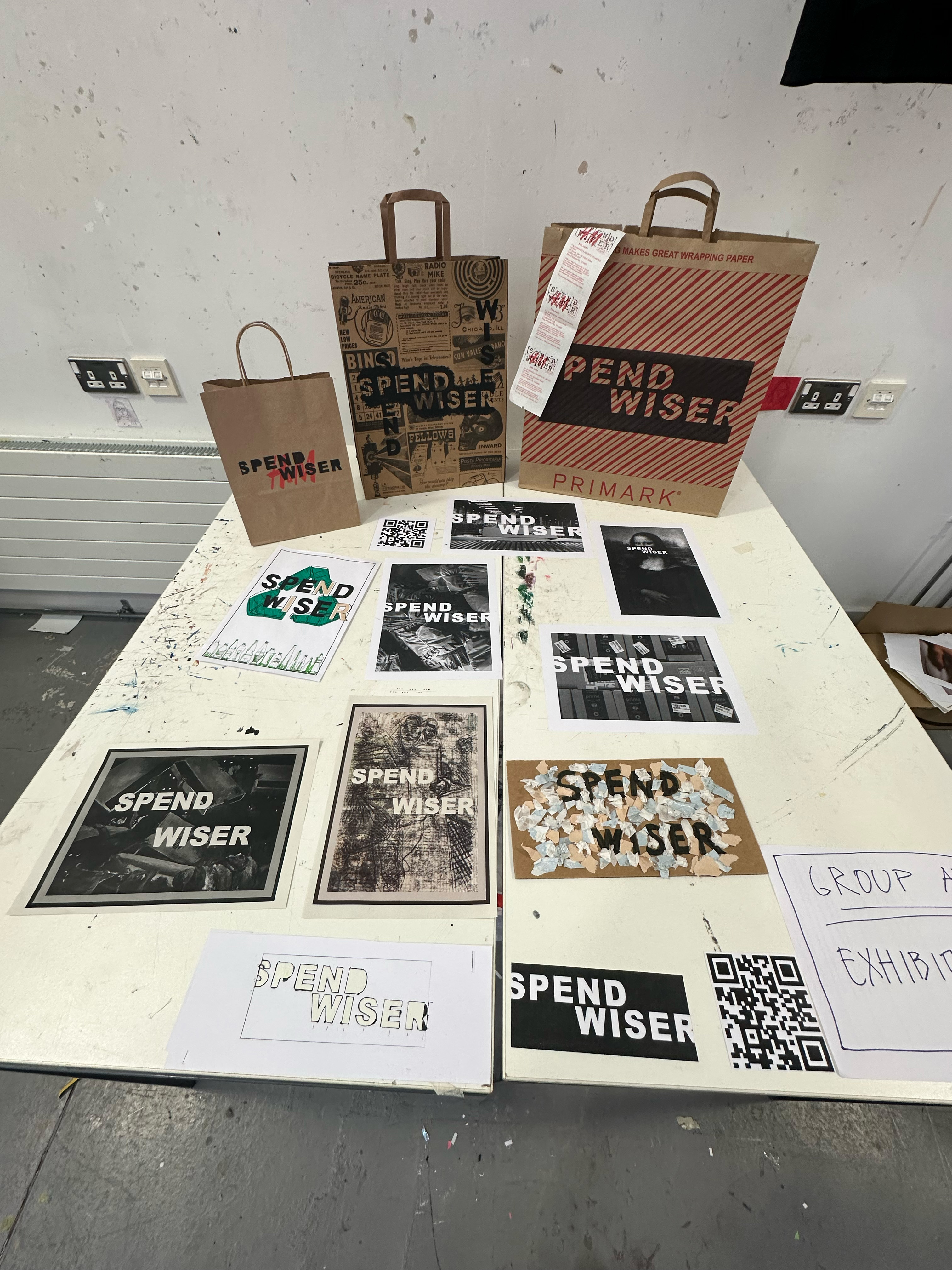
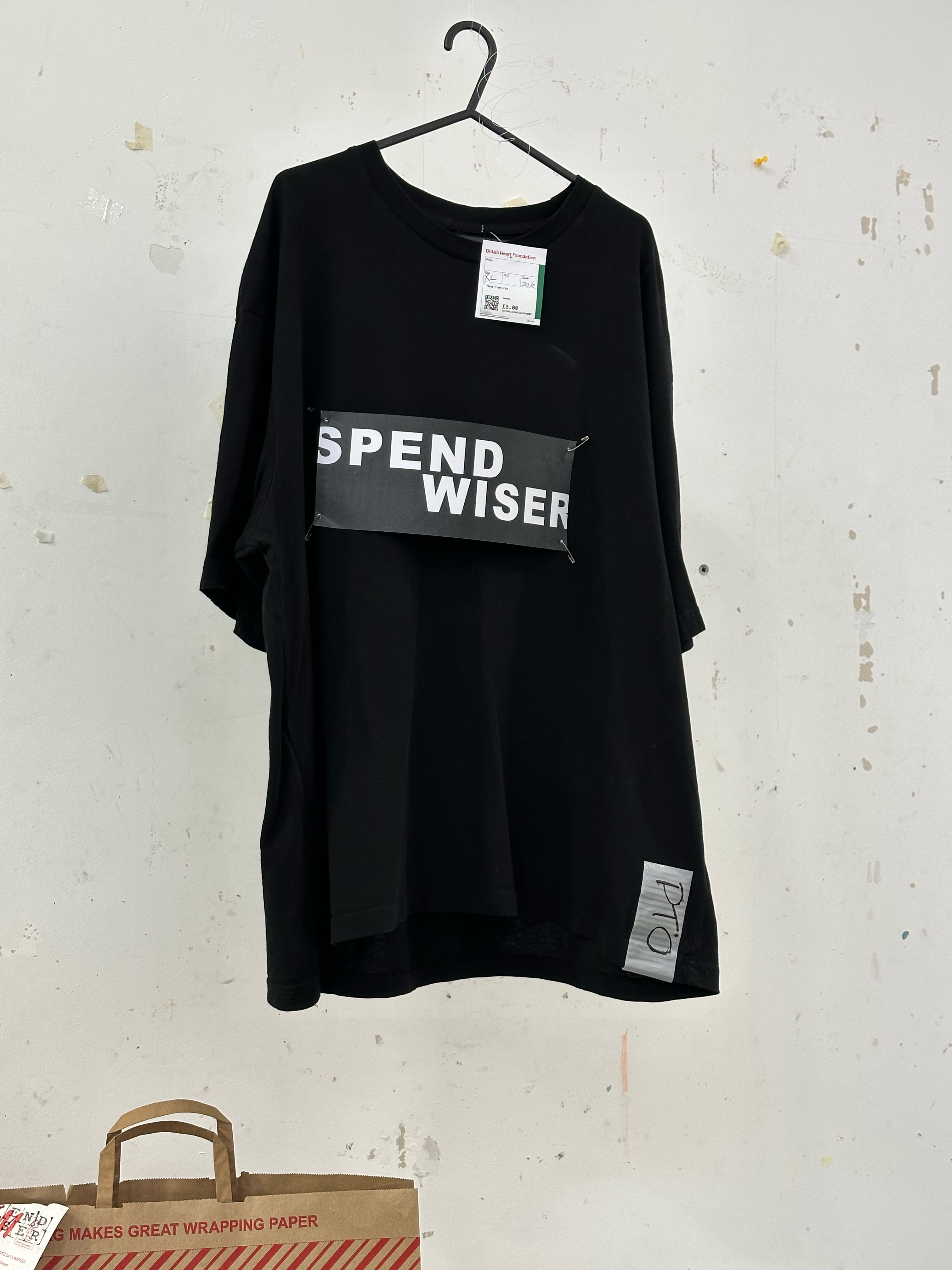
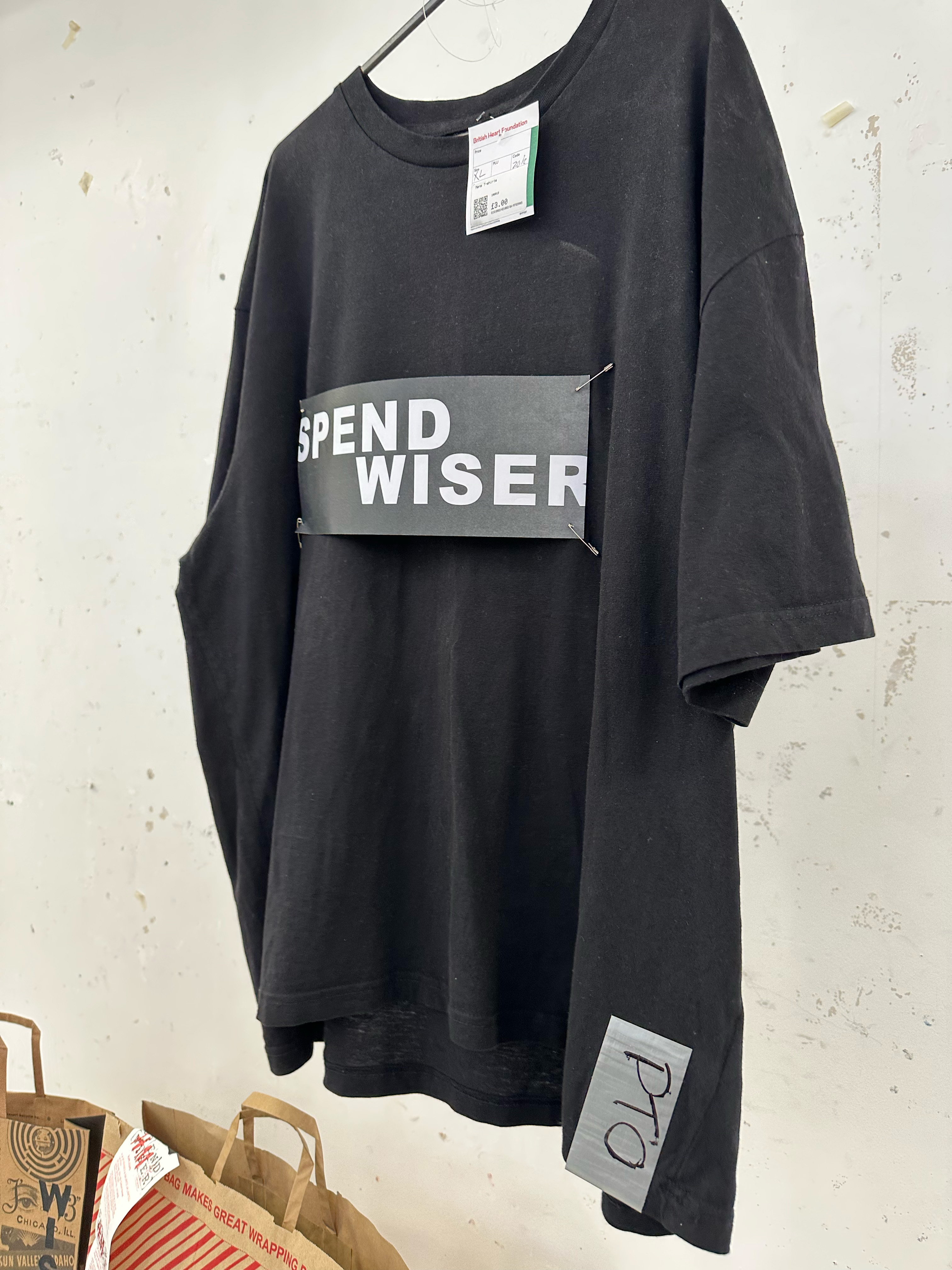
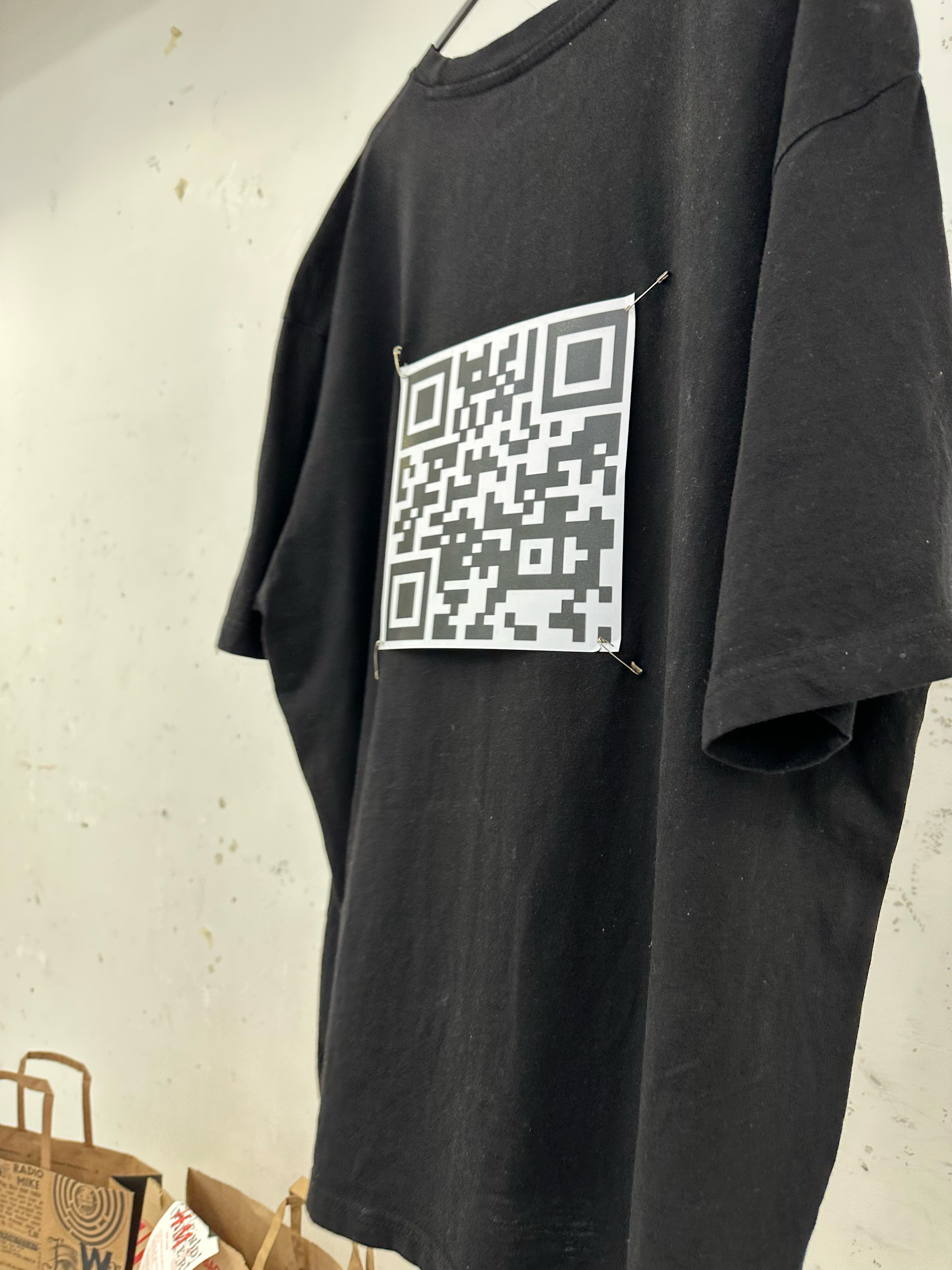

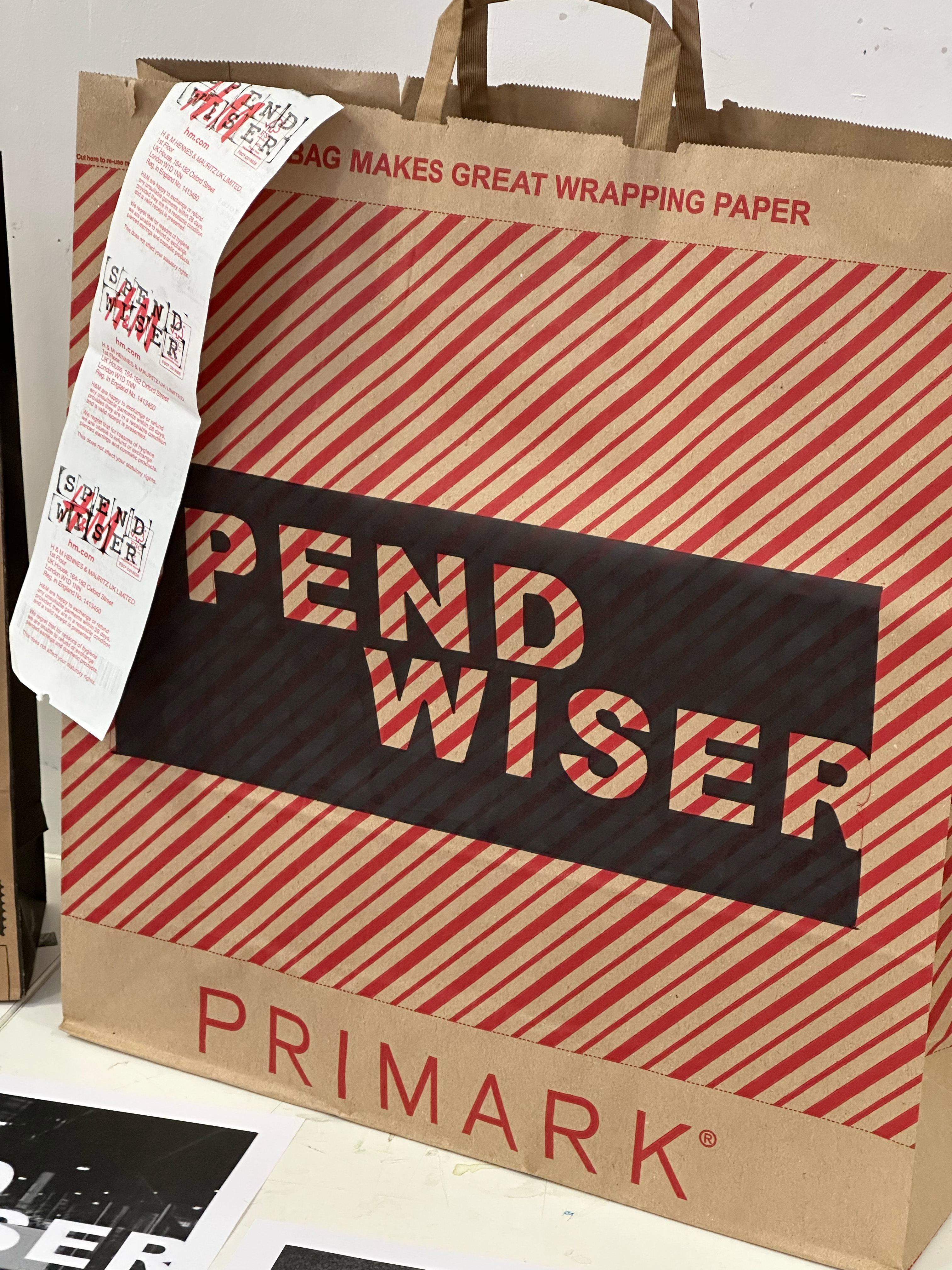
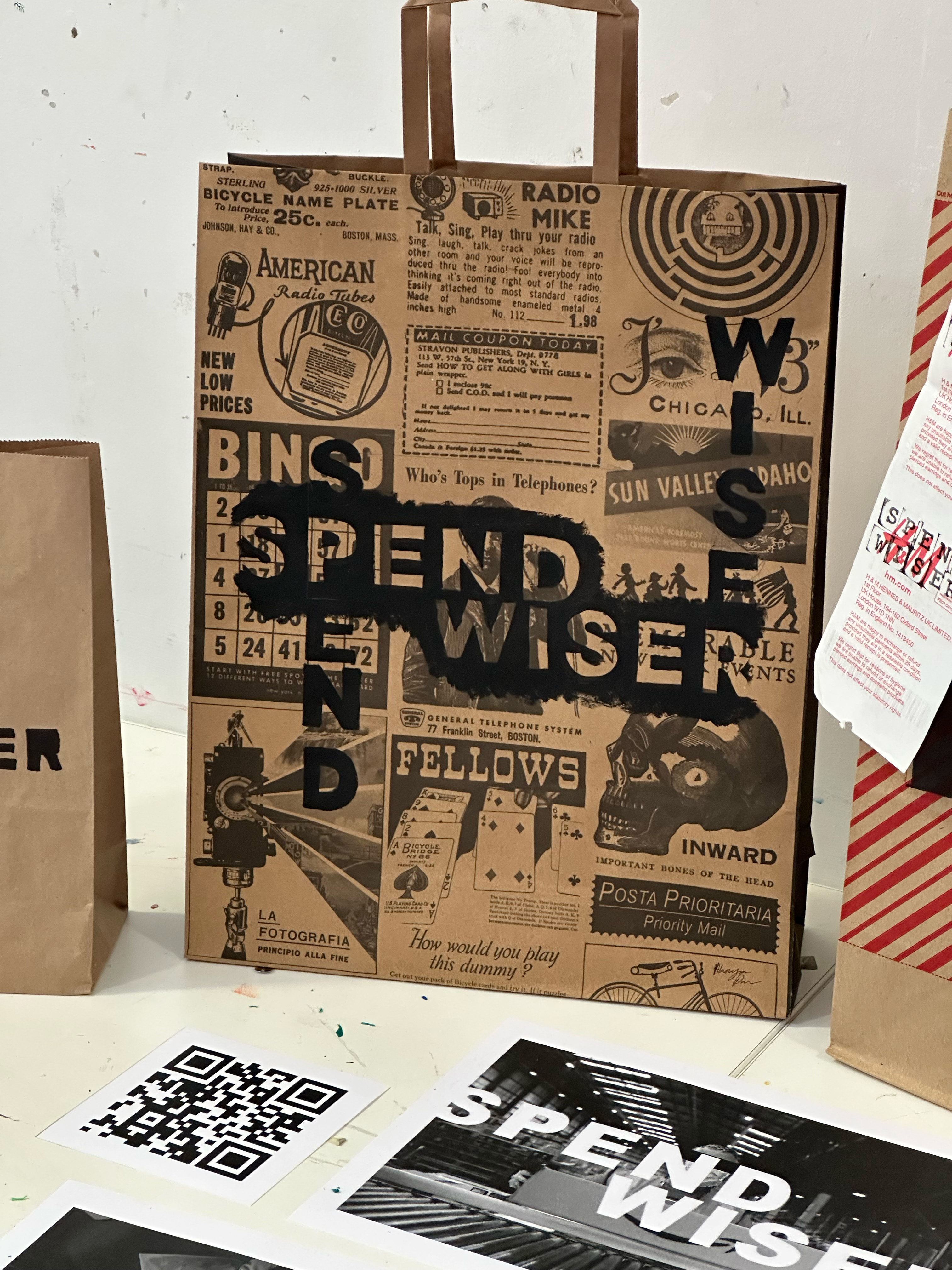
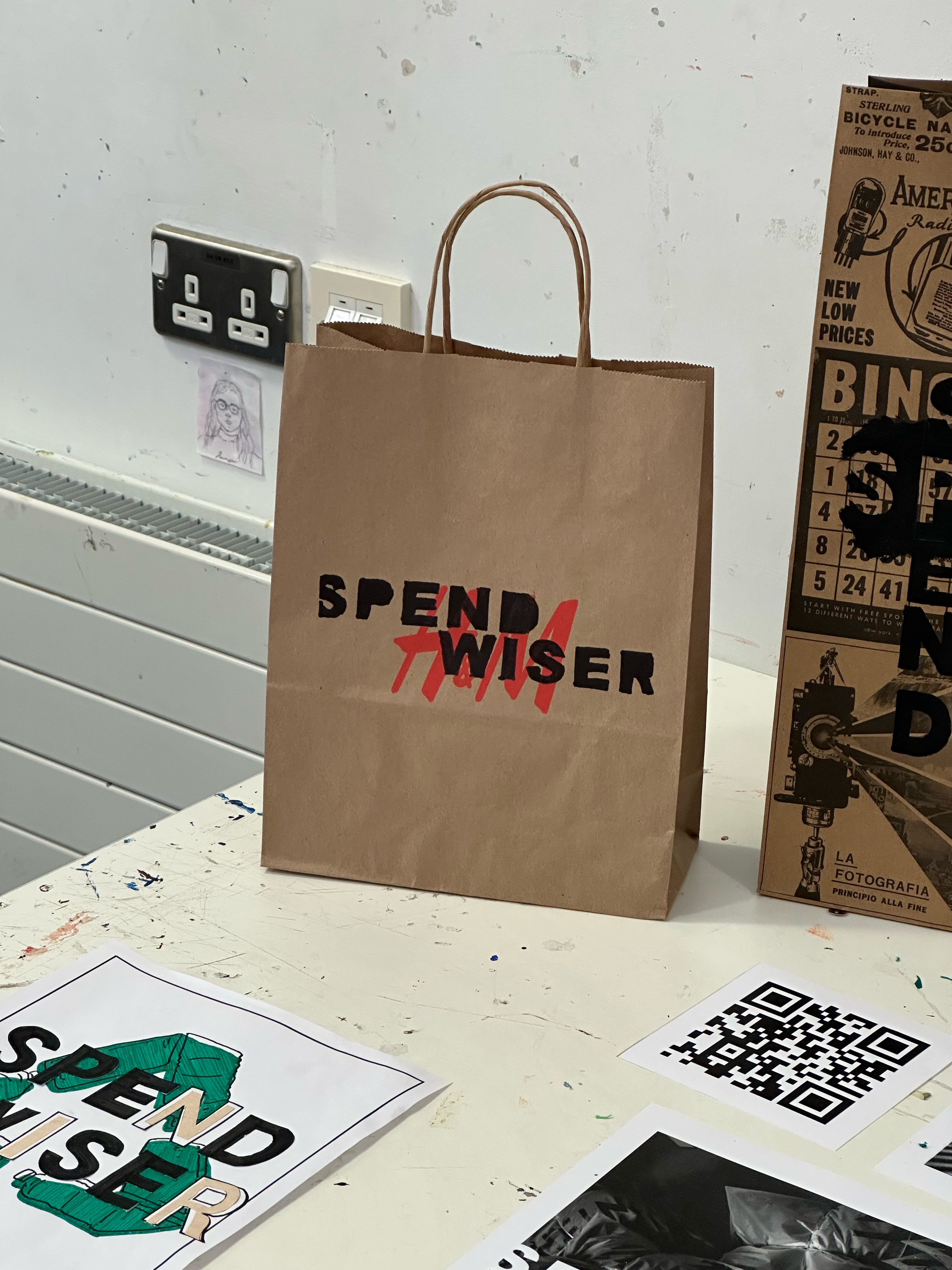
Final exhibition
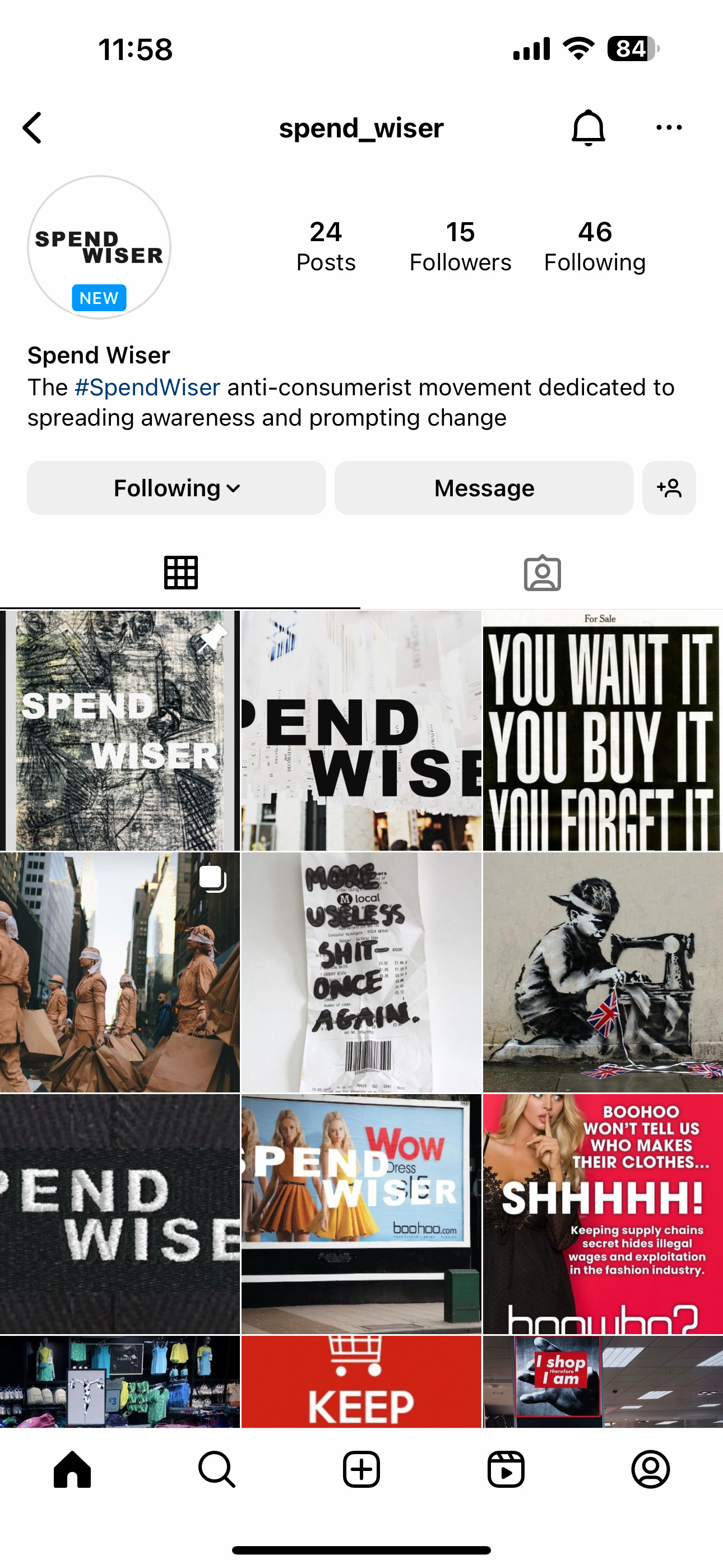
The concept for the final exhibition was that the global movement had already happened and that we, as a group, had found items from this moment out in the world. Bags have been branded with the spend wiser logo and carried by people to draw attention to the moment and be seen. Posters and pieces of work that have been seen around in shops and on walls as part of gorilla marketing to find the right audience and ask them questions on how they spend their money.
The aesthetics for this exhibition was rough and ready, a mix between Banksy’s street aesthetic and the grit that comes with it and the professional clean branding of a trusted company.
https://www.instagram.com/spend_wiser/

Reflection
If I had more time then I’d like to take the exhibition out into the real world for its intended audience and get feedback from those who were intended to see it. As I aimed for this to be an ongoing exhibition/movement then that feedback or interaction would then inform the project going forward. And with each iteration the exhibition would change accordingly and develop to best meet the requirements of the audience.
If I had more resources, then I’d believe that the scale and effectiveness of the project would be shifted into the next gear. If the project could reach more people and imitate the larger corporations more then it might be more effective and shift from this small plucky punk movement into this collection of artists against the issues of the consumerism by showing art and posing the questions to the masses that often go unasked.
Next steps for this project. At its current iteration, this is a very one-dimensional challenge to consumerism and a very head-on way of tackling the problem of the Anthropocene, but if I was to take this further, I would want to make it multi-dimensional platform tackling the Anthropocene through giving artists a platform for tackling their specific corner of the Anthropocene. For example an event like a musical event that may charge for tickets but those profits would then go back into the exhibitions and events to allow aspiring artists to fund their vision. Spend Wiser would become a self funding movement that would use exhibitions, concerts, fundraisers… etc to then fund and support other exhibitions, concerts and fundraisers with the specific goal of making everyday people ask the questions of how they can live a “greener” life without berating them.
 Nicholas McLaughlin Blog
Leave a comment